
Last updated November 16, 2026
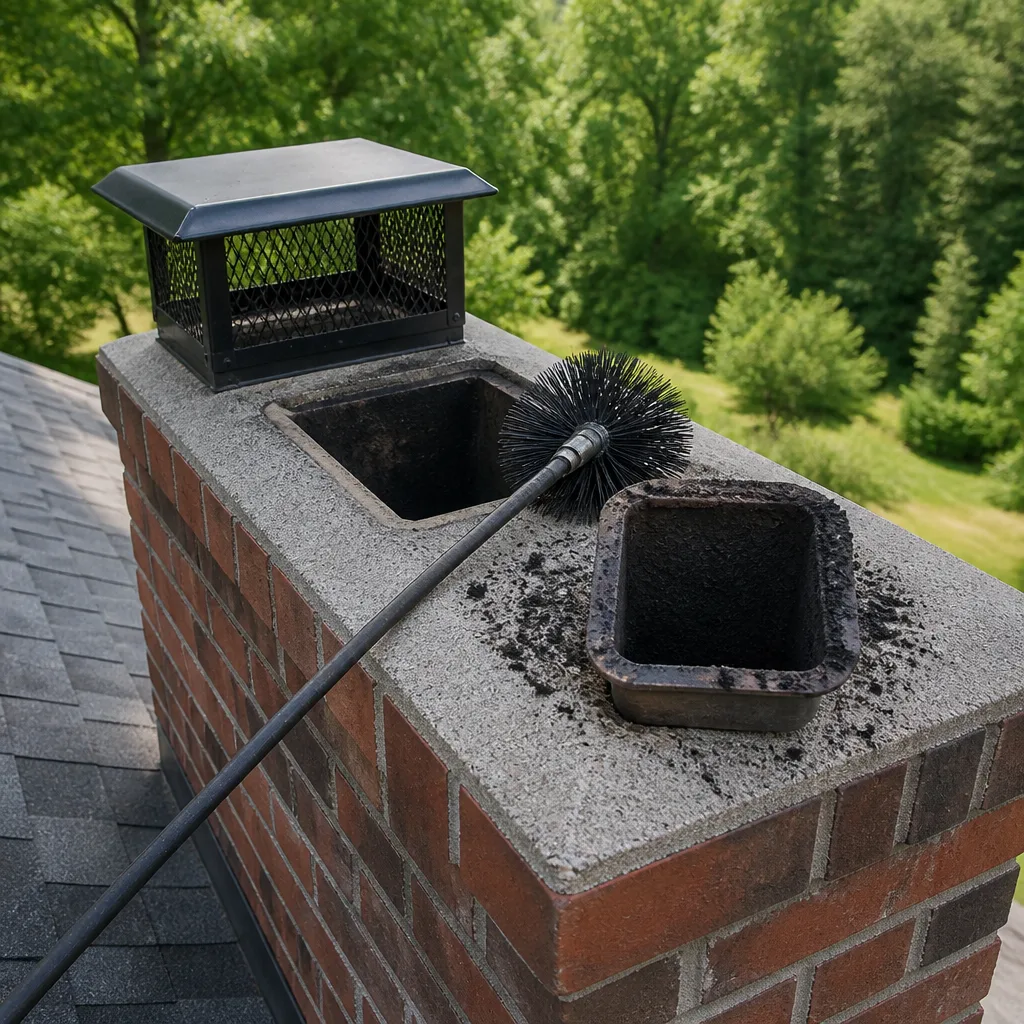 Sweep & inspection
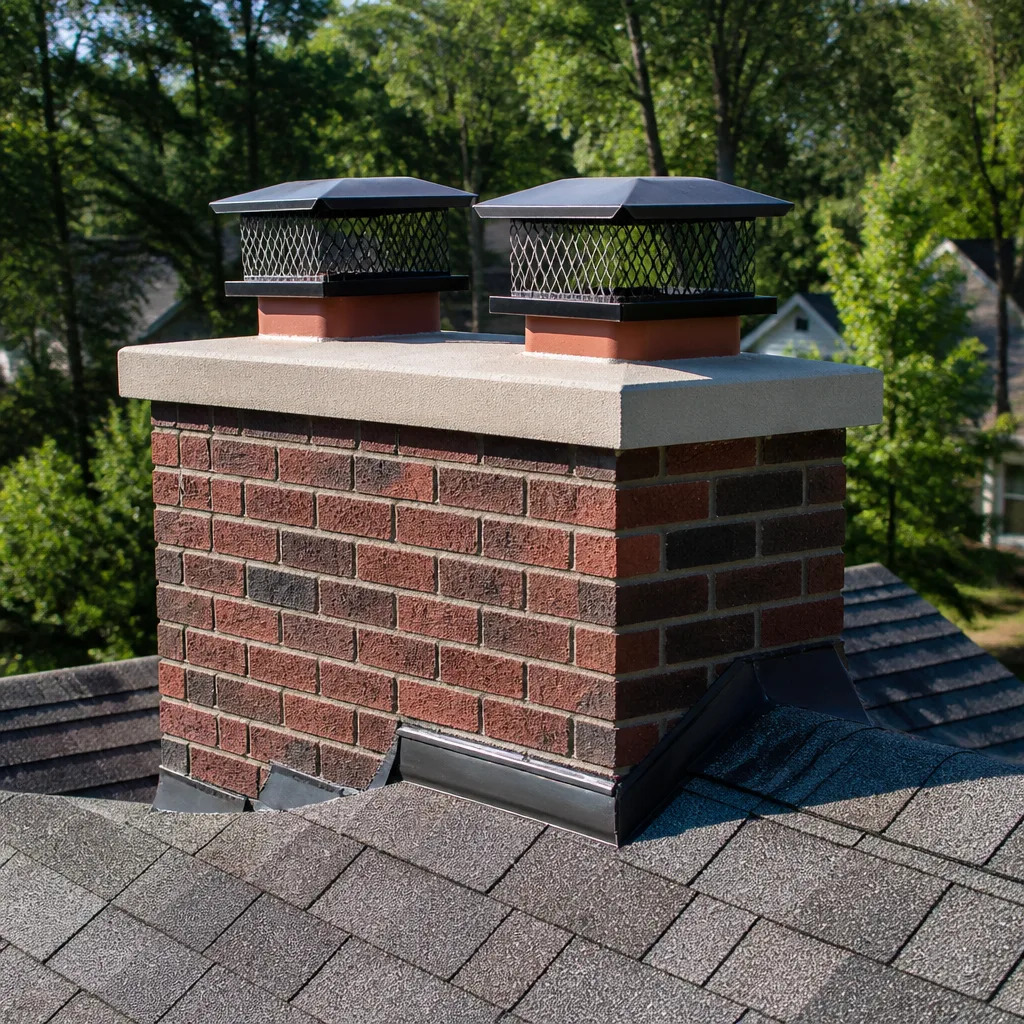 Caps & crowns
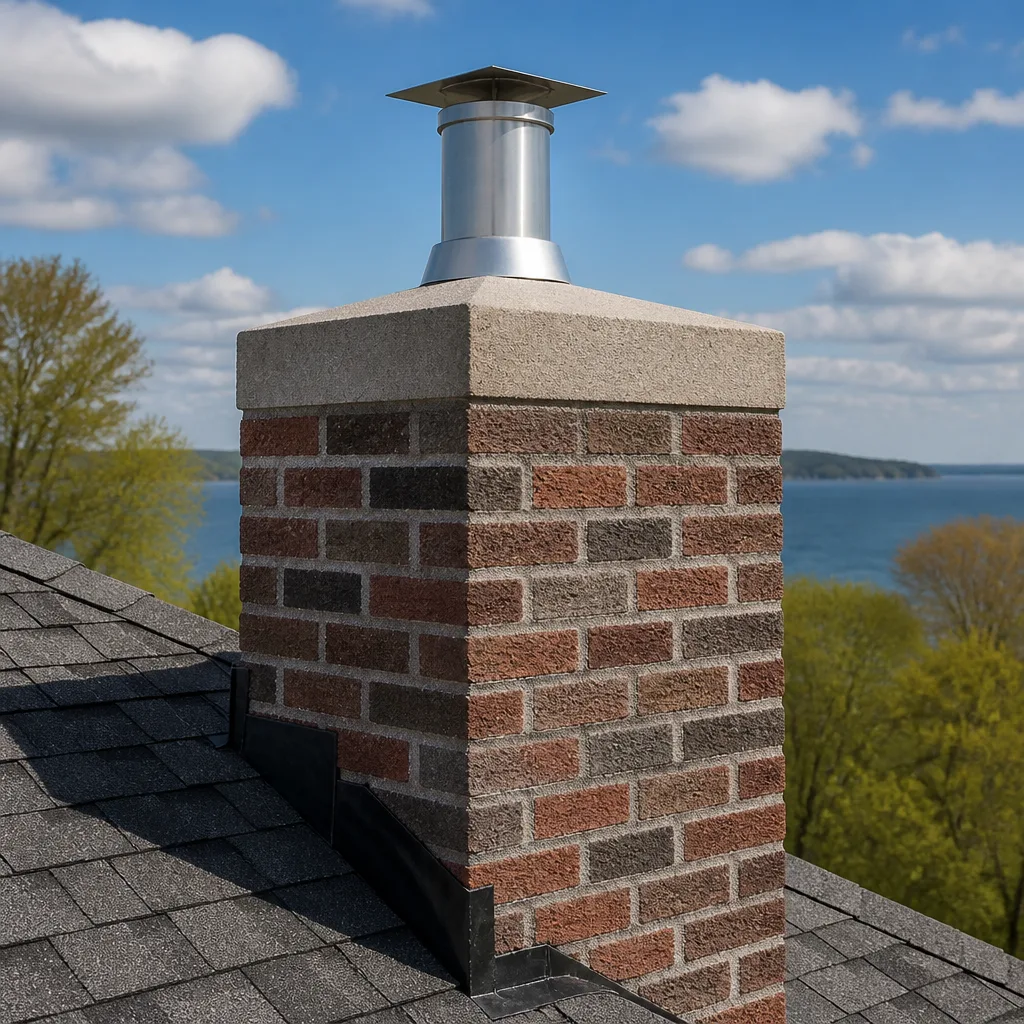 Flue relining
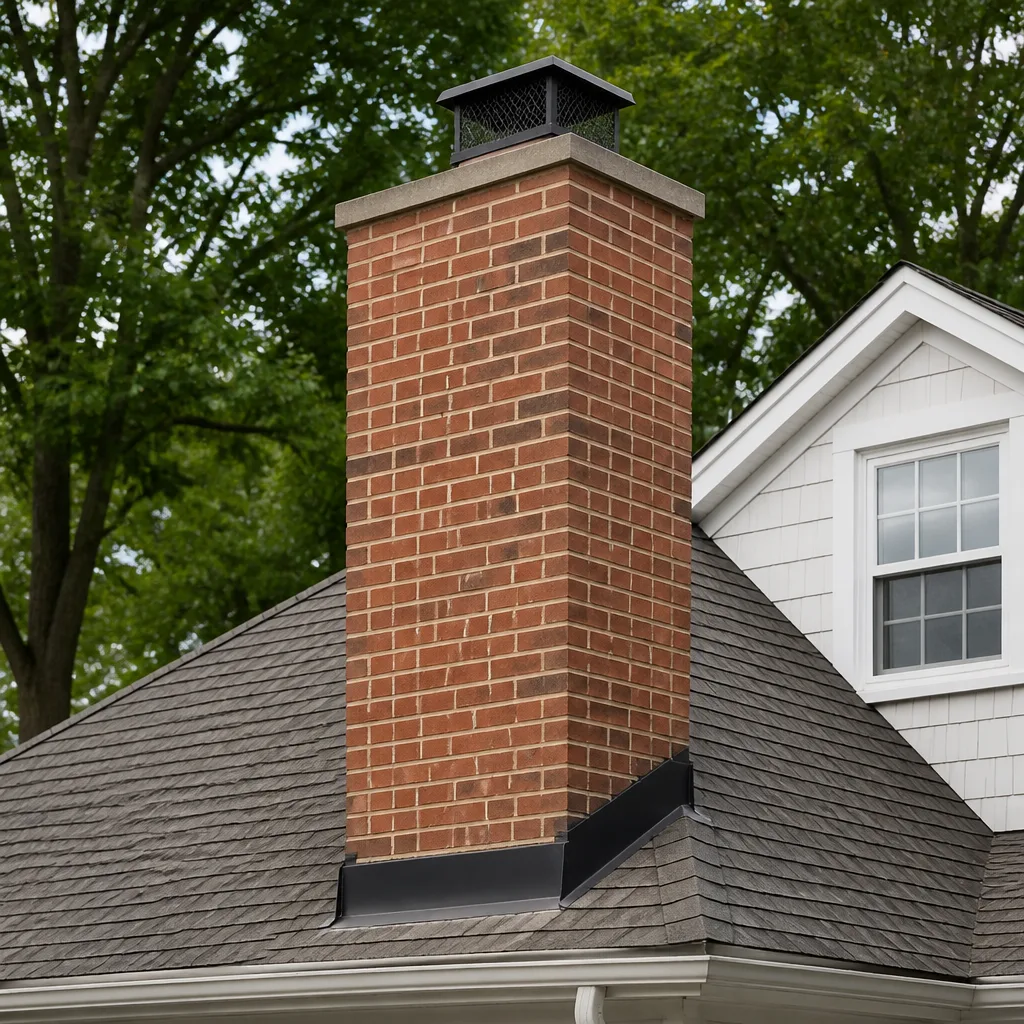 Masonry repair
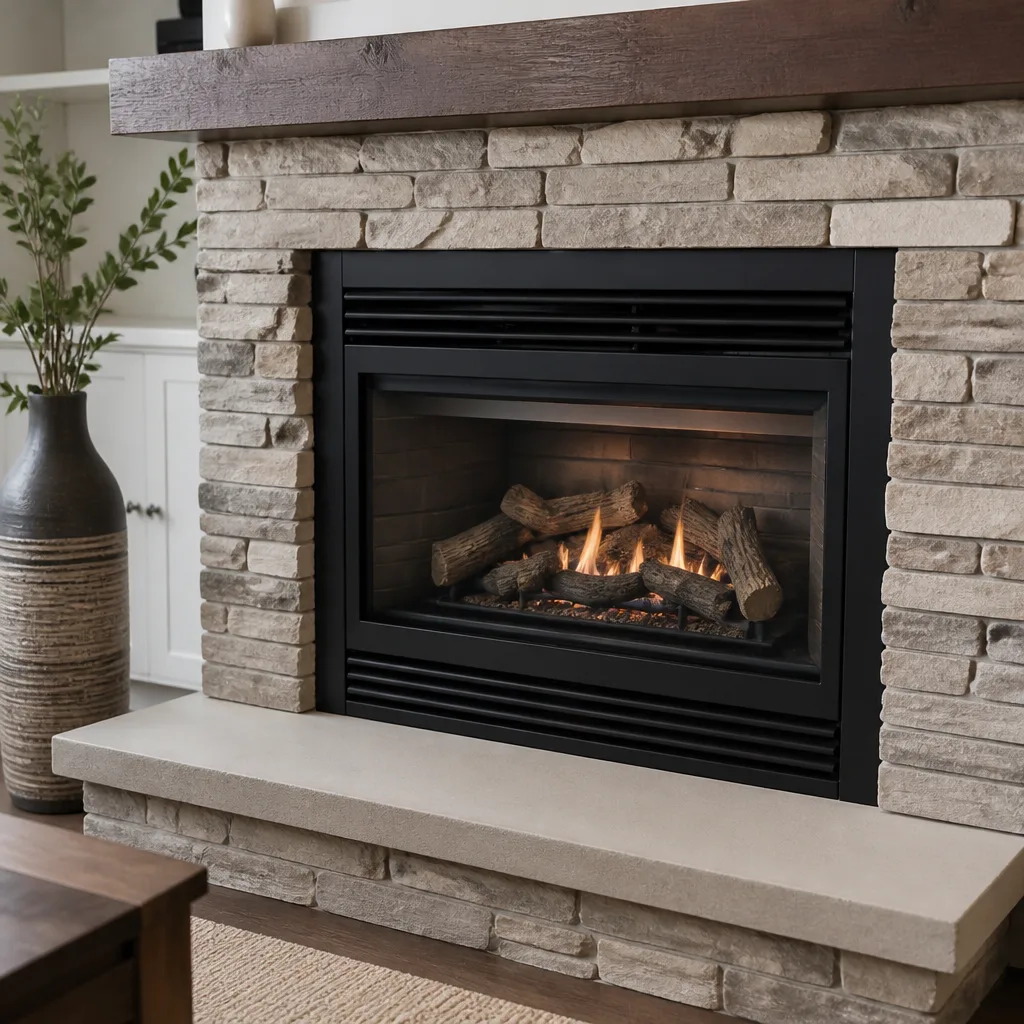 Gas fireplace service
Level 1 sweep and inspection to the NFPA 211 annual standard - flue, crown, cap, and flashing checked and photographed
Chimney sweep logs do not sweep chimneys. They loosen some creosote - which then falls where a brush and vacuum still have to collect it.
Choosing the Right Chimney Cleaning Brand: A Buyer’s Guide for Hillsboro
Most homeowners spend more time choosing a water filter than they do checking what goes into their chimney. That’s upside down. The liner, the crown sealant, the cap and even the creosote treatment are the parts that decide whether a flue holds up through a wet Willamette Valley winter or starts failing two seasons after install. Plenty of contractors can’t tell you the brand of the stainless liner they’re about to drop down your flue, or which alloy it is, or why one gauge was chosen over another. In this guide we walk through the product categories that actually matter for a wood- or gas-burning chimney in Hillsboro, the brand names professionals stock, and the questions that separate a specialist from a generalist with a brush on hand.
Quick Answer
The right chimney cleaning brand depends on the component: flexible stainless liner systems (DuraFlex and Olympia Chimney among the trade lines), crown and masonry sealants (HeatShield for interior flue resurfacing), creosote modifiers for stage-2 glazed deposits, and caps and covers sourced from professional suppliers like Gelco, Famco and Copperfield. For a wood-burning chimney in Hillsboro, 316L stainless in a proper gauge is the benchmark for a flexible liner, not the lighter 304 alloy sold at retail. What matters most is that your contractor can hand you the spec sheet and warranty for whatever brand they choose, and explain why that product fits your flue.
Styles & brands we work with
- Sweep & inspection
- Caps & crowns
- Flue relining
- Masonry repair
- Gas fireplace service
Table of Contents
- Why chimney materials differ from what’s on the hardware store shelf
- Chimney caps: stainless vs. galvanized in a wet climate
- Crown sealants and why they decide the life of the chimney top
- Creosote modifiers and anti-glaze chemistry
- Flexible liner systems: gauge and alloy grades explained
- HeatShield resurfacing vs. a full reline
- Questions to ask your contractor about spec sheets and warranties
- Common mistakes to avoid
Why chimney materials differ from what’s on the hardware store shelf
Retail chimney products are built for a shelf and a price point. Professional trade products are built for a service life and a specification. That’s the fundamental difference, and it shows up in every component from the cap down to the liner.
Walk into most hardware stores and you’ll find galvanized caps, a single flexible liner size, and a creosote “log” meant to be burned rather than applied. Those products exist for the homeowner doing a weekend patch-up. They aren’t the products a chimney specialist installs on a flue that has to survive twenty wet seasons in the Tualatin Valley.
The trade-side brands we work with, including Gelco, Famco, Copperfield and Olympia Chimney, sit on a different supply chain. They’re specified by material grade, thickness and fit, not by how they look on a pegboard. When you buy a professional-grade stainless cap from a trade supplier, you’re buying a grade of steel and a welding standard a retail cap doesn’t carry. When you buy a HeatShield kit, you’re buying a resurfacing system intended for a specific flue condition, not a generic patching compound.
Here’s what that means for a homeowner in Hillsboro: the name on the box is a good clue that your contractor is sourcing from the trade side of the industry. It isn’t a guarantee of good work. But a contractor who can’t name a brand at all is usually a contractor working from the retail aisle, and that’s the point to ask a few more questions.
What a professional supplier actually delivers
- Steel grade and thickness stated on the material, not assumed
- Component fit matched to your flue dimensions, not a one-size-fits-all cap
- Manufacturer warranties that survive an installation done to spec
- Consistent batches, so a replacement part actually matches what was installed
We carry and install that professional side because a chimney in this part of Oregon is under load from October through April. Rain, moss, temperature swings and the occasional ice event all press on the same parts. Retail-grade parts don’t fail because they’re bad; they fail because they were never spec’d for that duty.
Chimney caps: stainless vs. galvanized in a wet climate
For a chimney in Hillsboro, a stainless steel cap is the right default. Galvanized caps are cheaper and they’ll do the job for a while, but galvanized coating wears through faster under sustained rain and the steel underneath starts to rust. Stainless holds its surface through years of wet weather and won’t leave rust streaks down your flashing.
The cap does more than keep rain out. It keeps birds, squirrels and debris from nesting in the flue, it sheds water away from the crown, and it acts as a spark arrestor on a wood-burning chimney. A cap that rusts through after a few seasons stops doing all three.
How to compare cap options
- Material: stainless steel for a wet-weather market like western Oregon; galvanized only as a temporary or budget replacement.
- Mesh gauge: a proper spark-arrestor mesh, sized to the flue, not a loose screen.
- Fit: a cap sized to the exact flue opening, sealed against the crown with the right adhesive or gasket.
- Attachment: a mounting method that holds through wind and doesn’t crack the crown it’s bolted to.
- Warranty: a manufacturer’s warranty from the trade supplier, in writing, attached to the invoice.
Gelco and similar trade suppliers make the caps and covers we spec because they’re built for exactly this climate band. If you’re receiving a quote in Hillsboro that doesn’t mention the cap material at all, ask. On a wood-burning system the cap is not optional.
Crown sealants and why they decide the life of the chimney top
The crown is the concrete top of the chimney, and it takes the worst weather the chimney sees. A good crown sheds water away from the flue and the brick. A failing crown lets water soak into the masonry, and once water is in the brick the freeze-thaw cycles of a Hillsboro winter start to break it apart from the inside.
Crown sealant is the flexible coating or repair material applied to the crown to keep it waterproof. Retail crown repair is usually a rigid patch compound that cracks again within a season or two. Professional crown sealants are flexible, UV-stable and formulated to move with the crown as the chimney expands and contracts. That flexibility is the whole game. A crown that can’t flex will crack, and a cracked crown will leak.
We spec crown sealants from the trade side because the formulations don’t behave the same way. Flexible sealants survive thermal movement. Rigid patch compounds don’t. If your contractor is proposing to “seal the crown” without naming a material, ask what it is and whether it stays flexible.
Signs your crown needs attention
- Visible cracks running across the crown or along its edge
- Rust streaks down the chimney below the cap
- Water stains on the ceiling or chimney breast after rain
- Crown material that crumbles when touched
If the crown is failing, a proper sealant applied to a sound crown will usually solve it. If the crown is cracked through or missing pieces, a rebuild may be the right answer. Ask your contractor to show you a photo before they recommend either.
Creosote modifiers and anti-glaze chemistry
Not all creosote is the same. Stage-1 creosote is soot and flaky deposits that come off with a standard sweep. Stage-2 creosote is glazed and hard, bonded to the flue tiles, and a brush alone won’t take it off. Stage-3 is the thick, tar-like layer that’s behind most chimney fires. Stage-2 is the deposit we see most often in Oregon chimneys.
Creosote modifiers are chemistry designed to soften or break down the glazed deposits. “Anti-glaze” chemistry is the category you’ll see named in professional product literature, and it matters because it’s the only way to chemically attack stage-2 creosote before mechanical sweeping. A modifier is sprayed onto the flue, allowed time to work on the glaze, then swept off. Burn-in modifiers sold at retail work differently and far more slowly.
In our experience, a chimney that produces glazed creosote is a chimney burning wood that’s too wet or a fire that’s running too cool. A modifier helps your sweep get the glaze off, but the long-term fix is burning seasoned wood and keeping the fire hot enough to run clean. Oregon’s wet climate makes properly seasoned firewood a real challenge; wood that’s been stored outdoors through a rainy spring needs more drying time than most homeowners expect.
What anti-glaze chemistry actually does
- A modifier is applied to the glazed flue surface
- The chemistry softens and lifts the stage-2 glaze
- Time is allowed for the product to act (the spec sheet specifies how long)
- The sweep removes the softened deposit with mechanical tools
- The flue is inspected afterward to confirm the glaze is gone and the tiles are intact
If you’ve been told your flue has stage-2 glazed creosote, ask which modifier your contractor plans to use and why. A specialist should be able to name it.
Flexible liner systems: gauge and alloy grades explained
A flexible stainless liner is a metal tube dropped down the flue to carry flue gases and heat safely out of the house. The two things that matter most are the alloy and the gauge.
Alloy first. 316L stainless steel is the standard for wood-burning applications, and 304 stainless is the lighter alternative. The “L” in 316L stands for low carbon, which makes the steel more resistant to corrosion at the weld seams. In a wood-burning flue, the environment is acidic and wet, and 316L holds up materially better than 304 over the life of the liner. Retail liner is often 304 because it’s cheaper. Professional liner for a wood-burning application is typically 316L.
Gauge next. Gauge is the thickness of the steel, and thinner is cheaper. A thinner liner is more vulnerable to damage during install and more vulnerable to mechanical wear over the life of the system. The spec sheet on a professional liner will state the alloy and the gauge. If you don’t see both, ask.
How to read a liner spec sheet
- Alloy: 316L for wood-burning applications; ask why if it isn’t.
- Gauge: stated in the spec sheet, not implied.
- Construction: continuous, meaning no field-fabricated joints inside the flue.
- Warranty: a manufacturer warranty that covers the installation when done to spec.
- Insulation: whether the liner is insulated, and to what standard.
DuraFlex flexible liner systems are the trade line we install most for both new installs and liner replacements. Olympia Chimney products cover the broader system around the liner: the components and fittings that make a complete, code-correct install. Both come with manufacturer documentation you can request before work starts. If you want to see how the liner decision fits into a broader chimney repair scope, that’s where a full inspection comes in before any quote.
Why this matters for a Hillsboro home
Most homes in Hillsboro that have wood-burning fireplaces also have flue tiles installed decades ago, and older tile systems crack. A cracked tile lets heat and combustion products reach the surrounding structure, which is exactly what a liner prevents. When we inspect a flue in Hillsboro and find cracked tiles, the choice is resurface or reline, and the alloy question becomes the deciding factor for the reline path.
HeatShield resurfacing vs. a full reline
HeatShield is a chimney resurfacing system that allows a specialist to re-line the inside surface of the flue tiles without pulling the existing tile out and dropping a new stainless liner. It’s the middle path between a sweep and a full reline, and it’s the right answer for a specific condition: structurally sound flue tiles that have cracked or deteriorated surfaces but haven’t failed as a system.
The way it works: the flue is cleaned and prepared, a HeatShield compound is applied to the interior surface of the tiles, and the compound cures into a smooth, sealed lining that fills the cracks and gaps. The flue keeps its original dimensions and structure. A stainless liner, by contrast, is a full replacement of the flue’s inner surface with a metal tube, which is the right answer when the tiles have failed completely or the flue needs to be upsized or insulated.
We’re certified to apply HeatShield, and we’ll tell you honestly whether resurfacing or a reline is what your flue actually needs. HeatShield is not cheaper because it’s a shortcut. It’s cheaper because the scope of work is smaller when the underlying structure is sound. If it isn’t sound, a resurface would waste money and we’ll say so.
Which path fits your flue
- Inspect first. A camera inspection of the flue is the only way to know which condition applies.
- Sound tiles, damaged surface: HeatShield resurfacing is a candidate.
- Failed or missing tiles: full stainless liner, likely 316L.
- Wrong flue size or uninsulated flue: reline with insulation is usually the safer answer.
- Review the photos and the spec sheet. Nothing is recommended without the evidence in front of you.
If a contractor is recommending a full reline without having shown you what’s actually wrong inside the flue, ask for the camera photos. If they recommend HeatShield without confirming the tiles are structurally sound, ask the same question. Both are legitimate answers, and the inspection is what separates the two.
Questions to ask your contractor about spec sheets and warranties
These are the questions a legitimate chimney specialist will answer without hesitation. If a contractor can’t answer them, or gets defensive, that’s the signal to slow down before you sign anything.
- Which brand and model are you installing, and why? A specialist will name the product and the reason. A generalist will say “a stainless liner.”
- What alloy and gauge is it? 316L is the benchmark for wood-burning. The gauge should be on the spec sheet.
- Can you show me the spec sheet? Manufacturers publish these. Legitimate contractors carry them.
- What does the warranty cover, and for how long? A manufacturer warranty covers the product; make sure you understand what part of the work it covers and what voids it.
- What happens if the install needs a component you didn’t plan for? A specialist confirms the material list before work starts, so this shouldn’t come up.
- Who is doing the work? Ask if the same team handles the sweep, the inspection and the repair, or whether parts of the job get handed to someone else.
- Can I see the camera inspection photos before I decide on repair? Nothing should be recommended on the basis of a verbal description alone.
We offer all three core services in-house, which means the person who inspects the flue is the same specialist responsible for the sweep and any repair that follows. There’s no handoff to a third party and no subcontractor. That matters for the material question too: a specialist who does the work daily knows the product line and doesn’t guess.
We also want to be clear about something: an inspection is a standalone service. Homeowners can book an honest assessment before committing to any repair. If the flue is fine, we’ll say it’s fine.
Common Mistakes to Avoid
- Treating a burn-in creosote log as a substitute for a sweep. Retail burn-in products work slowly and only on light deposits. For the glazed stage-2 creosote common in Oregon wood-burning chimneys, they don’t do the job a professional modifier will.
- Accepting a galvanized cap on a wet-weather chimney. Galvanized caps in Hillsboro rust through faster than stainless. If a quote specifies galvanized without explaining why, ask for stainless.
- Buying on price alone. A cheaper liner is usually thinner gauge or lower alloy. The cost difference on a relaunder is small compared to a second replacement.
- Skipping the camera inspection because you don’t see a problem. A chimney that looks fine from the roof can have cracked tiles, stage-2 glaze or a failing crown that isn’t visible without a camera.
- Letting a generalist handle a specialist job. A handyman can push a brush down a flue. Diagnosing creosote stage, sizing a liner correctly, and applying resurfacing compound properly is a different trade.
- Not asking for the brand name before signing. A contractor who can’t or won’t name the product they’re installing is a contractor working without specifications.
When to Call a Professional
Call a chimney specialist if you’ve never had a sweep done on a home you recently purchased, if it’s been more than a year since your last sweep, if you’re noticing smoke coming back into the room when the fire is first lit, if you can smell a strong creosote odor from the chimney, or if you can see cracks in the crown or water stains around the flue. Call if you’ve been burning unseasoned wood or if your flue has never been inspected with a camera. Call before the next heating season, not after it. On a wood-burning system, the reason to act is straightforward: glazed creosote is the fuel load behind most chimney fires, and carbon monoxide is a real risk when a flue isn’t venting properly. Chimney Sweep Hillsboro offers free estimates in Hillsboro. Call (855) 473-8720. We answer 24/7. Fast dispatch from 7am to 7pm, Sunday through Friday.
Frequently Asked Questions
Professional chimney specialists typically work with trade-side suppliers, not the retail aisle. That includes flexible liner systems from DuraFlex and Olympia Chimney, HeatShield resurfacing for flue tiles, and caps and covers from Gelco, Famco and Copperfield. The important thing isn’t the brand name itself; it’s that your contractor can name the brand, explain why it’s the right choice for your flue, and hand you the spec sheet. Call (855) 473-8720 for an exact quote. Estimates are free.
Yes, particularly for wood-burning chimneys. 316L stainless steel is the standard for wood-burning applications because the low-carbon formulation resists corrosion at the weld seams in the acidic, wet environment of a wood flue. 304 stainless is the lighter alternative and is often what you’ll find in retail liner. For a wood-burning fireplace in Hillsboro, ask for 316L and ask for the gauge on the spec sheet. Call (855) 473-8720 for an exact quote on a liner replacement; estimates are free.
Anti-glaze chemistry is a creosote modifier formulated to soften stage-2 glazed creosote, the hard, bonded layer that a brush alone can’t remove. It’s applied to the flue surface, allowed time to work, then swept off. Stage-2 deposits are common in Oregon because of the wet-climate challenge of properly seasoning firewood. If your flue has been diagnosed with glazed creosote, ask which modifier is being used and how it works. Call (855) 473-8720 for an exact quote; estimates are free.
You need a camera inspection of the flue first. If the flue tiles are structurally sound but the surface is cracked or deteriorated, HeatShield resurfacing is a candidate and can save the cost of a full reline. If the tiles have failed or the flue needs to be upsized, a full stainless liner is the correct answer. Ask to see the camera photos before you decide. Call (855) 473-8720 for an exact quote; estimates are free in Hillsboro.
Ask for the spec sheet and the warranty, and ask to see the photos of what’s wrong. A legitimate specialist can produce both documents on request. If your contractor can’t name the brand of material being installed or explain the reason in plain language, that’s the point to get a second opinion. Call (855) 473-8720 for an exact quote; our written estimate sets the final price.
It does, on two counts. A stainless cap keeps rain from reaching the crown and flashing, which is where most water damage starts. A cap from a professional supplier is also sized and attached to spec, so it holds through wind and doesn’t crack the crown it’s mounted to. Galvanized is cheaper but wears through faster in Oregon weather. Call (855) 473-8720 for an exact quote; estimates are free.
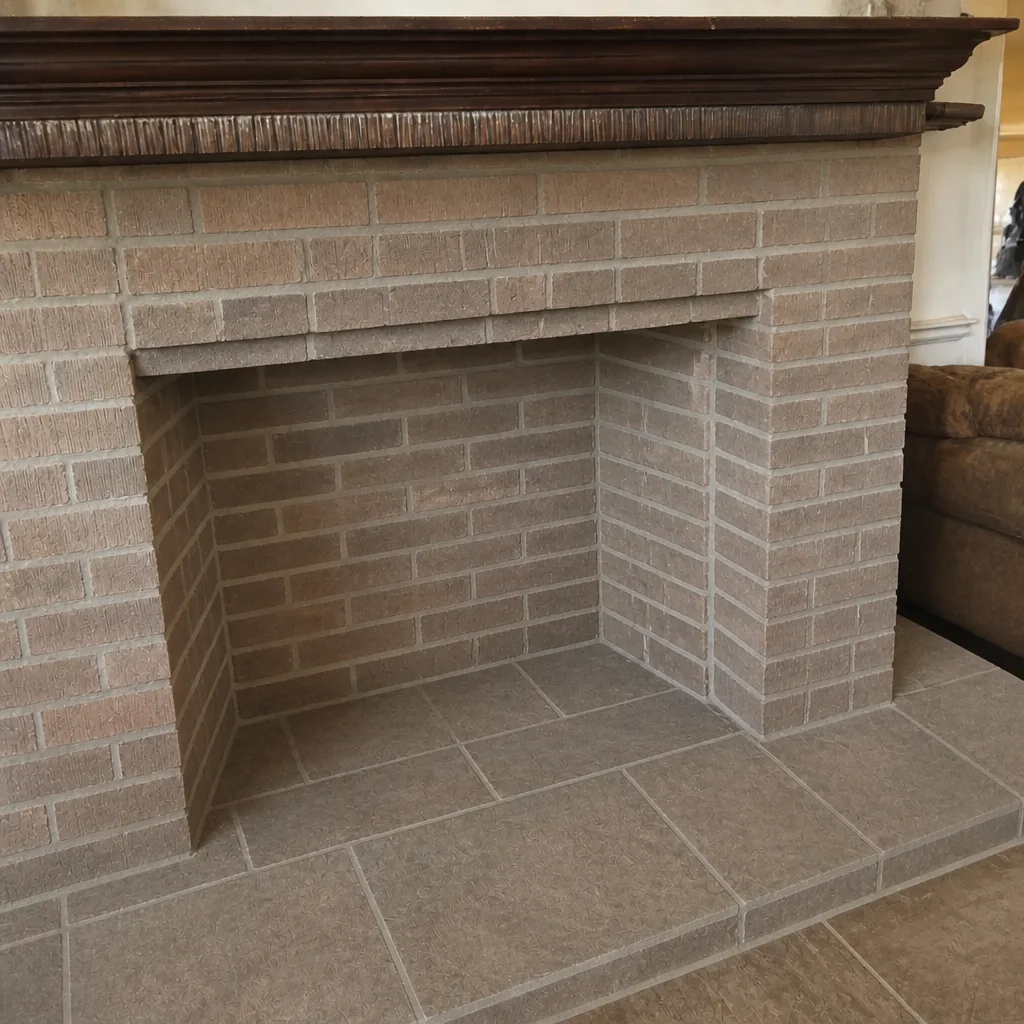
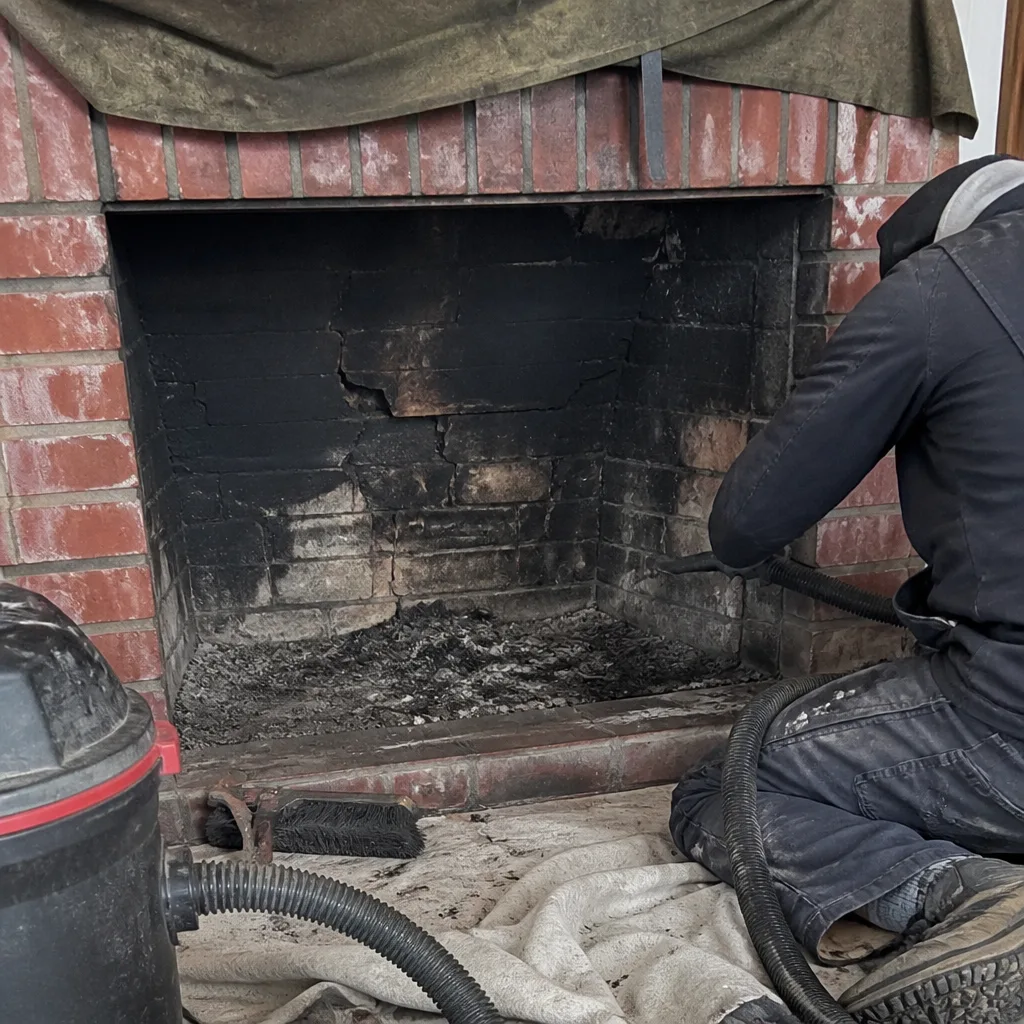
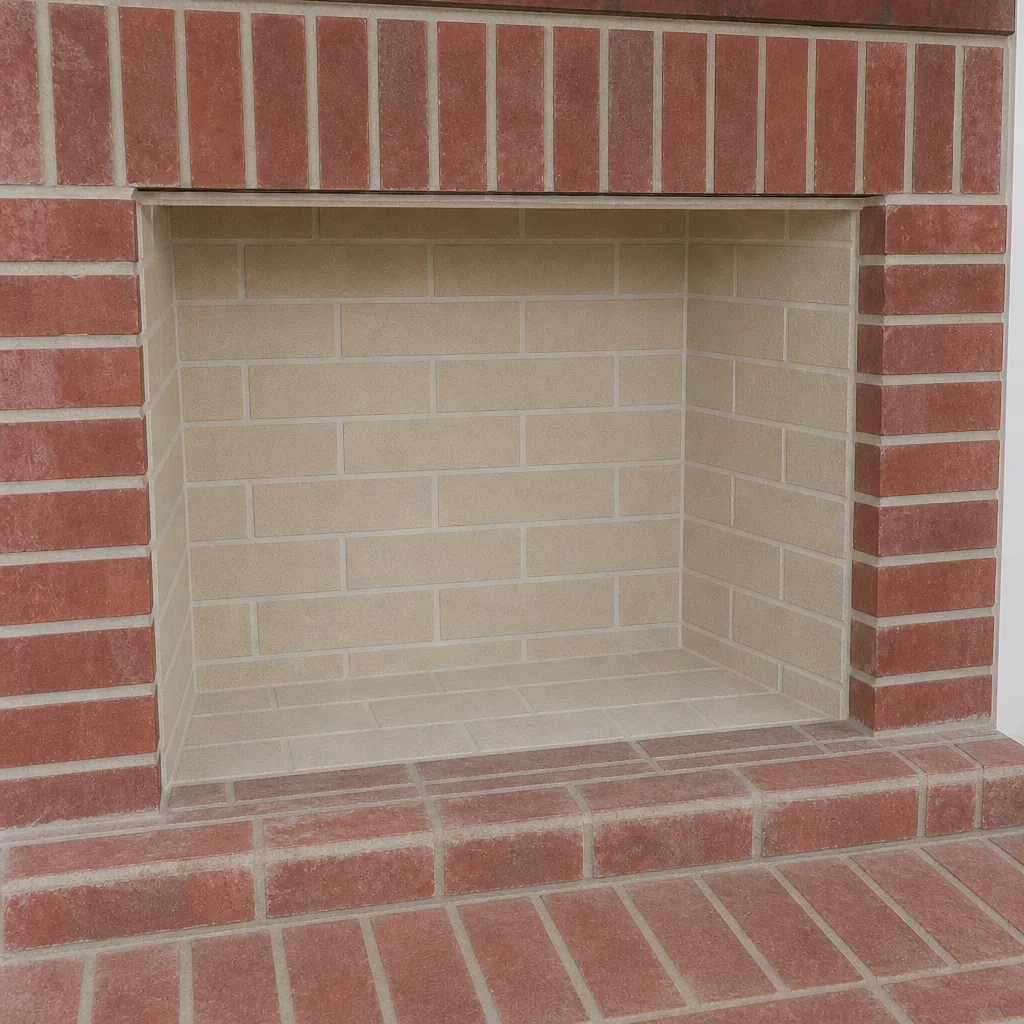
See the difference
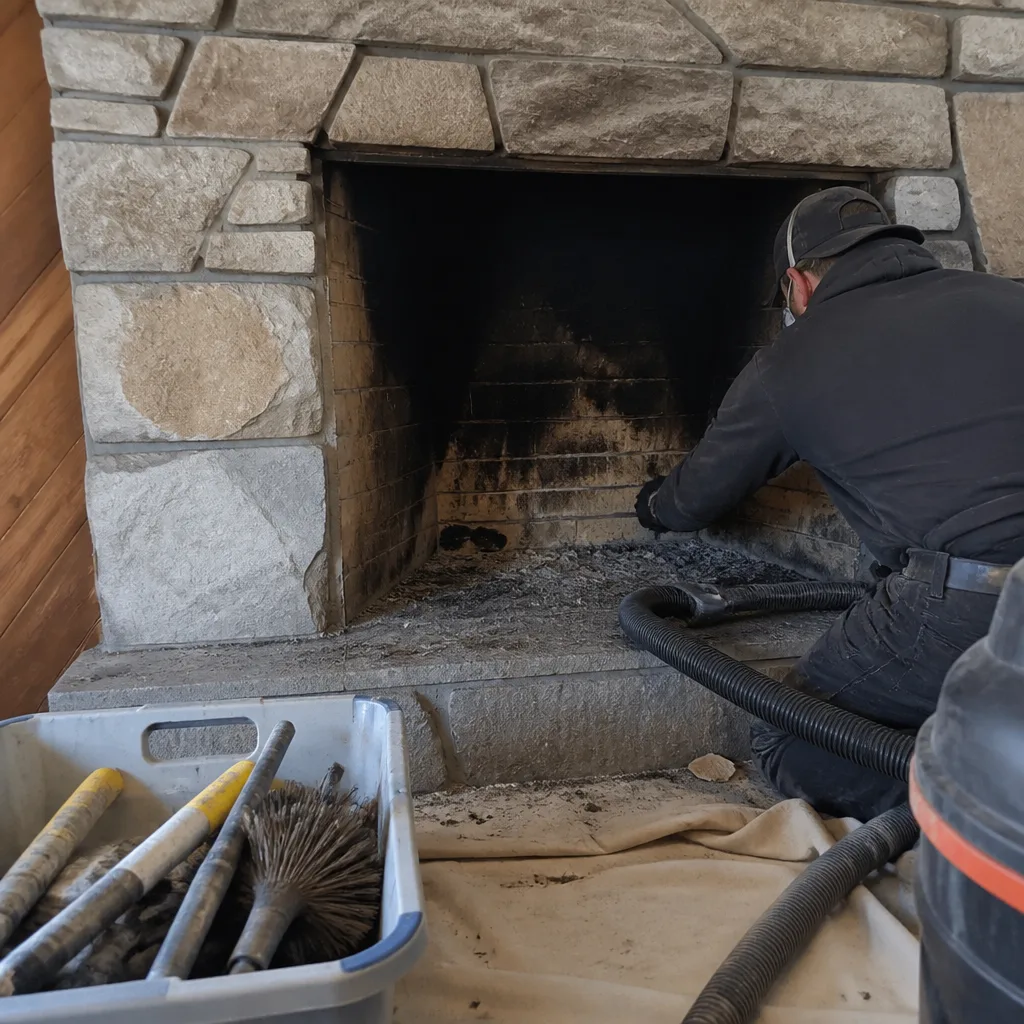 Before
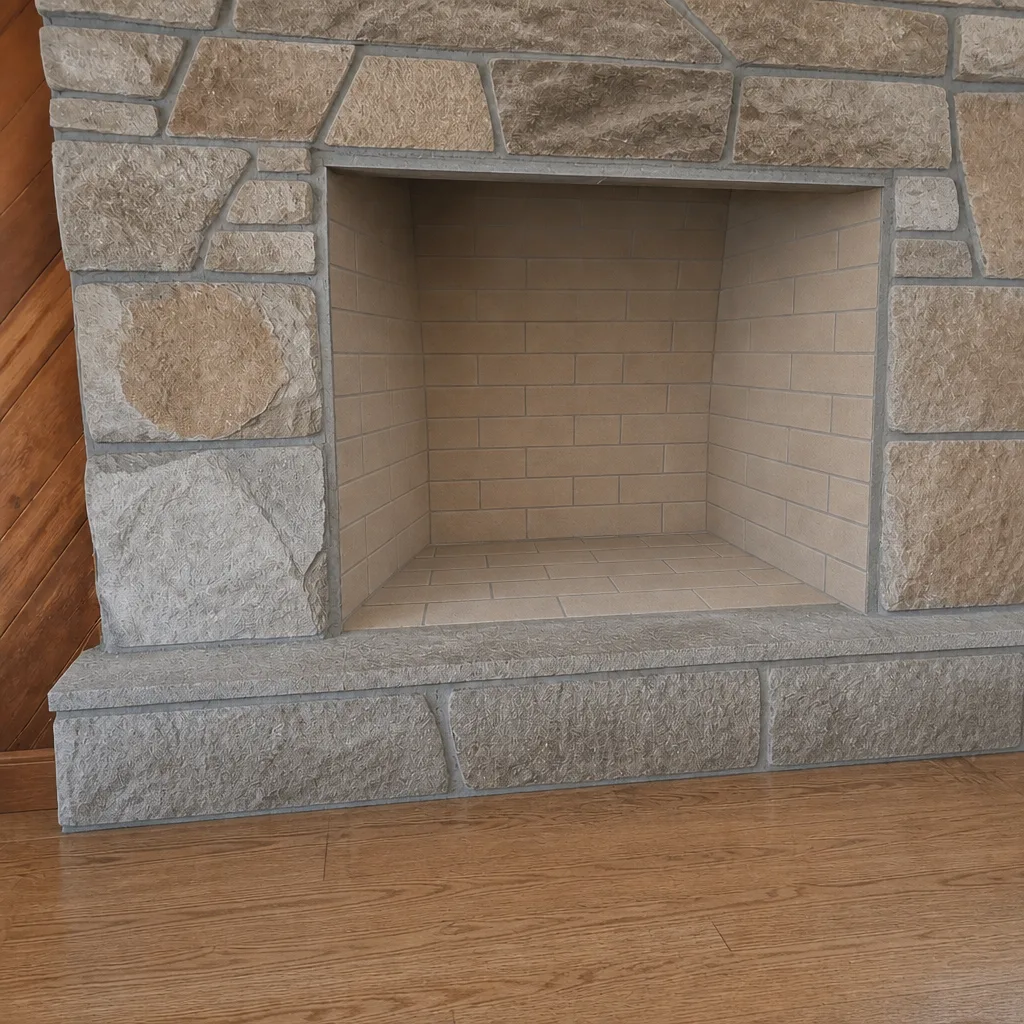 After
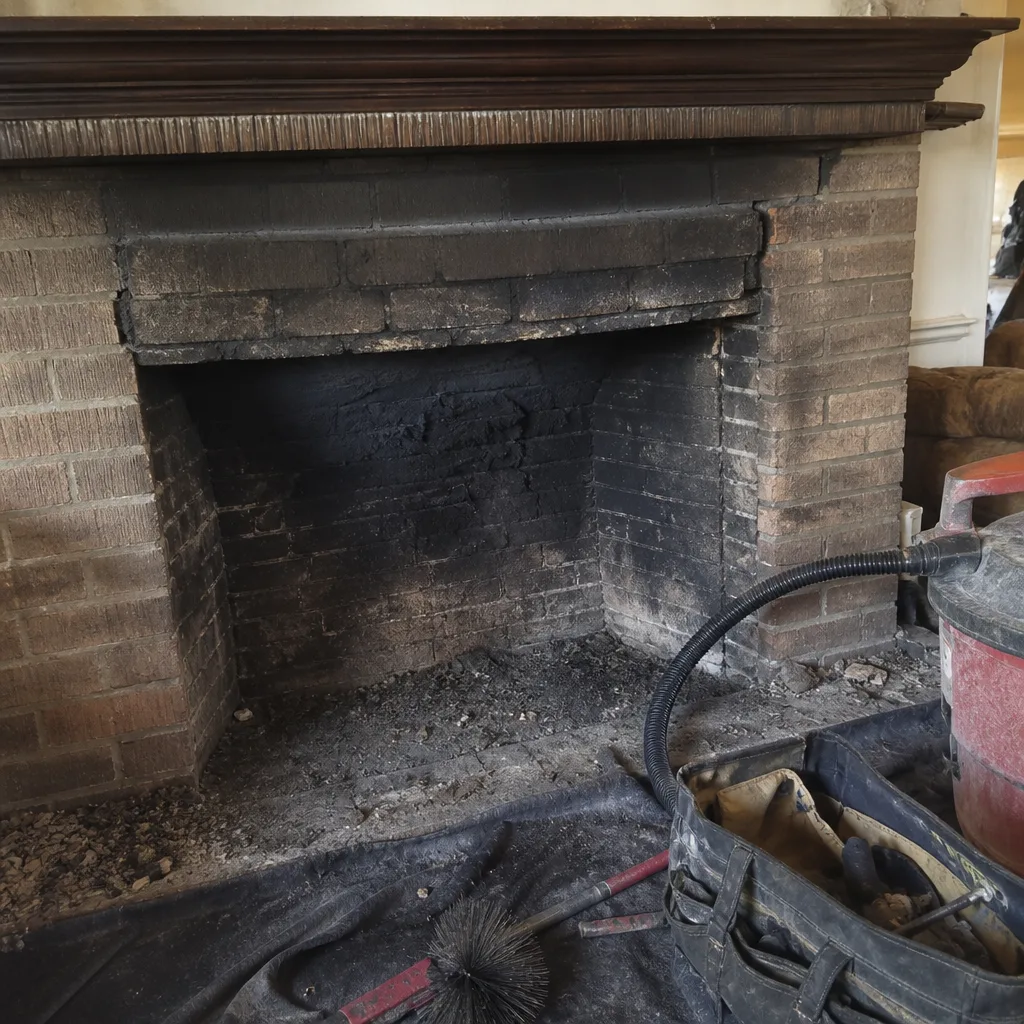 Before
 After
 Before
 After
How Brands Fit Into a Real Service Visit
It’s easy to treat a brand question as abstract. It isn’t, when you consider that a sweep, an inspection and a repair are all the same system. A chimney specialist who knows the product line also knows how the products fit together: how a HeatShield resurface affects the flue dimensions, how a liner choice interacts with the cap, how a crown sealant affects water reaching the masonry below. That continuity is why we do all three services in-house, and why we work with the trade-side brands rather than the retail aisle.
Our technicians have up to experience. That’s technician experience, not a company age. The experience shows up in the questions we ask before quoting, the photos we take, and the honest answer when the right fix is the smaller one. Chimney Sweep Hillsboro handles the full service cycle for Hillsboro homeowners: sweep, inspect and repair. If you’ve been told you need a full reline, or you’ve been told the chimney is fine, either answer deserves the same evidence in front of you.
If you’re ready to move from browsing brands to booking a service, the smartest first step is usually the chimney sweep, because that visit includes a look inside the flue. If you’ve already been told you have a problem, a chimney repair scope follows an inspection, not a phone call. And if you’re starting fresh in a new home in Hillsboro, a full chimney service page is the best place to see how the pieces fit: Chimney Sweep Hillsboro.
What Happens When You Call
When you call, we’ll ask what you know about the flue and what prompted the call. A sweep and an inspection can often be booked together. The inspection includes a camera look at the flue, and the photos are yours to review. If the flue is fine, we’ll tell you. If it needs a sweep, we’ll do the sweep. If it needs repair, we’ll walk you through the options with the evidence in hand. The written estimate sets the final price. If you want to wait, and the flue is safe to leave alone for a season, we’ll say that too.
The Bottom Line
The chimney cleaning brands worth caring about are the ones that carry a specification, a warranty and a reason. For a Hillsboro wood-burning fireplace, that means 316L stainless liner systems from trade suppliers like DuraFlex and Olympia Chimney, flexible crown sealants, a real creosote modifier for stage-2 glaze, and a stainless cap sourced from a professional line. Add HeatShield resurfacing as the middle path when the tiles are sound. Then ask the questions in this guide: which brand, which alloy, which gauge, what warranty, and can you show me the camera photos. A contractor who can answer all five is the right one. A contractor who can’t is the one you want to skip.
Call Chimney Sweep Hillsboro
We answer 24/7. Fast dispatch from 7am to 7pm, Sunday through Friday. Call (855) 473-8720 for a free estimate on chimney sweeping, inspection or repair in Hillsboro, and get a straight answer about the materials, the spec sheets and the warranty before any work is booked.
Written by the team at Chimney Sweep Hillsboro.