
Last updated November 16, 2026
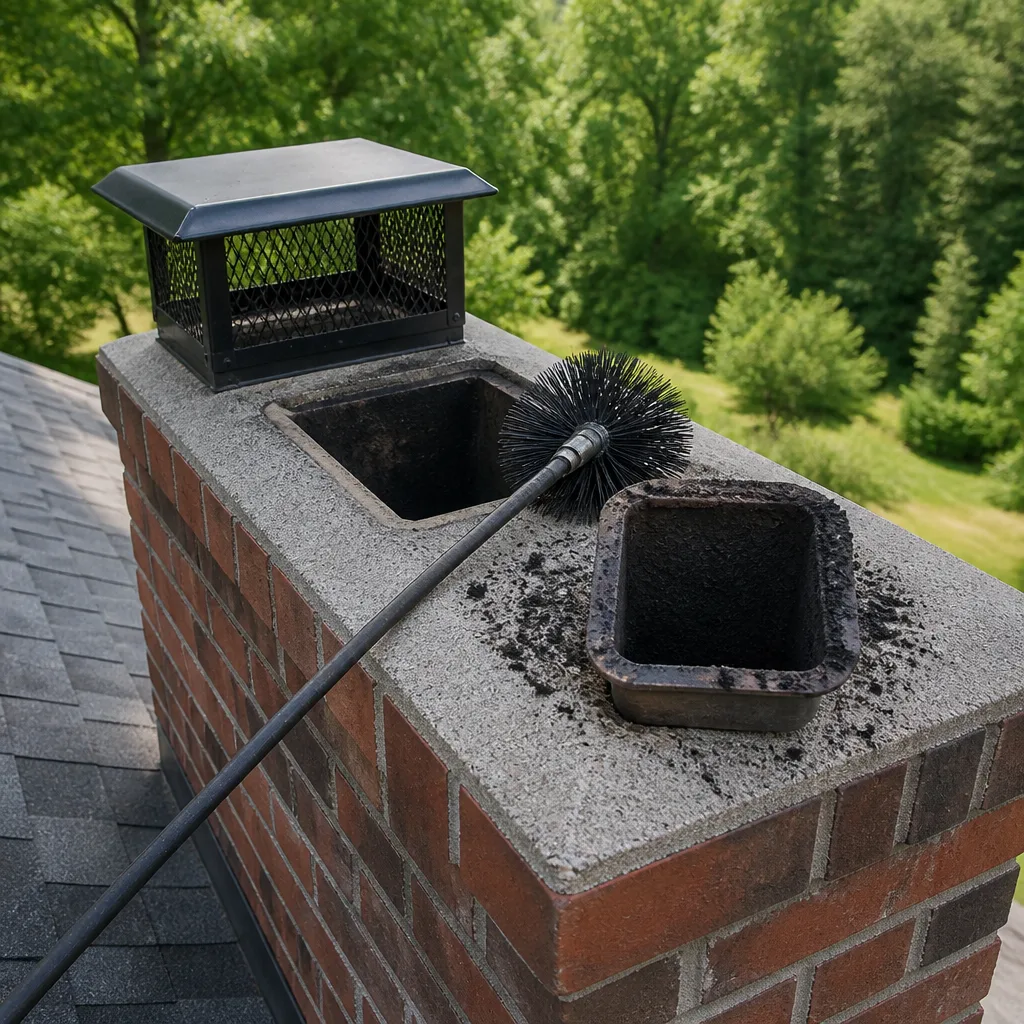 Sweep & inspection
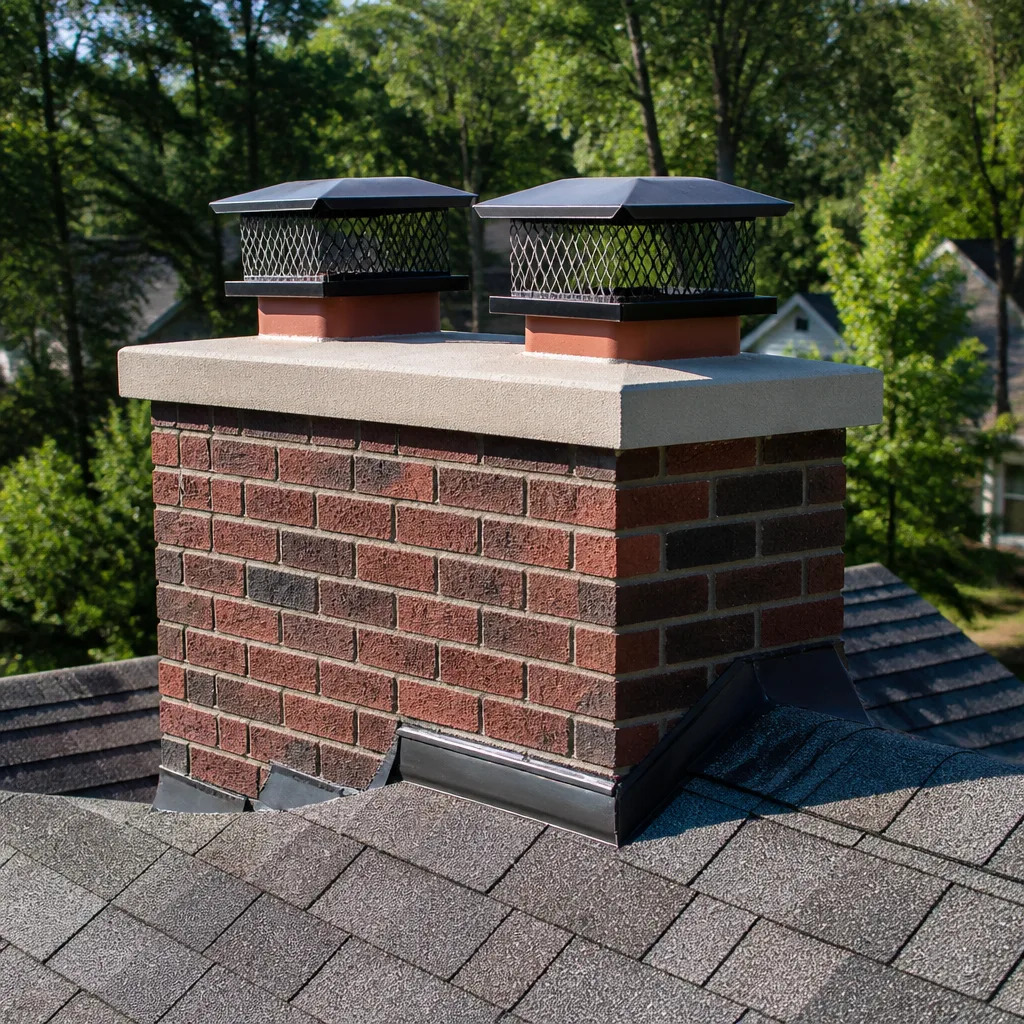 Caps & crowns
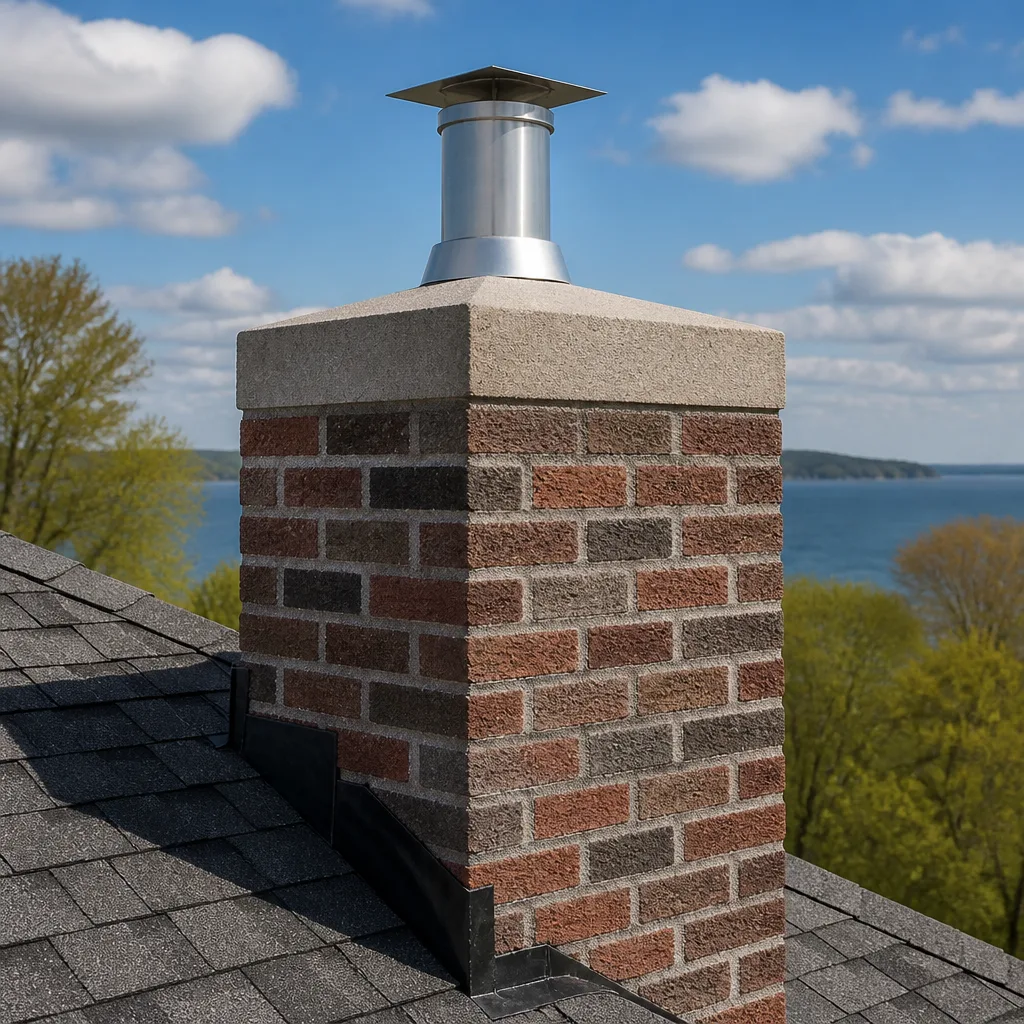 Flue relining
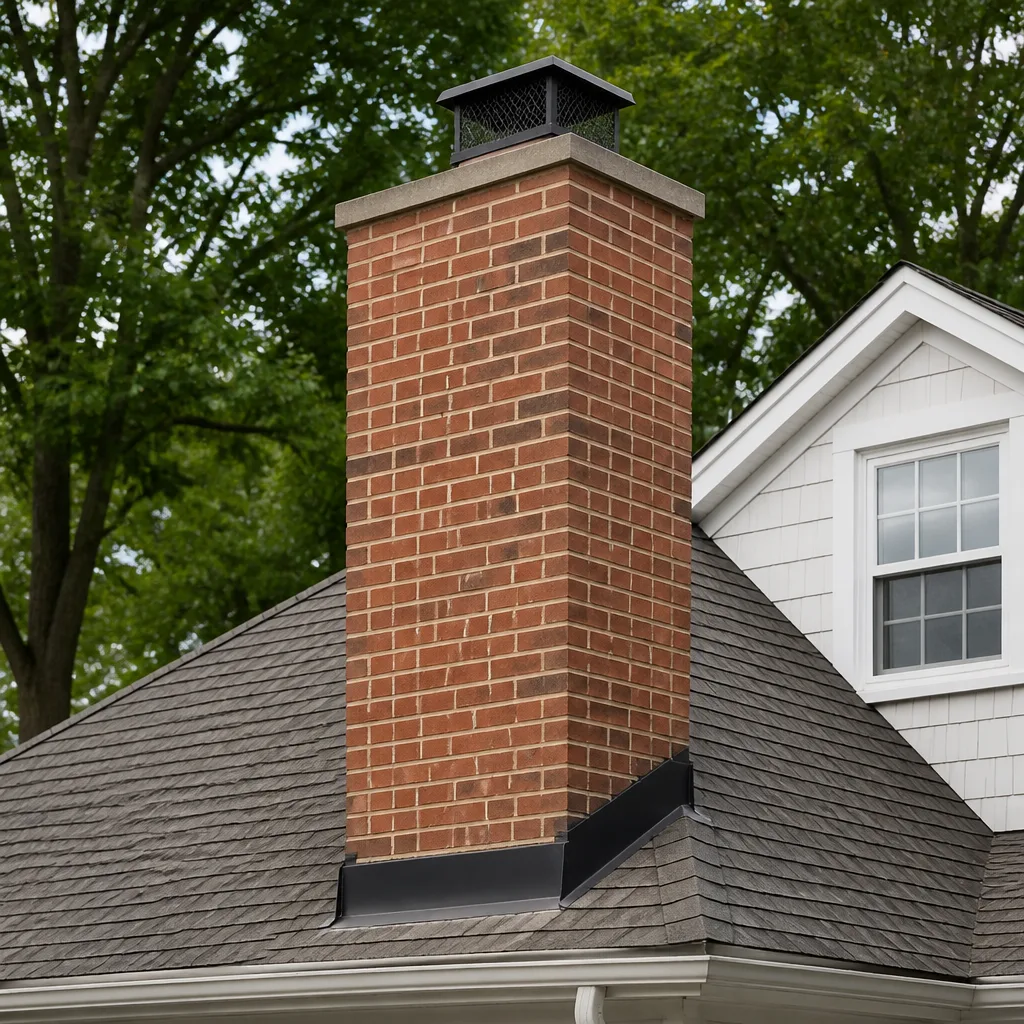 Masonry repair
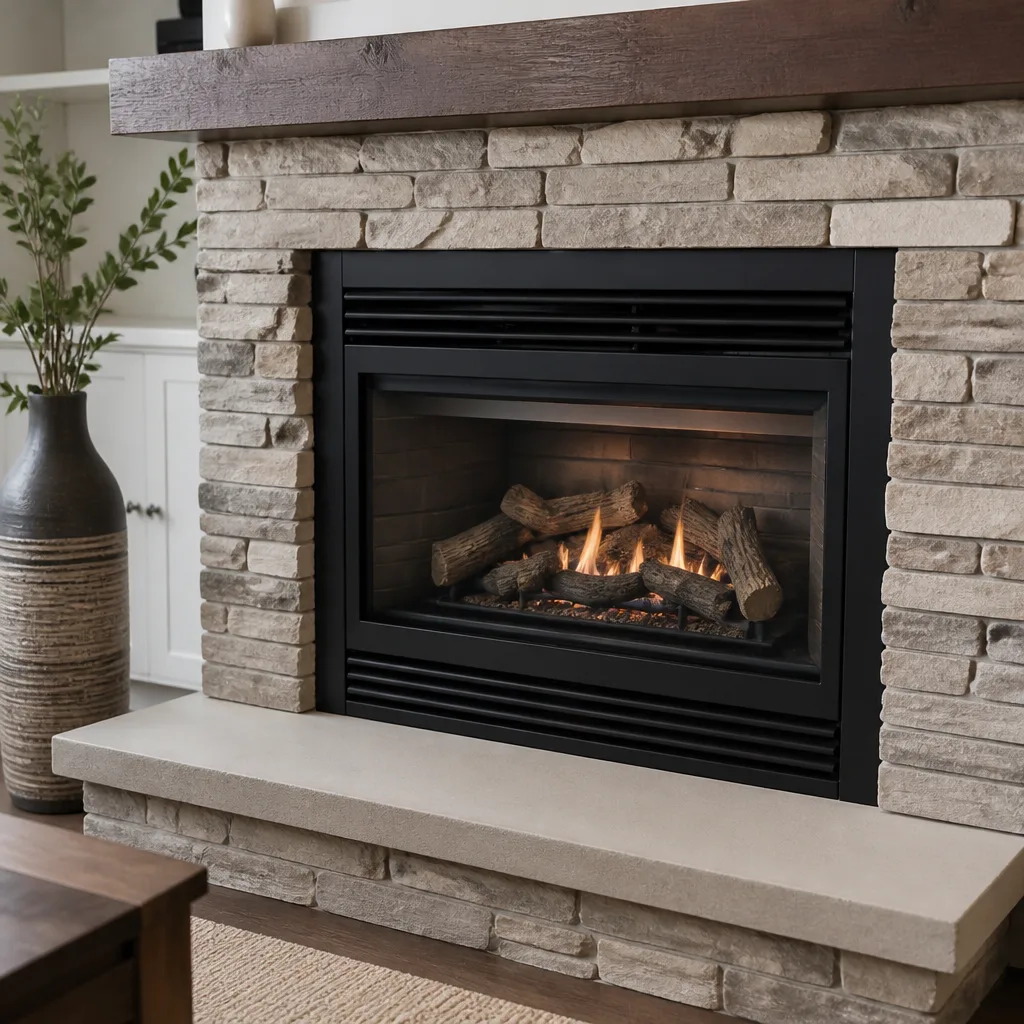 Gas fireplace service
Level 1 sweep and inspection to the NFPA 211 annual standard - flue, crown, cap, and flashing checked and photographed
Chimney sweep logs do not sweep chimneys. They loosen some creosote - which then falls where a brush and vacuum still have to collect it.
How to Hire a Chimney Cleaning Contractor in Hillsboro: A Step-by-Step Guide
Oregon doesn’t require a specific chimney sweep license. Read that again, because it changes how you should shop. The contractor quoting you $89 and the one quoting $350 may hold exactly the same credentials on paper: zero. That’s not a reason to panic, and it’s not a knock on every honest sweep working in Washington County. It’s a reason to know what to ask before anyone climbs onto your roof or reaches into your flue. In this guide, we’ll walk through the exact certifications worth requesting, the line items a real written scope should include, the red flags that separate a low-bid generalist from a dedicated specialist, and how to compare quotes without getting fooled by a number. Whether you’re in Jackson Bottom or out toward Glencoe, the vetting framework is the same. Let’s get into it.
Quick Answer
To hire a chimney cleaning contractor in Hillsboro, verify four things before you book: CSIA certification, NFI certification (Gas or Wood), documented liability insurance, and a written scope of work that lists a camera inspection and a photo report. Ask what vacuum they use (a HEPA-rated unit is the professional standard) and whether they perform repairs in-house or subcontract them. Price matters less than these four items, because in this trade an unlicensed generalist can undercut a specialist by hundreds of dollars and still look identical on an invoice.
Styles & brands we work with
- Sweep & inspection
- Caps & crowns
- Flue relining
- Masonry repair
- Gas fireplace service
Table of Contents
- Why Chimney Hiring in Hillsboro Is Different
- The Credentials to Request, and What They Actually Test
- Written Scope of Work: What Should Always Appear
- Equipment Questions: Why a HEPA Vacuum Matters
- How to Compare Quotes Correctly
- Red Flags Specific to Low-Bid Chimney Companies
- Hillsboro Climate and Your Chimney
- What a Legitimate Visit Looks Like, Step by Step
Why Chimney Hiring in Hillsboro Is Different
Most states don’t license chimney sweeps, and Oregon is no exception. There’s no state board that issues a “chimney sweep license,” no exam you can look up, no registry of approved contractors. In practice, that means a guy with a brush kit and a ladder can legally advertise himself as a chimney sweep in Hillsboro and every surrounding city. He can also do real damage to your flue.
Here’s what that reality looks like in the field. In a metro area with a strong contractor base, the trade tends to divide into three rough tiers:
- Dedicated chimney specialists. Their entire skill set is built around one system: flues, dampers, caps, liners, crowns, and the appliance attached at the bottom. They own specialty tools, carry professional-grade materials, and can walk from inspection into repair without a handoff.
- Generalists who add chimney work. A roofing or handyman company adds sweeping as a line item. They may do a competent brush-and-go, but they typically stop when the job needs a liner or a resurfacing.
- Weekend operators. No insurance, no camera, no certification, cash-only. Sometimes they do a decent visual sweep. Sometimes they leave a mess and a cracked tile.
The consumer trap here is that all three tiers quote roughly the same service in roughly the same words. Where they differ is what happens when the sweep turns up something the brush can’t fix. A generalist hands you a phone number for a specialist. A specialist stays.
Why the Hillsboro housing mix matters
Hillsboro’s housing stock runs old to new. Mid-century homes closer in and more recent construction out toward the Hillsboro Airport area both have fireplaces, but their flues were built differently and fail differently. Older tuckpointed masonry chimneys often show cracked crown wash and spalled brick by the time they’re serviced; newer prefab units need liners that meet their manufacturer’s specs. A specialist who works in Hillsboro knows both patterns, because they see them weekly.
The Credentials to Request, and What They Actually Test
Two certifications carry real weight in this trade, and you should ask for both by name. A contractor who can’t produce either is worth a second look, though it’s not automatic disqualification.
CSIA certification (Chimney Safety Institute of America)
CSIA certification is the chimney industry’s core credential. It tests the sweep on how flues work, how creosote forms and behaves, how to inspect a chimney to a defensible standard, how to sweep without damaging tile liners, and how to identify the failure modes that lead to chimney fires. To keep the credential, a sweep must recertify on a set cycle, which means the knowledge doesn’t go stale.
When you ask a contractor about CSIA certification, the honest answer is one they can back up. You want them to say yes and tell you when they last recertified. What you’re screening for is not the certificate itself. It’s whether the contractor even knows the certification exists.
NFI certification (National Fireplace Institute)
NFI certification is product-specific. It covers gas appliances, wood appliances, and pellet appliances as separate credentials. If your home has a gas fireplace, an NFI Gas certification is the one that matters. If it’s wood, NFI Wood. The certification tests installation and venting knowledge for that specific appliance class, and it’s the credential that separates a sweep who understands your insert from one who’s only ever swept an open-hearth masonry fireplace.
Ask which NFI certification the technician holds and whether it matches your appliance. A sweep certified in gas who’s never worked on a wood stove is not the right person for a wood stove.
Liability insurance – documented, not claimed
Any contractor who works on your roof or in your flue needs general liability insurance, and you should see the certificate of insurance (COI) before work begins. The COI lists the insurer, policy number, coverage limits, and effective dates. A contractor who “has insurance” but can’t send a COI within a day is telling you something.
Our technicians have up to experience, and every specialist we work with can produce both certifications and a current COI on request.
Written Scope of Work: What Should Always Appear
A verbal quote is not a scope of work. It’s a price attached to a promise, and when the visit goes sideways the promise evaporates. Insist on a written scope before anyone books, and check that it includes a specific list of line items. Here’s what a legitimate scope should look like for a Hillsboro sweep:
- Appointment description. What is being cleaned (flue only, firebox, appliance, damper), how many flues, and whether the cap is being removed and reinstalled.
- Camera inspection. Explicitly stated, with the camera going the length of the flue, and a photo report delivered to you after the visit. If inspection isn’t on the scope, it isn’t happening.
- Report of findings. Written, with photos, listing the condition of the flue, the damper, the firebox, the crown, and the cap. This is your record for the next visit and for your insurer if a claim ever arises.
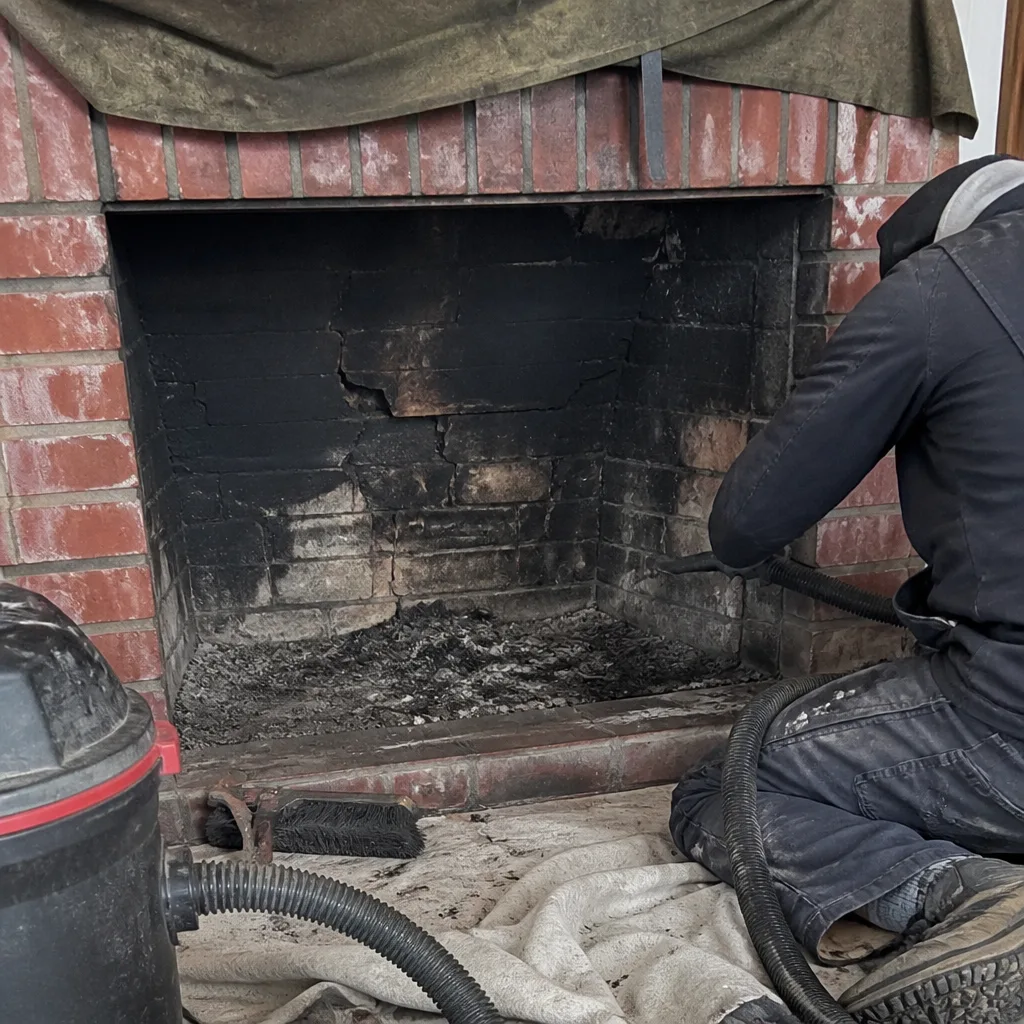
- Protection and cleanup. Drop cloths on the hearth, HEPA vacuum running during the sweep, and a stated cleanup expectation at the end.
- Any recommended repairs, itemized separately. A repair line item should never appear on the initial cleaning quote, because you haven’t yet been told what the repair is. If the contractor bundles “sweep + repair” before inspecting, you’re being sold to.
- Flat price, agreed before booking. Not an hourly rate, not a “starting at” number. A flat price for the scope you just read.
Notice what’s on that list: inspection with photos, a written report, cleanup, and a flat price. If your quote from another contractor omits the camera inspection or the report, ask why in writing. An honest specialist will tell you. A low-bid generalist will change the subject.
Equipment Questions: Why a HEPA Vacuum Matters
The single most important piece of equipment question you can ask a chimney contractor is: “What kind of vacuum do you use?” If the answer is “a shop vac,” that’s a red flag for your living room.
Chimney sweeping generates a lot of fine particulate. Creosote dust, ash, and soot are all in the mix, and the whole point of a professional sweep is that none of it ends up circulating through your house. A HEPA-rated vacuum traps particles down to a very fine level, keeping them inside the canister as the sweep works. A standard shop vac pushes them back into your air. The visible difference is the ash smell that lingers in a room for a day after a low-quality sweep.
Ask the contractor three equipment questions before booking:
- Is the vacuum HEPA-rated? Not “high-efficiency” or “filtered” – specifically HEPA-rated.
- Is the camera a chimney-specific inspection camera? Not a phone flashlight. The camera should be capable of running the full length of the flue and capturing still images.
- Are rod-and-brush tools sized to the flue? A brush that’s too small misses the corners of a square flue; one that’s too large can crack tiles.
We use professional tools precisely because the alternative shows up in your house. The hardware store doesn’t carry them.
How to Compare Quotes Correctly
Here’s the common mistake we see in chimney sweep pricing comparisons: homeowners line up three numbers and grab the middle one. That works if the three quotes cover the same scope. It doesn’t work if one is cleaning-only and the others include inspection.
Let’s break down the typical quote structures you’ll encounter in Hillsboro:
- Cleaning only. A brush-and-vacuum, no camera, no written report. The cheapest number on the table.
- Cleaning plus visual inspection. A brush-and-vacuum plus a flashlight look up the flue. Slightly higher, but no documentation.
- Cleaning plus camera inspection plus written photo report. The most thorough and typically the highest of the three. This is the professional standard, and it’s what you want to be comparing against.
If the cleaning-only quote is $89 and the full-scope quote is $250, the difference isn’t $161. It’s $161 for a camera inspection, a written report, and a documented condition baseline. The cleaning-only quote leaves you with no record of what your flue looks like today, which means the next visit has nothing to compare against. Bundled cleaning-plus-inspection is almost always the better value, because it turns a one-off sweep into a benchmark.
Ask every contractor to specify which of those three scopes their quote covers. Then compare apples to apples. A quote you can’t read is a quote you can’t trust.
Red Flags Specific to Low-Bid Chimney Companies
These are the patterns we hear about most often from homeowners who called us after the first sweep went wrong. None of them is proof of a bad contractor in isolation. Together, they’re a clear pattern.
- No camera inspection, no written report. If the contractor sweeps, hands you a bill, and leaves without showing you the inside of your flue, you have no idea what they saw. Ask for photos before and after. Any honest specialist will provide them.
- No liability insurance documentation. “We’re insured” is not a document. Ask for the COI. If they can’t produce one before the visit, don’t book.
- Cash-only, no paper trail. Not always a signal of fraud, but it means no written scope, no record, and no way to follow up if something goes wrong.
- Immediate close on a repair. A sweep who walks in the door and tells you before inspecting that you need a new liner is not inspecting. They’re selling. Repairs should follow an inspection, not precede one.
- Bundled sweep-plus-repair quotes. If the quote includes a liner replacement before anyone looked at your flue, that’s the classic upsell. They can’t have determined what your flue needs from a phone call.
- “Starting at” pricing. A real quote is a flat price for a defined scope. A starting-at price is a hook that changes once they’re on your roof.
- No local references. In a metro area this size, a specialist with a real Hillsboro presence can point to their work. An operator who can’t name a single neighborhood they work in is telling you something.
Hillsboro Climate and Your Chimney
Hillsboro sits in the Tualatin Valley, which means wet winters, mild summers, and a lot of rain over the course of a year. That specific climate has consequences for masonry chimneys that homeowners from drier parts of the country don’t see the same way.
Freeze-thaw cycles are the main event. Water gets into brick, brick joints, and the crown wash on top of the chimney, then freezes and expands. Over one winter, that’s a hairline. Over a decade, it’s spalling brick and a cracked crown. Most of the chimney repair calls in Hillsboro start with water intrusion that was visible years before it became structural, which is exactly why a written photo report matters. The photos from this year become the baseline for next year.
The other pattern is creosote behavior. Cool, damp weather means more fireplace use and often less optimal burn conditions. Wood that isn’t fully seasoned produces more creosote, and creosote builds up unevenly. A camera inspection is how you see it. A brush-and-go with no camera is a guess.
The right service cadence for Hillsboro
Chimneys swept annually during the burning season tend to stay healthier than those serviced every two or three years. If you moved into a home in Hillsboro with an unknown chimney history, treat the first visit as a baseline: sweep, camera, photo report. From there, the report tells you the next interval. We recommend sweeping before the season, not in the middle of it, so you’re starting from a clean flue.
What a Legitimate Visit Looks Like, Step by Step
If you want to know whether you’ve hired the right contractor, watch the visit. A professional sweep following a consistent process looks like this:
- Arrival, setup, and pre-inspection questions. They confirm the scope, ask about burning habits and whether you’ve noticed any issues (odor, backdraft, smoke spillage), and lay drop cloths before touching anything.
- Camera inspection first, sweep second. The camera goes up the flue before the brush. This is the difference between a sweep that documents your flue’s condition and one that just cleans it.
- HEPA-vacuumed sweep. The vacuum runs throughout. No ash cloud, no dust layer on your furniture.
- Post-sweep camera pass. A second look down the flue after the brush, so the report reflects the clean flue, not the pre-sweep state.
- Written report with photos. Delivered same visit, listing condition of flue, damper, firebox, crown, and cap.
- Recommendations, if any, discussed separately. Repairs are framed as findings, not as a close. You decide when to schedule them.
That’s the standard. If your contractor skips step two, that’s the red flag. If they skip step five, that’s a bigger one.
Where the repair scope goes next
When the report turns up a damaged tile liner, the recommendation is usually one of two paths. A full reline handles a flue that’s structurally compromised. Resurfacing handles a flue that’s structurally sound but has damaged tiles. We work with chimney repair scopes that include HeatShield resurfacing, which can save the cost of a full reline when the flue qualifies. We also install and replace DuraFlex liner systems when a full reline is genuinely needed. If a repair can safely wait, we’ll say so. If it can’t, we’ll show you why on the camera.
Common Mistakes to Avoid
- Hiring on price alone. The lowest number in the inbox is usually the narrowest scope. Compare the written scopes, not the totals, and you’ll find the apples-to-apples difference is smaller than it first appeared.
- Accepting a verbal quote. A price on the phone is not a scope. Get the scope in writing, with line items, before you book. If they won’t put it in writing, that’s your answer.
- Skipping the camera inspection to save a few dollars. The inspection is the whole point. Without it, you don’t know what was cleaned, what was missed, or what condition your flue is in. The few dollars you saved buy you nothing.
- Not asking for the COI. Liability insurance is your protection if something goes wrong. Ask for the certificate before the visit, and don’t feel awkward about it. Any professional expects the request.
- Booking a sweep for the middle of the season. Hillsboro fireplaces get heavy use in the winter. Sweep before the season starts so your flue is clean going into it, not mid-way through.
- Treating a bundled sweep-plus-repair quote as a courtesy. A contractor who’s already decided you need a liner before looking at your flue is selling, not inspecting. Repairs should follow findings, not precede them.
- Assuming every sweep knows how to fix what they find. Most sweep-only companies stop at the cleaning. If your report turns up a repair scope, ask whether the same contractor can complete it, or whether you’ll be handed off.
See the difference
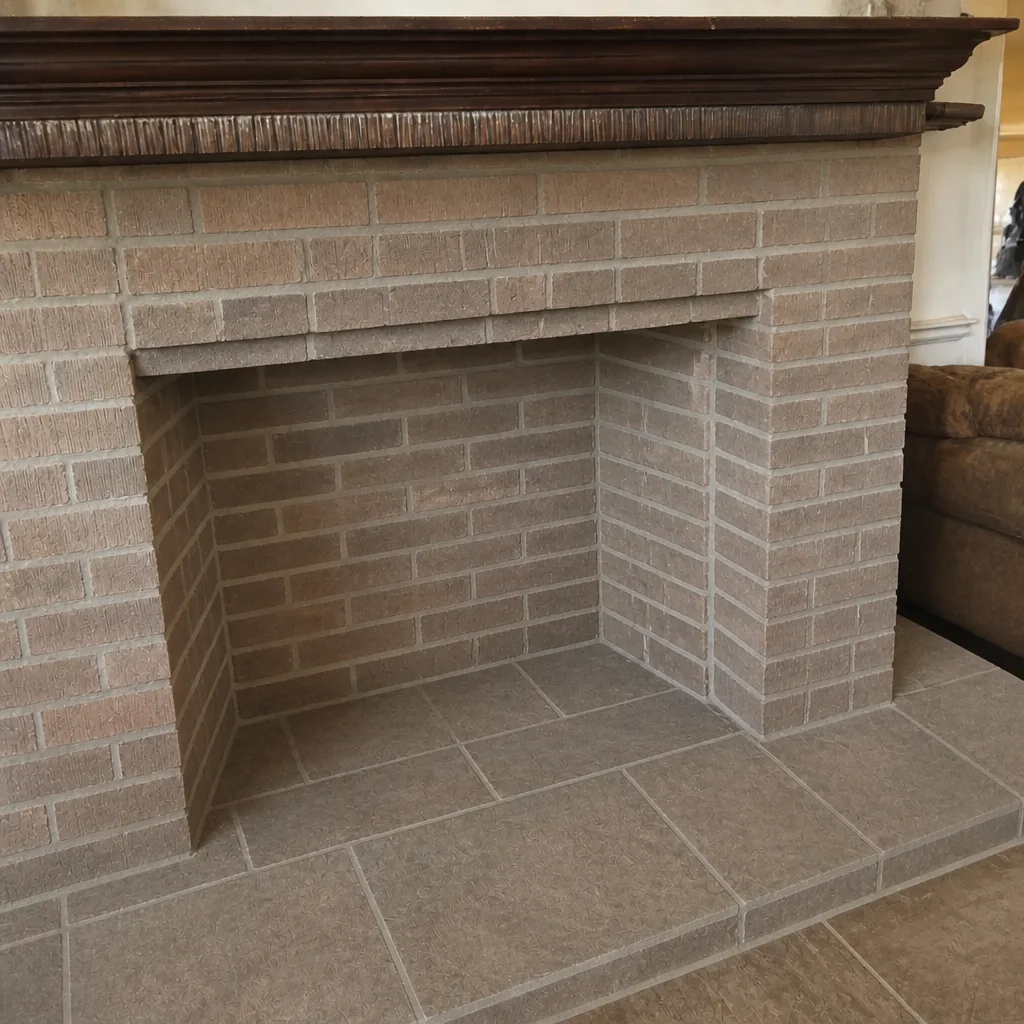
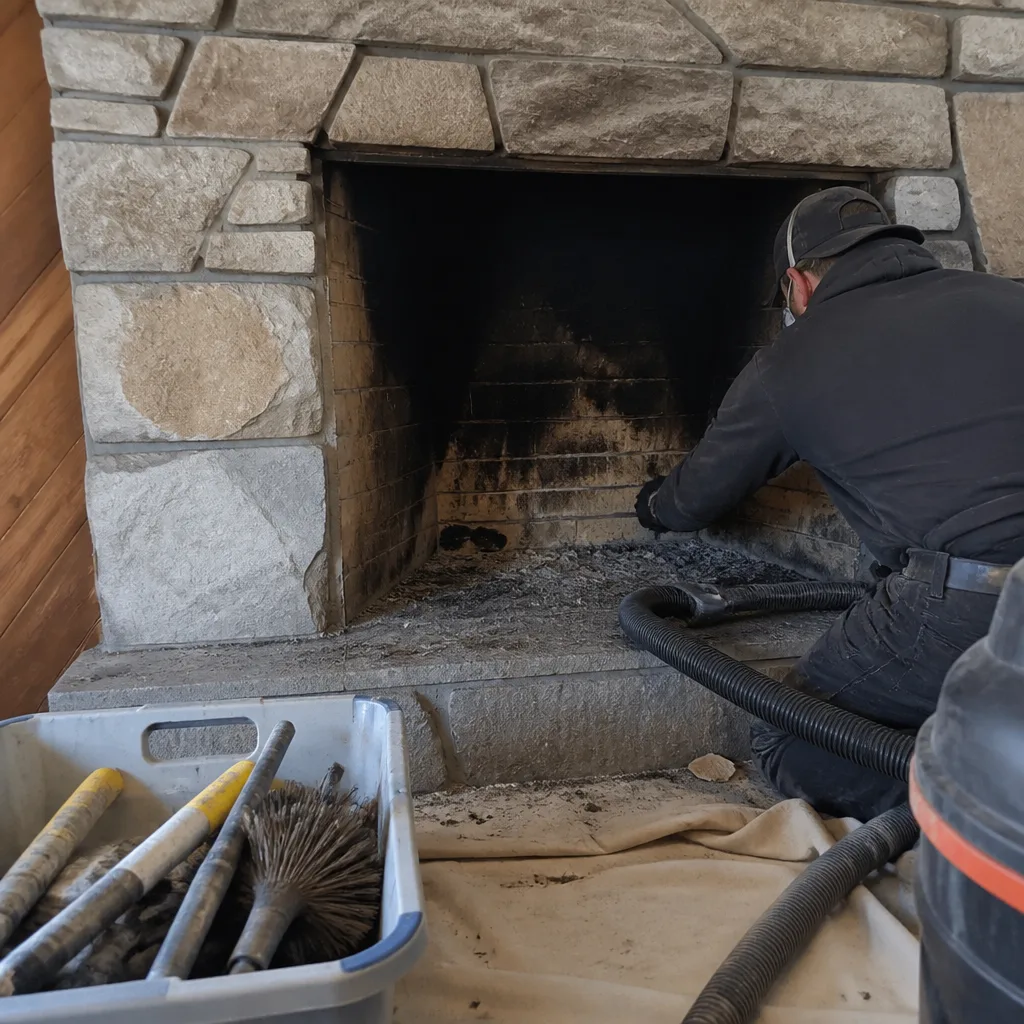 Before
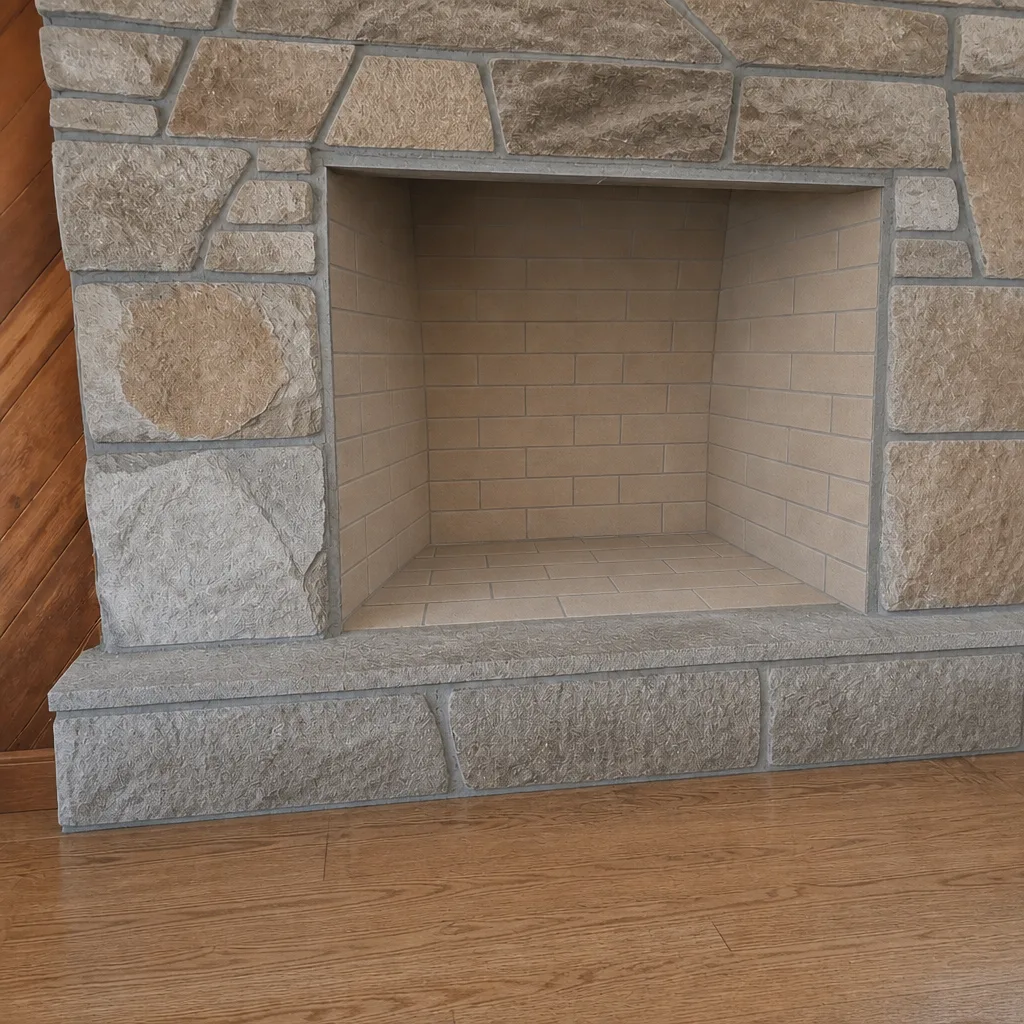 After
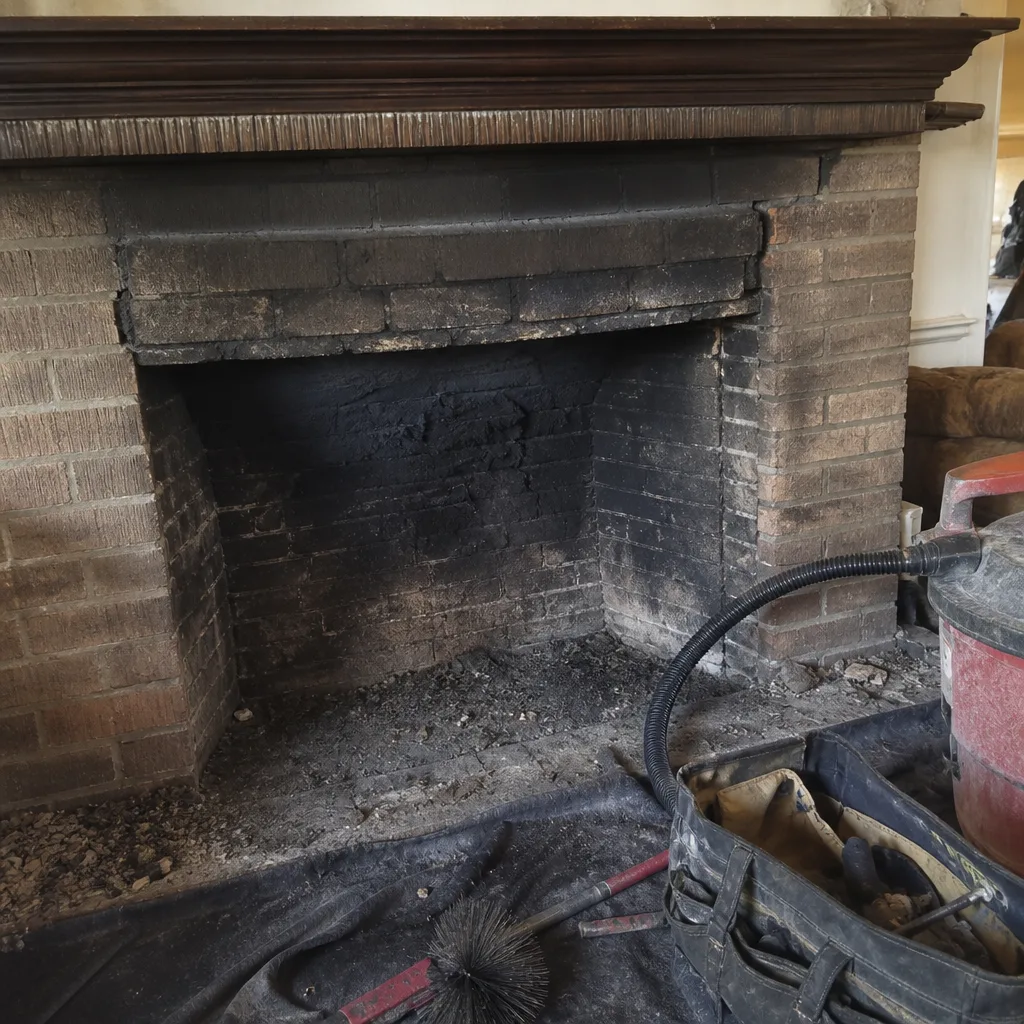 Before
 After
 Before
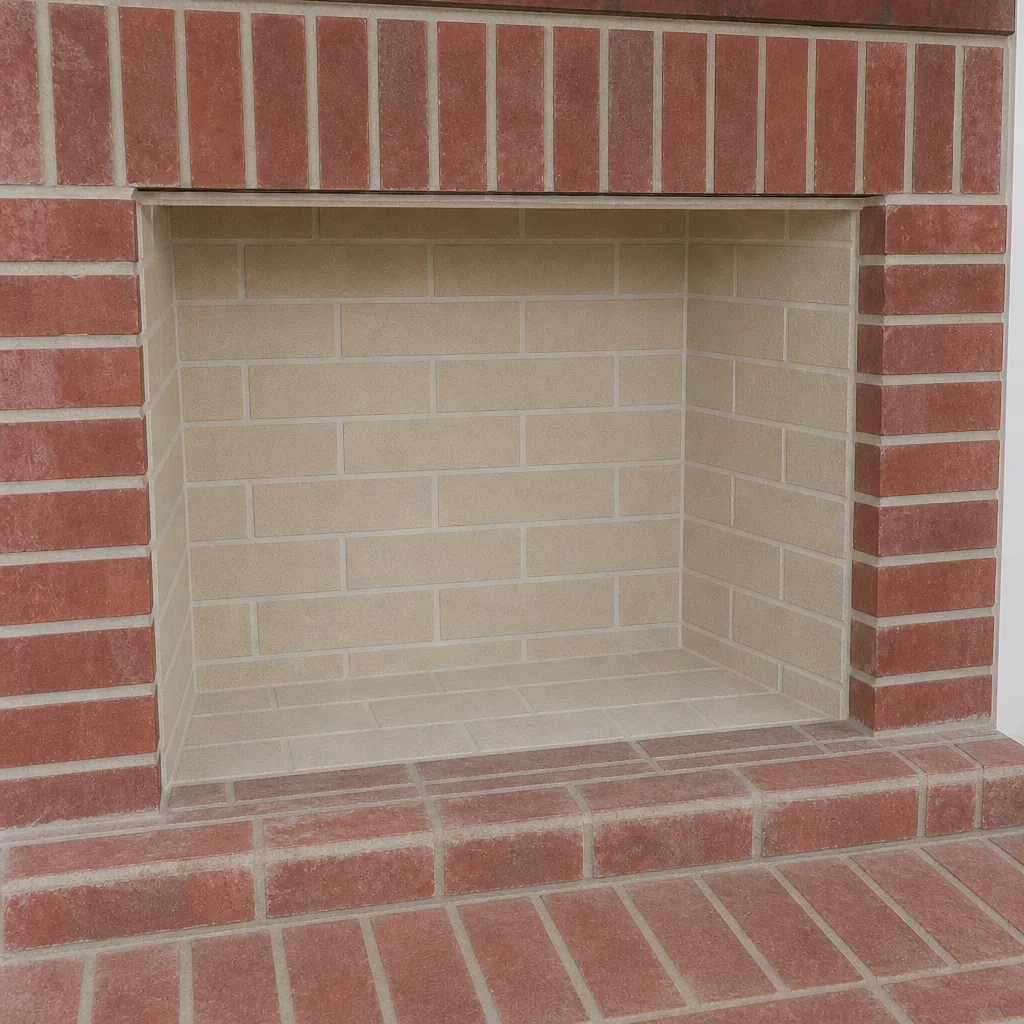 After
When to Call a Professional
Some chimney problems announce themselves and some don’t. Call a professional for any of the following: a strong smoke or creosote odor inside the room when the fireplace isn’t in use, smoke rolling into the room instead of going up the flue, a visible crack in the firebox or flue tiles, spalling brick or crumbling mortar on the chimney exterior, a chimney cap that’s lifted or missing, or a home you recently bought with an unknown service history. In Hillsboro, those unknown-history calls are the most common, and the first visit is always a baseline: sweep, inspect, report. If you’re not sure whether your situation warrants a call, it usually does. Chimney Sweep Hillsboro offers free estimates in Hillsboro – call (855) 473-8720.
Frequently Asked Questions
Typical sweep pricing in the Hillsboro area runs in three tiers: cleaning-only, cleaning plus visual inspection, and cleaning plus camera inspection with a written photo report, with the full-scope service as the professional standard. Because pricing is per job, the written estimate sets the final price. The number itself is less important than which scope the quote covers – ask before you compare. Call (855) 473-8720 for an exact quote, and estimates are free.
Oregon doesn’t require chimney sweep certification, so the state won’t vouch for a contractor for you. That’s exactly why the CSIA and NFI credentials matter: they’re the only outside verification available. Ask for both, and ask which NFI certification matches your appliance (gas or wood). A contractor who can back up their certifications is one to consider; one who can’t is one to skip. Call (855) 473-8720 to talk through what your specific chimney needs.
A camera inspection is how you see what the brush can’t. Creosote buildup, cracked tiles, and damage to the flue lining are all things a visual sweep-and-go can miss, and all things you want a photo record of before the next visit. The camera is also your protection against unnecessary repairs: if a contractor recommends a liner, the photos are how you verify the recommendation. Nothing we recommend goes forward without camera evidence you can see. Call (855) 473-8720 for a scope that includes inspection.
Annual sweeping during the burning season is the general standard in the Pacific Northwest climate, because the wet, cool winters mean heavy fireplace use and less-than-ideal burn conditions. Your specific interval depends on your appliance and how you burn – a wood insert with seasoned fuel is different from an open hearth burning green wood. Your written report will tell you when to come back. Call (855) 473-8720 to book a baseline visit.
A sweep cleans and inspects; a repair company fixes what the inspection turns up. Many sweep-only companies stop at cleaning and hand you a phone number when a repair is needed. We handle all three: sweep, inspection, and repair, from the same specialist, so your flue’s report and its repair are handled by the same people who documented the problem. Call (855) 473-8720 if your report turned up a repair scope.
Skipping a sweep means creosote buildup continues unchecked, and creosote is the fuel for a chimney fire. It also means the camera passes you didn’t book are the ones that would have caught a cracked tile or a damaged crown before it spread. The risk isn’t hypothetical – it’s the reason the trade recommends annual visits. If it’s been more than a year, book the baseline. Call (855) 473-8720 to schedule.
The Bottom Line
Hiring a chimney contractor in Hillsboro comes down to four things: CSIA certification, matching NFI certification, documented liability insurance, and a written scope that includes camera inspection and a photo report. Price is the fifth variable, not the first. Get the scope in writing, ask the equipment questions (HEPA vacuum, camera, correctly sized brush), compare like-for-like, and treat the inspection as the point of the visit rather than an add-on. If a contractor can’t produce the credentials or the scope, that’s your answer. If they can, you’ve found a specialist. Either way, ask the questions before you book, not after.
For more on how we structure a visit, see our Chimney Sweep Hillsboro page, or call (855) 473-8720 for a free estimate. We answer 24/7. Fast dispatch from 7am to 7pm, Sunday through Friday. Ready to book? Our technicians have up to experience and work with professional-grade materials from HeatShield, DuraFlex, Gelco, and Olympia Chimney – not what’s on the shelf at the hardware store. Sweep, inspect, and repair handled by the same specialist, start to finish.
Written by the team at Chimney Sweep Hillsboro.