
Last updated November 16, 2026
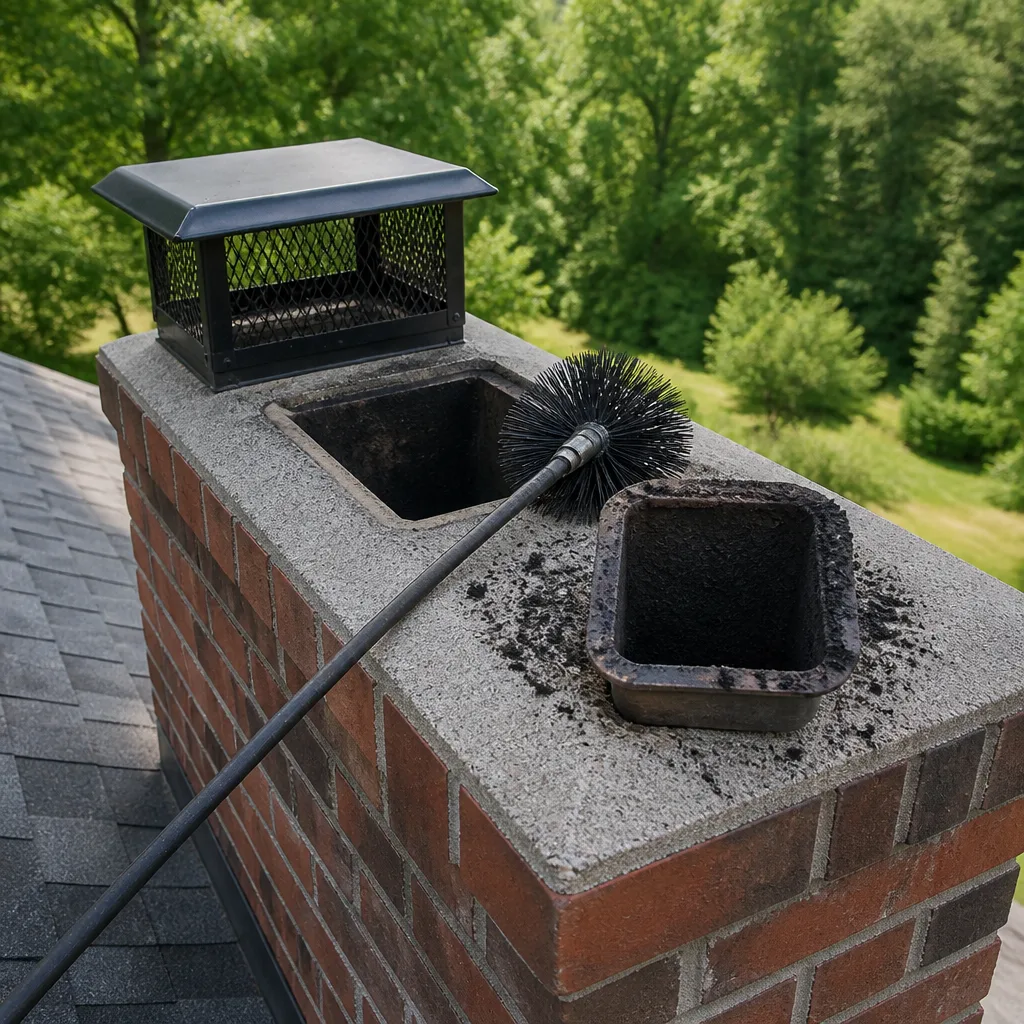 Sweep & inspection
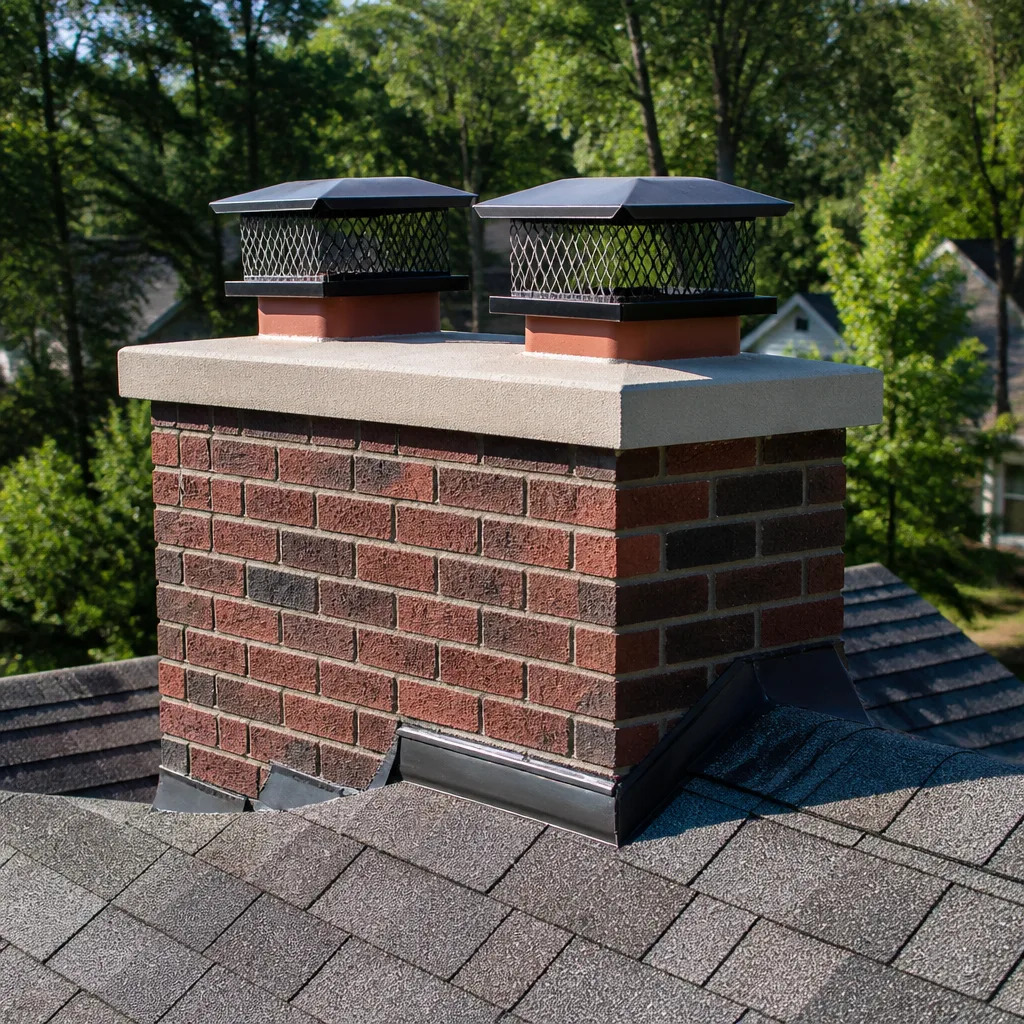 Caps & crowns
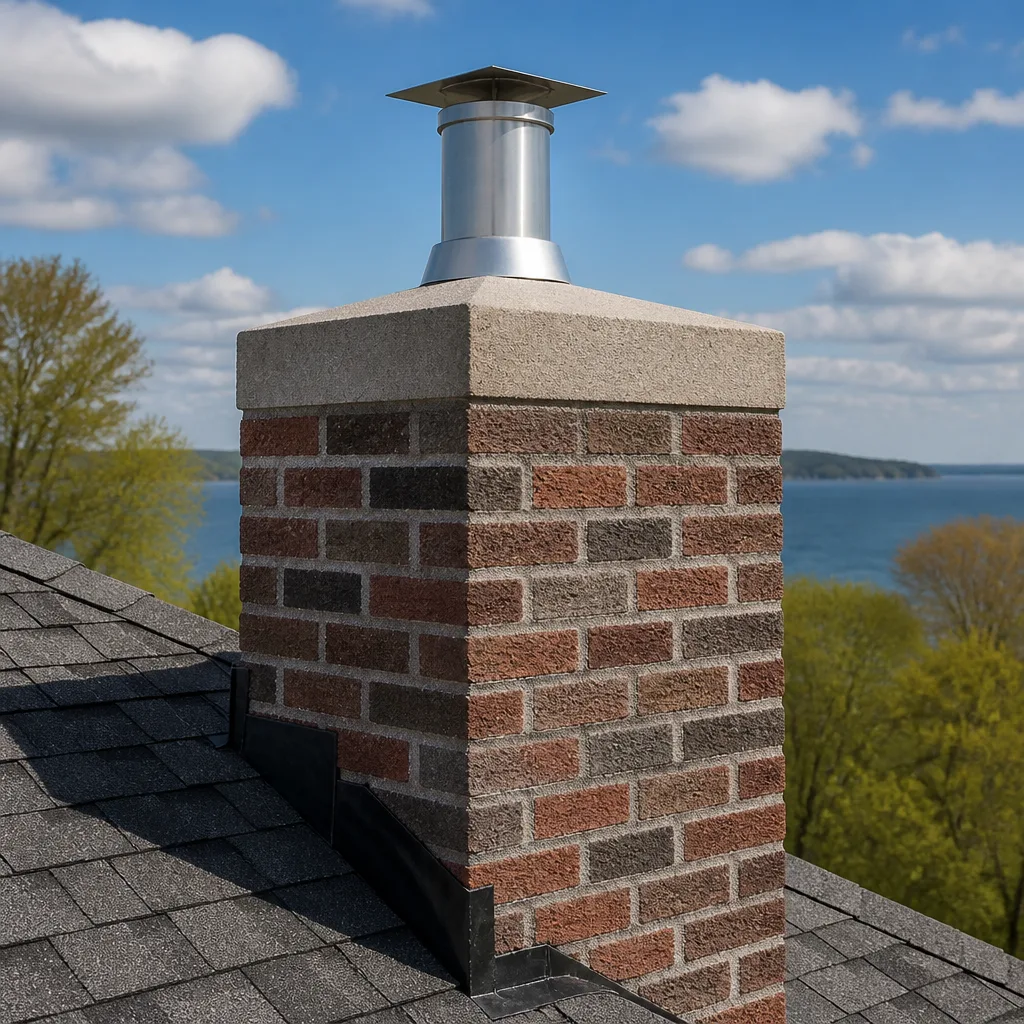 Flue relining
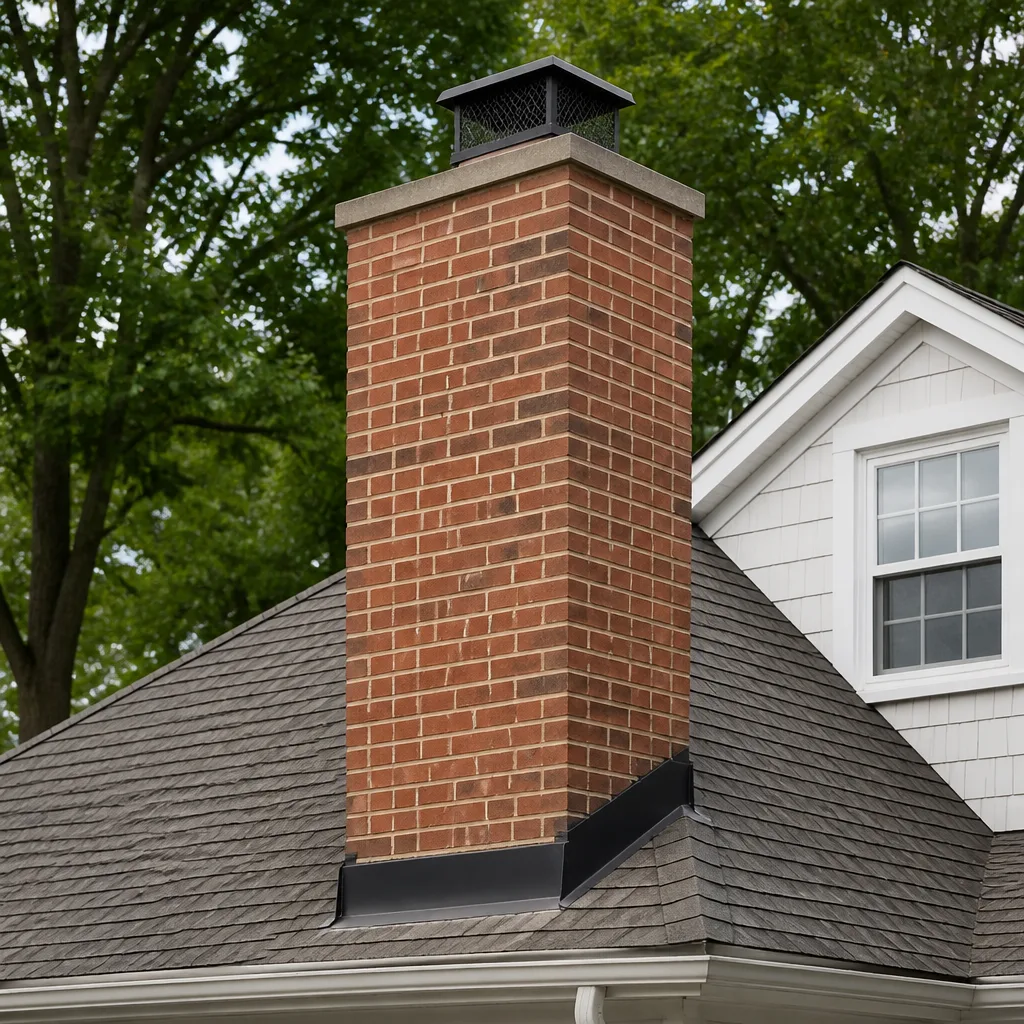 Masonry repair
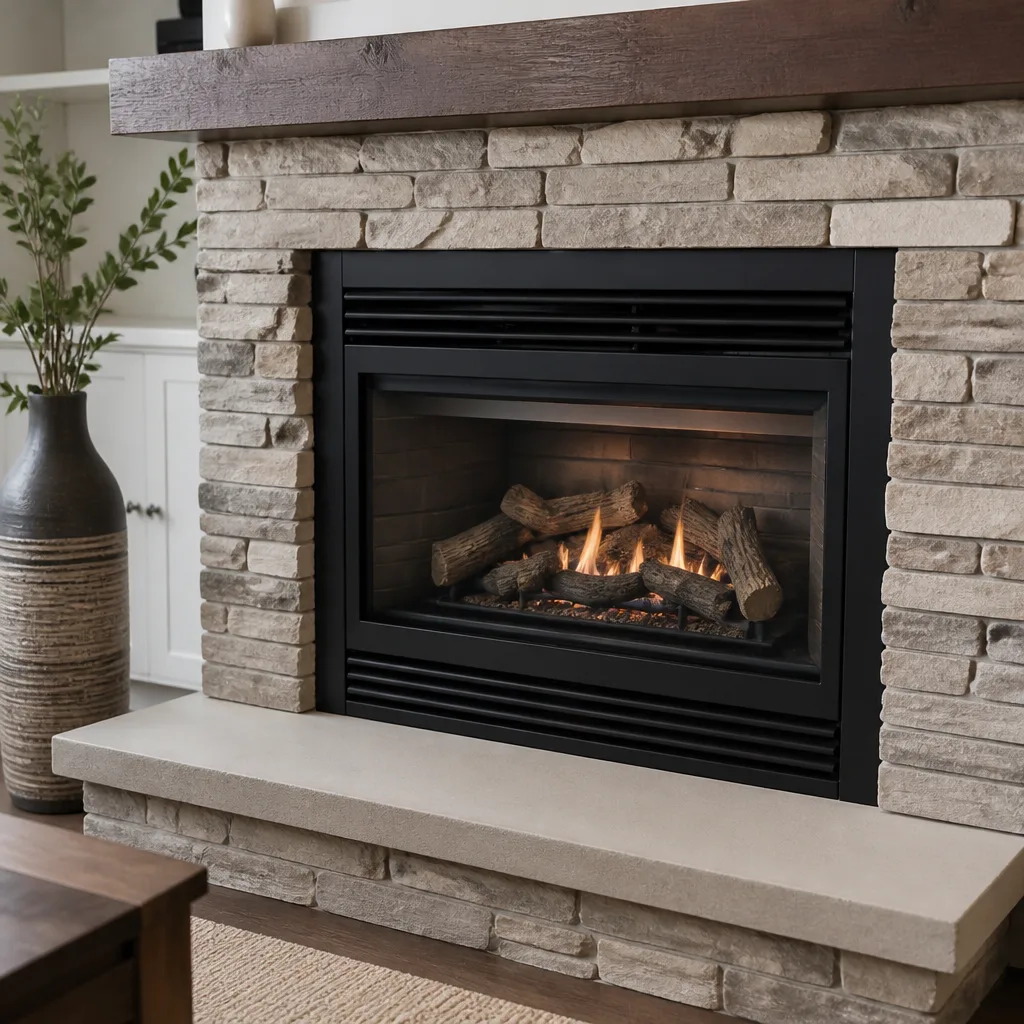 Gas fireplace service
Level 1 sweep and inspection to the NFPA 211 annual standard - flue, crown, cap, and flashing checked and photographed
Chimney sweep logs do not sweep chimneys. They loosen some creosote - which then falls where a brush and vacuum still have to collect it.
Chimney Cleaning Emergency Preparedness Guide for Hillsboro Homes
Most homeowners think chimney emergencies announce themselves with flames shooting out of the roof. They usually don’t. A chimney fire often sounds like a low roar, a rattle, or a train running through the attic, and the person standing in the living room may hear nothing at all. That gap between what people expect and what actually happens is where households get caught flat-footed. This guide walks through how to recognize a chimney fire in progress, what to do in the first sixty seconds, how to prepare for a carbon monoxide event, and how to build a simple emergency card your whole household can find in the dark. It’s written for Hillsboro homes because our wood-burning season is long and our damp winters keep fireplaces in heavy use.
Quick Answer
If you suspect a chimney fire, close the damper, get everyone out of the house, and call 911. Do not use the fireplace again until a certified professional completes a Level 2 inspection. For carbon monoxide, get fresh air immediately and call 911 if anyone shows symptoms. Preparedness means having those steps written down before you need them, plus a current inspection so you’re not starting from an unknown.
Styles & brands we work with
- Sweep & inspection
- Caps & crowns
- Flue relining
- Masonry repair
- Gas fireplace service
Table of Contents
- How Do You Recognize a Chimney Fire While It’s Happening?
- What Are the Exact Immediate Steps During a Chimney Fire?
- What Happens After the Fire Department Leaves?
- How Do You Prepare for Carbon Monoxide Risks in a Chimney System?
- How Do You Build a Chimney Emergency Card?
- What Preventive Steps Reduce Emergency Risk Before Winter?
- What Should You Do If You Just Bought a Home With Unknown Chimney History?
- Common Mistakes to Avoid
- When to Call a Professional
- Frequently Asked Questions
- The Bottom Line
How Do You Recognize a Chimney Fire While It’s Happening?
A chimney fire is a fire burning inside the flue itself, fueled by creosote that has built up on the walls of the chimney. Because the fire is contained inside the flue, you often can’t see it from the living room. What you notice instead is sound and behavior. In our experience, homeowners who’ve lived through one describe it as a distant rumble, a crackling that doesn’t stop, or a low roar like a freight train passing overhead. Some compare it to a hailstorm on the roof, except there’s no hail.
Watch for these signals.
- Sound: A loud popping, roaring, or rumbling noise from the chimney or rooftop that continues past the point where a normal fire would have settled down.
- Smoke behavior: Dense smoke pouring back into the room, or smoke that doesn’t draft up the way it normally does.
- Temperature spikes: The firebox or the wall behind it feels unusually hot, and the fireplace glass or doors may be too hot to touch safely.
- Visual cues from the roof: Sparks or flames visible at the chimney top, or thick dark smoke that won’t thin out.
- Pungent black smoke: Creosote burns lighter and brighter than wood does, and the smoke has a sharp, tar-like smell.
A fire burning inside a chimney can also pull air from the house in a way that makes the room feel like it’s being sucked toward the fireplace. If you notice that plus any other sign, treat it as real. If you don’t know what you’re looking at, call 911 anyway. The fire department would much rather find a smoldering creosote deposit than a house fire that started thirty minutes earlier. In Hillsboro, Washington County fire crews respond from multiple stations, so getting the call in early matters. Learn more about how we approach Chimney Sweep Hillsboro prevention work if you’ve never had your flue assessed.
What Are the Exact Immediate Steps During a Chimney Fire?
The first three steps happen fast, and the order matters. Closing the damper first cuts the oxygen supply to the fire inside the flue, which can slow its growth while you get everyone out and call for help. It also prevents smoke from pouring into the living space. Some chimney fire guidance says never close the damper because it traps heat, but the practical trade-off between starving the fire of oxygen and letting smoke fill a room is clear: close the damper and go.
Here’s the sequence.
- Close the damper. If the handle is too hot or the firebox is too dangerous to approach, skip it and move on. Your safety comes before property.
- Get everyone out of the house. No grabbing belongings, no attempts to move the firewood. Kids, pets, and any adults out the door, then stay out.
- Call 911. Tell them you have a suspected chimney fire and give the full address. Add any details you noticed: sounds, smoke, whether flames are visible.
- Do not go back inside while the fire might still be burning. If a wall feels hot from the outside, mention this to the dispatcher so crews can plan.
- Open a window on the way out only if you can do it in one motion without lingering. Smoke makes rooms uninhabitable faster than people expect.
- Wait for the fire department. Even if the noise stops, the flue can stay dangerously hot for hours, and a smoldering fire can flare back up when oxygen returns.
The one thing to resist is minimizing. A chimney fire that self-extinguishes is still a fire that happened inside a flue, and the flue may now have cracks, warped tiles, or sections where the creosote burnt away and left damage. Fire crews won’t clear you to use the fireplace again; that decision belongs to the chimney professional who inspects it afterward.
What Happens After the Fire Department Leaves?
Once crews have left and the chimney has cooled completely – usually the next day, sometimes longer – the fireplace needs a Level 2 inspection before you use it. A Level 2 inspection includes a camera run through the entire flue, top to bottom. It’s the difference between knowing your flue is intact and hoping it is.
Here’s what that inspection looks for.
- Flue tile damage: Cracks, spalling, and separated joints where venting can leak through the chimney wall into the house.
- Creosote regrowth: Fresh glazed creosote that formed during the fire, which is harder to remove and more flammable than what was there before.
- Liner gaps or failure: A stainless liner that warped or separated at a joint. DuraFlex liner systems are often what we install when an existing liner fails or when a damaged flue needs rebuilding from the inside. DuraFlex is one of the professional-grade lines we work with, and it’s rated for the heat chimneys actually see after an event like this.
- Chimney structure: Masonry cracks, mortar joint failure, and any warping of the cap or crown. We source caps and components from Gelco and Famco where an original cap no longer fits or seals properly.
- HeatShield assessment: If the flue is structurally sound but the tile surface is roughened or has hairline cracks, HeatShield chimney resurfacing can restore it without the cost of a full reline. We’re certified to apply HeatShield and will tell you honestly whether it’s the right choice or whether your chimney actually needs a new liner.
After a fire event, ask for the camera footage and the written report before you schedule any repairs. Our chimney sweep and inspection visit includes a camera inspection and a report you can read on your own. If structural damage is confirmed, the chimney repair work is the next conversation, and we’ll walk you through it line by line.
How Do You Prepare for Carbon Monoxide Risks in a Chimney System?
A chimney that vents poorly doesn’t always announce itself as smoke. Sometimes the byproduct is carbon monoxide, which is invisible and has no smell. That means preparation comes down to detector placement and knowing what a blockage scenario looks like before it happens.
Place a carbon monoxide detector in each sleeping area and at least one on every level of the home. For the chimney specifically, a detector in the same room as the firebox gives you the earliest warning if a flue is backdrafting or blocked, but a detector directly next to the fireplace can sit in the draft path and read inconsistently. In our experience, the practical spot is in the room adjoining the fireplace, at eye height, and away from ceiling fans or supply vents.
A blockage scenario usually builds slowly, and the pattern is worth recognizing.
- Cold-start smoke: You light a fire and smoke rolls out of the firebox instead of drafting up. It may clear in a few minutes once the chimney warms, or it may not.
- Draft reversal: The fire burns but the room feels smoky, or the glass doors blacken faster than usual. This is often a chimney that’s cooler than the surrounding air, or a flue that’s partly blocked.
- Lingering smell after the fire is out: Persistent smoky odor the next morning can indicate a clogged cap, a bird nest, or a flue tile that failed at a joint.
- Detector alarm: If your CO detector sounds, get everyone outside to fresh air first, then call 911. Don’t try to find the source before you’ve moved people out of the house.
In Hillsboro, houses sit in a shoulder-season climate where a fire might burn in October and then sit idle until December, which lets creosote flake and nests build up between uses. An annual inspection catches a blockage before your first burn of the year. If you’ve moved into a home in the Hillsboro area with unknown chimney history, an inspection is the first step, not the last.
How Do You Build a Chimney Emergency Card?
An emergency card is one index card, taped inside a kitchen cabinet or kept in a drawer near the fireplace, that has the three things anyone in the house might need if a chimney emergency happens. It works because it removes the need to think under pressure.
Write these things down.
- 911 at the top. That’s the first call for any active chimney fire or any CO alarm.
- Our number: (855) 473-8720. We answer 24/7 for inspection and repair after a fire event and for routine sweeps.
- The Washington County fire non-emergency line. Find the current number on your utility bill insert or the county website and write it down. Use this for follow-up questions, permit checks, and anything that doesn’t need light and sirens.
- Your chimney professional’s name and callback info. If you don’t have one, ours.
- Emergency contacts: A neighbor who has a key, a relative who can pick up kids, and the number for your homeowner’s insurance agent.
Then add three pieces of information that only you have. The age of your fireplace or liner, if you know it. The date of your most recent sweep. And any prior repair history – a liner that was relined at some point, a cap that was replaced, a flue that had an earlier inspection. If a homeowner calls us after a fire and can say “this chimney has a stainless liner from about five years ago,” that helps our technician know what they’re looking at before arrival. Write it down while the house is calm. Fill in this card, tape it up, and walk through it with anyone who lives in the house or visits often.
What Preventive Steps Reduce Emergency Risk Before Winter?
The best emergency response is avoiding one. In Hillsboro, chimney risk builds season by season. Wet wood, slow-starting fires, and long burning seasons all contribute to creosote accumulation, and creosote is what fuels a chimney fire in the first place. Here’s what reduces your risk before the first cold snap.
- Schedule an annual inspection and sweep. A certified sweep removes creosote and inspects the flue at the same time. If you burn wood regularly, book it once a year, ideally before the burning season starts. If you’ve never had one, the first visit is the most valuable.
- Burn dry, seasoned firewood. Wet wood creates more smoke and more creosote. If you season wood at home, cover it, stack it off the ground, and give it a full dry season before burning.
- Don’t burn paper, cardboard, or trash. These produce hot, fast-burning flare-ups and leave sticky deposits that fuel fires more easily than clean-burning wood does.
- Watch for the warning signs during burns. Smoke in the room, a fire that won’t draft, or a chimney that sounds like it’s popping when a fire dies down all deserve an inspection callback.
- Keep a working CO detector on every level. Test the batteries each season.
- Note your roof’s condition. A cap that’s loose or a crown that’s cracked lets water into the flue, and wet masonry deteriorates faster than dry masonry.
The right time to check is now, before the burning season. There’s no fee for an estimate, and the inspection itself tells you what you actually need rather than what a salesperson thinks you need. If your chimney hasn’t been serviced in over a year, that’s the first thing to fix.
What Should You Do If You Just Bought a Home With Unknown Chimney History?
Bought a home with a fireplace and no service records? Don’t light a fire until it’s been inspected. That’s the short answer and it’s the one most new homeowners don’t want to hear, because they close in the fall and want a fire that first weekend.
Here’s the order we recommend.
- Get a Level 2 inspection first. Full camera inspection of the flue, plus the firebox, damper, crown, cap, and visible masonry. This catches problems the seller’s disclosure wouldn’t have surfaced even if it tried.
- Read the report carefully. You should see camera stills of the flue and an explanation of anything flagged. If your report is a single page with a “recommended” line item, ask for more. We don’t recommend anything without camera evidence you can look at yourself.
- Prioritize safety items over aesthetics. A warped damper, a missing cap, or a cracked flue tile is a safety issue. A dirty brick face isn’t.
- Know your timeline. A flue that needs resurfacing or a new liner is a real job, but if the flue is intact and only needs sweeping, that’s a same-day job in most cases. We won’t tell you that work can wait when it can’t, but we will tell you when it can.
Homes in Hillsboro range from older bungalows to newer construction with pre-fab fireplace inserts, and the inspection approaches differ slightly depending on what’s there. A fireplace that was rarely used by the previous owner is often the one that needs the most attention, because unused chimneys collect debris without anyone noticing.
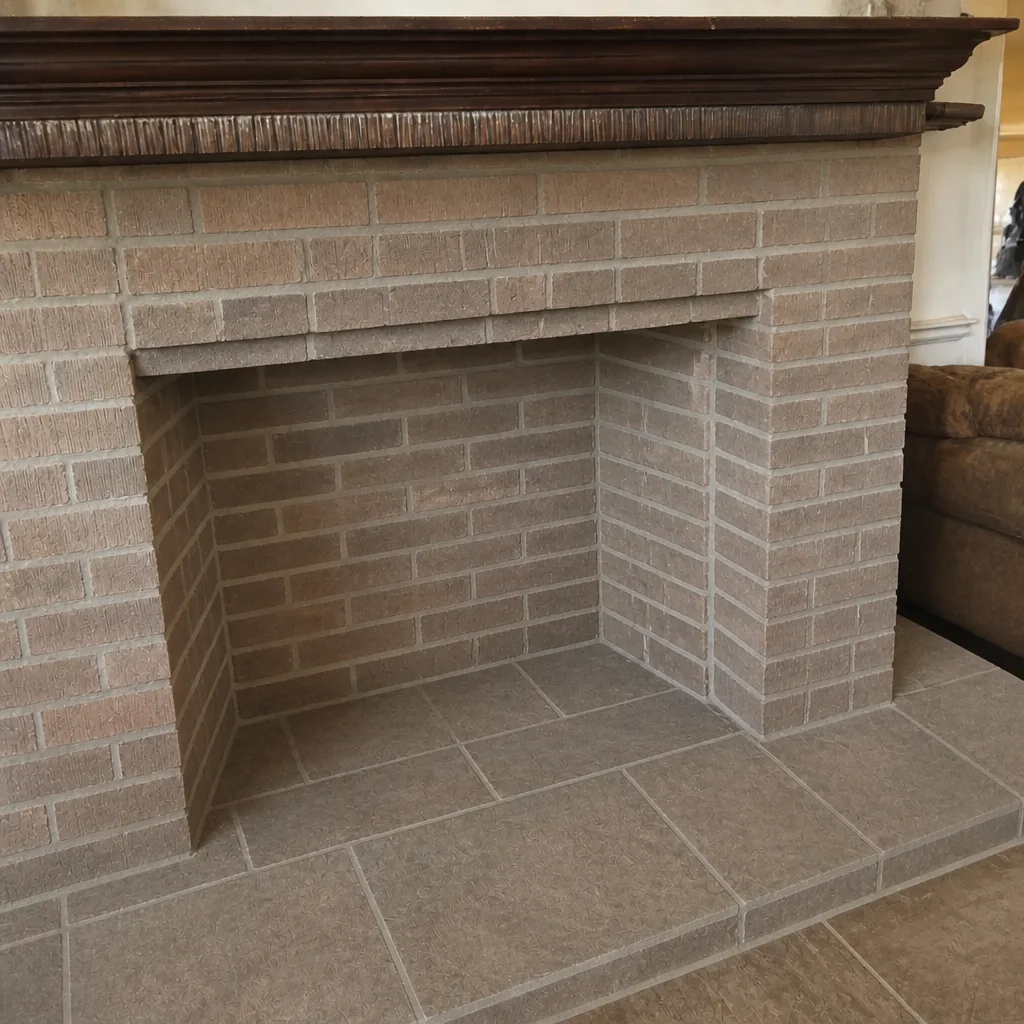
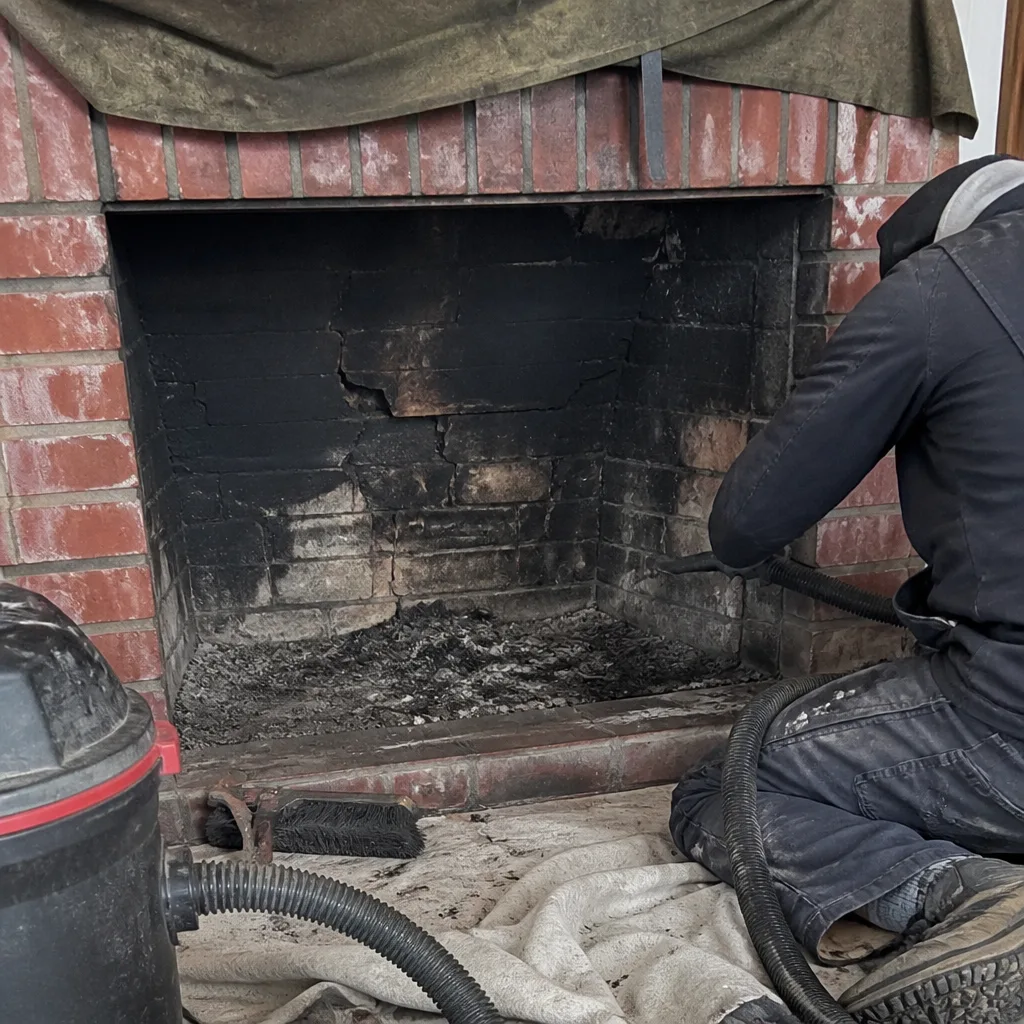
See the difference
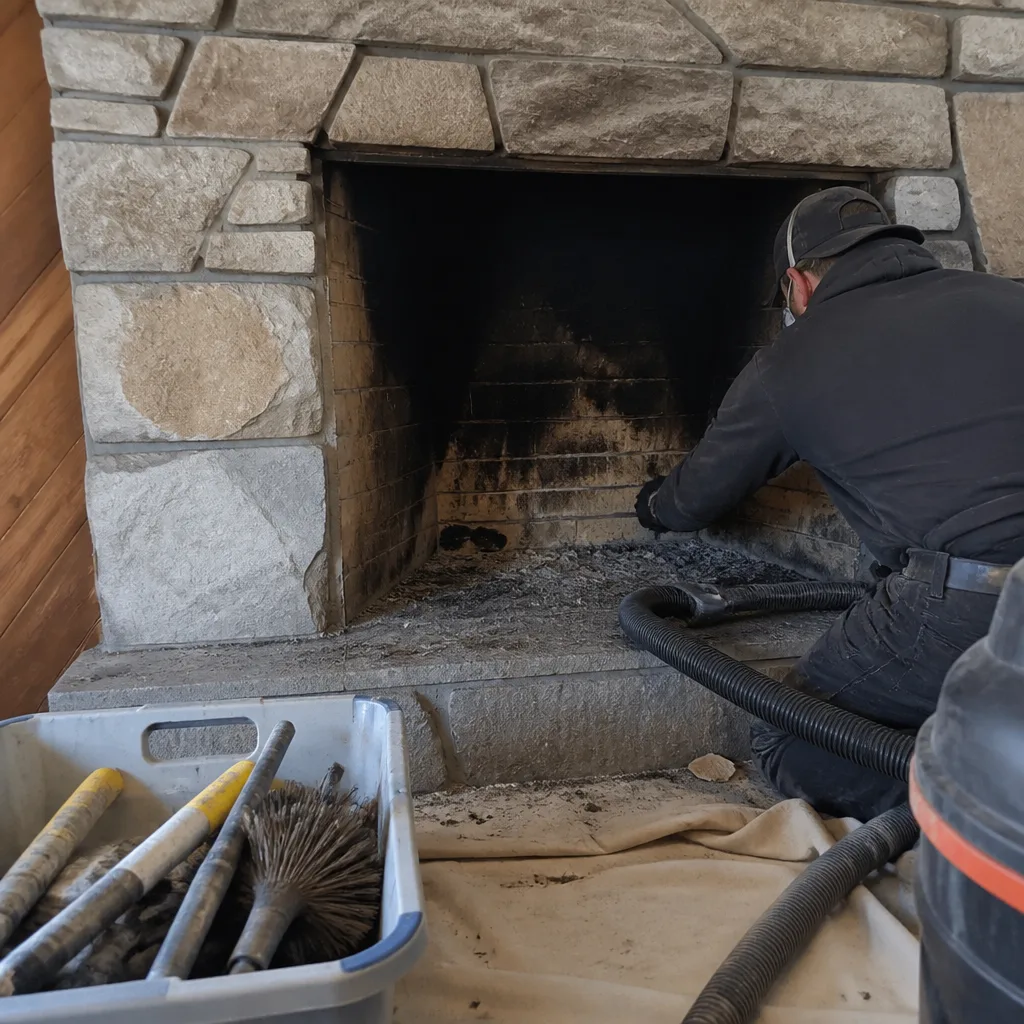 Before
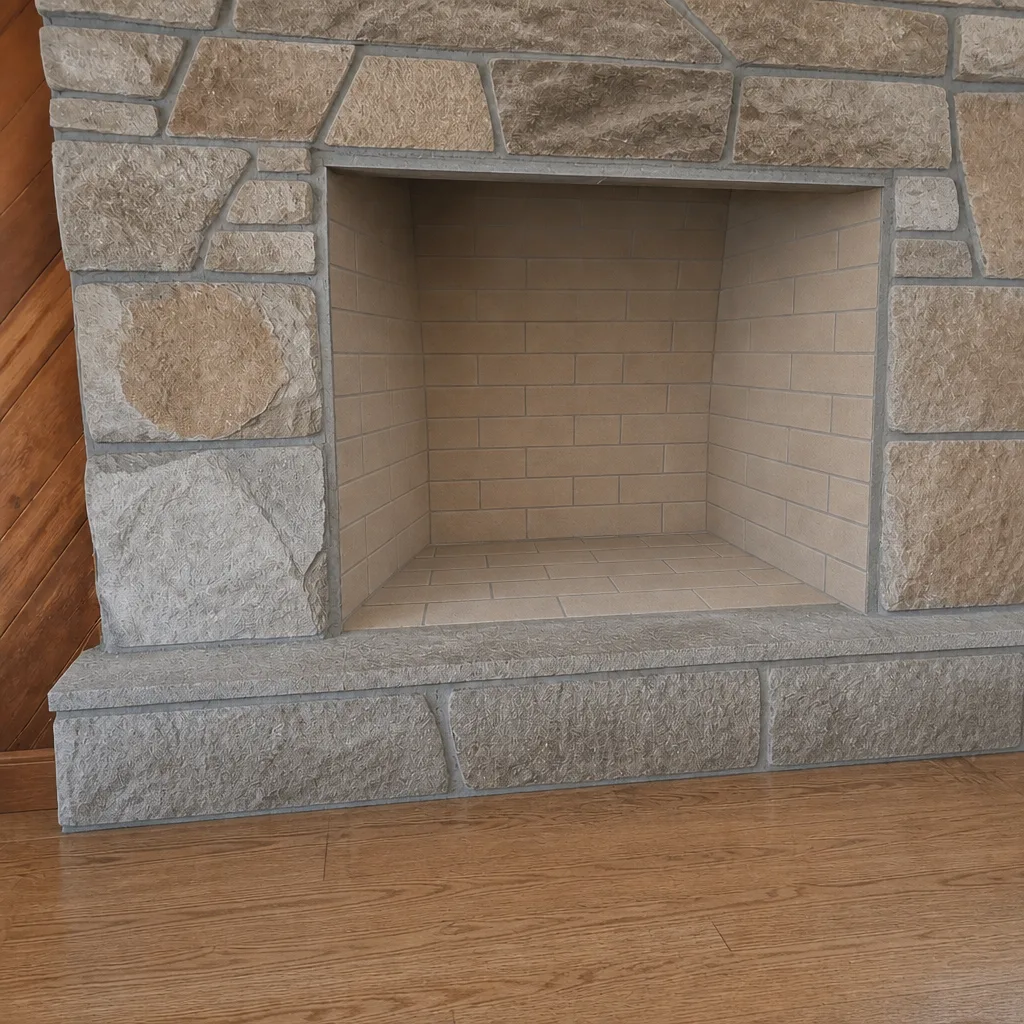 After
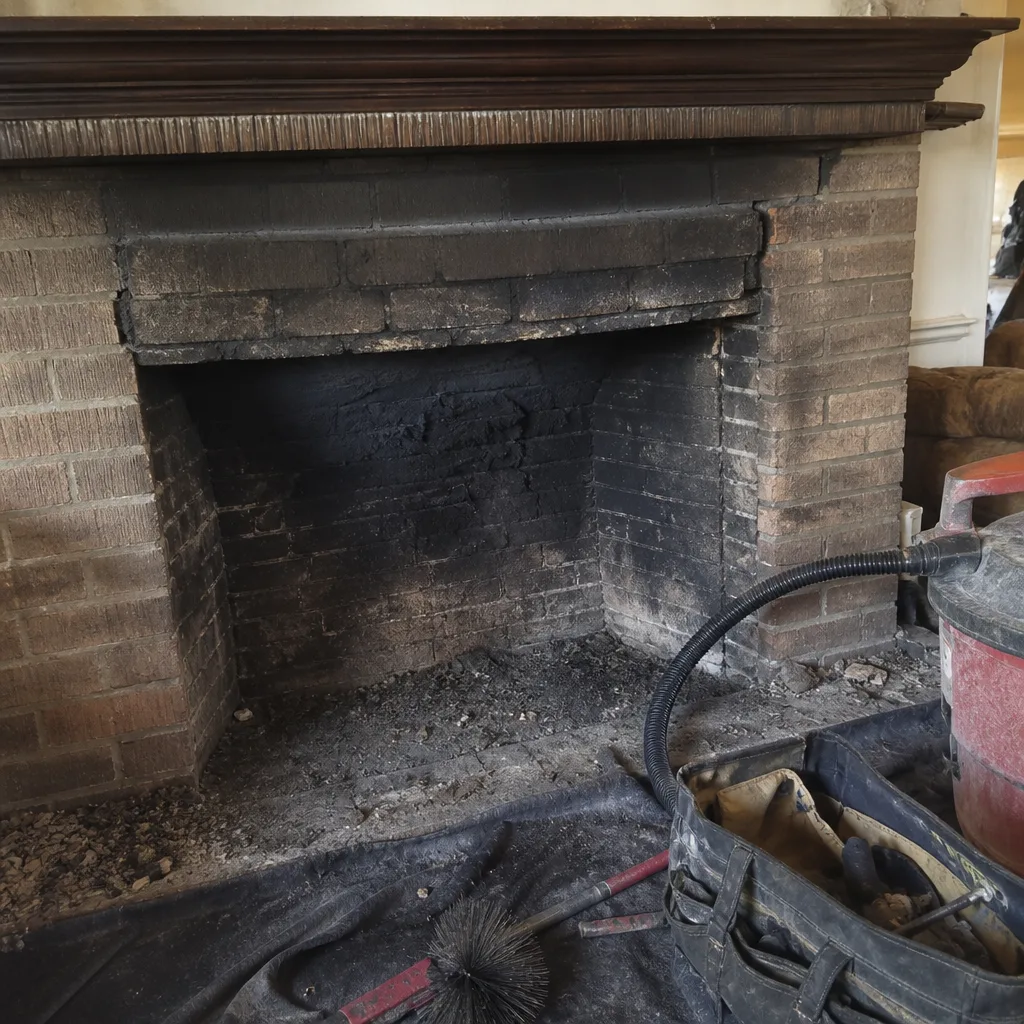 Before
 After
 Before
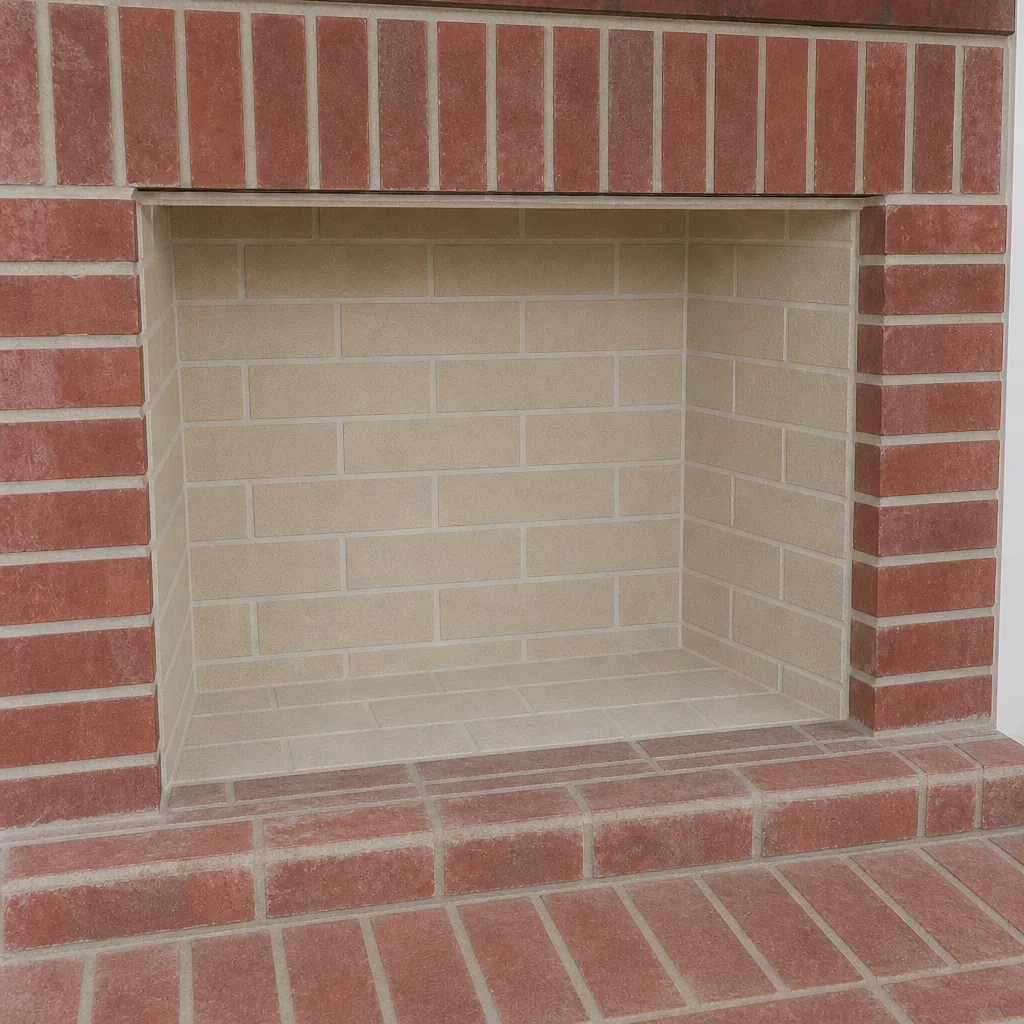 After
Common Mistakes to Avoid
- Treating a chimney fire as “self-extinguishing.” Even after the noise stops, the flue can stay hot enough to reignite, and the damage doesn’t go away on its own. Wait for the fire department to clear the scene, then book an inspection before you burn again.
- Using the fireplace before the Level 2 inspection is done. It’s tempting to assume small fires won’t matter. They do, in a flue that just took heat damage.
- Relying on smoke smell to indicate CO. It doesn’t work. Carbon monoxide has no odor, which is why the detector is the only signal that matters.
- Placing a CO detector directly in the draft path of the fireplace. It can read inconsistently or alarm when nothing’s wrong. The adjoining room, at eye level, is the spot.
- Skipping the sweep because “the chimney was cleaned before we bought it.” A cleaning you didn’t see and can’t document is not a cleaning. Ask for the inspection report from whoever did it, or schedule one.
- Burning wet wood or trash to get a fire going. It’s the fastest way to build up the creosote that fuels a chimney fire, and it’s a common reason we get called the same season the buildup happens.
- Calling a general handyman for chimney work. Chimney systems have their own standards, and specialists carry the right materials. Caps and components from Copperfield and similar professional suppliers are part of the work, not whatever’s on the shelf at the hardware store.
When to Call a Professional
Call a professional immediately after any suspected chimney fire, and don’t use the fireplace until you have. Call if your CO detector alarms and you can’t find an obvious source elsewhere, if smoke rolls into the room when you light a fire, or if you see visible damage to the chimney crown, cap, or tile above the roofline. Book an inspection if you’ve just bought the house, if it’s been more than a year since the last sweep, or if your flue has never been scoped. For wood-burning fireplaces that see regular use, an annual sweep and inspection is the routine that prevents most of what this guide covers.
Chimney Sweep Hillsboro offers free estimates in Hillsboro. Call (855) 473-8720. We answer 24/7. Fast dispatch from 7am to 7pm, Sunday through Friday.
Frequently Asked Questions
A chimney sweep in Hillsboro typically runs $150 to $350 depending on whether it’s a standard sweep or a sweep plus a Level 2 camera inspection, and whether the flue needs any repair work. Liner replacement or HeatShield resurfacing is priced separately, and the written estimate sets the final number. Call (855) 473-8720 for an exact quote. Estimates are free.
Sometimes yes, sometimes no, and the honest answer is that you need to see the evidence. A damaged flue that’s structurally sound may only need HeatShield resurfacing, which restores the tile surface without a full reline. A cracked or separated liner that can’t hold its seal needs a new liner, and we use DuraFlex where that’s the case. We won’t recommend either until the camera inspection shows which one your flue actually needs.
Once a year for anyone burning wood regularly, and once a year for gas fireplaces too, because gas still produces byproducts worth checking. If you burn only occasionally, an annual inspection still makes sense: it catches blockages and cracks that don’t depend on how much you burn. In the Hillsboro climate, the shoulder seasons matter, so a pre-season appointment beats waiting for a problem.
Creosote builds up on the flue walls and fuel accumulates where a chimney fire can start. Blockages from bird nests, leaf debris, or fallen tile can also backdraft combustion gases into the living space. Neither outcome is dramatic at first, which is the problem: it builds quietly until it doesn’t. Call (855) 473-8720 to schedule a sweep and get back on a yearly rhythm.
Yes, once the fire department has cleared the scene, and assuming your CO detectors are working. What you can’t do is use the fireplace again until a Level 2 inspection is done. The fire department extinguishes the fire; the inspection determines whether the flue is safe to use. Those are different calls, and only a chimney professional can make the second one.
Check your CO detectors first, then look at the firebox and damper for any visible warping or debris, and confirm nothing has nested in the flue during the off season. If you can see the chimney cap from the ground, check that it’s intact. Beyond those visual checks, the value is in a professional sweep and inspection, which confirms what you can’t see from the living room. Call (855) 473-8720 for a free estimate.
The Bottom Line
Chimney emergencies are rare, but the households that come through them safely are the ones that already knew the steps. Close the damper, get out, call 911. Book a Level 2 inspection after any fire. Put a CO detector in the right spot. Write a small emergency card and keep it where anyone can find it. And get your chimney swept and inspected annually so the fire that would have been an emergency is a routine maintenance visit instead. Our technicians have up to experience with chimney systems, and the work is full-cycle: sweep, inspect, repair, handled by the same specialist from start to finish. If you’re in Hillsboro or the surrounding area and you’ve never had your flue scoped, now’s the time.
Contact
Call Chimney Sweep Hillsboro at (855) 473-8720 for a free estimate. We answer 24/7. Fast dispatch from 7am to 7pm, Sunday through Friday. Sweep, inspect, repair – and the professional materials to do any of them correctly. Before winter, before the emergency, get your chimney looked at.
Written by the team at Chimney Sweep Hillsboro.