
Last updated November 16, 2026
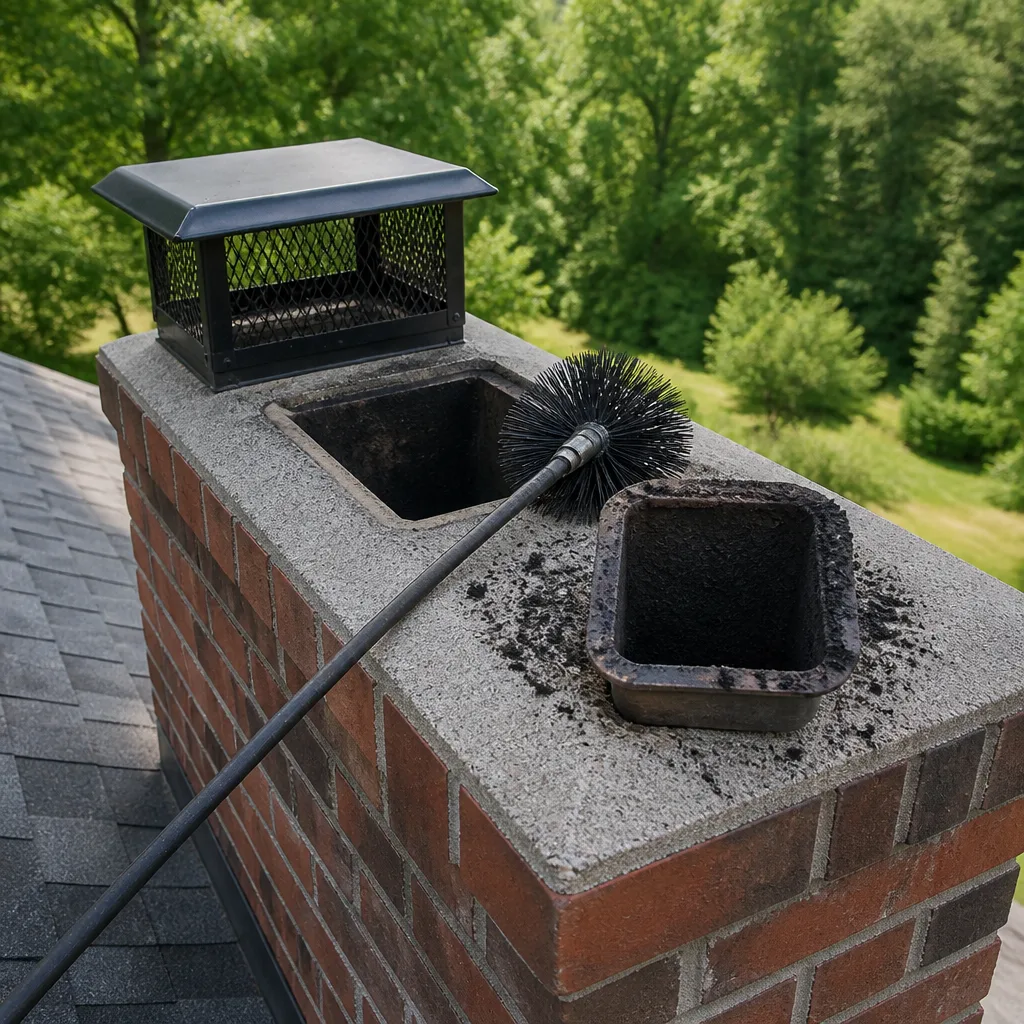 Sweep & inspection
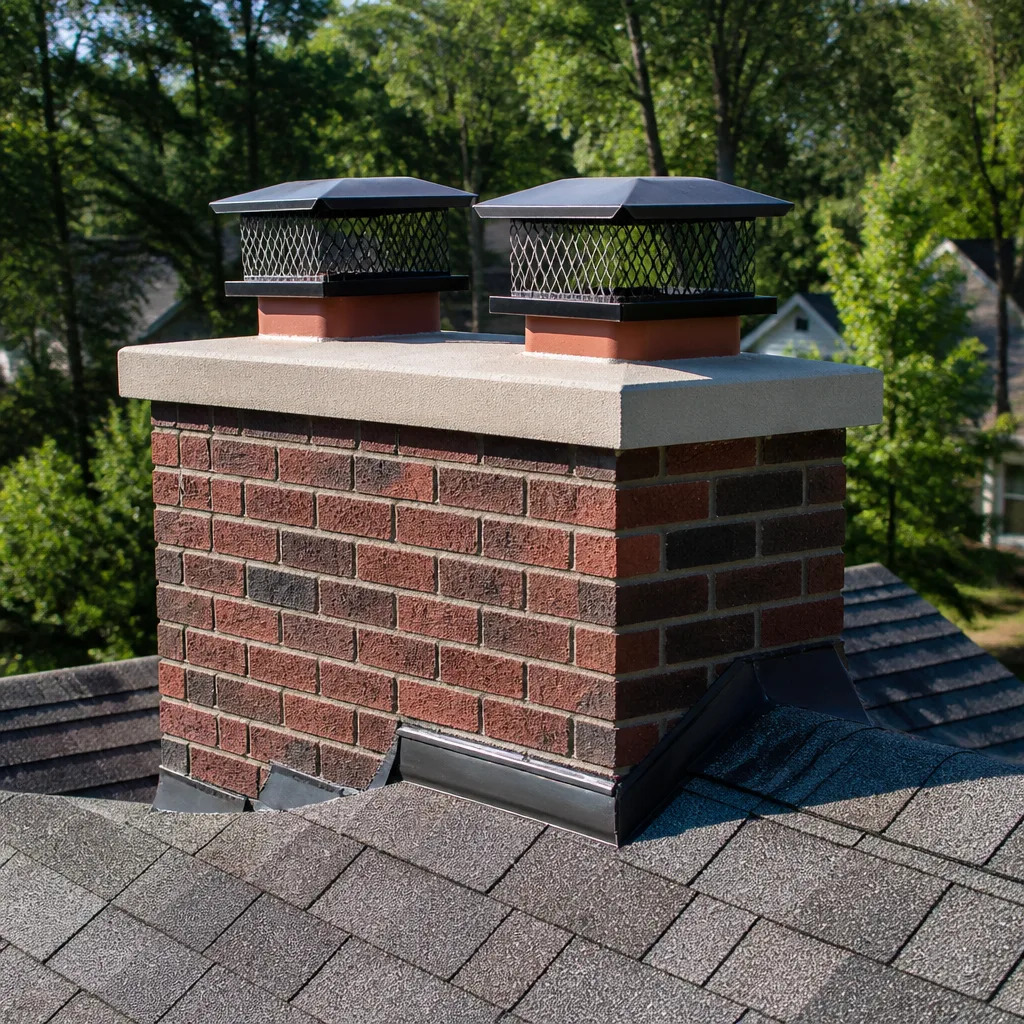 Caps & crowns
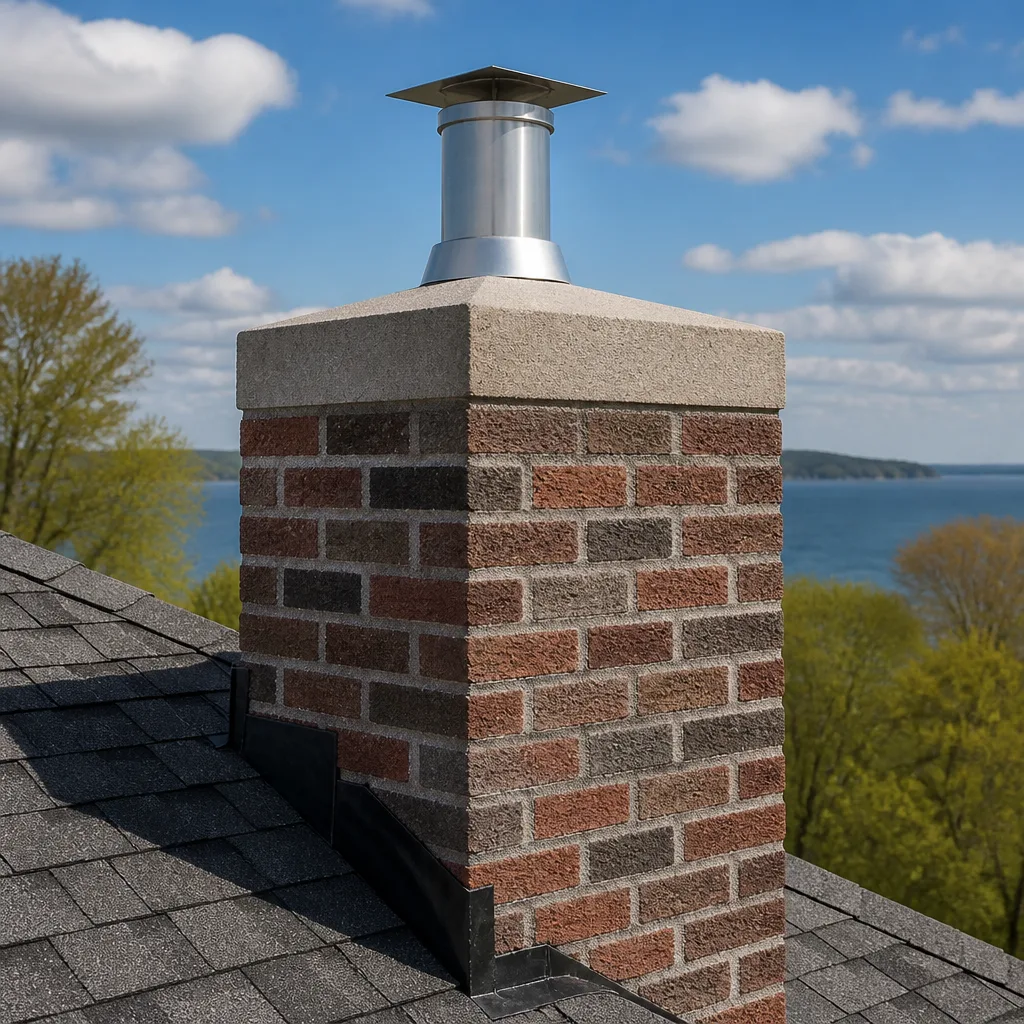 Flue relining
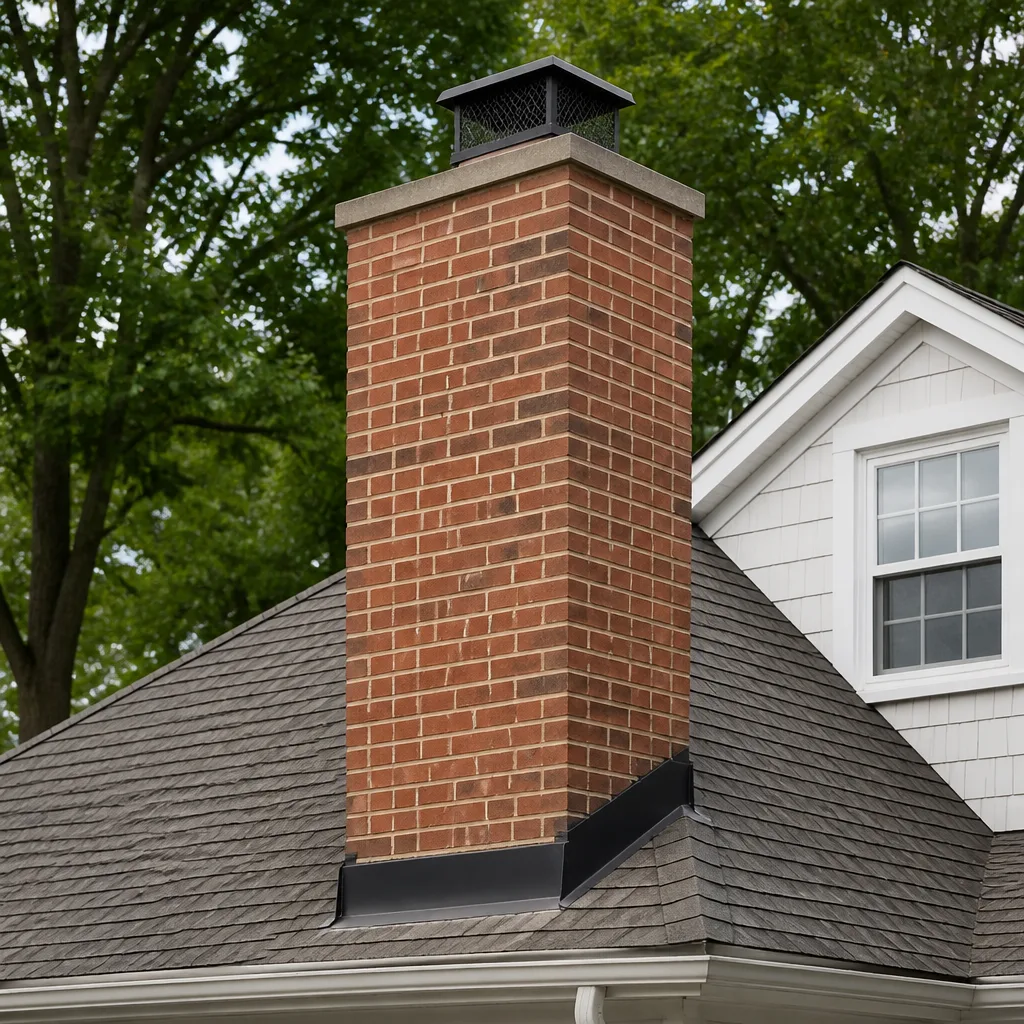 Masonry repair
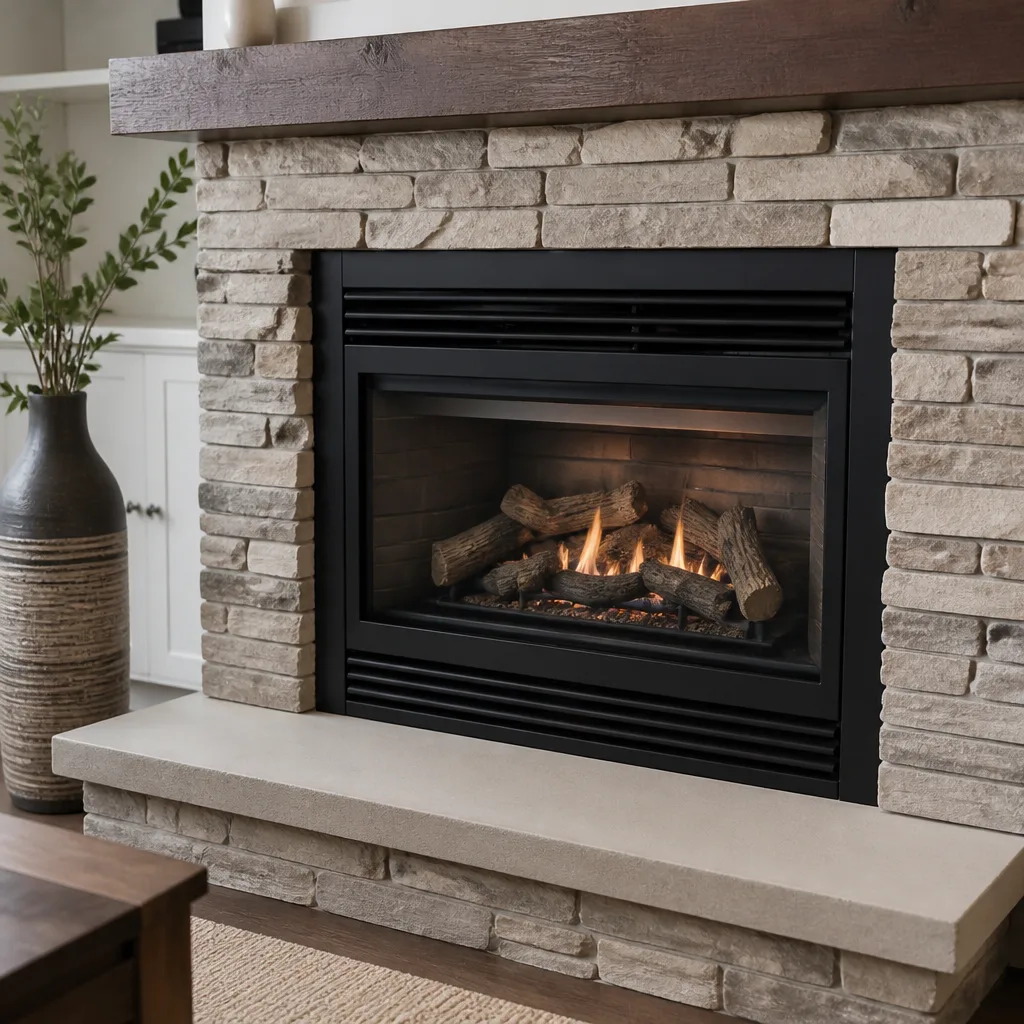 Gas fireplace service
Level 1 sweep and inspection to the NFPA 211 annual standard - flue, crown, cap, and flashing checked and photographed
Chimney sweep logs do not sweep chimneys. They loosen some creosote - which then falls where a brush and vacuum still have to collect it.
The Complete Guide to Chimney Cleaning in Hillsboro
Most chimney fires in Oregon aren’t caused by neglect. They’re caused by homeowners who cleaned on a calendar schedule instead of a creosote-buildup schedule, and those are two very different things. A flue swept every September can still carry a dangerous deposit load by January if the wood going into it was split late or stored wet. Hillsboro’s wet winters make that gap wider than it is almost anywhere else in the country. This guide walks through every stage of what chimney cleaning actually involves here, from how local firewood behaves to what a technician does inside your firebox to how you should read the report you get back.
Quick Answer
Chimney cleaning in Hillsboro means removing creosote, soot, and debris from the firebox, smoke chamber, and flue liner, then inspecting the full system for cracks, gaps, and blockages. A proper cleaning is scheduled around how fast your specific chimney builds creosote, not around the calendar, and it always includes an inspection level matched to what the technician finds. In this climate, most wood-burning homes need a sweep once a year, but heavy burners using Douglas fir or alder often need one sooner.
Styles & brands we work with
- Sweep & inspection
- Caps & crowns
- Flue relining
- Masonry repair
- Gas fireplace service
Table of Contents
- Why Hillsboro’s Climate Changes Creosote Behavior
- Level 1, Level 2, and Level 3 Inspections: Which Comes First
- Douglas Fir, Alder, and the Deposit Profiles of Oregon Firewood
- What a Technician Actually Does During a Cleaning
- How to Read Your Chimney Inspection Report
- How Often Should You Schedule a Cleaning in Hillsboro?
- Chimney Fires and Carbon Monoxide: What’s Actually at Stake
- What You Can Check Yourself Between Cleanings
Why Hillsboro’s Climate Changes Creosote Behavior
Creosote forms when wood smoke cools before it leaves the flue. The compounds in that smoke condense on the liner walls, and the rate of condensation depends on two things: flue temperature and moisture content in the fuel. Hillsboro’s wet winters push both in the wrong direction. Firewood that’s been stacked outside since summer absorbs moisture from the damp air, and cold exterior temperatures cool the flue faster, so smoke condenses sooner and closer to the firebox.
That combination accelerates the transition from stage-1 creosote, which is light and flaky and brushes off easily, into stage-2, which is a hardened crust that requires more aggressive mechanical removal. Stage-3 is the glazed, tar-like deposit that bonds to the liner and can’t be brushed off at all. In drier climates, a homeowner might coast along with stage-1 deposits for years. In western Washington County, the same wood and the same burn habits can push a flue into stage-2 within a single heating season.
Hillsboro sits in a rain shadow relative to the coast but still gets the wet, cool winters that define the Willamette Valley. Homes tucked into the tree cover around Jackson Bottom and the neighborhoods along Rock Creek tend to stay damper longer into the season, and shaded woodpiles there never fully dry. Houses on the gentler slopes above town dry out faster. If you’ve been sweeping on the same date every year, your chimney may have been building deposits faster than that schedule accounts for. A chimney sweep scheduled by condition rather than by date is the correction.
Level 1, Level 2, and Level 3 Inspections: Which Comes First
Cleaning and inspection are not the same service, and the order matters. Every professional cleaning ends with an inspection, but the level of that inspection depends on what the sweep uncovers and on the history of the chimney. Here’s how the three levels break down.
Level 1 Inspection
A Level 1 is a visual check of readily accessible components: the firebox, damper, smoke chamber, flue from below, and the cap and crown from outside. It’s appropriate when the chimney is in continuous service, has no known problems, and has been maintained. This is the standard inspection that accompanies a routine Chimney Sweep Hillsboro appointment.
Level 2 Inspection
A Level 2 goes further. It adds a video camera run through the flue so the technician can see the liner’s full interior, and it covers accessible portions of attics, crawlspaces, and the chimney exterior. It’s the minimum recommended after a chimney fire, after a change in fuel type, after a flue liner replacement, and when you’ve bought a home with an unknown service history. Several Hillsboro buyers have discovered cracked flue tiles during a pre-closing Level 2 that the previous owner never knew about.
Level 3 Inspection
A Level 3 is diagnostic and invasive. It’s warranted only when a Level 2 surfaces a serious concern that can’t be resolved visually, and it may require removing parts of the chimney structure to gain access. Most homeowners will never need one.
In our experience, the biggest mistake is skipping straight from “I haven’t had it swept in years” to a Level 1. If your heating season has been going since October and you’ve burned through a cord of wet wood, start with a Level 2. It costs a bit more and gives you a complete picture.
Douglas Fir, Alder, and the Deposit Profiles of Oregon Firewood
Wood species changes creosote formation more than most homeowners realize. The two fuels burned most often in Hillsboro, Douglas fir and red alder, each produce different deposit patterns, and knowing your fuel tells the technician a lot about what they’ll find.
- Douglas fir: Burns hot and fast with a resinous smoke that condenses readily on a cool flue. Frequent fir burning, especially in a cold exterior chimney, drives creosote buildup faster than burning the same volume of dense hardwood. The deposits tend to be darker and more uniformly distributed.
- Red alder: A softer wood that’s common in lowland Oregon. It dries reasonably well but burns cooler than fir, which means more smoke at lower flue temperatures and a stickier, more tar-like deposit if it’s not fully seasoned.
- Mixed firewood: Most Hillsboro households buy a cord that’s a blend. That’s fine, but it means the technician can’t predict deposit type from species alone and will inspect with that uncertainty in mind.
The bigger variable is moisture content. A split round of alder left in a damp stack is basically a wet sponge, and no chimney sweep in the world can protect a flue from the smoke that wet wood produces. If you only do one thing after reading this guide, buy a moisture meter and test every split before it goes in the firebox. Moisture content above 20 percent means the wood needs more time.
Seasoning method matters as much as species. Wood stacked in a single row with airflow, covered on top only and open on the sides, dries far better than wood piled in a tarped heap. In Hillsboro, that distinction decides whether your flue sees stage-1 or stage-2 creosote by spring.
What a Technician Actually Does During a Cleaning
A proper cleaning has a sequence, and a chimney professional follows it every time. If the sweep skips the smoke chamber or never goes outside to check the cap, the job isn’t finished. Here’s the phase-by-phase breakdown.
- Pre-cleaning setup. The technician lays drop cloths over the hearth and floor, tapes a plastic barrier around the firebox opening, and sets up negative-air containment so soot doesn’t migrate into the room. If you have a fireplace insert or a gas appliance, they’ll shut off the gas supply before working.
- Firebox sweep. Ash and debris are removed from the firebox floor. Creosote on the firebox walls is scraped down. The damper is checked for smooth operation and inspected for rust or distortion.
- Smoke chamber brushing. The smoke chamber, the sloped space above the damper and below the flue, is the most overlooked part of the system. It’s also where deposits accumulate and go unnoticed. The technician brushes the corbeled surfaces and vacuums out the debris. A smoke chamber that’s badly glazed may call for resurfacing, and that’s where HeatShield becomes relevant: it lets us resurface damaged flue tiles rather than jumping straight to a full reline.
- Flue liner check and cleaning. The flue is swept from below with rotary brushes matched to the liner type, or from above if the roof access is safe and the flue is straight. Once the liner is clean, the technician runs a camera down to inspect for cracks, gaps at the joints, and separation from the surrounding masonry. If we find a liner that’s failed structurally, the next step might be a DuraFlex flexible liner installed as a replacement rather than a repair.
- Cap and crown inspection. Outdoors, the technician checks the cap, the crown, the flashing, and the masonry above the roofline. A missing or damaged cap is a common way that water, birds, and debris get into the flue. We carry caps and covers from Gelco and Olympia Chimney so the fix happens on the same visit rather than waiting on a special order.
- Debris check and final review. Every cleanout door is checked for accumulated debris. The technician runs a final probe or camera pass, then reviews the findings with you before packing up.
The whole sequence is what separates a thorough sweep from a quick brush-and-go. Sweep, inspect, repair, handled by the same specialist, start to finish, is the standard we hold ourselves to.
How to Read Your Chimney Inspection Report
You don’t have to accept the report at face value, and you shouldn’t. The single most useful question to ask after a cleaning is “show me.” A residential chimney inspection should include photographs of every defect code, and the technician should be able to point to the exact frame where a crack, gap, or deposit is visible. If you can’t see the problem on the photo, the recommendation is a sales pitch, not a repair.
Homeowners in Hillsboro often come to us worried they’ll be told they need thousands of dollars of liner or masonry work they can’t verify. That’s a fair concern, and the answer is simple: nothing gets recommended without camera evidence you see yourself, and we’ll tell you plainly when work can safely wait.
Here’s how to sort findings into three categories.
- Fix now: Missing cap, disconnected liner joint, cracked flue tile with visible gap, or evidence of a prior chimney fire. These compromise containment and need to be addressed before the next burn.
- Fix this season: Minor spalling on the crown, rust on the damper, or a smoke chamber that needs resurfacing. Healthy enough to get through another heating season but not two.
- Monitor: Minor surface cracking on exterior masonry, cosmetic concerns, or deposits that can be addressed at the next scheduled sweep. Write the date on the report and revisit it.
A report that flags every line item in the “fix now” category on a chimney that just passed a Level 1 isn’t evidence-based. Ask for the photos.
How Often Should You Schedule a Cleaning in Hillsboro?
Annually is the general recommendation for wood-burning chimneys, but Hillsboro’s climate and burn habits push some homes past that. The honest answer is that your cleaning interval depends on four things.
- Volume of wood burned. A household burning two cords a season builds deposits much faster than one burning a half-cord.
- Wood quality. Properly seasoned wood (below 20 percent moisture) produces less creosote than damp Douglas fir or alder.
- Chimney configuration. An exterior masonry chimney cools faster than an interior flue, so it condenses smoke sooner.
- Appliance type. A modern EPA-certified insert or a gas fireplace has different service intervals than an open-hearth masonry fireplace.
A practical Hillsboro schedule: sweep after the heating season in most homes, but do an early-winter check on the firebox and flue throat. If you see heavy soot within the first month of burning, your fuel is too wet or your chimney is drafting poorly, and you should schedule a chimney repair evaluation rather than waiting for spring. If you moved into a house with an unknown service history, schedule a Level 2 inspection before your first fire.
For gas fireplaces, the interval is longer, but the deposits are different and the risk is carbon monoxide rather than creosote fire. An annual inspection still applies. If your unit hasn’t been serviced since you bought the house, it’s a pull-the-panel-and-check-the-flue situation, not a “wait and see.”
Chimney Fires and Carbon Monoxide: What’s Actually at Stake
A chimney fire doesn’t always announce itself with flames shooting out the top. In our experience, many burn hot and fast inside the flue with only a low roar, a vibration, or a sudden shower of black flakes falling into the firebox. The damage happens to the flue tile and the smoke chamber, and it’s often invisible from the room. That’s why a Level 2 inspection after any suspected chimney fire is non-negotiable, even if the fire already went out.
Carbon monoxide is the quieter risk. A blocked or partially collapsed flue, a disconnected liner joint, or a cracked smoke chamber can let exhaust gases back into the living space. A working carbon monoxide alarm on every level of the home and near sleeping areas is a low-cost safety measure we recommend for anyone heating with wood or gas. If you’ve never tested the alarm, do it before the first fire of the season.
This is also the reason not to attempt liner or smoke chamber work yourself. The heights, the confined space, and the risk of a partial drop on an old masonry flue are not worth the savings. A trained professional handles that work because they can see the whole system, not just the part you can reach from the hearth.
What You Can Check Yourself Between Cleanings
You can’t sweep your own flue properly, but there are useful observations a homeowner can make between professional visits. None of these replace an inspection, but each one helps you communicate what you’re seeing.
- Open the firebox door and look up. If you see heavy soot or a sticky tar film on the damper frame, the flue is likely due for service sooner than scheduled.
- Watch the first fire of the season. Smoke rolling out the top of the firebox opening instead of drawing up the flue signals a blockage or a cold-flue issue.
- Smell the room on a cold morning. A strong creosote smell in a room with no fire burning often points to a flue that is partly blocked or a damper that isn’t sealing.
- Look at the cap from the ground. A missing, bent, or rusted cap lets water and debris in, so it’s worth knowing before the technician arrives.
- Test your carbon monoxide alarm. Do it before the first cold snap, not after.
If any of those turn up a real concern, don’t wait for the next scheduled cleaning. Call and get it looked at. Nothing about a chimney problem improves with time.
Common Mistakes to Avoid
- Sweeping on a calendar schedule instead of a condition schedule. September-every-year works in a dry climate. In Hillsboro, a wet winter can change the deposit stage between cleanings. Check the firebox mid-season.
- Burning wet Douglas fir or alder because it’s cheap. Unseasoned wood produces the creosote; the savings on wood cost show up later as a repair bill. Test splits with a moisture meter.
- Skipping the smoke chamber. The smoke chamber sits above the damper and is easy to miss, and deposits there go unaddressed for years if the sweep doesn’t brush it.
- Accepting a liner replacement without seeing the liner. If the technician can’t show you a camera image of the defect, ask why. HeatShield resurfacing is a legitimate alternative to a full reline for structurally sound but damaged flues.
- Ignoring a missing cap. A damaged cap lets water in during the wet season, which degrades the masonry and can freeze-split the crown. Caps and covers from professional supply lines are not the same as the flimsy retail versions.
- Waiting after a suspected chimney fire. Even a short, quiet fire can crack flue tiles. A Level 2 inspection is the only way to know the system is still sound.
- Treating a carbon monoxide alarm as a nuisance. If the alarm sounds, shut down the appliance, ventilate the room, and call for a professional inspection before reusing the fireplace.
See the difference
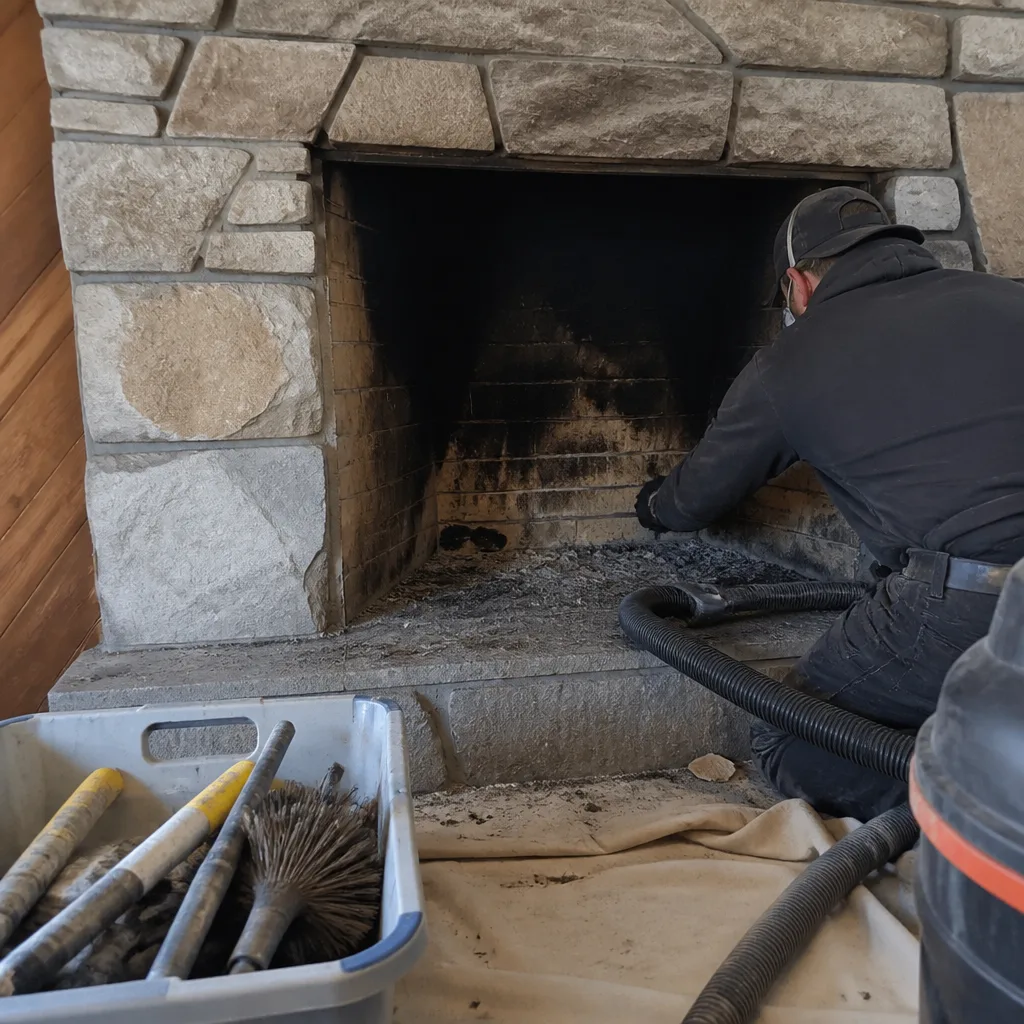 Before
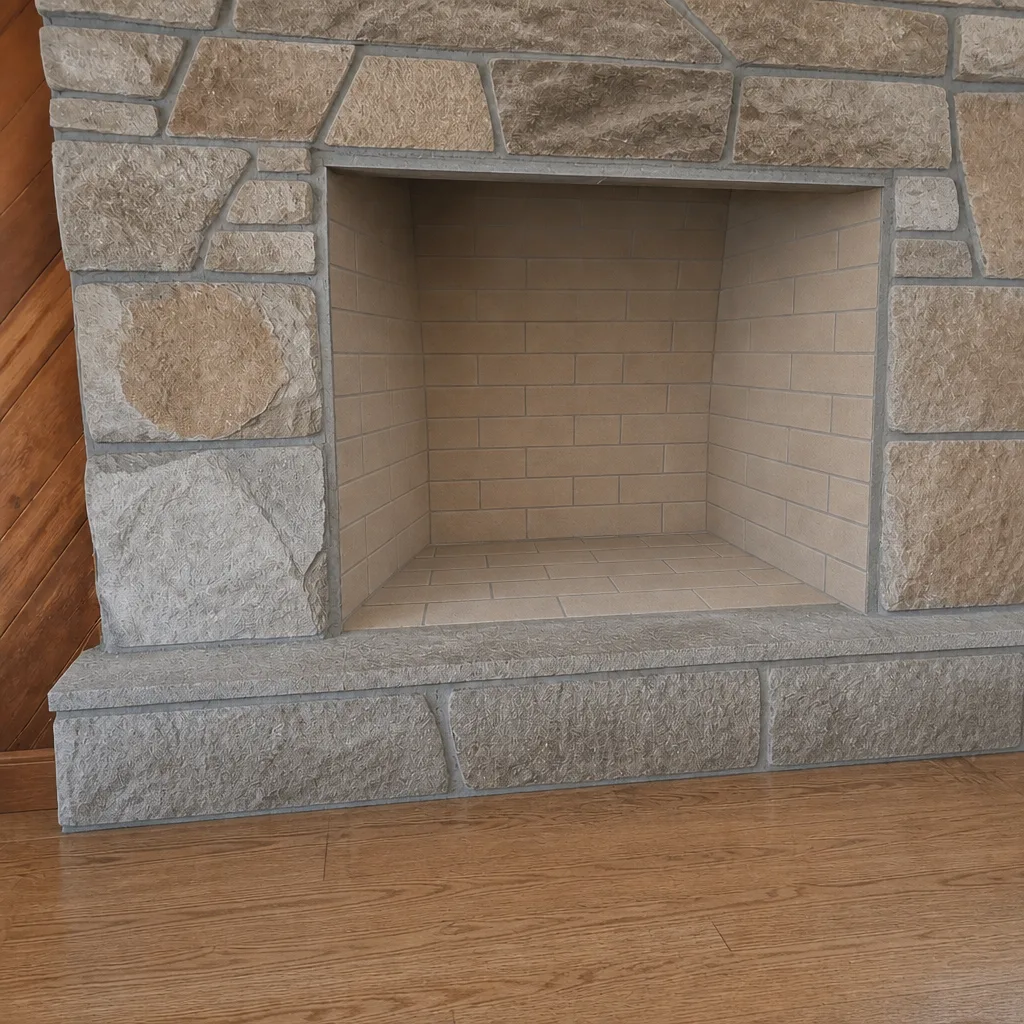 After
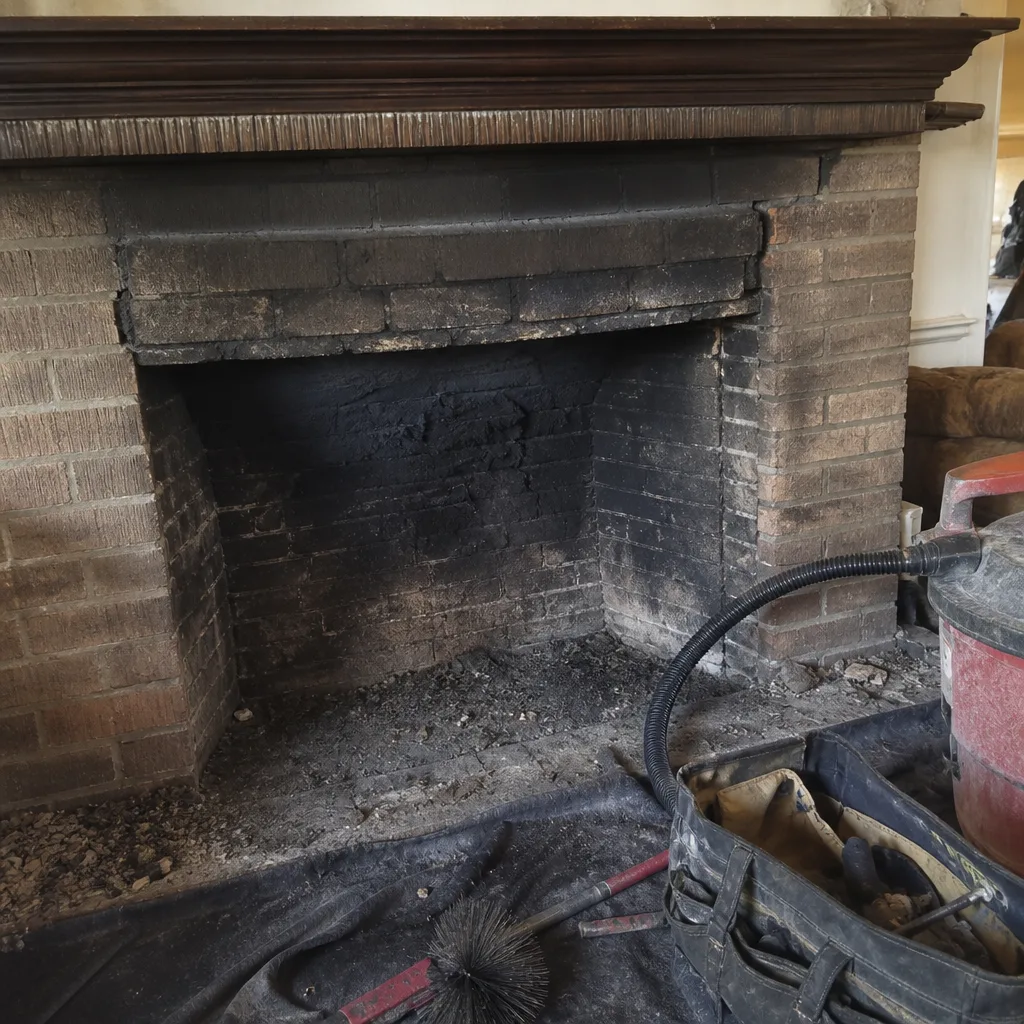 Before
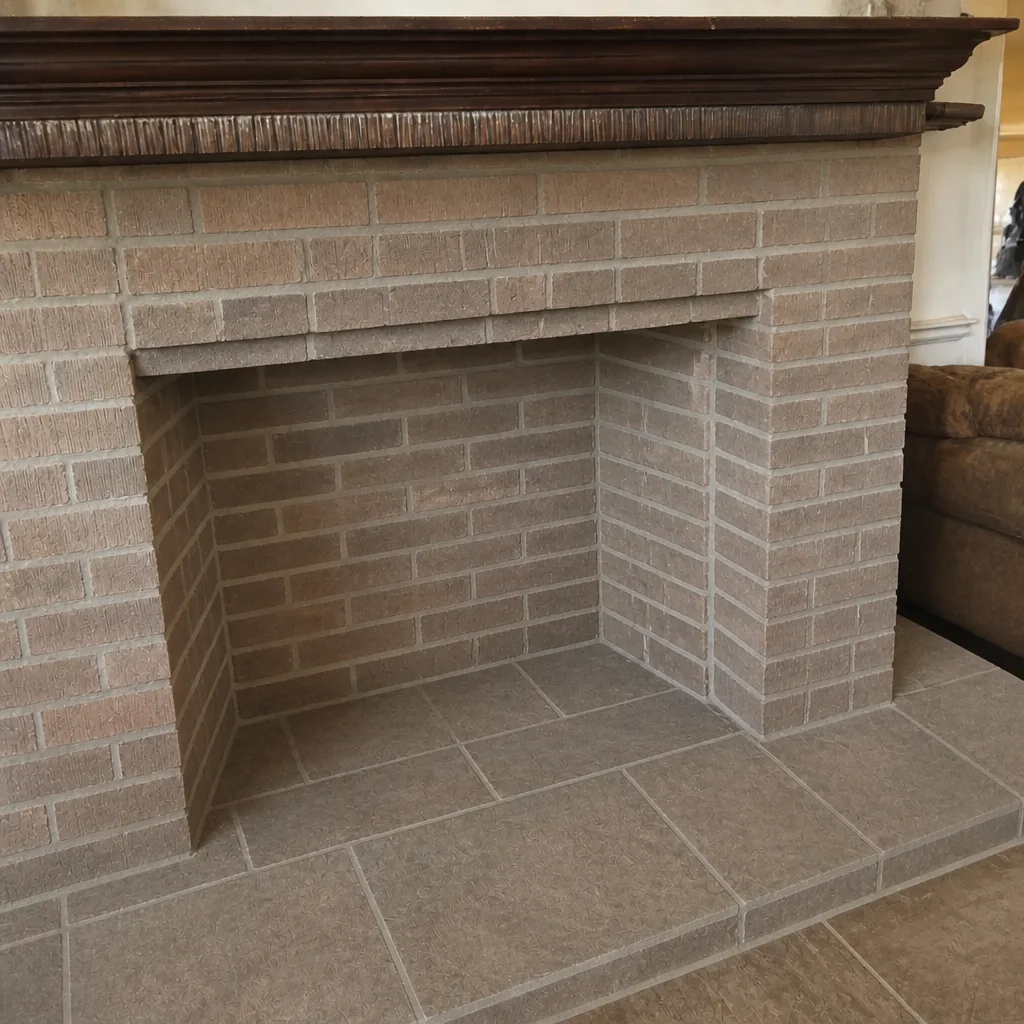 After
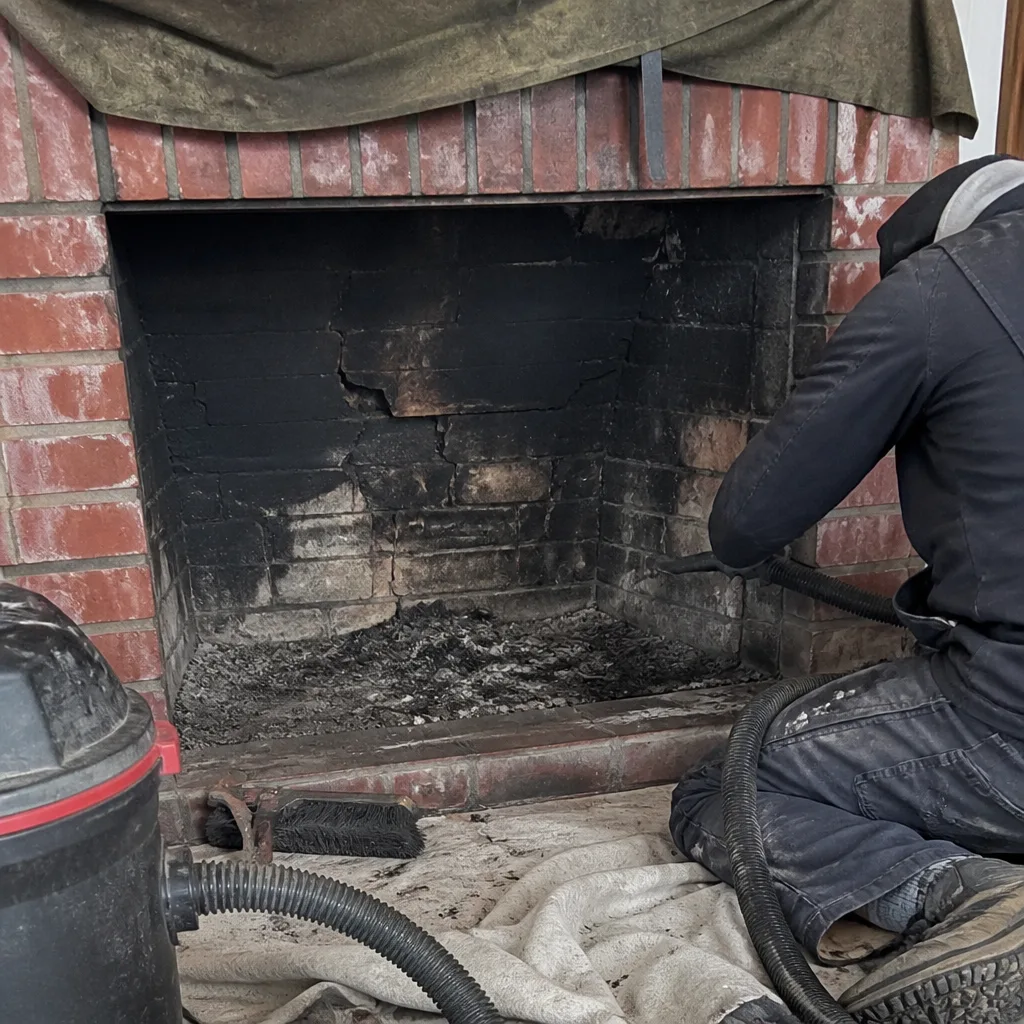 Before
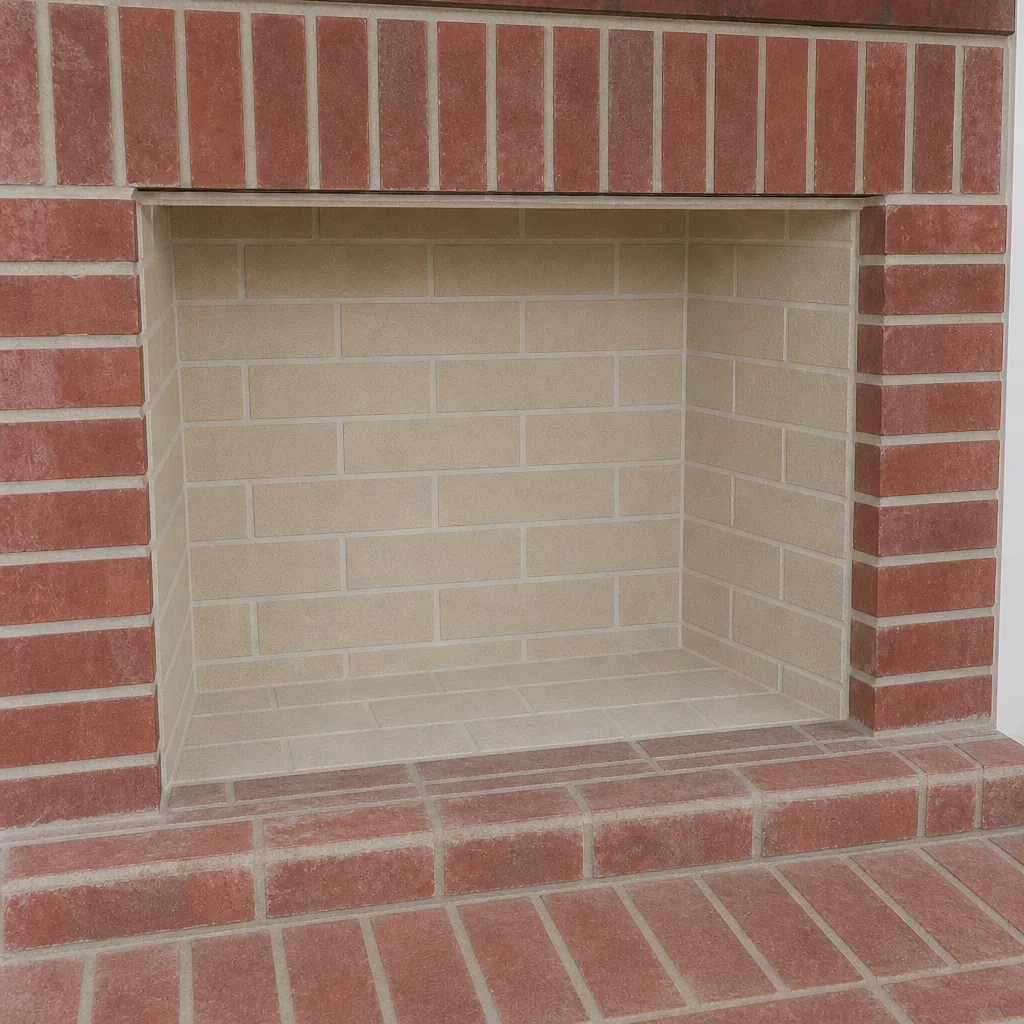 After
When to Call a Professional
Some situations need a call now, not later. If smoke backs into the room when you light a fire, if you smell a persistent creosote odor with no fire burning, if you see visible cracks in the flue tile or mortar, or if you’ve heard the roar or vibration of a chimney fire, stop using the fireplace and call. The same applies to a new home purchase with an unknown chimney history, a gas appliance that has never been serviced, or a firebox that has been burning damp wood for a full season. Chimney Sweep Hillsboro offers free estimates in Hillsboro, and we can tell you plainly whether you need a cleaning, an inspection, or nothing. Call (855) 473-8720. We answer 24/7, with fast dispatch from 7am to 7pm, Sunday through Friday.
Frequently Asked Questions
A routine chimney sweep in Hillsboro typically falls in a modest range that reflects the specific work involved: a firebox sweep, smoke chamber brushing, flue cleaning, and a Level 1 inspection. The written estimate sets the final price, and it’s free to get one. Camera-inspection findings, liner condition, and the chimney’s configuration all factor into the quote. Call (855) 473-8720 for an exact quote. Estimates are free.
Once a year is the general rule for wood-burning chimneys, but households burning Douglas fir or alder that hasn’t fully seasoned often need attention sooner. Hillsboro’s wet winters push smoke to condense on the flue faster than in drier climates, which accelerates creosote formation. Check the firebox and damper frame mid-season, and schedule a sweep before spring if deposits look heavy.
Not always. If the flue tiles are structurally sound but the interior surfaces have cracks or surface damage, HeatShield resurfacing can often repair the liner without a full replacement. A new DuraFlex liner is the right call when the existing liner is beyond repair or has failed joints. A camera inspection tells us which one your flue actually needs. Call (855) 473-8720 before committing to a full reline. Estimates are free.
Creosote keeps accumulating, and once it reaches stage-2 or stage-3, the risk of a chimney fire rises sharply. A blocked flue can also push carbon monoxide back into the home. The repair costs that come from a fire or a damaged liner are far higher than a routine cleaning. Call (855) 473-8720. Estimates are free.
Yes. A Level 2 inspection is the standard for a home with an unknown service history, and it includes a camera pass through the flue. It tells you in advance whether the chimney needs a sweep, a repair, or a liner replacement, which is information the seller rarely has. Schedule before closing. Call (855) 473-8720.
Yes. Gas appliances don’t produce creosote from wood smoke, but they do produce different deposits and carry a carbon monoxide risk if the flue or venting is compromised. Annual inspection still applies, and the technician checks the liner and the venting rather than just sweeping the firebox. Call (855) 473-8720 to book an inspection.
The Bottom Line
Chimney cleaning in Hillsboro is a system-specific job, not a one-size-fits-all sweep. The deposit stage you’re on is shaped by the wet winters, the local firewood, and the configuration of your particular flue. Match your schedule to the deposits you actually see, use the right inspection level, and read the report with the photos in front of you. Whether your chimney needs a routine sweep, a camera inspection, or a HeatShield resurfacing instead of a full reline, the point is to know before you commit. Sweep, inspect, repair, handled by the same specialist, start to finish. Call (855) 473-8720 for a free estimate.
Written by the team at Chimney Sweep Hillsboro.