
Last updated November 16, 2026
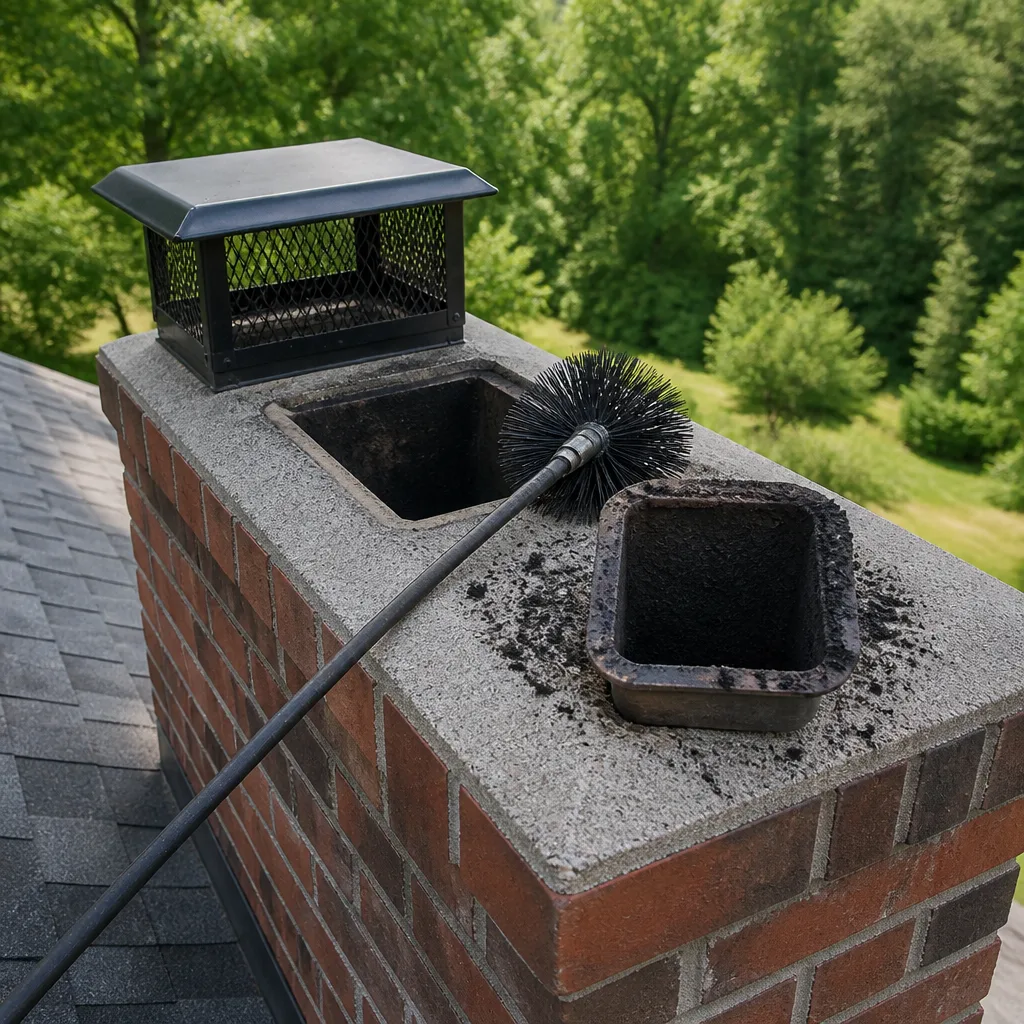 Sweep & inspection
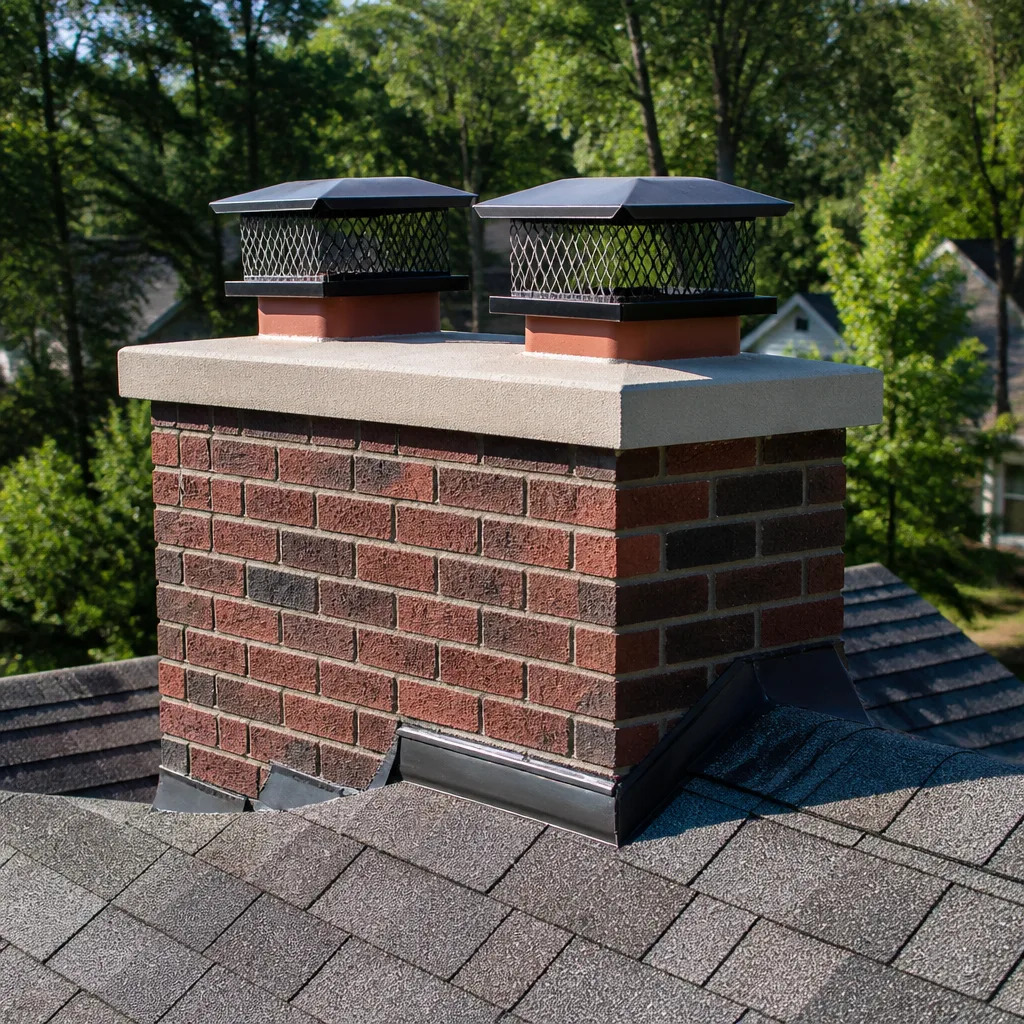 Caps & crowns
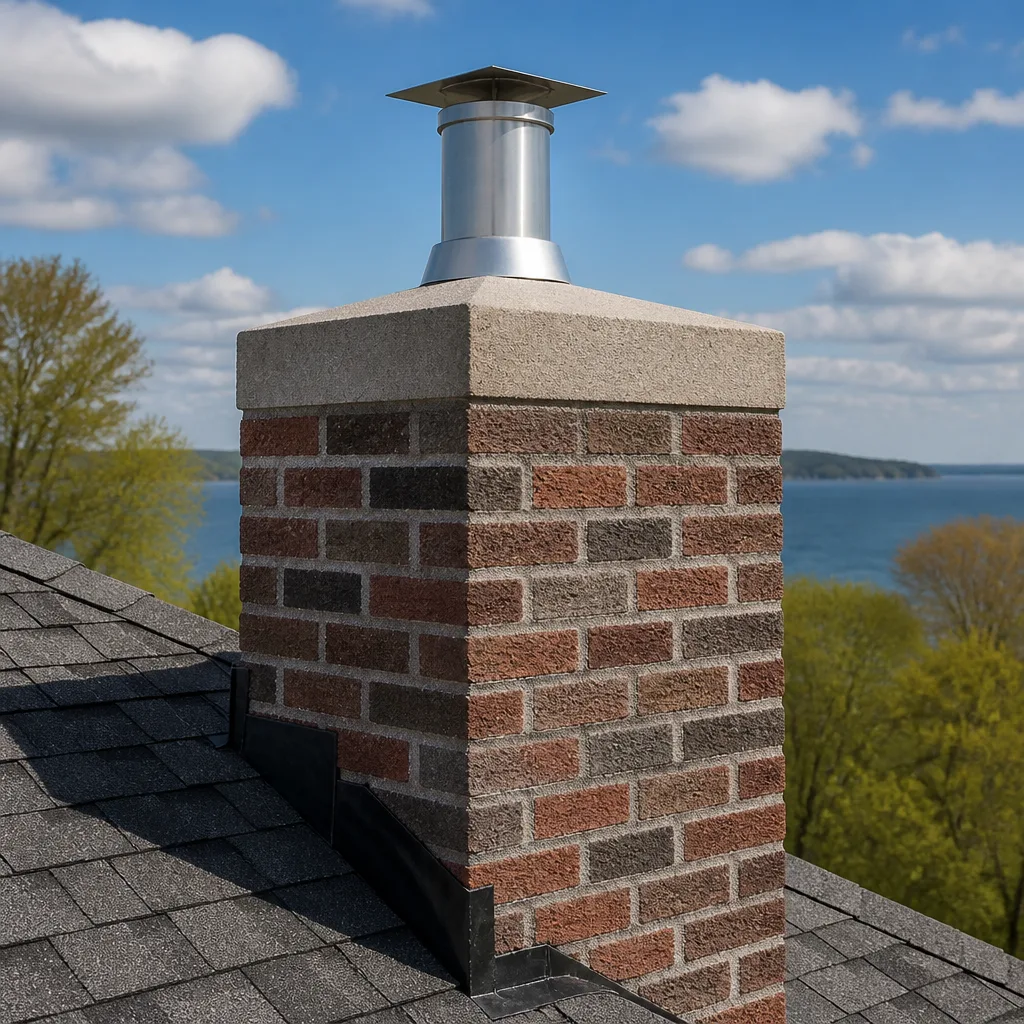 Flue relining
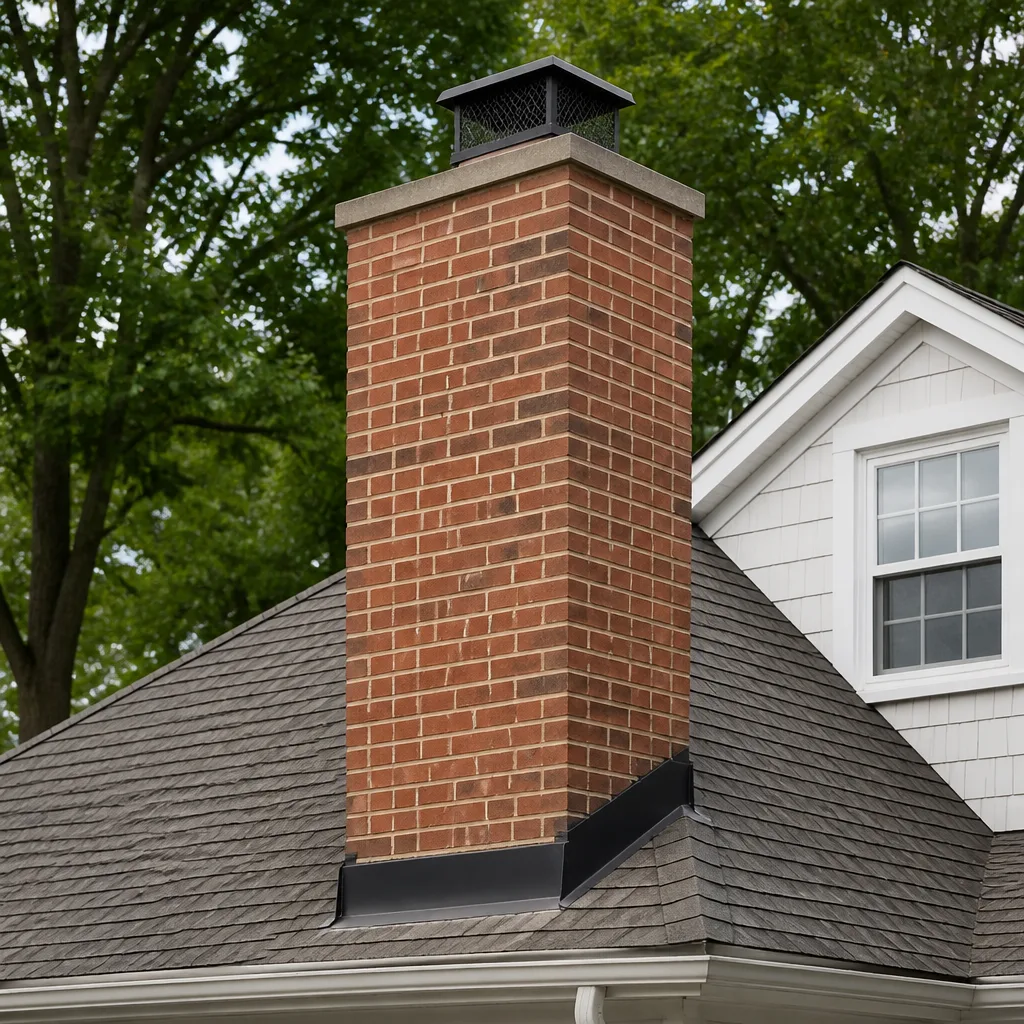 Masonry repair
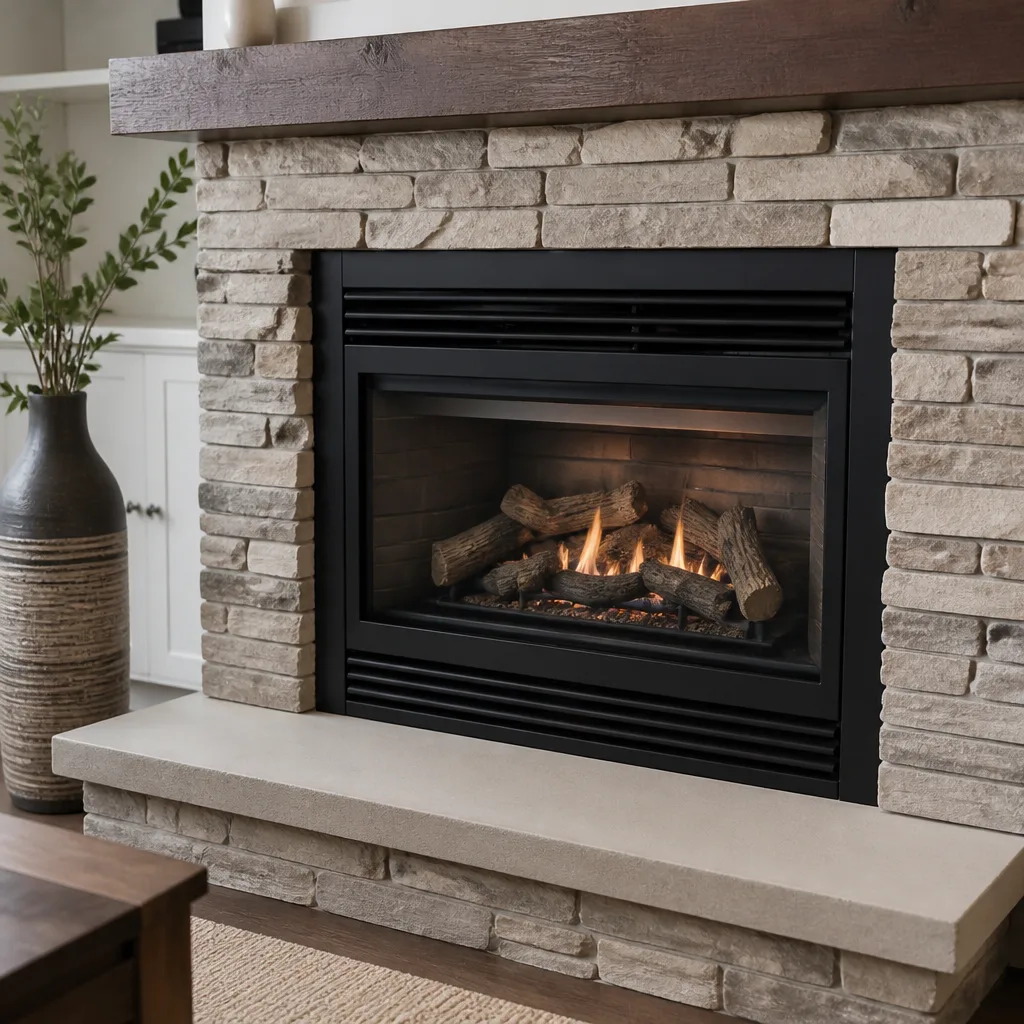 Gas fireplace service
Level 1 sweep and inspection to the NFPA 211 annual standard - flue, crown, cap, and flashing checked and photographed
Chimney sweep logs do not sweep chimneys. They loosen some creosote - which then falls where a brush and vacuum still have to collect it.
DIY vs Professional Chimney Cleaning: The Hillsboro Homeowner’s Decision Guide
A $60 chimney brush kit from the hardware store will remove loose soot. It will not tell you that the tile liner behind the soot has two hairline cracks that will channel a chimney fire into your wall framing. That gap between what a brush reaches and what a chimney actually needs is where most DIY cleaning decisions go wrong. We’re not here to tell you a homeowner can’t push a brush up a flue – plenty can. We’re here to lay out what DIY genuinely covers, what it quietly misses, and how Hillsboro’s wet, high-moisture burn environment makes those blind spots matter more than they would in a drier climate. By the end you’ll know exactly which jobs you can handle yourself and which ones should go to a specialist.
Quick Answer
DIY chimney cleaning handles surface soot removal in the accessible lower flue, but it cannot assess creosote type, inspect the smoke chamber and upper liner with a camera, treat stage-2 glaze, or produce the documented report an insurer expects after a fire claim. In Hillsboro’s damp climate, where wood often burns wetter and glaze creosote forms more readily, a professional sweep with camera inspection is the safer choice for any chimney you haven’t had looked at in over a year or whose history you don’t know.
Styles & brands we work with
- Sweep & inspection
- Caps & crowns
- Flue relining
- Masonry repair
- Gas fireplace service
Table of Contents
- What DIY Chimney Cleaning Actually Covers
- The Camera Inspection Gap: What You Can’t See
- Why Hillsboro’s Wet Climate Raises the Creosote Risk
- Insurance, Liability, and the Report You Won’t Have
- When DIY Maintenance Genuinely Makes Sense
- What a Professional Sweep and Inspection Involves
- DIY vs Professional: An Honest Cost Comparison
- Common Mistakes to Avoid
What DIY Chimney Cleaning Actually Covers
A homeowner with a brush kit, a shop vac, and drop cloths can accomplish one thing well: scraping loose soot and light, flaky creosote off the flue walls in the section they can reach from the firebox or the roof. That’s real work and it does reduce soot buildup. It’s the same starting point a professional sweep begins from, just without the tools or the training that come next.
Here’s the precise list of what a DIY cleaning can’t assess, and why each item matters:
- Creosote type and stage. A brush knocks off stage-1 (sooty, flaky) creosote. It slides right over stage-2 (hard, crusty) and stage-3 (glazed, tar-like) deposits, which need chemical treatment or mechanical rotary tools a homeowner doesn’t have.
- Flue liner integrity. Cracks, spalling, and gaps between tiles are invisible from below. They’re the difference between a contained chimney and a fire path into framing.
- Smoke chamber condition. This angled space above the damper is where creosote collects and where most chimney fires start. A brush on a rod from the firebox rarely reaches its full surface.
- Flue crown and cap. The crown at the top of the chimney sheds water. A cracked crown lets moisture into the masonry, and a missing or damaged cap lets water and animals in. You can’t judge either from the living room.
- Draft and backdraft causes. Smoke rolling into the room is a system problem – flue sizing, blockages, pressure – not a soot problem. A brush won’t diagnose it.
So the honest framing isn’t “DIY is dangerous.” It’s “DIY addresses soot, and soot is the least informative part of a chimney.” When you book a chimney sweep in Hillsboro, you’re paying for the assessment that happens alongside the brushing.
The Camera Inspection Gap: What You Can’t See
This is the heart of the DIY-versus-professional question. A visual inspection from the firebox opening – the best a homeowner can do with a flashlight and a mirror – sees maybe the bottom third of the flue and none of the smoke chamber’s upper surfaces. The sections where the worst problems hide are exactly the sections you can’t see from the floor.
A professional inspection uses a camera run up the flue, and here’s what that camera reveals that a flashlight can’t:
- Hairline cracks in tile liners that are too fine to see from below but wide enough to pass heat and embers into surrounding wood framing.
- Gaps at tile joints where mortar has eroded – common in older Hillsboro homes with original masonry chimneys.
- Offset flues and hidden ledges where creosote accumulates out of brush reach and out of sight.
- Stage-2 and stage-3 creosote clinging to upper flue walls, which a brush glide over does nothing to remove.
- The smoke chamber’s corbelled surfaces, where creosote builds and where many chimney fires ignite.
- Debris, animal nests, and collapsed liner sections that block the flue and cause backdraft.
The camera footage also gives you something a flashlight never will: documentation. We show homeowners what the camera sees, so the recommendation to repair or resurface is something you can verify yourself rather than something you take on faith. A chimney inspection isn’t an upsell – it’s how we determine what your flue actually needs, and the evidence is yours to look at.
If the camera finds damaged but structurally sound flue tiles, HeatShield resurfacing can restore the liner without a full reline – a repair that saves real cost and that a brush-and-mirror DIY inspection could never identify in the first place.
Why Hillsboro’s Wet Climate Raises the Creosote Risk
Creosote formation is driven by incomplete combustion, and incomplete combustion is driven by moisture. Wood that hasn’t fully seasoned, or that’s been rained on before it goes in the stove, produces more creosote than dry wood does. Hillsboro’s wet, cool winters mean firewood is more likely to be stored damp, more likely to be burned before it’s ready, and more likely to produce the hard, glazed stage-2 creosote that a brush won’t touch.
Stage-2 creosote behaves differently from soot. It’s crusty and tar-like, it clings to flue walls, and it burns hotter and longer than stage-1 deposits. Removing it requires chemical treatment – solvents or powders that break down the glaze over time – or mechanical rotary tools, neither of which is part of a basic homeowner brush kit. That’s the Hillsboro-specific twist: in a drier climate, a homeowner might get away with annual brushing for years. Here, the same schedule can leave glaze building up inside a flue nobody’s looked at with a camera.
There’s a second local factor. Many Hillsboro homes sit on lots with mature trees, and wet weather keeps debris, moss, and leaf litter moving toward caps and crowns. A cracked crown or a clogged cap lets moisture into the masonry, and moisture degrades the very liner you’re depending on. That damage is slow, invisible from the ground, and exactly what a professional inspection is built to catch. It’s also why we work with professional-grade components from Gelco and Famco – caps, covers, and crowns built for this climate rather than the lightweight versions sold at retail.
The practical takeaway: if you burn wood in Hillsboro and you haven’t had the flue inspected in over a year, the odds that a brush alone will address what’s actually in there are lower than you’d think.
Insurance, Liability, and the Report You Won’t Have
Here’s a question almost nobody asks before breaking out the brush kit: if a chimney fire happens, what does your insurer want to see? In most policies, the claim process revolves around documentation – proof the chimney was maintained, proof of the condition it was in, proof that a trained eye assessed it. A DIY cleaning produces none of that. A professional sweep and inspection produces a written report with photographic evidence, and that report is what stands between a covered claim and a contested one.
That matters for three reasons:
- Claims. If a fire originates in the chimney, an insurer may look for evidence of maintenance. A documented professional inspection history is evidence; a homeowner’s memory of “I cleaned it last fall” is not.
- Liability in a sale. When you sell a Hillsboro home, buyers and their inspectors ask about the chimney. A professional inspection report answers the question cleanly.
- Knowing what you’re insuring. A cracked liner or stage-2 glaze is a pre-existing condition. If you don’t know it’s there, you can’t address it, and if you do know and don’t address it, you’re carrying risk you didn’t intend to.
We can work with your insurer where documentation is needed, and the report we produce is written to be read by someone who wasn’t standing in your living room. That’s a real difference between a DIY cleaning and a professional one – the professional one leaves a paper trail you can use.
When DIY Maintenance Genuinely Makes Sense
We’re not going to tell you every chimney task requires a professional. Between professional cleanings, there’s real maintenance a homeowner can and should do, and doing it well makes the professional visits more effective.
Here’s what DIY genuinely covers:
- Ash removal. Keep the ash bed to roughly an inch in a wood stove or fireplace; a thin bed helps insulate and keeps the fire burning cleanly. Scoop into a metal container with a lid and let it cool completely before disposal.
- Exterior visual checks. From the ground, look at the chimney cap and crown. Is the cap intact? Is the crown cracked or crumbling? Are there visible gaps where the chimney meets the roofline? You’re looking, not climbing – roof work is a job for someone trained for it.
- Firebox cleaning. Sweep out loose soot and debris from the firebox floor between burns, and check the damper opens and closes freely.
- Seasoning and storing wood. Split wood, stack it off the ground, cover the top but leave the sides open to airflow, and give it time. Dry wood is the single biggest creosote-reduction step a homeowner controls.
- Annual brushing for light users. If you burn occasionally, keep the flue clear with a basic brush between professional visits, and know that brushing is maintenance, not inspection.
What we’d steer you away from: climbing onto the roof to sweep the flue yourself, reaching up the flue with anything improvised, or trying to remove stage-2 creosote with a brush. Those are the jobs where the risk climbs faster than the benefit. When you’re ready for the professional side of the cycle, our chimney repair service picks up where the sweep leaves off – one specialist handling the sweep, the inspection, and any repair without a handoff.
What a Professional Sweep and Inspection Involves
A professional cleaning follows a sequence designed to catch what a brush alone can’t. If you’ve never watched one, here’s what actually happens:
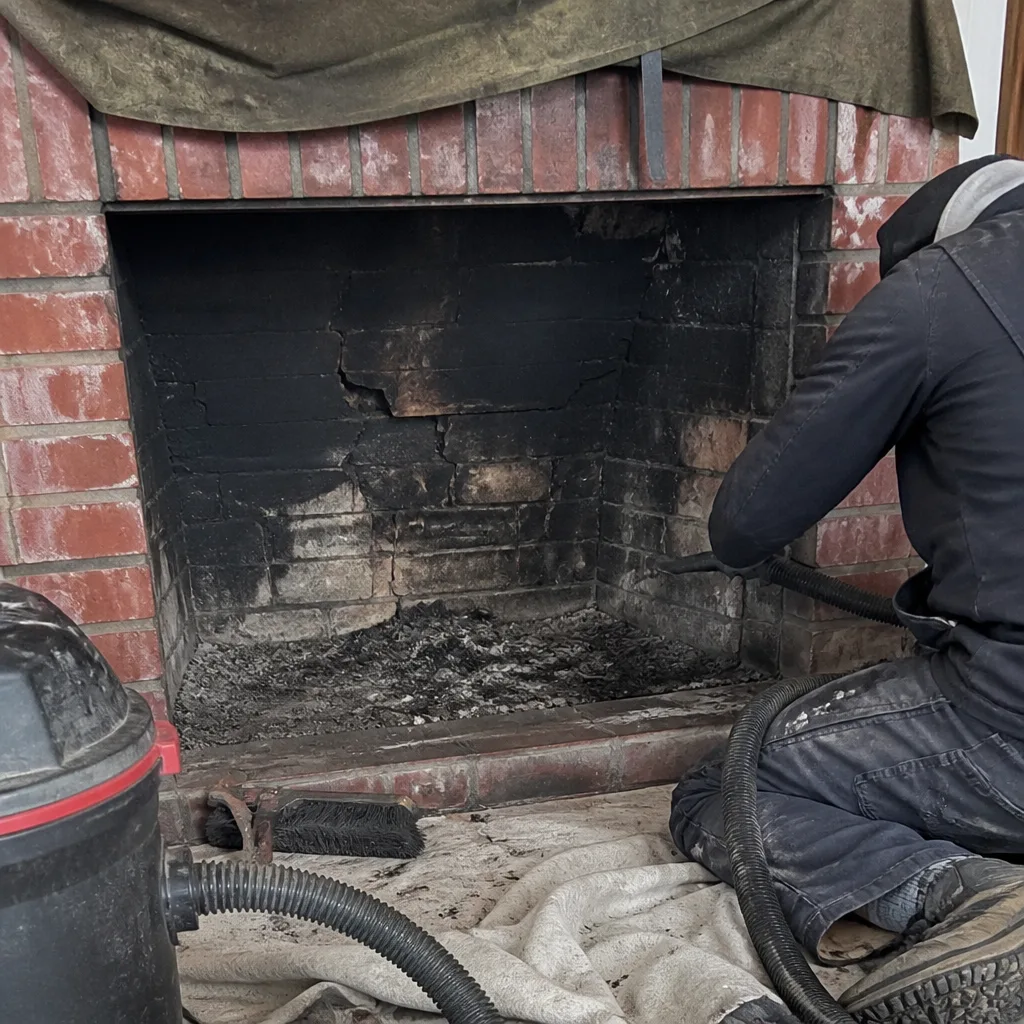
- Setup and protection. Drop cloths and a contained vacuum around the firebox so soot stays out of the living space.
- Sweep the accessible flue. Brushes sized to the flue remove soot and stage-1 creosote from the firebox up through the flue.
- Camera inspection. A camera runs the full flue, showing liner condition, joint gaps, creosote stage, smoke chamber surfaces, and any blockages.
- Smoke chamber and damper check. The area above the damper – where most chimney fires start – gets assessed directly.
- Crown and cap inspection. From the roof or with proper access equipment, the crown, cap, and flashing get checked for damage and moisture intrusion.
- Written report and photo evidence. You get a report showing what was found, what was cleaned, and what – if anything – needs repair.
- Honest recommendation. If the flue is sound, we tell you that and you’re done. If tiles are damaged but structurally sound, HeatShield resurfacing may restore them. If the liner is beyond resurfacing, a DuraFlex liner system is a full replacement option. You get told which one you actually need, with the camera evidence in front of you.
Our technicians have up to experience, all of it built around chimney systems rather than split across general contracting. That focus is what makes the inspection meaningful – the person reading the camera footage has spent their career looking at exactly this. When you’re ready to book, call Chimney Sweep Hillsboro and we’ll set up a time. For a broader view of what we cover locally, our Hillsboro page lays out the service cycle from inspection through cleaning through repair.
DIY vs Professional: An Honest Cost Comparison
The cost question is where the DIY appeal is strongest, so let’s be straight about it. A basic brush kit costs less than a professional sweep. That’s true. What the comparison usually leaves out is what the brush kit doesn’t do – and what it costs to find out later that a liner needed attention a year ago.
Here’s how the two approaches stack up across the full cycle:
- Equipment: DIY kit (brush, rods, drop cloths, shop vac) runs modest. Professional sweep brings commercial equipment, camera, and containment. You’re paying for tooling and training as much as the brush.
- Soot removal: DIY removes loose soot in reachable sections. Professional removes soot throughout the accessible flue plus assessment of the smoke chamber and upper sections.
- Creosote treatment: DIY struggles with stage-2 and can’t remove stage-3. Professional carries the chemical treatment and rotary tools for hard deposits.
- Inspection: DIY is a flashlight from the firebox. Professional is camera, full flue, crown and cap, with photographic evidence.
- Documentation: DIY produces none. Professional produces a written report usable for insurance and resale.
- Repair path: DIY can’t address a cracked tile or a failed crown. Professional can resurface with HeatShield, replace liner with DuraFlex, and fit professional-grade caps from Gelco, Famco, or Olympia Chimney.
Pricing for professional work is set per job by a written estimate, so there’s no single figure that fits every chimney. What we can tell you is that a free estimate is exactly that – free – and the estimate tells you what your specific flue needs rather than a ballpark. And when the flue is sound, the estimate tells you that too, which is worth something in itself.
The false economy in DIY chimney cleaning is the delay. A homeowner brushes the flue, sees soot come down, assumes the chimney is clean, and skips the professional visit for another season. The stage-2 glaze keeps building. The hairline crack in the liner keeps widening. The crown keeps letting water in. By the time the problem announces itself, the repair has grown. That’s not a scare tactic – it’s how chimney deterioration works, and it’s the reason a professional sweep pays for itself in avoided repair, not just in soot removed.
Common Mistakes to Avoid
- Mistaking “soot came down” for “the chimney is clean.” Soot removal is the easy part. The creosote that matters is the hard glaze clinging to upper flue walls, and it doesn’t come down with a brush.
- Skipping the camera because the firebox looked fine. The firebox is the one section you can see. The smoke chamber, upper liner, and crown are where the problems are, and none of them are visible from the living room.
- Burning wet wood through a Hillsboro winter. Damp wood is the biggest single driver of stage-2 creosote formation, and the wet season is when the temptation to burn less-than-dry wood is strongest. Season your wood and store it covered.
- Ignoring a cracked crown or missing cap. Water intrusion degrades the liner slowly and invisibly. A crown or cap issue is one of the cheapest things to fix early and one of the more expensive to fix late.
- Climbing the roof for a DIY sweep. The flue clean is not worth a fall. Roof work involves heights, steep pitches, and weather, and it’s exactly the job a trained professional is equipped for.
- Treating a chimney inspection as a sales pitch. A real inspection is a standalone assessment. If a sweep can’t tell you “your flue is fine, no repair needed,” that’s worth asking about before you book.
- Assuming a gas fireplace needs no service. Gas units have their own venting and inspection needs. An annual look at the venting and the appliance is part of the cycle, not a wood-only concern.
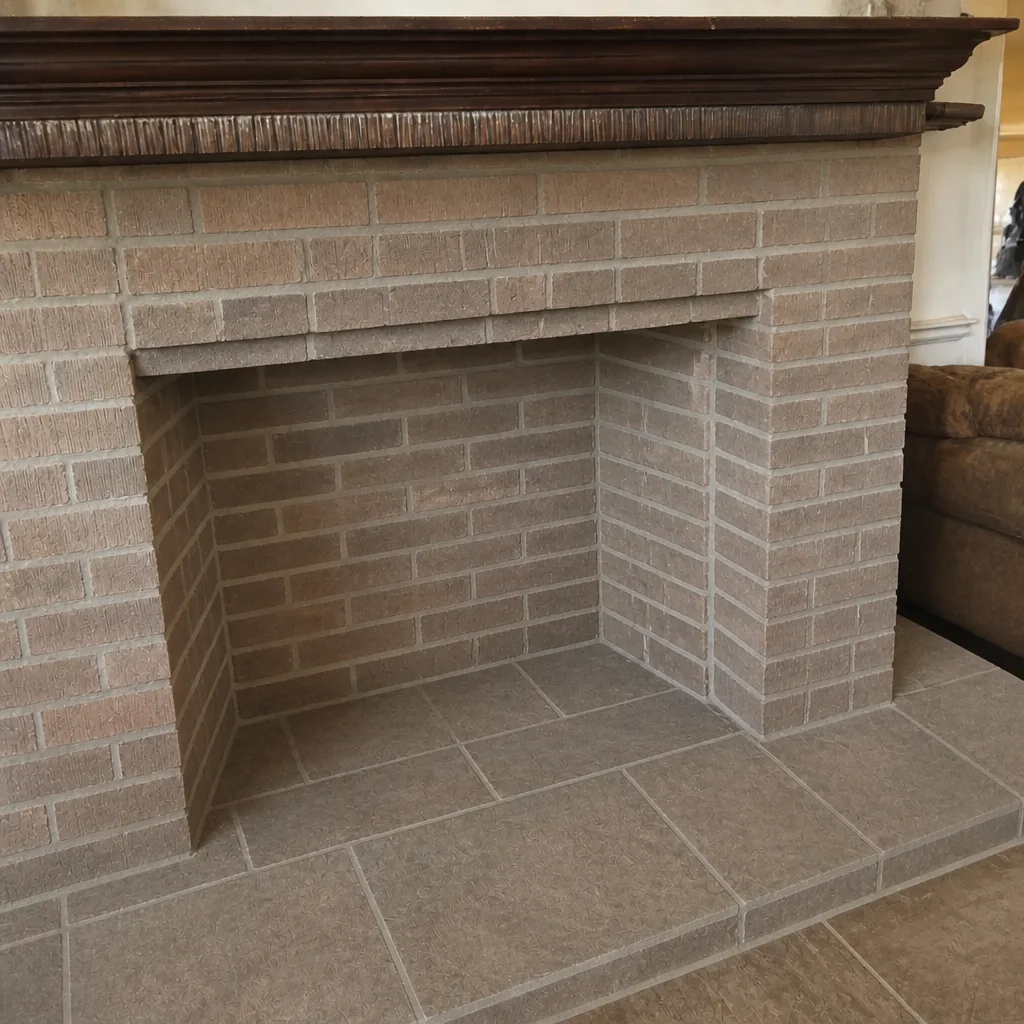
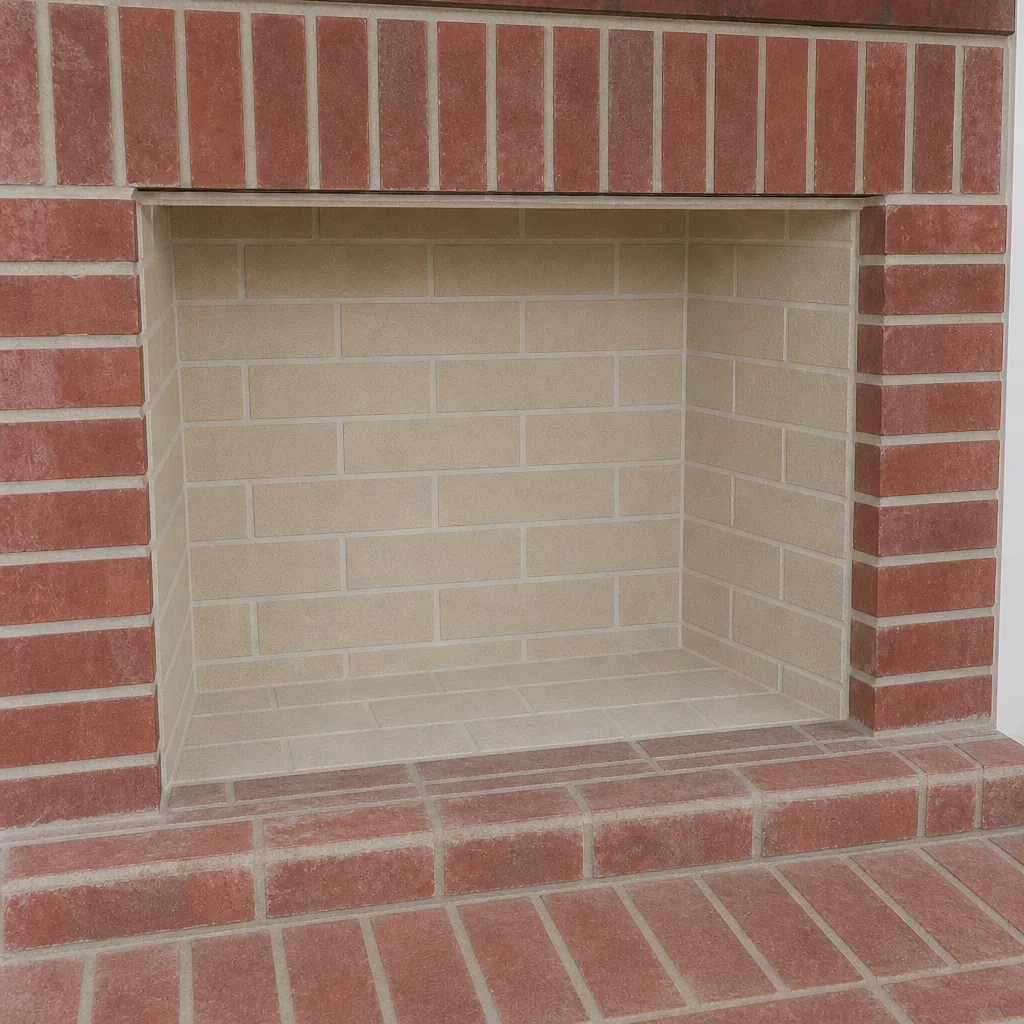
See the difference
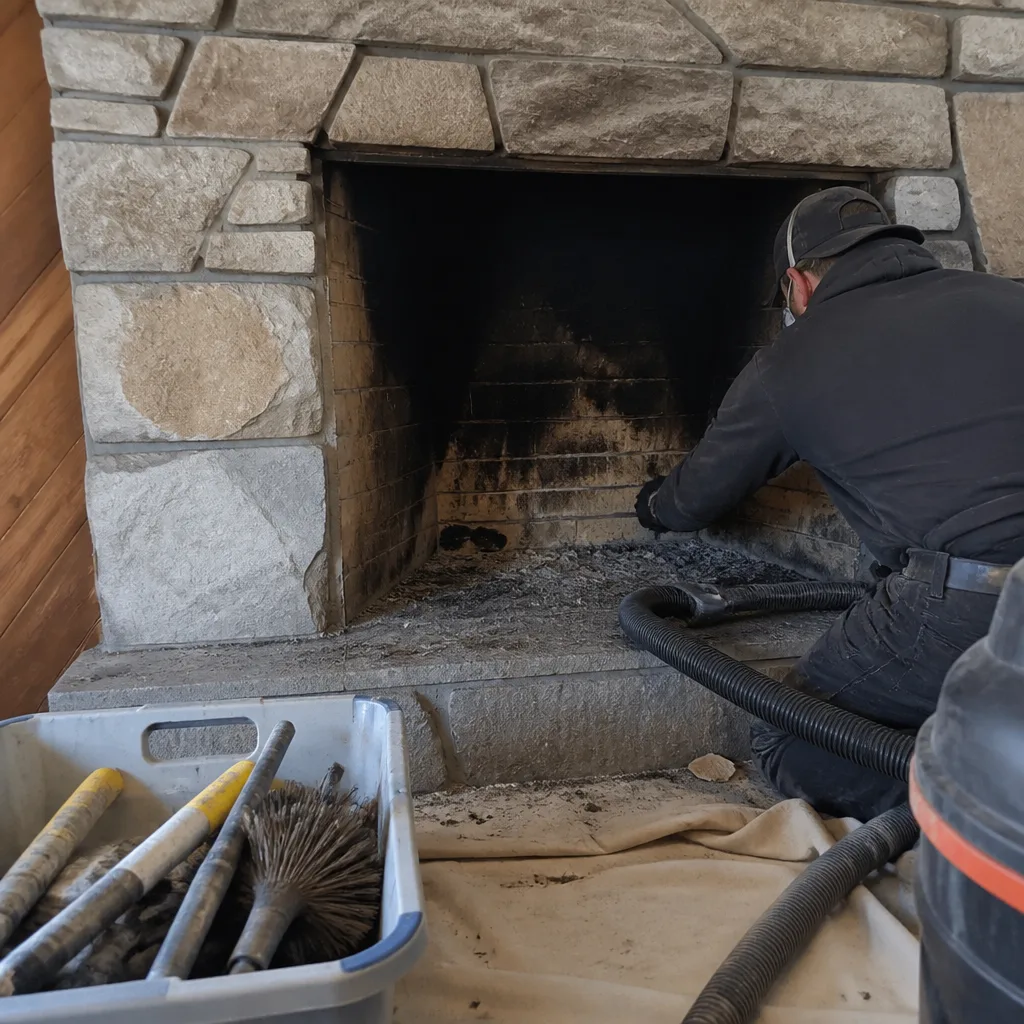 Before
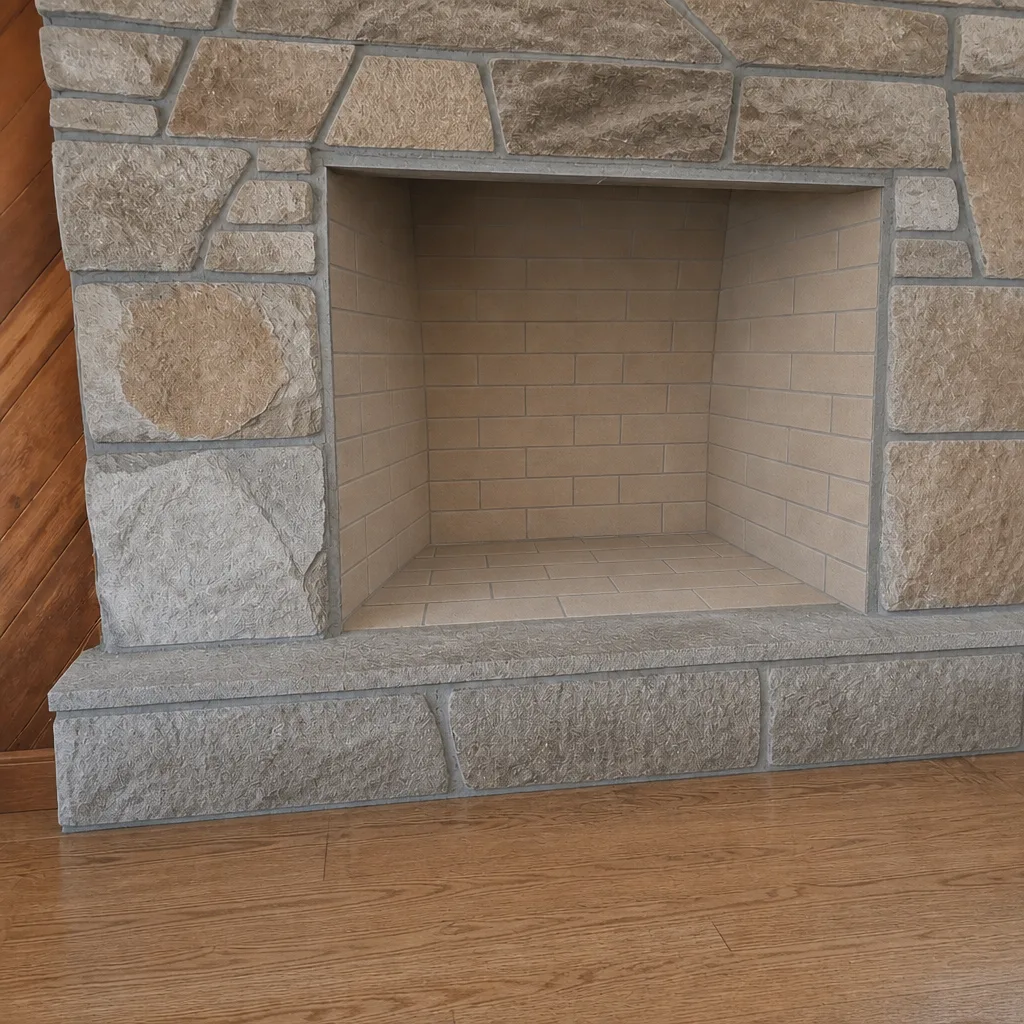 After
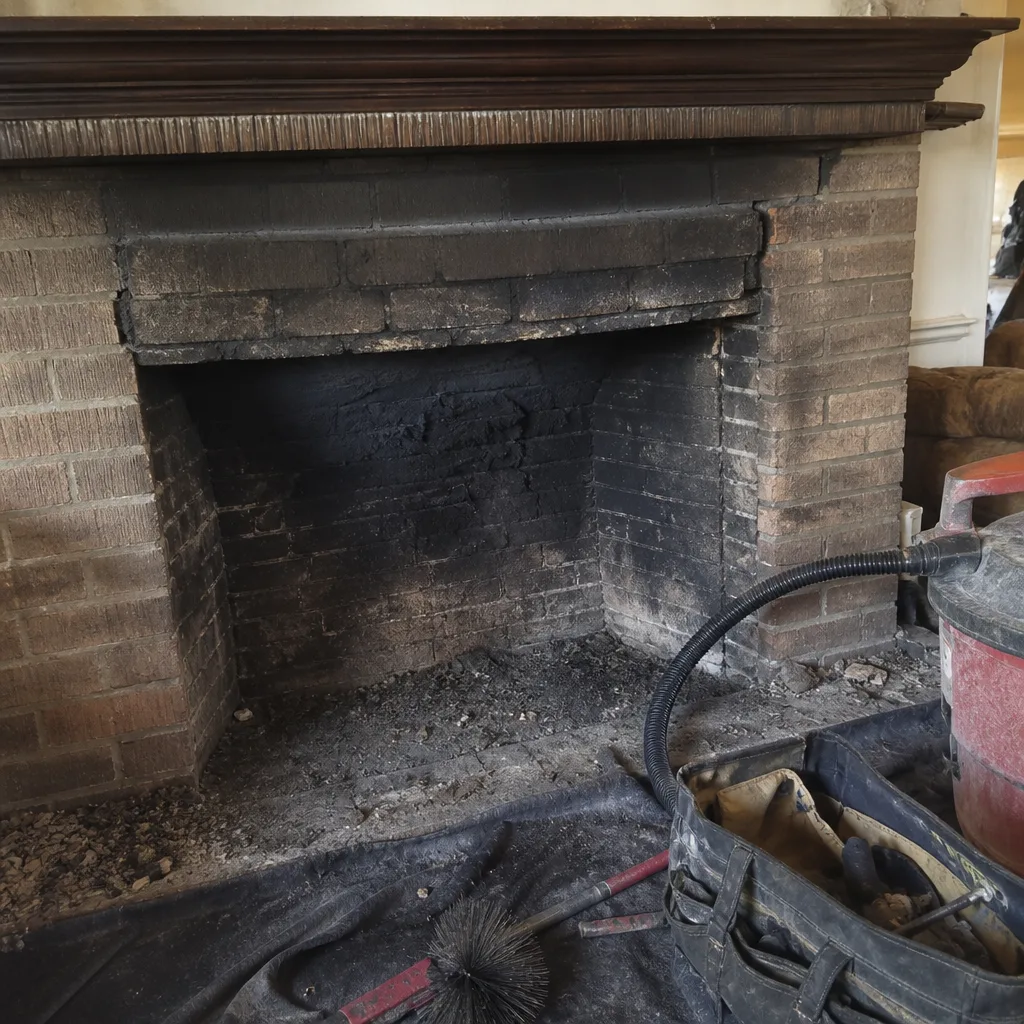 Before
 After
 Before
 After
When to Call a Professional
Call a professional when any of these apply: you’ve never had the chimney inspected since buying the home; it’s been over a year since the last sweep and you burn wood regularly; you smell smoke in the room when the fire is lit; you see smoke backing into the living space; the firebox or flue shows visible damage; or you’re preparing to sell a Hillsboro home and need a documented report. Each of these is a case where a brush alone can’t answer the underlying question, and where the camera inspection and written report are the actual value.
Chimney Sweep Hillsboro offers free estimates in Hillsboro – call (855) 473-8720. We answer 24/7, with fast dispatch from 7am to 7pm, Sunday through Friday.
Frequently Asked Questions
You can remove loose soot in the reachable lower flue yourself, and that’s genuine maintenance. But you can’t diagnose creosote stage, inspect the smoke chamber and upper liner with a camera, check the crown and cap from the roof, or produce a documented report – and in Hillsboro’s wet climate those gaps matter more. A professional sweep covers the cleaning plus the assessment that tells you whether the flue is actually sound.
A DIY brush cleaning removes soot and stage-1 creosote from accessible sections. A professional sweep removes the same soot, then runs a camera through the full flue, assesses the smoke chamber and liner integrity, checks the crown and cap, and produces a written report with photographs. The cleaning is comparable where both reach; the assessment is what a brush kit can’t provide.
For regular wood burning, an annual sweep and inspection is the standard, with more frequent sweeps if you burn heavily. In Hillsboro’s damp climate, the moisture-driven creosote risk means the annual cadence matters more than it would in a drier region. If you’ve never had the chimney looked at or don’t know its history, book an inspection before lighting another fire.
Coverage is set by your policy, not by us. What we can tell you is that claims are easier to support when there’s documentation, and a DIY cleaning produces none. A professional inspection produces a written report with photographs, and we can work with your insurer where that documentation is needed. If you’re unsure what your policy requires, ask your agent directly.
Stage-2 creosote is the hard, crusty, tar-like deposit that forms when incomplete combustion leaves more than loose soot in the flue. It clings to flue walls, it doesn’t come off with a brush, and it burns hotter and longer than stage-1 deposits. Hillsboro’s wet climate makes damp firewood common, which drives stage-2 formation. Removing it takes chemical treatment or mechanical rotary tools a homeowner doesn’t carry.
Yes, and that’s the point of the inspection. After the camera run, we can tell you whether the flue is sound and the cleaning is enough, whether damaged but structurally sound tiles can be resurfaced with HeatShield rather than relined, or whether a DuraFlex liner replacement is warranted. Sweep, inspect, repair – handled by the same specialist, start to finish. Call (855) 473-8720 for a free estimate.
The Bottom Line
DIY chimney cleaning removes soot, and that’s a real contribution. It does not assess creosote stage, inspect the smoke chamber and upper liner, check the crown and cap, or produce a documented report – and in Hillsboro’s wet, high-moisture burn environment, those blind spots are where the real risk sits. The honest division of labor: handle ash removal, exterior visual checks, and wood seasoning yourself. Bring in a professional for the sweep, the camera inspection, and any repair, especially if you’ve never had the chimney looked at or don’t know its history. One specialist can carry the sweep, the inspection, and the repair through to the end, and the evidence they show you is yours to check. Call (855) 473-8720 for a free estimate. We answer 24/7. Fast dispatch from 7am to 7pm, Sunday through Friday.
Written by the team at Chimney Sweep Hillsboro.