
Last updated November 16, 2026
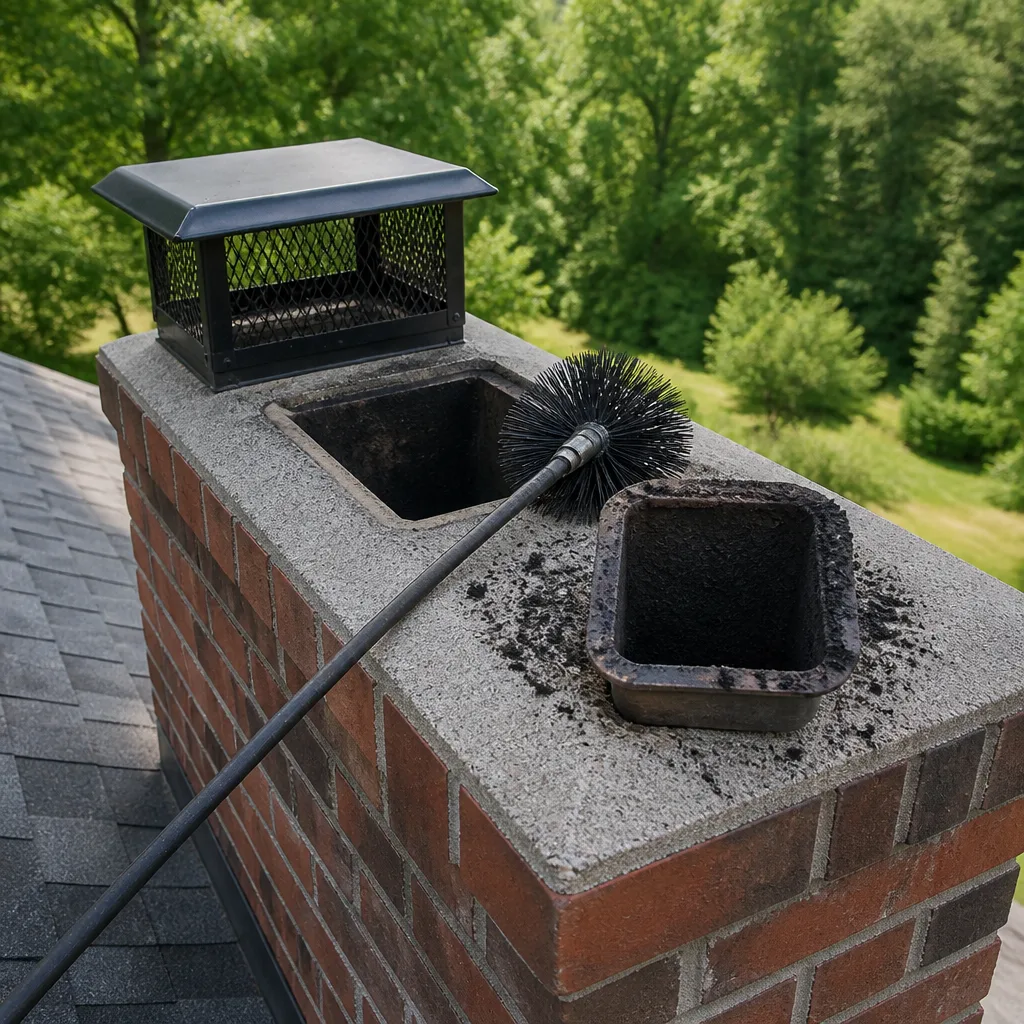 Sweep & inspection
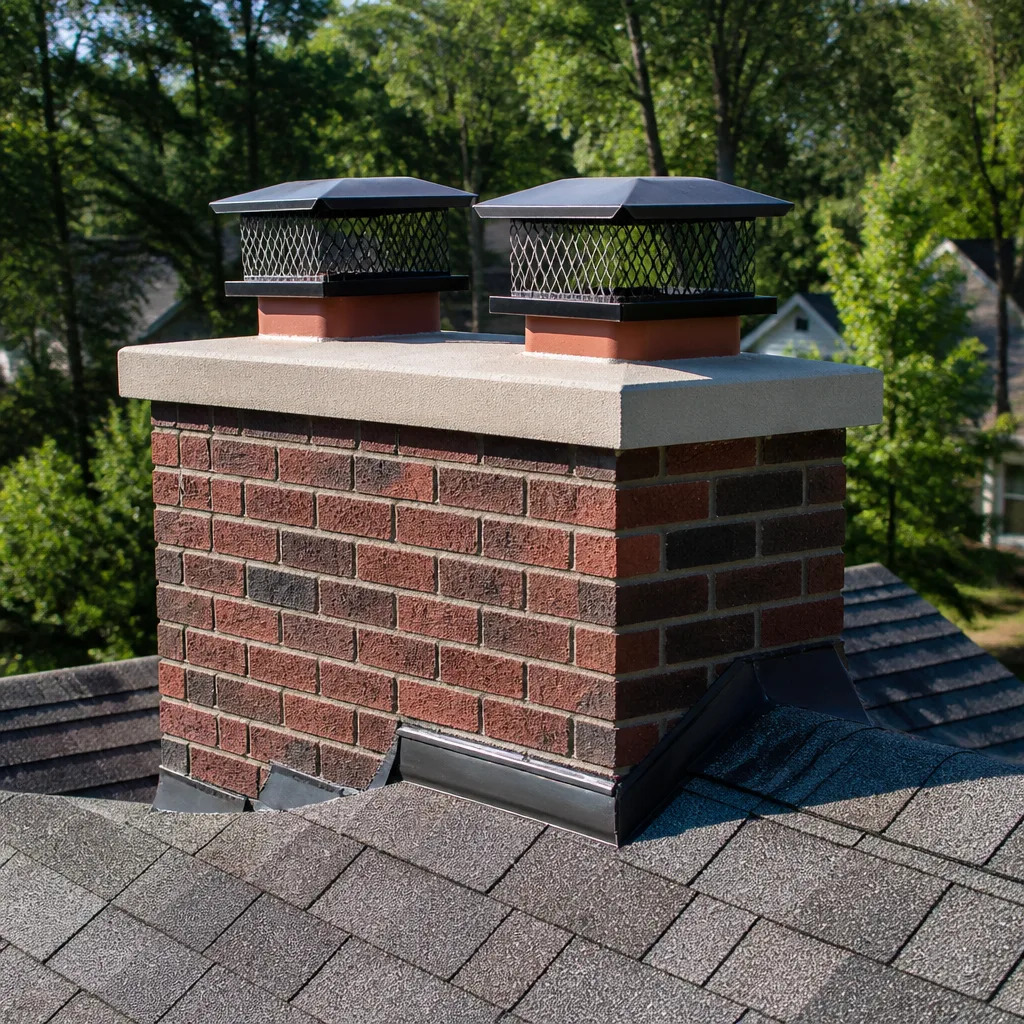 Caps & crowns
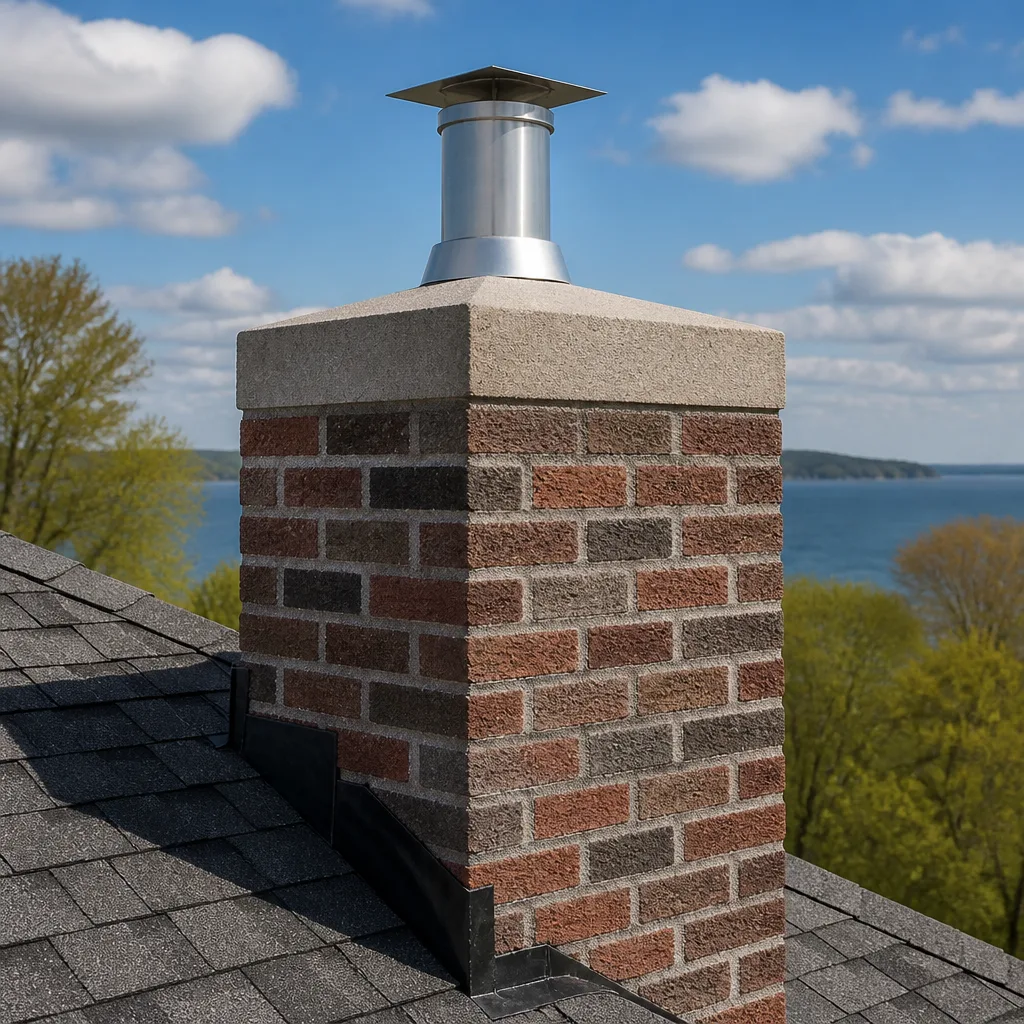 Flue relining
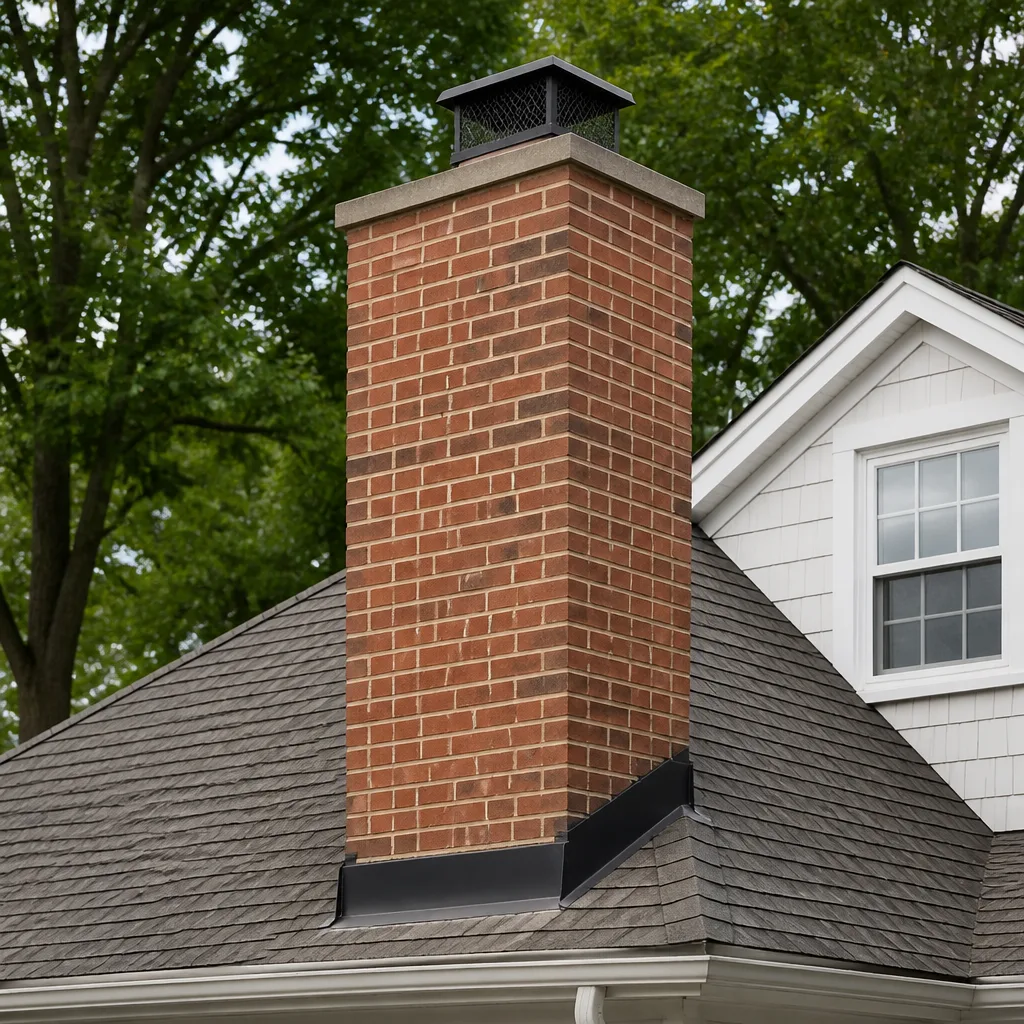 Masonry repair
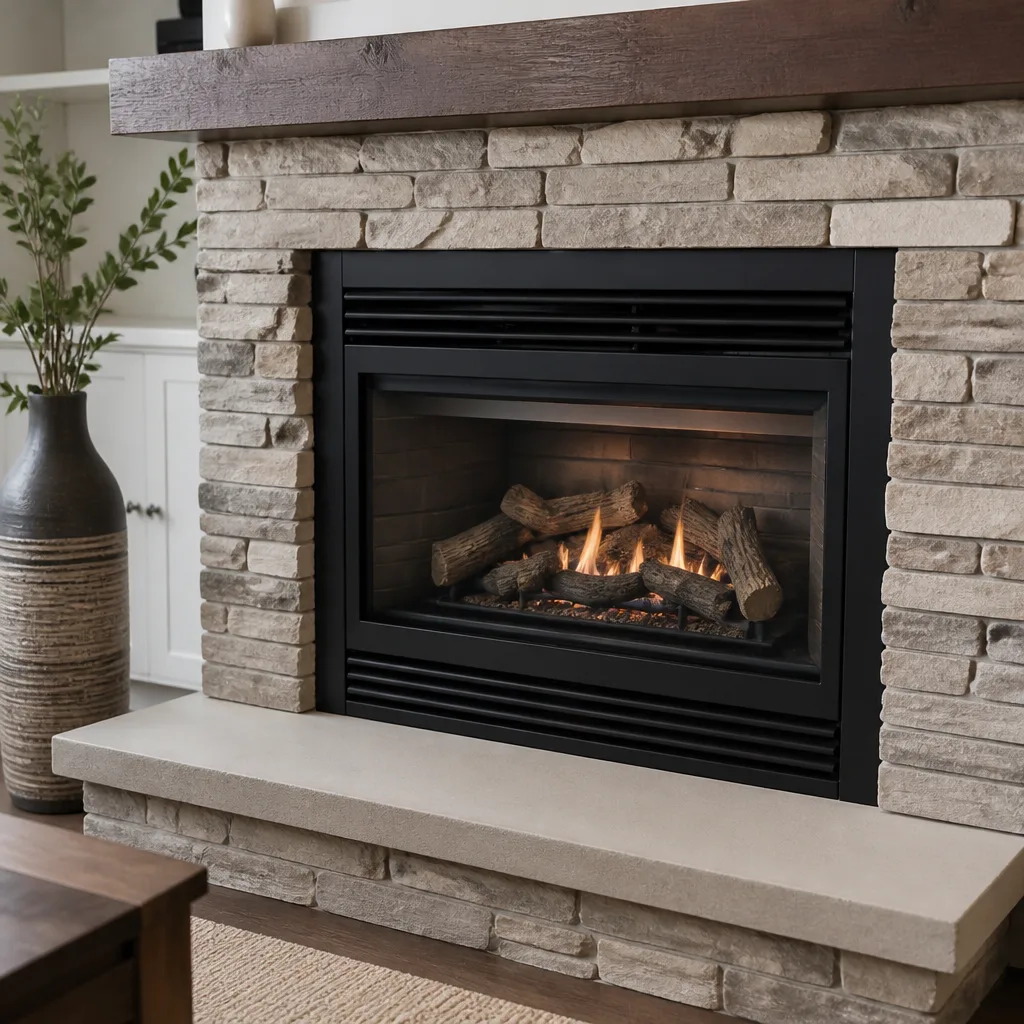 Gas fireplace service
Level 1 sweep and inspection to the NFPA 211 annual standard - flue, crown, cap, and flashing checked and photographed
Chimney sweep logs do not sweep chimneys. They loosen some creosote - which then falls where a brush and vacuum still have to collect it.
Chimney Sweep Troubleshooting in Hillsboro: Common Problems and How to Fix Them
Smoke rolling back into your living room is almost never a dirty flue. That’s the first thing most homeowners get wrong, and it’s the reason so many people pay for a cleaning that doesn’t solve the problem. A backdraft is usually a pressure problem or a draft geometry problem, and neither one goes away because someone ran a brush through the chimney. In this guide, we map the actual cause-and-effect chain behind the six complaints we hear most in Hillsboro: backdraft, odor, white staining, odd noises, water intrusion, and poor draft on a fire that used to burn fine. You’ll learn which symptom points to which system failure, what you can safely check from the ground, and what needs a specialist before you touch anything.
Quick Answer
Most chimney problems in Hillsboro trace back to one of six causes: negative pressure in the house, a cold flue, an undersized flue, a creosote or moisture buildup, an obstruction like an animal nest or a failed cap, or cracked flue tiles letting water and gases through. Each has a distinct symptom and a distinct fix, and cleaning alone rarely solves a draft or pressure problem. A professional inspection tells you which one you’re dealing with before you spend money on the wrong repair.
Styles & brands we work with
- Sweep & inspection
- Caps & crowns
- Flue relining
- Masonry repair
- Gas fireplace service
Table of Contents
- Why Does Smoke Come Back Into the Room? Three Backdraft Causes, Three Fixes
- What That Smell Is Telling You: Creosote vs. Mold vs. Animals
- White Staining on the Chimney: Why Efflorescence Matters in Hillsboro
- Chimney Noises and What Each One Implicates
- Water Intrusion: Caps, Crowns, and Flashing
- What You Can Safely Check From the Ground vs. What Needs a Sweep
- Poor Draft on a Fire That Used to Burn Fine
- Common Mistakes to Avoid
Why Does Smoke Come Back Into the Room? Three Backdraft Causes, Three Fixes
Backdraft has three main causes, and they need three different fixes. If you clean the flue and the smoke still comes back, you were treating the wrong problem.
Negative house pressure is the most common culprit in newer, tighter homes. When a house is sealed up well, running a bath fan, a kitchen exhaust hood, or a clothes dryer pulls air out of the living space. The chimney becomes the path of least resistance, so air (and smoke) gets pulled down the flue instead of up. The fix is usually about air supply, not the chimney itself: cracking a window near the fireplace, adjusting the exhaust setup, or in some cases adding a dedicated outside air source. This is why the problem shows up on cold, still nights when the house is buttoned up tight.
Cold flue syndrome happens when the flue is colder than the room. Cold air is dense and sits in the chimney like a plug. When you light a fire, the smoke has nowhere to go until the flue warms up. The tell is smoke that backdrafts at startup and then clears once the fire gets going. A pre-warm with a rolled newspaper held near the damper (before lighting) can confirm it’s a cold-flue issue, but the permanent fix is often about draft geometry or a properly sized liner.
Undersized flue means the flue is too small for the appliance. An older chimney built for a smaller firebox, or one that’s been relined with the wrong diameter, can’t move enough air volume. The fire smolders, smoke backs up, and no amount of sweeping helps. A chimney repair specialist measures the flue against the appliance and either corrects the geometry or fits a properly sized liner. A DuraFlex liner sized to the appliance is the common answer here, and it’s a scope many sweep-only outfits can’t handle.
What That Smell Is Telling You: Creosote vs. Mold vs. Animals
The smell is a diagnostic clue, not just an annoyance. Three smells point to three different problems in three different locations.
Creosote smells like tar, asphalt, or a smoky barbecue that’s gone stale. It’s strongest on warm, humid days when the chimney isn’t drawing, and it usually means creosote has built up on the flue walls and is off-gassing into the house. The fix is a proper sweep, and the timing matters: creosote is also the fuel for chimney fires, so a smell that returns quickly after a cleaning can mean the buildup is deeper than a surface brush reaches.
Mold or mustiness smells like a damp basement. That points to water getting into the chimney structure, not the firebox. You’ll often catch it in the firebox or at the damper, and the source is usually above: a failed crown, a missing or damaged cap, or flashing that’s let water in around the roofline. Hillsboro’s wet winters make this one common, and it’s a structural issue, not a cleaning issue.
Animal intrusion has a sharp, ammonia-like or uric smell, often with scratching or flapping. Birds, squirrels, and raccoons get into uncapped flues, and their nesting material is both a draft obstruction and a fire hazard. The smell tells you the problem is at the flue top or in the smoke chamber, and the fix is removal plus a proper cap from a line like Gelco or Copperfield so it doesn’t happen again.
If you can’t tell which smell you’re dealing with, that alone is a reason to call. An inspection identifies the location and the source without guesswork.
White Staining on the Chimney: Why Efflorescence Matters in Hillsboro
White staining on a brick chimney is efflorescence, and in Hillsboro’s wet climate it’s a structural warning, not a cosmetic one. Efflorescence is mineral salt pushed to the surface by water moving through the masonry. The salt itself is harmless, but the water that carried it is not. It’s evidence that moisture is migrating through the brick, and that same moisture is what drives spalling (brick faces flaking off) and freeze-thaw damage when temperatures dip below freezing.
Hillsboro’s winters are the issue. Months of rain soak the masonry, and every cold snap expands the water trapped inside. Over a few seasons, a chimney that looked fine starts shedding brick faces, and the flue tiles inside can crack the same way. That matters more than the outside appearance, because cracked flue tiles let combustion gases and water into the structure. A flue with cracked tiles but otherwise sound masonry is a candidate for chimney sweep-adjacent repair using HeatShield resurfacing, which restores the flue lining without a full reline. That saves real money when the structure underneath is still solid. What it can’t save is a chimney that’s already spalling down to the inner wythe, and no coating fixes that.
So the sequence matters. First, find the water source. It’s usually a failed crown, a cracked cap, or flashing that’s separated from the roof. Fix that. Then address the flue interior. Staining alone isn’t a reason to rebuild, and a chimney that’s shedding brick faces isn’t a candidate for a coating either. The inspection tells you which one you have.
Chimney Noises and What Each One Implicates
Chimney noises are specific. Each one points to a different component.
- Ticking or clicking, especially when the fire is out or first lit, usually means metal components expanding and contracting. On a metal liner or a metal firebox, some ticking is normal. Ticking that gets louder or comes with a rattle can mean a loose damper or a liner that’s come free of its connection. That’s worth a look before it turns into a draft or safety problem.
- Rumbling or a low roar during a fire is a signature of a chimney fire or of a fire getting more air than it should. If you hear a sustained roar or see flames coming from the top of the chimney, treat it as an emergency: get out, call the fire department, and don’t use the chimney again until it’s inspected. A rumbling sound without visible fire can also mean a blocked flue forcing smoke to burn hot in the wrong place.
- Scratching or flapping is animal intrusion, almost always birds or squirrels that got in through an uncapped flue. The sound is loudest at the damper. Don’t light a fire until the obstruction is removed, because the nesting material is flammable and the flue is blocked.
- Whistling or howling on a windy day points to air moving through a gap: a poorly fitted cap, an open damper with a strong crosswind, or a draft gap in the smoke chamber. Whistling usually isn’t dangerous but it’s a sign of a poorly sealed system that’s losing efficiency.
The noises that need immediate action are the roar and the scratching. The ticking and whistling are worth an inspection but can wait for a scheduled visit.
Water Intrusion: Caps, Crowns, and Flashing
Water is the single biggest cause of long-term chimney damage in Hillsboro, and it almost always enters from above. There are three common entry points, and they fail in a predictable order.
- The cap. A missing or damaged cap lets rain straight down the flue and lets animals in. A proper cap from a professional line like Gelco or Copperfield keeps both out and is one of the least expensive fixes with the biggest payoff.
- The crown. The crown is the concrete surface on top of the chimney that sheds water away from the masonry. When it cracks, water runs down into the brick instead of off it. That’s how efflorescence starts. Repointing or resurfacing a cracked crown is far cheaper than rebuilding a water-damaged chimney later.
- The flashing. Flashing is the metal seal where the chimney meets the roof. When it separates or rusts through, water runs down the roof and into the attic or the wall. A leak that shows up on the ceiling near the chimney is usually flashing, not the chimney top itself.
The catch is that you can’t safely diagnose the crown or the flashing from the ground, and getting on a wet roof in an Oregon winter is a genuine fall risk. That’s a job for a professional who can look at all three points on the same visit and tell you which one is actually failing. The Chimney Sweep Hillsboro team inspects the cap, crown, and flashing together because fixing two out of three leaves the leak in place.
What You Can Safely Check From the Ground vs. What Needs a Sweep
Some troubleshooting is safe from ground level. Some of it is not, and knowing the difference protects you. Here’s the split.
Safe from the ground:
- Look at the chimney top through binoculars for a missing cap, visible cracking, or white staining on the brick.
- Check the firebox and damper for creosote buildup, rust, or debris.
- Feel for downdraft by holding a lit incense stick near the open damper (with the fire out) and watching which way the smoke goes.
- Note the smell and whether it gets worse on humid days or after rain. That points to creosote vs. water.
- Look at the ceiling and walls near the chimney for water stains.
Needs a professional:
- Anything on the roof or above the roofline. A wet roof in Hillsboro is a slip hazard, and a fall from roof height is a serious injury.
- Opening the flue to look at the tiles. Cracked tiles and gaps in the liner aren’t visible from the firebox.
- Removing an animal nest. There’s a reason wildlife removal is a specialty: it’s not a reach-in-and-grab job, and a blocked flue is a fire hazard until it’s cleared.
- Assessing creosote depth and stage. Glazed, third-stage creosote requires specialized sweeping, not a consumer brush.
- Any noise that sounds like rumbling or a roar during a fire. Stop using the chimney and call. Don’t investigate from inside.
The general rule: if the check involves heights, opening the flue, or touching anything hot or sharp, it’s a specialist’s job. Everything you can assess with your eyes and nose from the floor is fair game, and it’ll help the inspection go faster.
Poor Draft on a Fire That Used to Burn Fine
When a chimney that used to draw well suddenly smokes, the change itself is the clue. Something in the system moved, settled, or filled up. The causes fall in a rough order of likelihood.
- A new obstruction. A bird nest, a fallen cap, or a collapsed tile can partially block the flue. The fire burns but the smoke has a narrower path. This is the most common cause of a sudden change.
- Creosote buildup. A flue that’s been used hard for a season without a sweep can narrow enough to hurt draft. The buildup is worst near the top, where flue gases cool fastest.
- A house change. A new bath fan, a tighter weatherization job, or a new range hood changes the pressure balance in the house. The chimney didn’t change; the house did.
- Damper or smoke chamber issues. A damper that no longer opens fully, or a smoke chamber that’s filled with soot, changes how the fire drafts. This one tends to come on gradually.
- A liner problem. A metal liner that’s come loose from its connection, or a tile liner that’s cracked and shifted, can break the draft path. This is the one to rule out early because it’s a safety issue, not just a performance issue.
In our experience, the fix for a sudden draft loss is usually simple once you know which cause it is, and the only way to know is to look at the whole system. A cleaning alone won’t fix a pressure problem, and a liner repair won’t fix a creosote blockage. The inspection sorts them out before any money gets spent. Work in Hillsboro runs through the whole cycle, so the same specialist who finds the cause handles the repair, without handing you off to a third party.
Common Mistakes to Avoid
- Assuming backdraft means a dirty flue. Cleaning fixes creosote and soot, not negative pressure or a cold flue. If smoke returns after a sweep, you’re still looking at the wrong cause.
- Burning through a wet chimney to “dry it out.” A damp chimney in a Hillsboro winter drafts poorly and deposits more creosote. Fix the water source before you light another fire.
- Ignoring white staining as cosmetic. Efflorescence is evidence of water moving through the masonry. Ignoring it invites spalling and freeze-thaw damage the next cold snap.
- Removing an animal nest yourself. A blocked flue with flammable nesting material is a fire hazard, and wildlife removal isn’t a DIY job. Have it cleared before you light a fire.
- Skipping the cap. An uncapped flue invites rain, animals, and debris straight into the chimney. A proper cap from a professional line is one of the cheapest, highest-value fixes available.
- Getting on a wet roof to “check the flashing.” Water intrusion looks like a flashing problem and often isn’t. The fall risk is real, and the diagnosis needs eyes at three points on the roof, not one.
- Assuming an annual cleaning replaces an inspection. A cleaning removes buildup; it doesn’t evaluate flue tiles, the crown, or the flashing. A standalone inspection is how you learn what your flue actually needs.
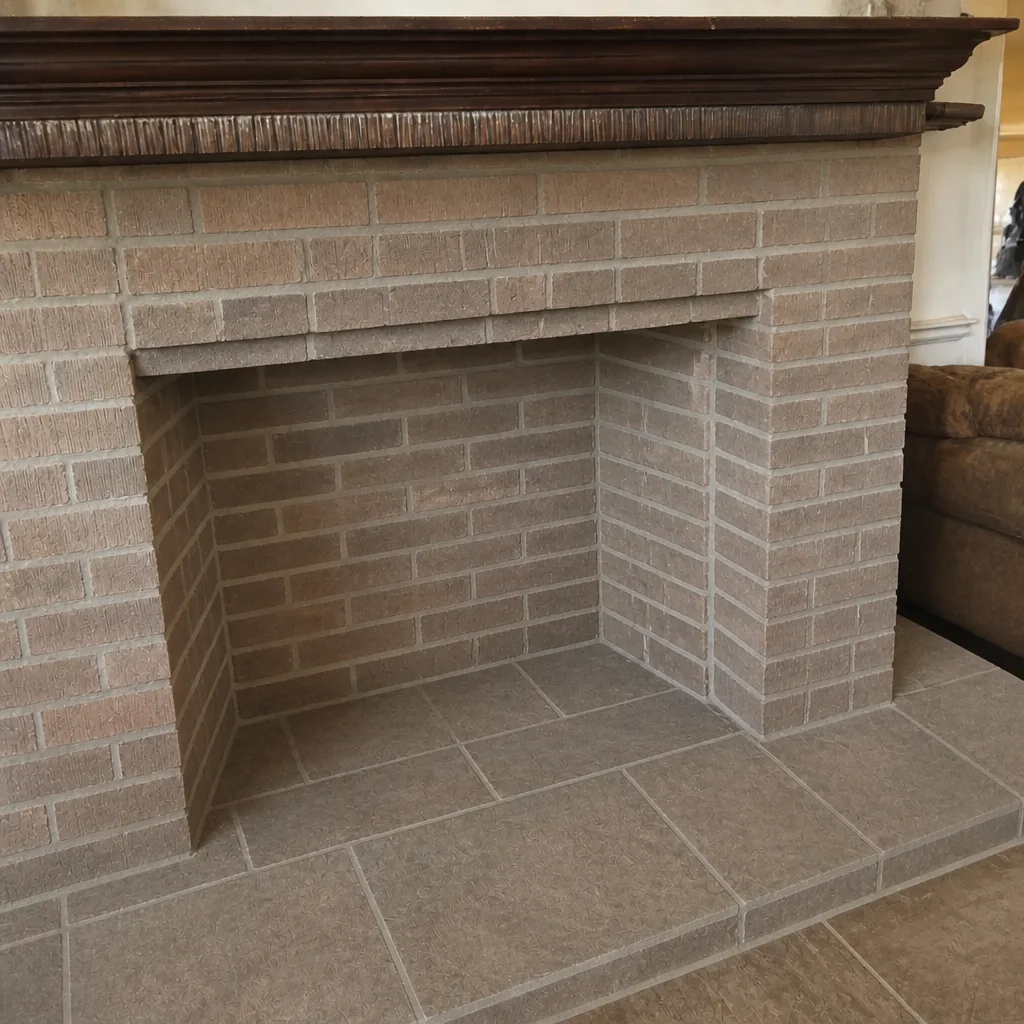
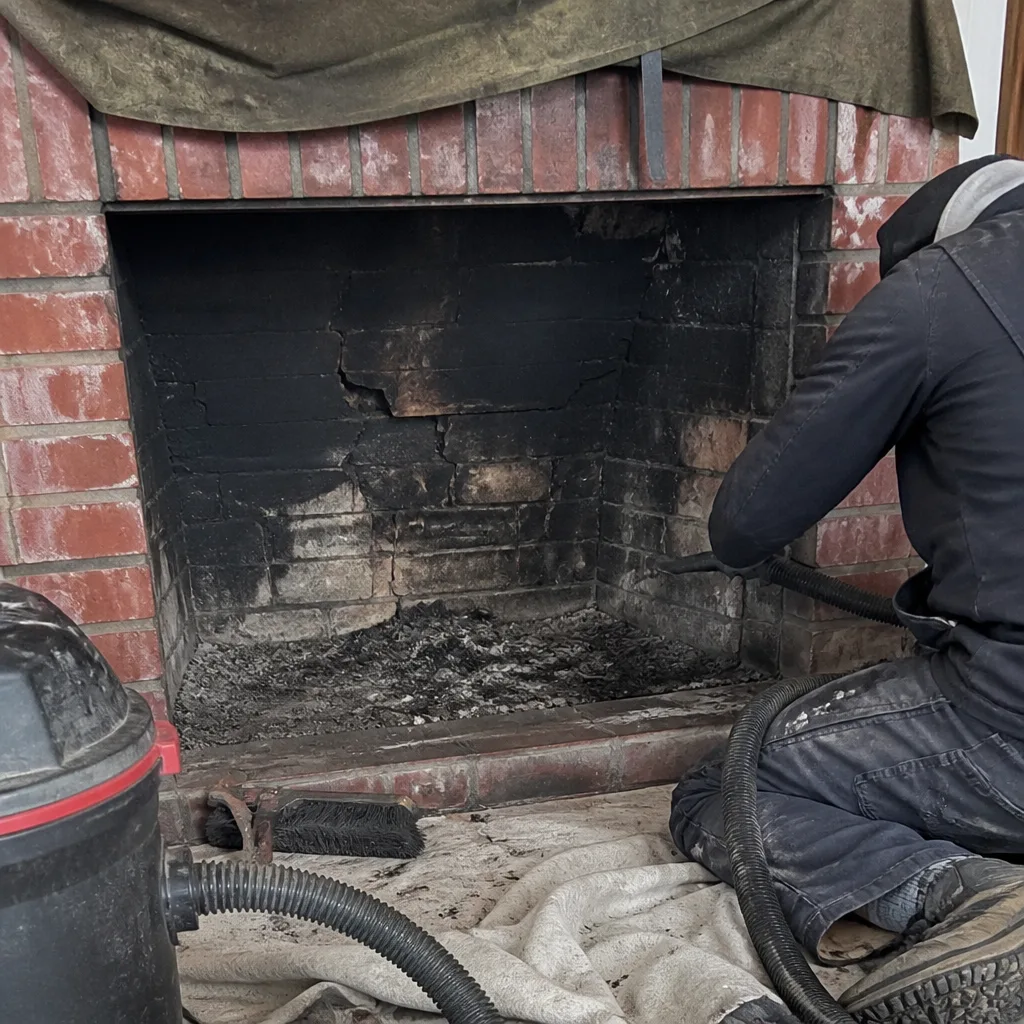
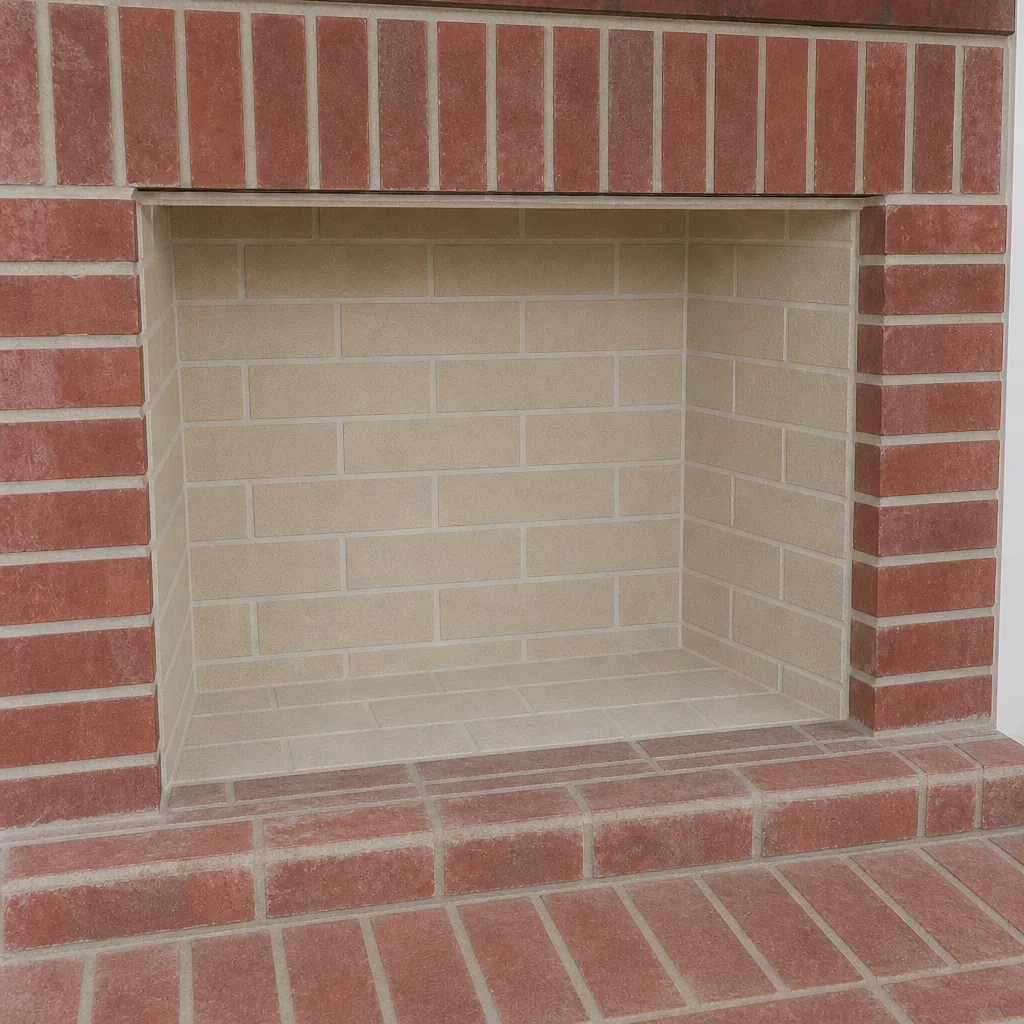
See the difference
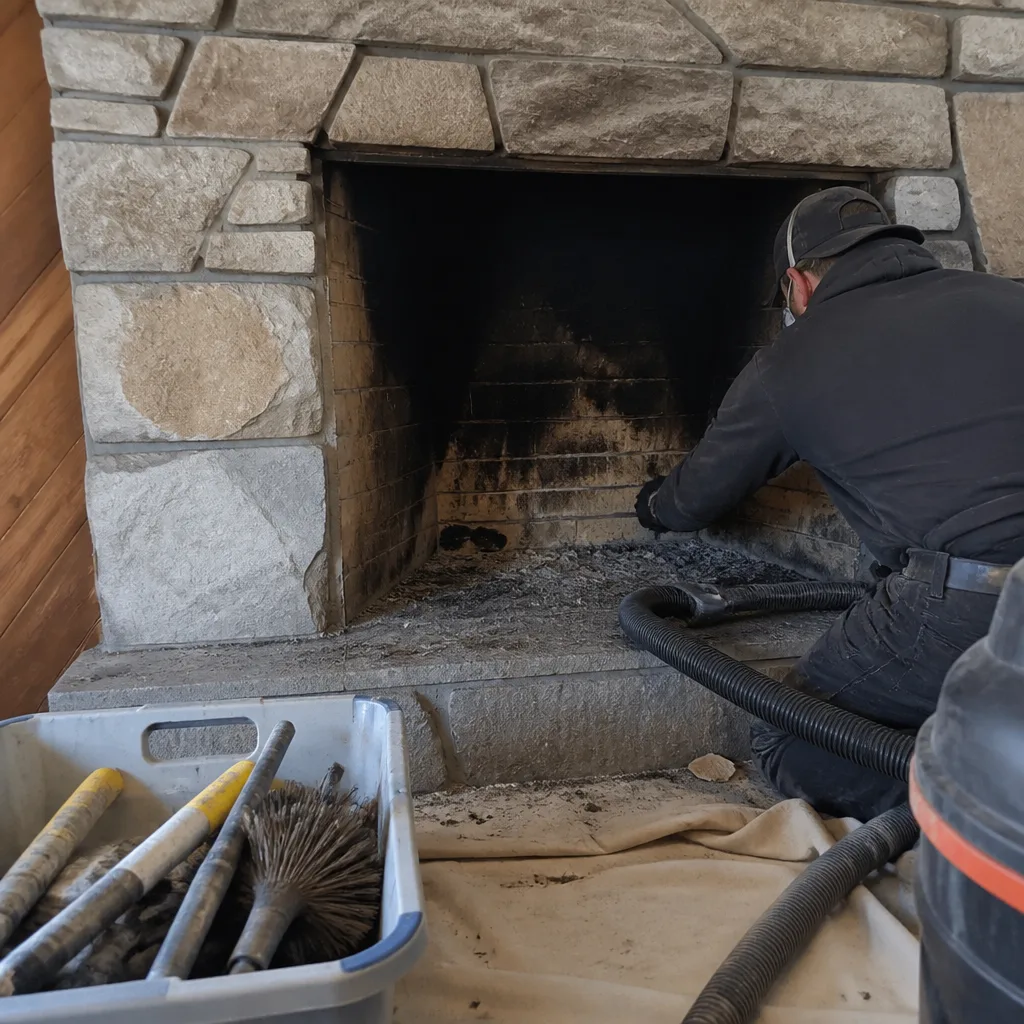 Before
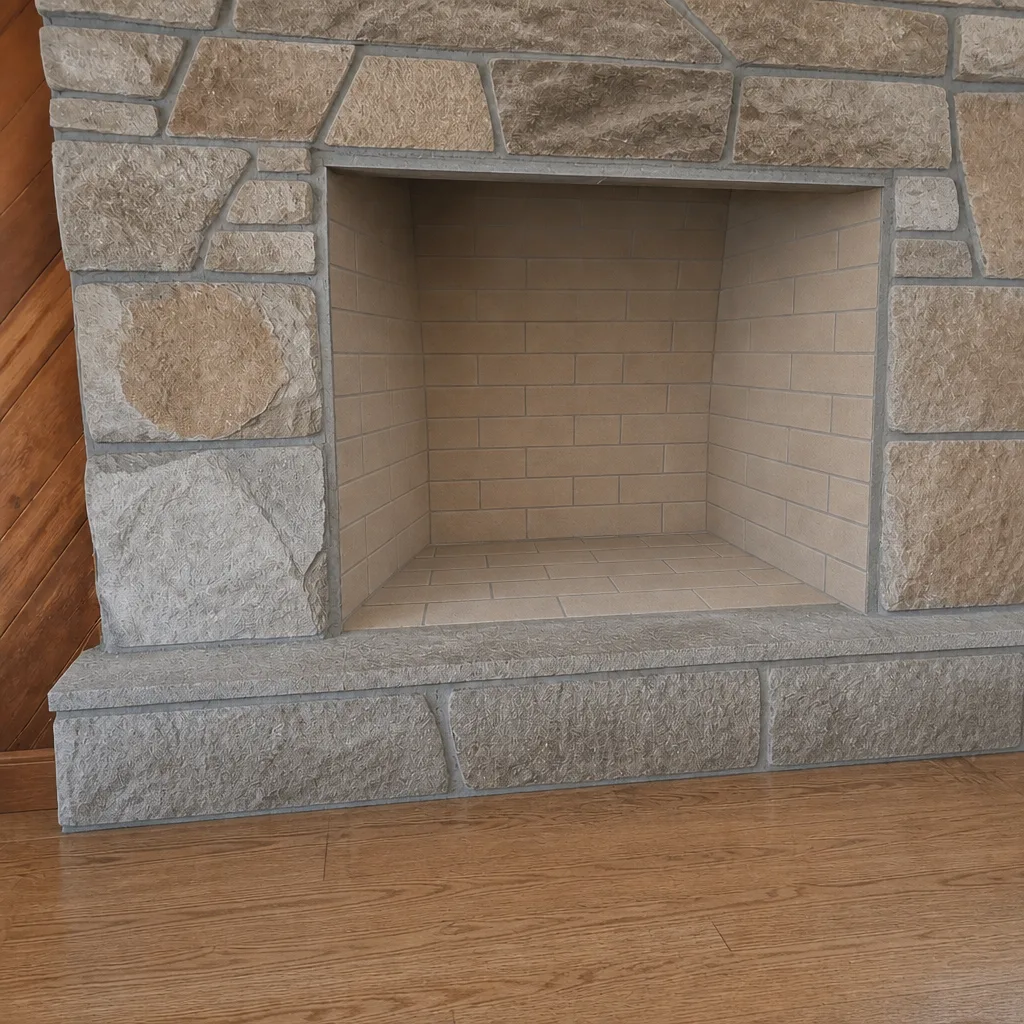 After
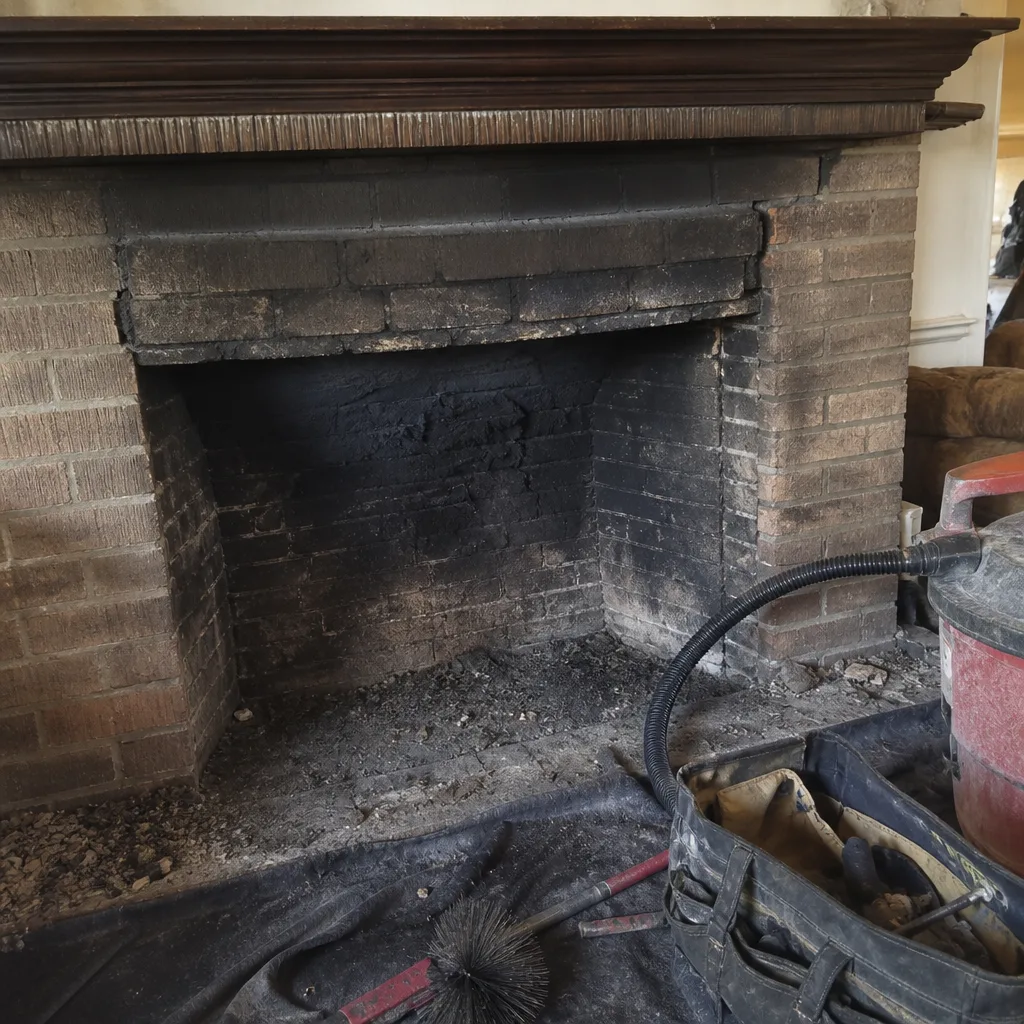 Before
 After
 Before
 After
When to Call a Professional
Call a professional if you hear rumbling or a roar during a fire, if you smell animal intrusion or see scratching, or if a fire that used to draw well has started smoking into the room. Call if the ceiling near the chimney shows water stains, if white staining has appeared on the brick, or if the chimney hasn’t been inspected in over a year. If you’ve recently bought a home in Hillsboro and don’t know the chimney’s history, an inspection is the fastest way to find out what you’ve got. The team at Chimney Sweep Hillsboro offers free estimates in Hillsboro. Call (855) 473-8720. We answer 24/7. Fast dispatch from 7am to 7pm, Sunday through Friday.
Frequently Asked Questions
A sweep removes creosote and soot, but backdraft is usually a pressure or draft-geometry problem that a brush doesn’t touch. Negative house pressure, a cold flue, and an undersized flue all cause smoke backup, and each needs a different fix. Call (855) 473-8720 for an inspection that identifies the actual cause.
The smell points to the location and type of problem. Creosote smells like tar or asphalt, mold smells musty and points to water intrusion, and animal intrusion smells sharp and often comes with scratching. Each needs a different fix, and the fastest way to know which one you have is a professional inspection. Call (855) 473-8720 and we’ll sort it out.
Yes. Efflorescence means water is moving through the masonry, and in Hillsboro’s wet winters that water drives spalling and freeze-thaw damage over a few seasons. It’s a structural warning, not a cosmetic one. Call (855) 473-8720 to find and fix the water source before the damage spreads.
You can safely check the chimney top with binoculars, the firebox and damper for buildup, and the ceiling near the chimney for water stains. Anything on the roof, inside the flue, or involving animal removal needs a professional. Call (855) 473-8720 for the parts you can’t safely reach.
It depends on the flue. If the tiles are cracked but the masonry is sound, HeatShield resurfacing can restore the lining and save the cost of a full reline. If the structure has already failed, resurfacing won’t hold. Our technicians have up to experience and will tell you honestly which one your flue actually needs. Call (855) 473-8720 for an estimate.
An annual inspection is the standard, and it matters more in a climate with wet winters and a long heating season. A cleaning removes buildup; it doesn’t evaluate cracked tiles, a failing crown, or damaged flashing. Call (855) 473-8720 to book an inspection and find out what your flue needs.
The Bottom Line
Most chimney problems have a specific, diagnosable cause, and the symptom points to the system that failed. Smoke backup is usually pressure or draft geometry, not dirt. Smell separates creosote from water from animals. White staining is a water warning in Hillsboro’s climate. Noises each implicate a different component. The fix follows the diagnosis, and the diagnosis needs eyes on the whole system, not just the firebox. Sweep, inspect, and repair handled by the same specialist means no handoffs and no guesswork about who’s responsible for what. If a symptom has you stuck, call (855) 473-8720. Estimates are free, and the written estimate sets the final price.
Written by the team at Chimney Sweep Hillsboro.