
Last updated November 16, 2026
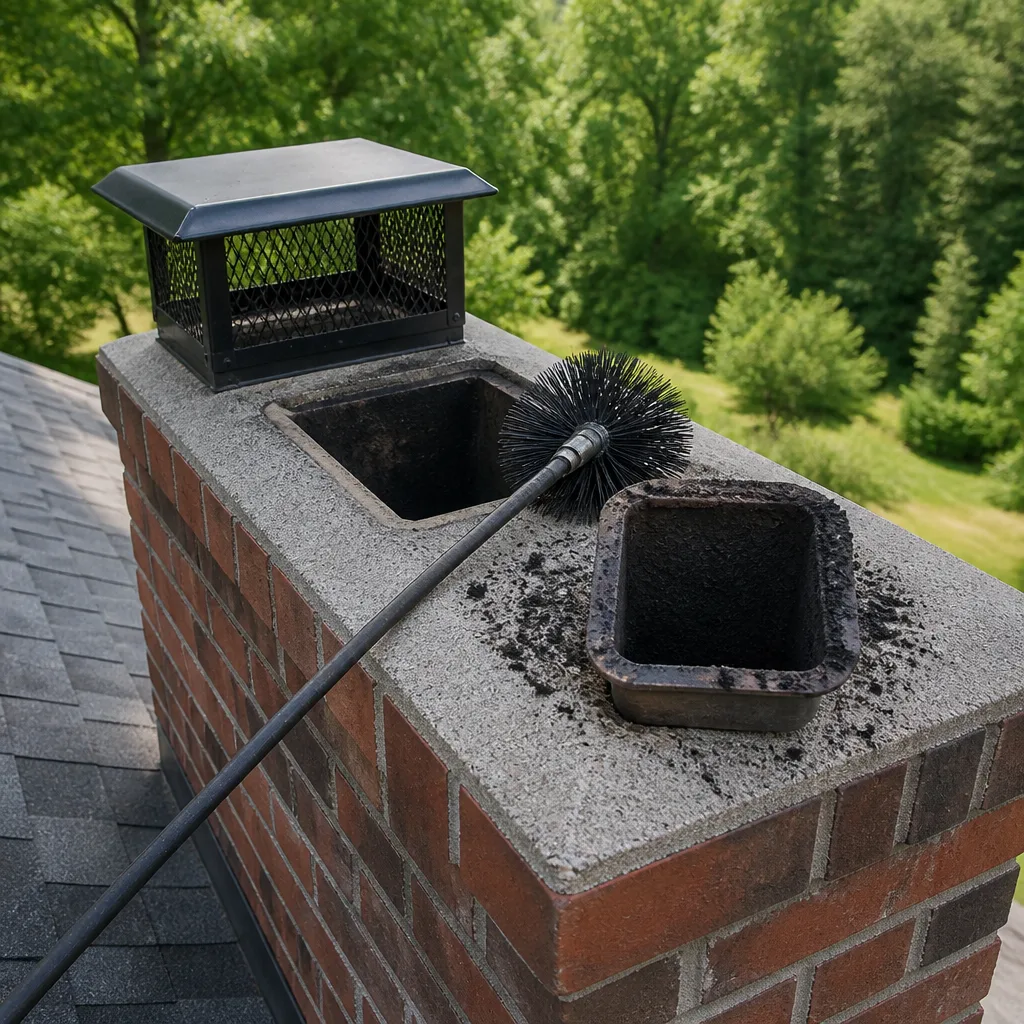 Sweep & inspection
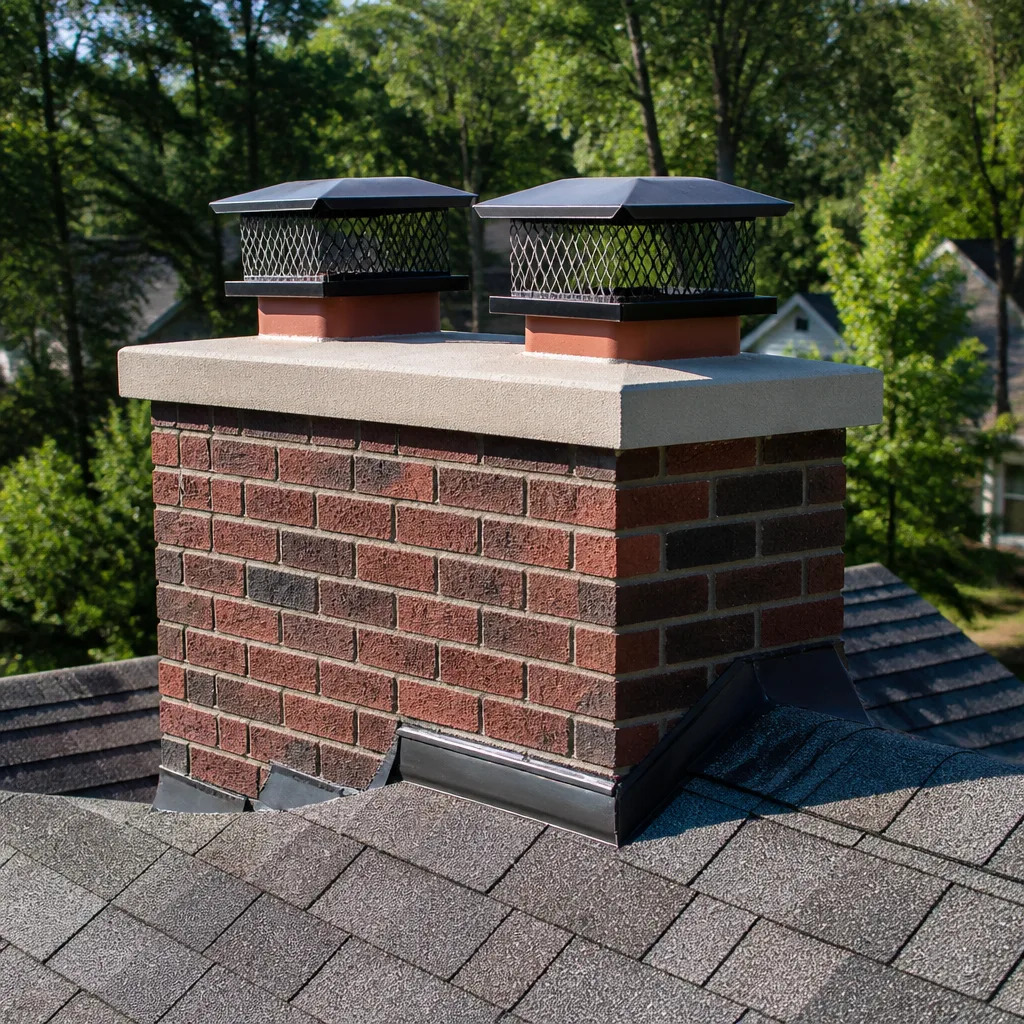 Caps & crowns
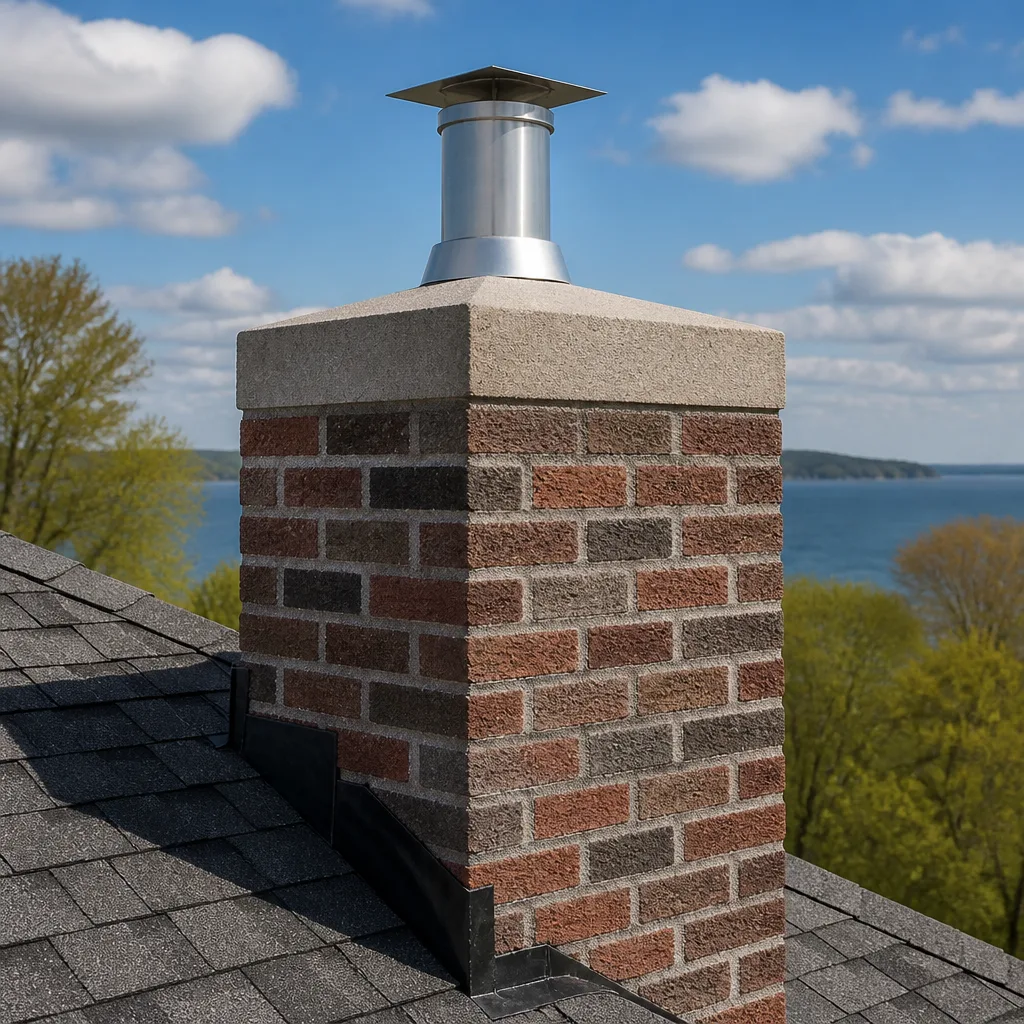 Flue relining
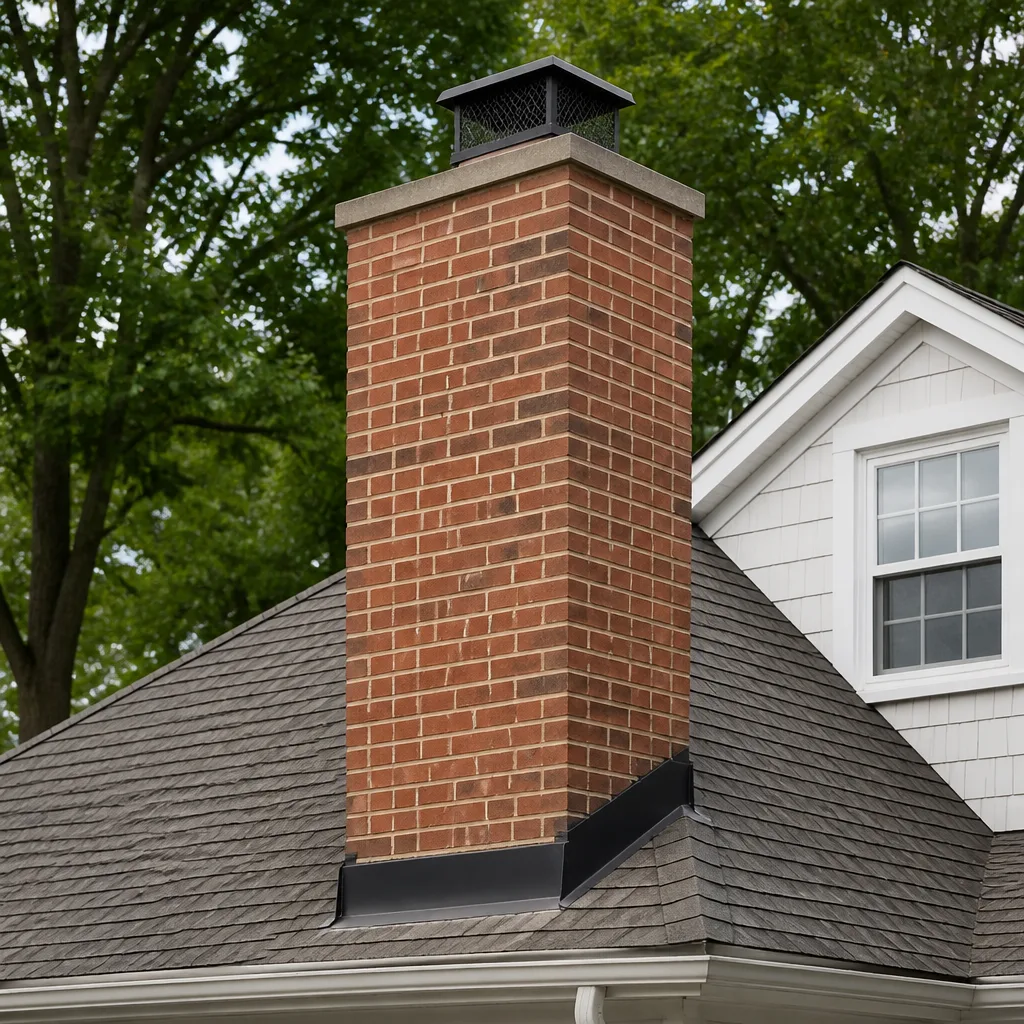 Masonry repair
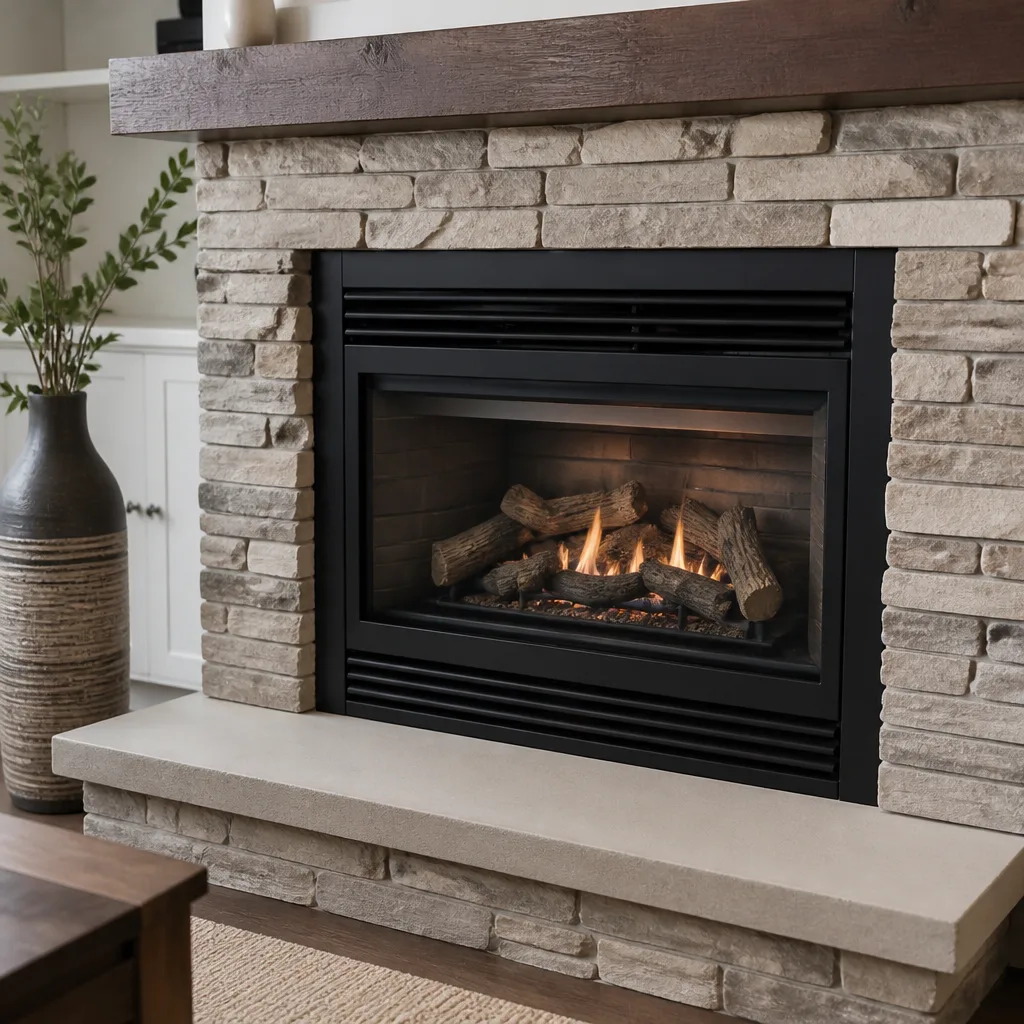 Gas fireplace service
Level 1 sweep and inspection to the NFPA 211 annual standard - flue, crown, cap, and flashing checked and photographed
Chimney sweep logs do not sweep chimneys. They loosen some creosote - which then falls where a brush and vacuum still have to collect it.
Chimney Sweep Maintenance Schedule: What to Do and When
The worst time to schedule a chimney sweep is October, when every sweep in the region is booked – but that’s exactly when most Hillsboro homeowners call. The thinking goes that the fireplace gets used in winter, so the service happens before winter. It seems logical. It also happens to be backward. Your chimney system takes its hardest hits between uses, not during them, and the damage that builds over a wet Hillsboro winter sits quietly in the flue until someone looks at it. Most of it is visible in April and largely invisible in October, once the heating season is underway.
What follows is a working calendar for your chimney: which tasks belong in which month, which you can handle yourself, and which genuinely need a trained eye. It’s built around how a chimney ages through a Pacific Northwest year, not a generic “get it swept every fall” reminder.
Quick Answer
Hillsboro homeowners should sweep a wood-burning chimney annually and book a professional inspection every year, ideally with the sweep. The best timing here is a post-heating-season inspection in April, when freeze-thaw damage from the wet winter is easiest to catch, paired with a pre-season sweep in early fall before burning resumes. Gas fireplace owners still need an annual inspection even though there’s no creosote to clear.
Styles & brands we work with
- Sweep & inspection
- Caps & crowns
- Flue relining
- Masonry repair
- Gas fireplace service
Table of Contents
- Why an Annual Sweep Is the Floor, Not the Ceiling
- April: The Post-Heating-Season Inspection
- Summer: The Quiet Maintenance Window
- Early Fall: The Pre-Season Sweep
- Mid-Season: When to Clean Again
- Four Tasks You Can Do vs. Four That Need a Pro
- Gas Insert Owners: Still an Annual Inspection
- The Month-by-Month Checklist
Why an Annual Sweep Is the Floor, Not the Ceiling
The one-year rule is a good baseline, and it’s where most advice stops. For a chimney in Hillsboro, that baseline needs adjusting. How often a flue actually needs attention depends on three things that a calendar alone can’t track: the fuel you burn, the hours you burn it, and what the weather is doing to the exterior of the structure between fires.
Creosote – the tar-like residue that builds up as smoke cools – is the main driver. It forms faster when wood is damp or when a fire burns cool and smoldering, both of which are common in a wet climate where firewood doesn’t dry easily outdoors. Glazed, hard creosote is the dangerous grade and the hardest to remove. A single annual sweep removes what’s accumulated over a season, but if you’re burning heavily, a mid-season pass may be needed to keep the layer thin.
The usage question is worth putting real numbers on. For wood-burning fireplaces, a common benchmark is:
- A fire burned most evenings through the heating season is roughly one cord of wood and one sweep per year.
- Burning more than about one cord of wood per season, or running the fireplace for more than a few hours on most days, warrants a mid-season flue check.
- A fireplace used only a handful of times a year still needs an annual inspection, even if a full sweep isn’t due.
Usage, not the date on the calendar, is what changes the cadence. Our technicians have up to experience reading that buildup and telling a homeowner plainly whether a sweep is actually due or the flue has another season in it. That honest read is the whole point of an inspection.
April: The Post-Heating-Season Inspection
Spring is the moment most homeowners overlook, and it’s the most useful inspection of the year. Through a Hillsboro winter, the chimney goes through repeated wetting and freezing. Moisture that gets into masonry, mortar joints, or the crown expands when it freezes and can crack the structure a little more each cycle. By the time the weather warms, those cracks are visible – but by fall, seasonal debris and new growth can disguise them, and the season is about to start.
A spring inspection catches freeze-thaw damage while it’s fresh and while there’s time to repair before the next rainy season. Specifically, an April check looks at:
- The crown and mortar joints at the top of the chimney, where freeze-thaw cracking concentrates.
- The flue liner, to spot cracked or deteriorated tiles before they become a safety issue.
- The firebox and damper, which take direct heat stress all winter.
- The cap and any flashing, checking for storm damage from the winter.
What makes this valuable is the evidence. Nothing gets recommended here on a hunch. When a liner is damaged, we show the camera inspection footage and the photo report so you can see the crack yourself and decide. When the flue is structurally sound but the tiles are pitted or deteriorated, we carry HeatShield resurfacing capability, which can restore the flue rather than requiring a full reline – a real cost difference, and one we’ll tell you honestly whether you actually need. Sweep, inspect, repair: handled by the same specialist, start to finish, with no handoff to a third party.
Summer: The Quiet Maintenance Window
Summer is the season nobody thinks about the chimney, which is exactly why it’s the best time to book the work that takes longer. If the spring inspection turned up a damaged liner or flue that needs chimney repair, summer is when that repair can be done without disrupting your home and without competing for a technician’s calendar.
Liner work is the big one. When a flue needs a new liner or a replacement, we install DuraFlex flexible liner systems – a repair scope many sweep-only competitors can’t match. Liner systems built to specification and installed by people who work with them routinely are what keeps the flue safe through the next several seasons. That kind of installation is a professional-grade job, and it doesn’t belong to a general-purpose handyman doing it on the side.
Summer is also when caps, covers, and components get replaced. We source those from professional supply lines – Olympia Chimney and Famco among them – which means specification-correct parts, not what’s on the shelf at the hardware store. If a squirrel has chewed through a cap screen or a crown has finally cracked past repair, this is the window to fix it before fall.
One practical note about timing: booking inspection and repair in summer keeps October open for the sweep itself, when demand peaks. Backlog builds through September, and the homeowner who waits for the first cold snap is competing with everyone else who waited.
Early Fall: The Pre-Season Sweep
The pre-season chimney sweep is the one everyone knows about, and it earns its reputation. This is the cleaning that removes a full season’s creosote and soot before the first fire, so the flue starts clean. For most Hillsboro homes, early fall – before the first sustained cold and before the fall rains set in – is the sweet spot.
Here’s how a professional sweep actually runs, step by step:
- We lay drop cloths and set up containment so soot stays in the flue and out of your living room.
- We inspect the flue and firebox with a camera and photograph what we find.
- We brush and clean the flue, firebox, smoke chamber, and damper as needed.
- We remove the creosote and soot, then clear the work area.
- We give you a written report with photos and any recommendations.
The pre-season sweep matters most for heavily used wood fireplaces, but it isn’t only about volume. A flue that sat all summer can pick up nesting debris, a cracked cap screen, or a bird’s nest in the flue – things that turn a first fire into a smoke-filled room. A clean flue with a clear cap starts the season without that surprise.
Mid-Season: When to Clean Again
Most homes don’t need a mid-season cleaning. Some do, and the clues are visible if you know where to look. The one-year rule swaps to “every cord” for heavier burners, and here’s how to judge whether your fireplace crosses that line:
- You’ve burned more than about one cord of firewood since the last sweep.
- The fire burns weakly, smokes when you open the glass, or backdrafts into the room.
- A strong creosote smell hangs near the fireplace even when it’s not in use.
- You see a visible buildup of dark, crusty or glazed deposit on the flue walls.
Any one of these is reason enough to have the flue checked rather than guessed at. A weak draft or a smell isn’t just inconvenient; it can indicate that creosote has reached a level where the heat of a normal fire can ignite it, or that the flue is partially blocked. That’s not a scare tactic – it’s the reason sweeps exist. If you notice these signs mid-season, book the check. Call (855) 473-8720 to schedule. We answer 24/7. Fast dispatch from 7am to 7pm, Sunday through Friday.
Four Tasks You Can Do vs. Four That Need a Pro
Homeowners can do real maintenance work between professional sweeps, and it’s worth doing. The line between what’s safe to handle yourself and what isn’t is clear, and it should be respected. High-tension components and anything inside the flue are professional territory.
Four tasks you can do yourself
- Check the damper. Open and close it and make sure it moves freely and seals properly when shut. A damper that sticks or won’t seal wastes heat and can let cold air and odor in.
- Scan the visible firebox. Look for loose bricks, crumbling mortar in the firebox, or cracks. Note anything you find so the inspection can look closer.
- Inspect the cap from the ground. Use binoculars to check that the cap and spark screen are intact and clear of debris and nests. Never get on the roof to do this.
- Run a smoke test. Light a small fire and watch how the smoke behaves. If smoke spills into the room instead of drawing up the flue, that’s a sign to call a professional, not to keep testing.
Four tasks that need a professional
- Anything inside the flue. Cleaning creosote and brushing the flue requires the right tools and containment, and doing it wrong spreads soot and leaves dangerous buildup behind.
- Liner inspection and repair. The flue liner is a safety barrier, and a cracked or deteriorated liner can let heat and gases reach the structure. This needs a camera inspection and a trained eye.
- Roof-level work. Capping, crown repair, and flashing work involve steep-roof height work. It is not a job to tackle without the right training and equipment.
- Any repair involving firebox, damper mechanism, or gas components. These touch heat and combustion safety directly. A trained professional belongs on these; a generalist handyman doesn’t.
The split is simple. Checking and observing are yours. Repairing and cleaning the flue are ours. When in doubt, the honest move is to have it looked at – a standalone inspection is not a sales funnel; it’s how we determine what your flue actually needs.
Gas Insert Owners: Still an Annual Inspection
The most common misconception we hear is that a gas fireplace needs no annual attention because it produces no creosote. It’s true that there’s no creosote to sweep. The annual inspection is still necessary, and it checks a different set of things:
- Venting and termination. The vent path is checked for blockages, birds’ nests, or damage that would affect how the fireplace exhausts.
- Seals and connections. Gas connections and the seals around the insert are inspected for leaks and soundness. We work with your gas appliance, and gas work belongs with a qualified professional.
- Firebox and glass condition. The glass, logs, and firebox are checked for cracks or deterioration.
- Combustion safety. The appliance is checked for safe operation, including the visible signs that could indicate a combustion problem.
An annual inspection is also a chance to catch a problem before carbon monoxide risk develops. We never want to imply a hazard that isn’t there – but a gas appliance that works cleanly is one that’s been checked, and that check is the reason to book the inspection even when there’s no soot to clear.
The Month-by-Month Checklist
Here’s the whole schedule in one place, structured around a Hillsboro year. Use it as a running calendar – it’s built for printing and pinning up near the fireplace.
January – February (heating season)
- Burn dry, seasoned wood; avoid smoldering, cool fires that build creosote fastest.
- Do the damper check and a visible firebox scan every few weeks.
- Watch for weak draft, smoke spillage, or creosote odor and book a check if you see them.
March – April (end of heating season)
- Book the post-heating-season inspection in April, before freeze-thaw damage from the wet winter gets disguised by spring growth.
- Have the flue checked with a camera and get a photo report.
- Schedule any repair the inspection turns up into the quiet summer window.
May – July (the quiet window)
- Complete liner repair or replacement (DuraFlex systems) without competing for a technician’s calendar.
- Replace caps, crowns, and components from professional supply lines.
- Keep the cap clear of leaves and nesting debris; a ground-level check is enough.
August – early October (pre-season)
- Book the annual sweep in early fall, before demand peaks in October.
- Confirm the flue, firebox, smoke chamber, and damper are cleaned and clear.
- Check the cap and spark screen from the ground and book roof-level work if either is damaged.
October – December (early heating season)
- Start the season with a clean flue and a clear cap.
- Keep an eye on how the fire draws; if smoke spills or the draft weakens, get it checked.
- Track your firewood use so you know when a mid-season check is due.
Common Mistakes to Avoid
- Only sweeping in October. Booking the pre-season sweep in early fall is right, but skipping the spring inspection means freeze-thaw damage from the winter goes unseen until it worsens.
- Assuming a gas insert needs no service. A gas fireplace has no creosote, but it still needs the annual inspection that checks venting, seals, and combustion safety.
- Burning damp or unseasoned wood. In Hillsboro’s wet climate, firewood that hasn’t dried properly burns cool and builds creosote faster. Dry, seasoned wood is worth the effort.
- Getting on the roof to check the cap. Steep-roof height work is a professional task. Binoculars from the ground tell you plenty; leave the roof to us.
- Treating an inspection as an upsell. A good inspection tells you honestly what your flue needs and when a repair can safely wait. If someone jumps straight to selling a full reline with no camera evidence, get a second opinion.
- Waiting for a problem to appear. The point of a schedule is to catch things in the mild months, not when a smoke-filled room forces the issue.
- Assuming one sweep covers a heavy burning habit. Burning more than about a cord a season means the flue should be checked mid-season, not just cleaned once a year.
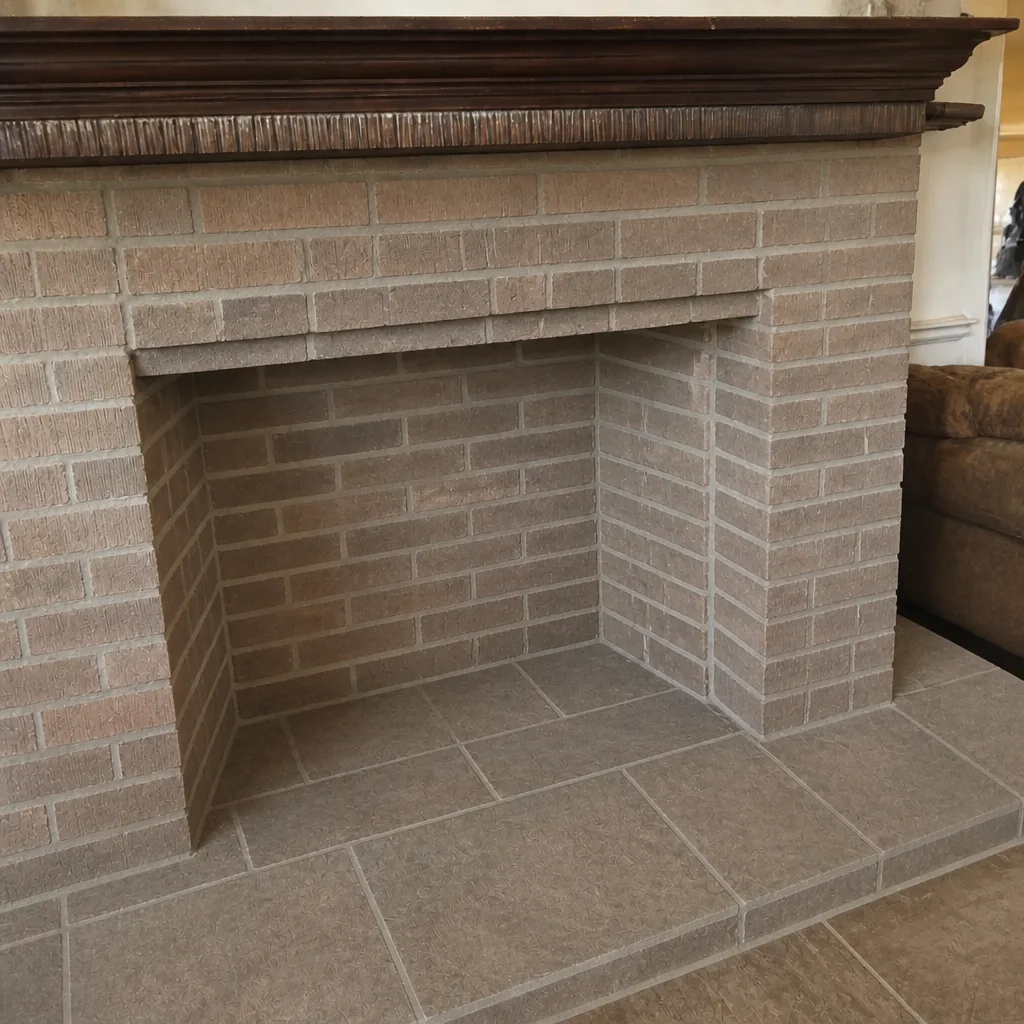
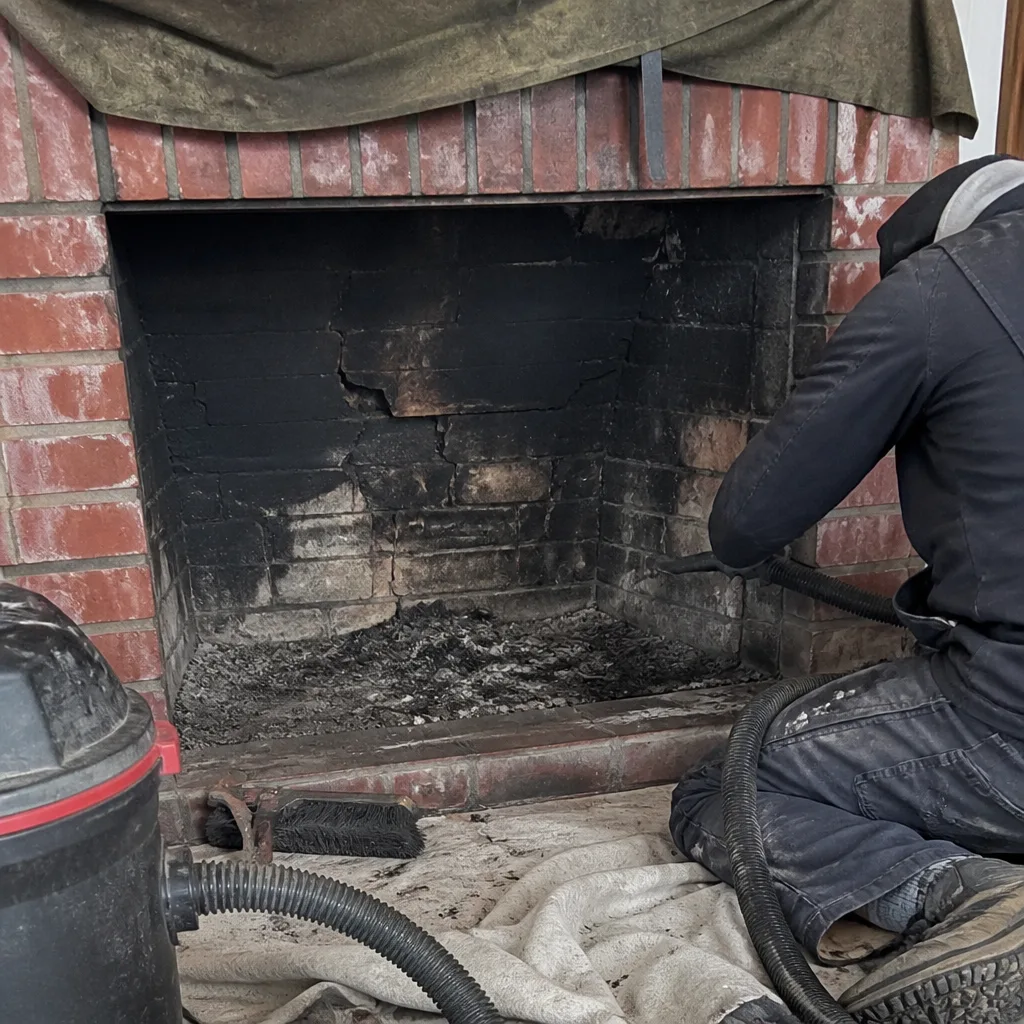
See the difference
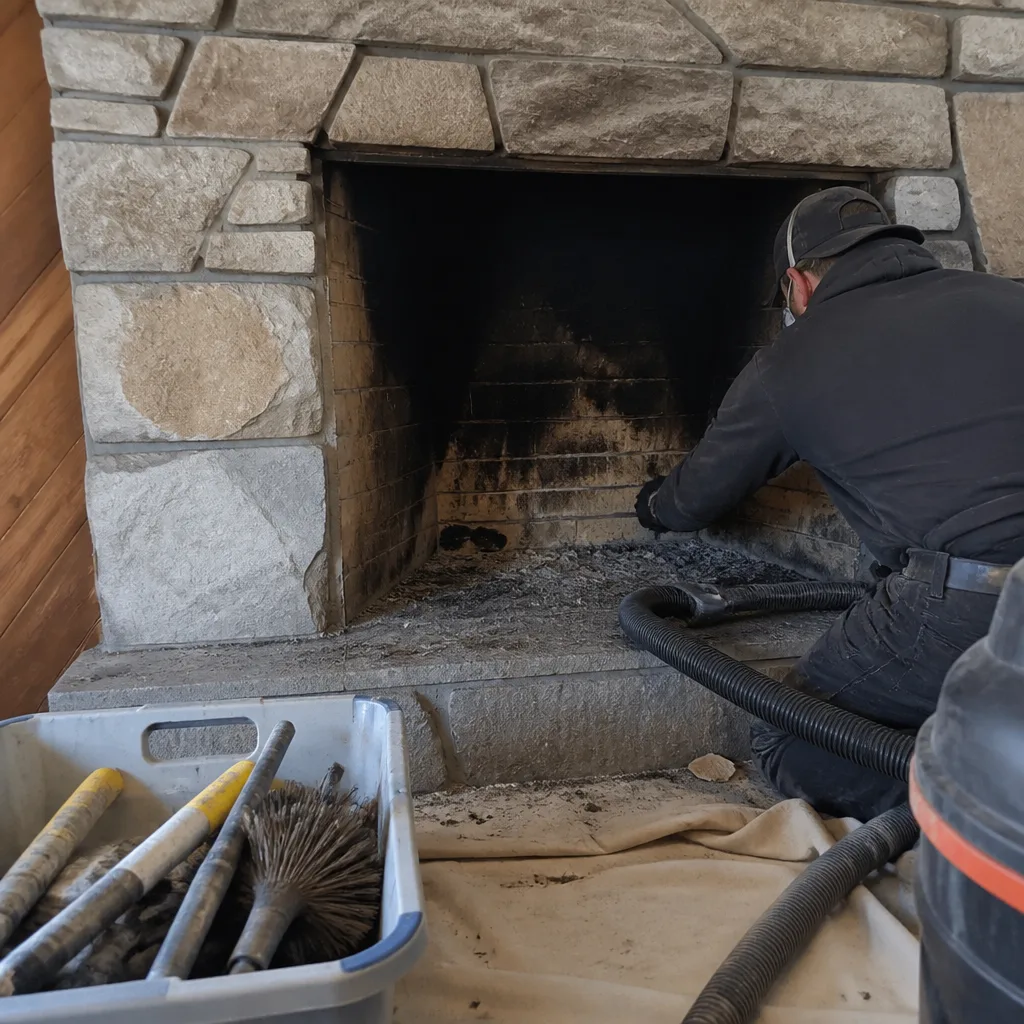 Before
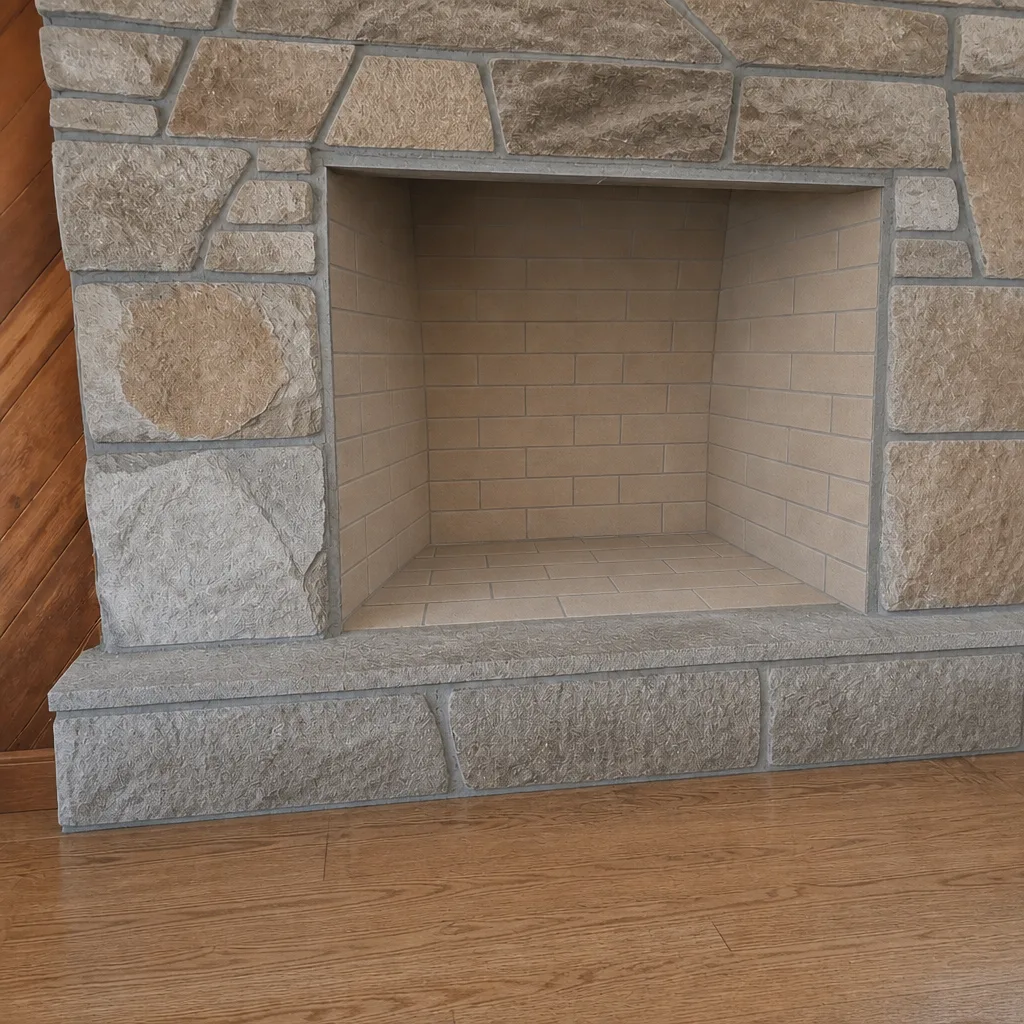 After
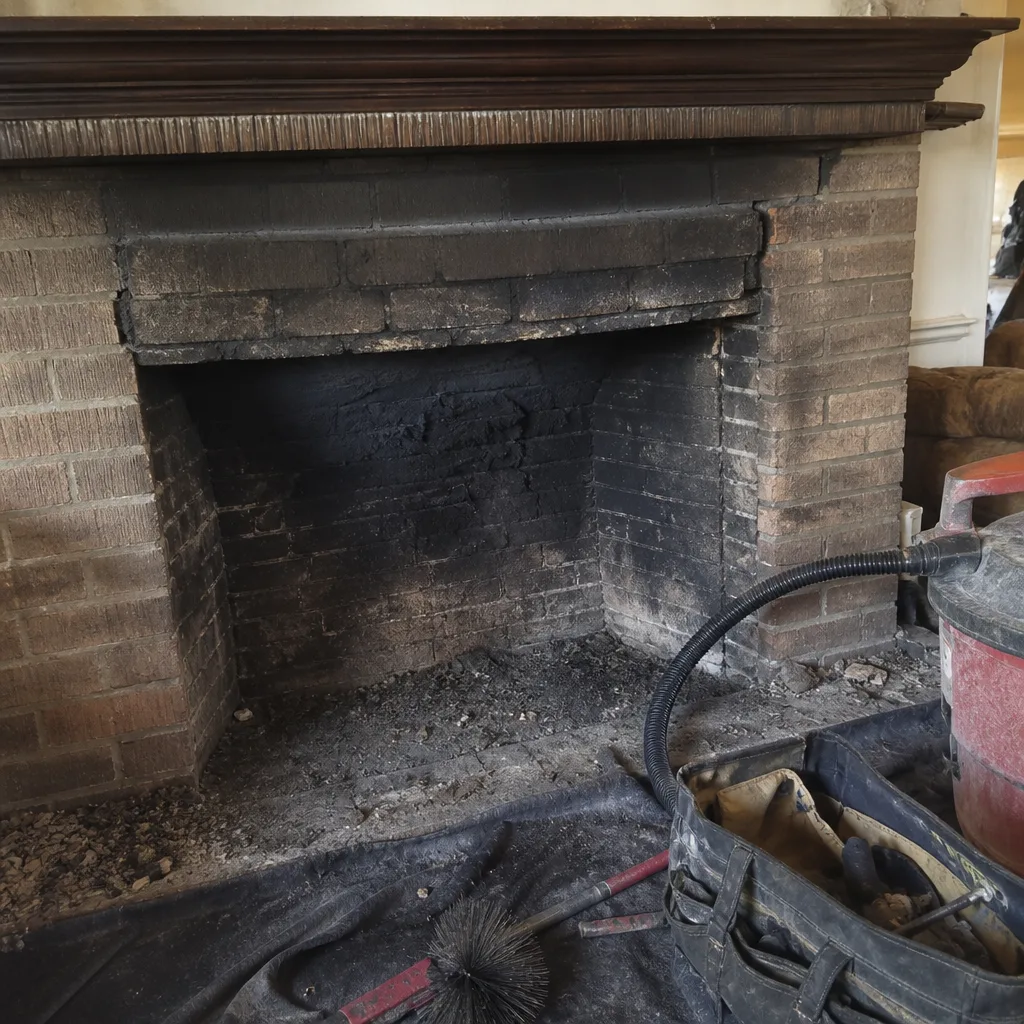 Before
 After
 Before
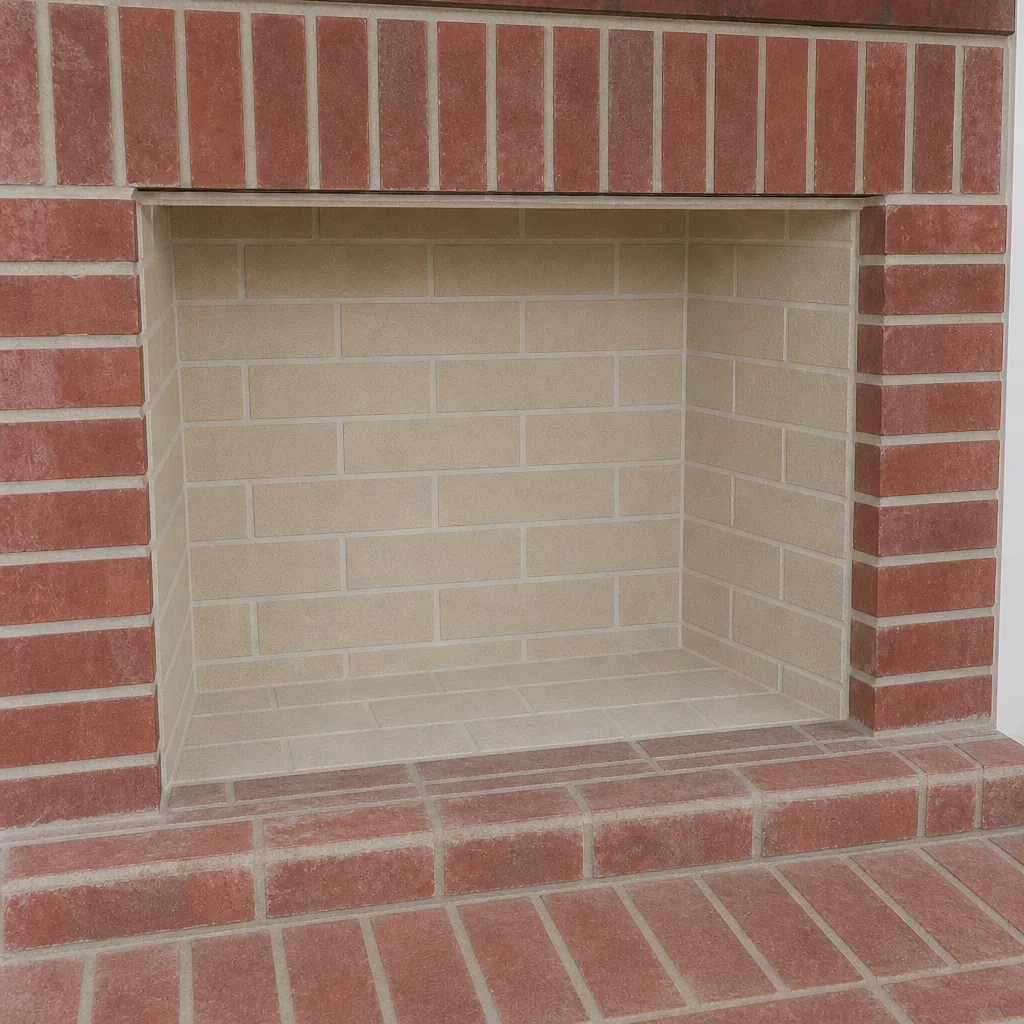 After
When to Call a Professional
Some situations are clear signals to call rather than schedule for later. If smoke spills into the room when you open the glass, if you smell creosote strongly when the fireplace isn’t in use, if the fire draws weakly or backdrafts, or if you spot a visible buildup of dark, crusty deposit in the flue, those are calls. Any sign of a cracked liner, a damaged firebox, or a problem with a gas appliance’s connections or venting belongs with a trained professional. And if you’re simply unsure whether a repair can wait, an inspection gives you the answer with camera evidence you can see for yourself. Chimney Sweep Hillsboro offers free estimates in Hillsboro – call (855) 473-8720.
Frequently Asked Questions
Once a year is the baseline for a wood-burning fireplace, with an annual inspection alongside it. If you burn more than about one cord of firewood per season or run the fireplace for hours on most days, a mid-season flue check is worth adding. Gas inserts don’t need a sweep but do need the annual inspection. Call (855) 473-8720 for a free estimate.
Early fall is the best time for the pre-season sweep, and April is the best time for the inspection that catches freeze-thaw damage from the wet winter. Scheduling both in the mild months – and any repair in summer – keeps you out of the October rush. Call (855) 473-8720 to book.
That depends on what the camera inspection shows. If the flue is structurally sound but the tiles are damaged or deteriorated, HeatShield resurfacing can restore it rather than requiring a full reline, which is a real cost difference. If the structure isn’t sound, a liner replacement with a DuraFlex system is the right call. We’ll show you the footage and tell you honestly which one you actually need. Call (855) 473-8720 for an exact quote – estimates are free.
Creosote builds up with each fire, and once it reaches a heavy, glazed stage, the heat of a normal fire can ignite it – that’s the basis of a chimney fire. A blocked or damaged flue can also affect how smoke and gases vent, and for gas appliances there’s a carbon monoxide concern. None of this is a reason to panic, but it is the reason the schedule exists. A sweep and inspection catch it while it’s small. Call (855) 473-8720 to schedule.
Yes. Sweep, inspect, and repair are handled by the same specialist, start to finish, with no handoff to a third party. We carry professional materials including DuraFlex liner systems and work with HeatShield resurfacing, and we source caps and components from professional supply lines. Call (855) 473-8720 for a free estimate.
A standard sweep and inspection usually takes about an hour to an hour and a half for a fireplace, though a larger flue or a heavier creosote load can run longer. The work is contained, and you get a written report with photos afterward. Call (855) 473-8720 for an exact quote – estimates are free.
The Bottom Line
An annual sweep is the floor, not the ceiling. The right schedule for a Hillsboro chimney is a post-heating-season inspection in April to catch freeze-thaw damage from the wet winter, a pre-season sweep in early fall before burning resumes, mid-season checks when heavy wood use calls for them, and an annual inspection for gas inserts even with no creosote to clear. Handle the simple checks yourself – the damper, a visible firebox scan, a ground-level cap check, a smoke test – and leave the flue, liner, and roof work to a specialist. The mild months are when maintenance is easy. October is when it’s hard.
When you’re ready to get on a schedule, call Chimney Sweep Hillsboro at (855) 473-8720 for a free estimate. We answer 24/7. Fast dispatch from 7am to 7pm, Sunday through Friday. Sweep, inspect, repair – handled by the same specialist, start to finish, and nothing recommended without camera evidence you can see yourself.
Written by the team at Chimney Sweep Hillsboro.