
Last updated November 16, 2026
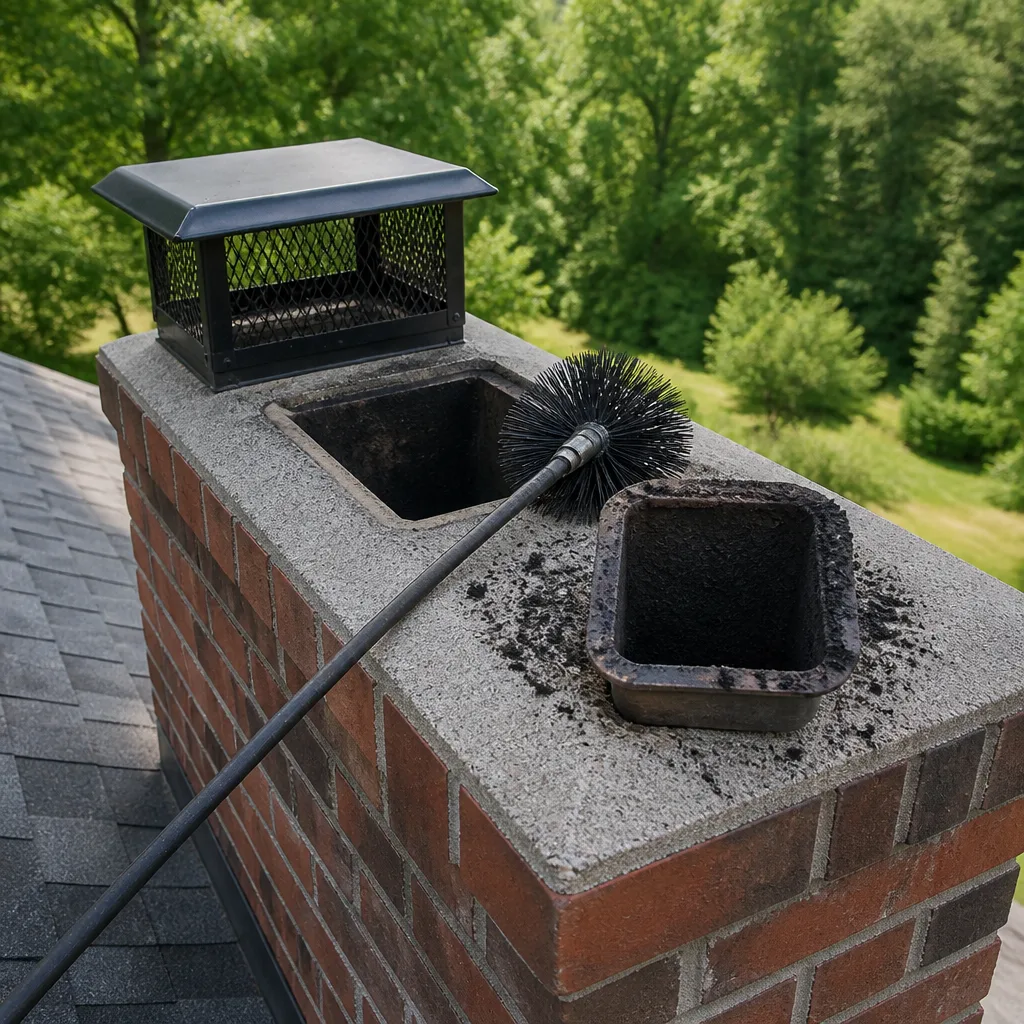 Sweep & inspection
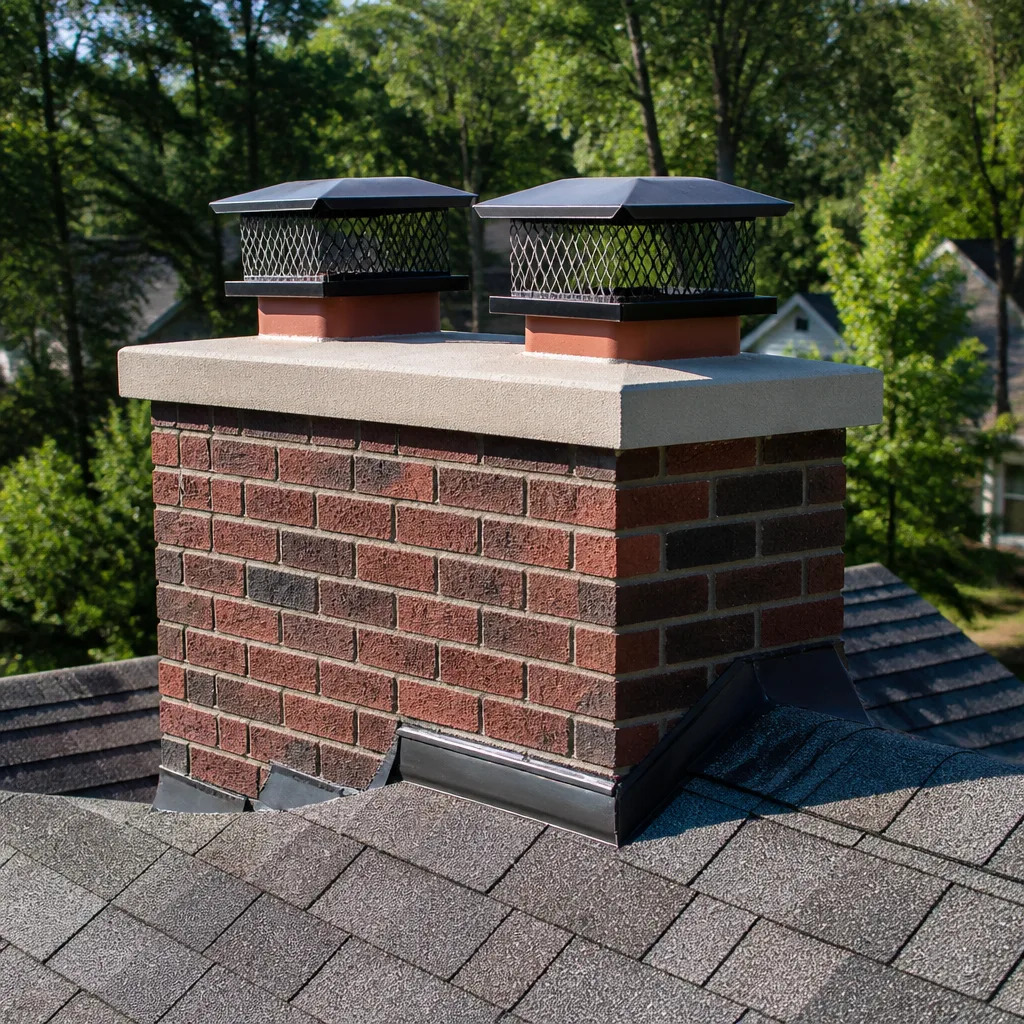 Caps & crowns
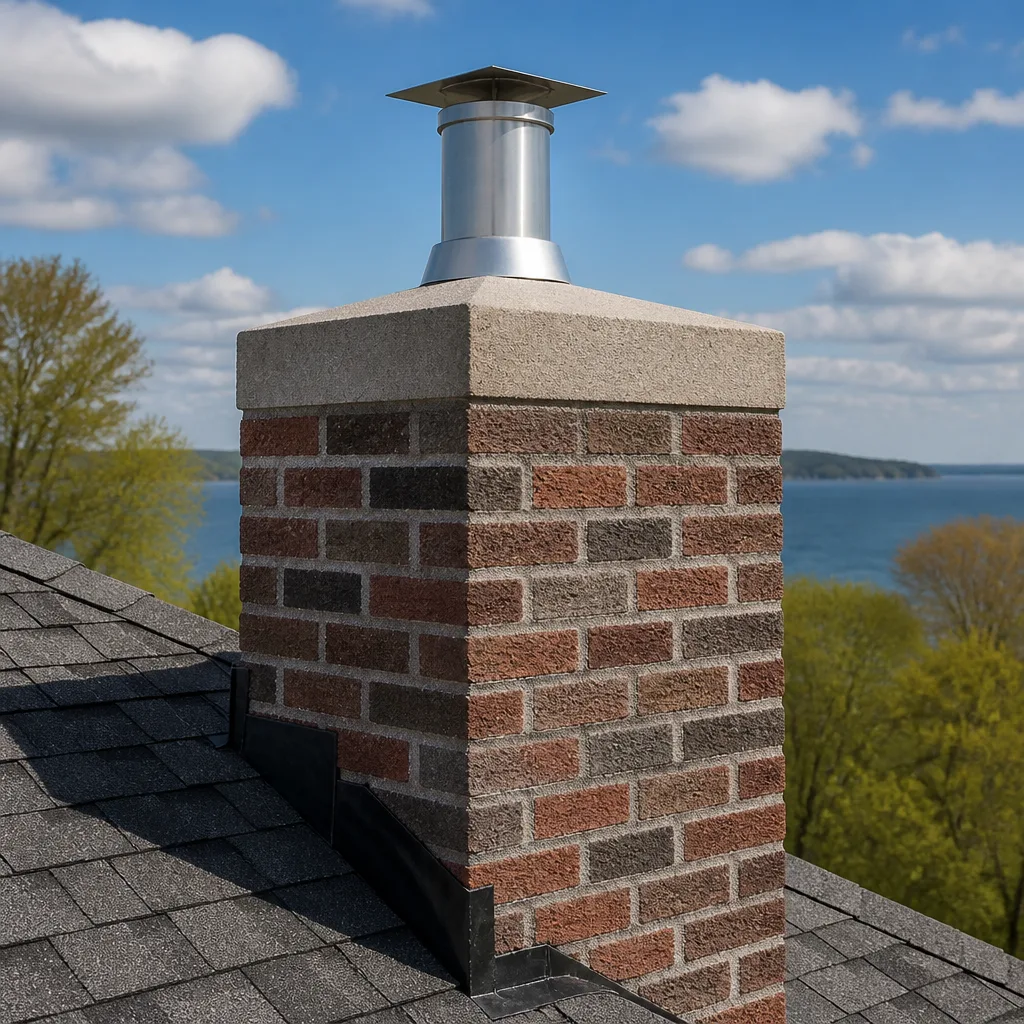 Flue relining
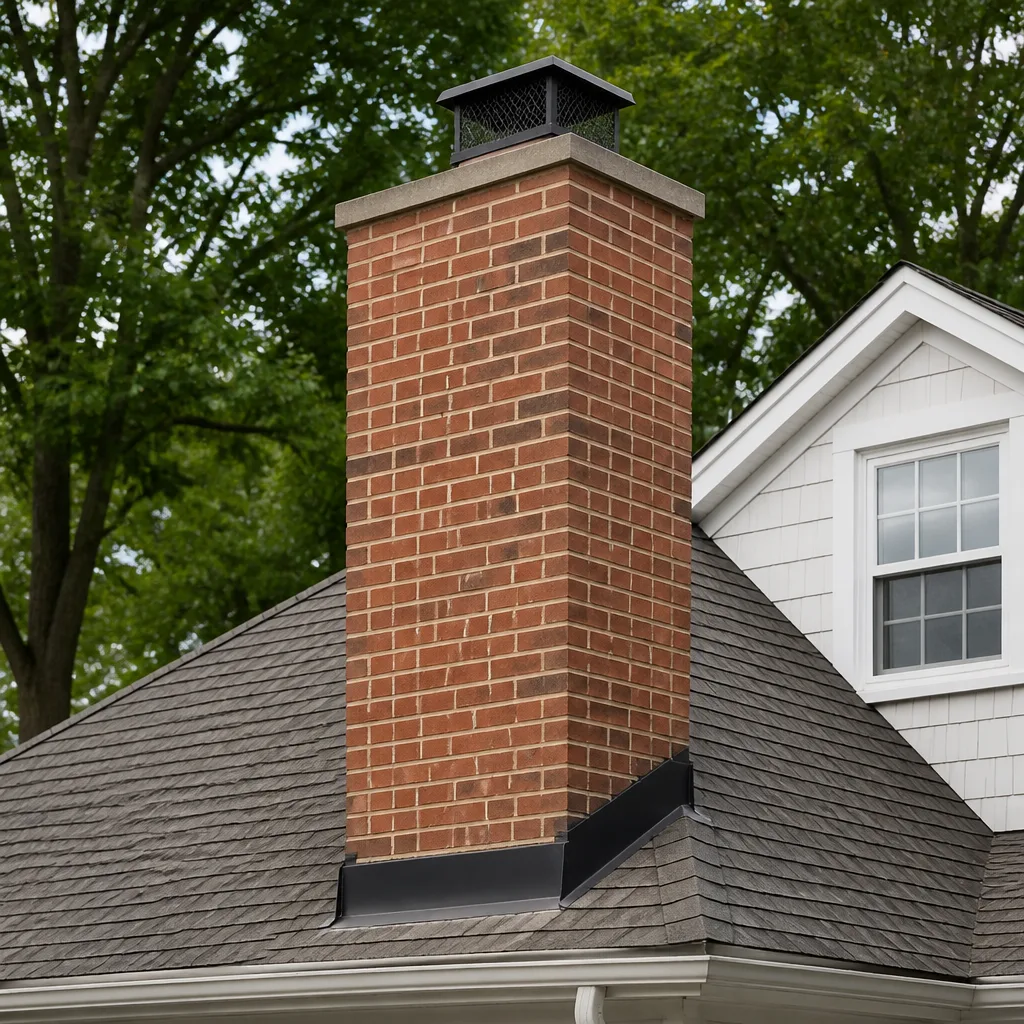 Masonry repair
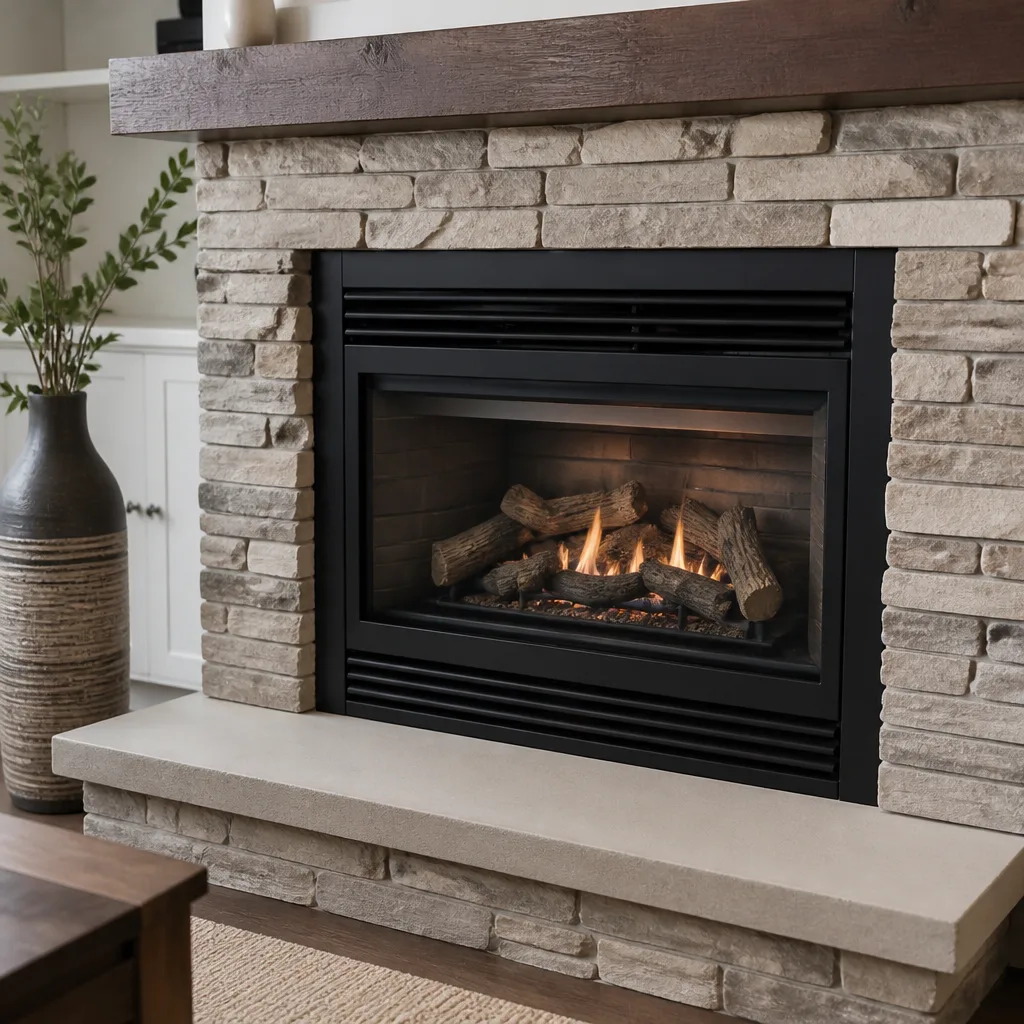 Gas fireplace service
Level 1 sweep and inspection to the NFPA 211 annual standard - flue, crown, cap, and flashing checked and photographed
Chimney sweep logs do not sweep chimneys. They loosen some creosote - which then falls where a brush and vacuum still have to collect it.
Chimney Cleaning Warning Signs: A Hillsboro Homeowner’s Reference Guide
A smoky smell on a rainy day in Hillsboro isn’t your chimney being dramatic. It’s negative pressure pulling combustion gases back into your living room, and it usually means something in the system is genuinely wrong. Most homeowners miss that signal because it looks like a small annoyance rather than the mechanical failure it actually is. The same goes for a faint musty odor in July, a chalky white stain on the firebox brick, or a little crumbling mortar at the crown. This guide teaches you what each symptom actually indicates, so you can prioritize the serious ones instead of ignoring them until they get expensive.
Quick Answer
The most reliable chimney warning signs are five distinct odors (creosote, sulfur, musty, burning plastic, smoke-in-room), glazed or white-stained deposits inside the firebox, draft problems that push smoke back into the room, and exterior clues like efflorescence on the chase or stained siding above the roofline. Glazed creosote, smoke rollback, and a sulfur smell mean stop using the fireplace today. Crumbling mortar at the crown or a stained chase usually means schedule a sweep and inspection within 30 days.
Styles & brands we work with
- Sweep & inspection
- Caps & crowns
- Flue relining
- Masonry repair
- Gas fireplace service
Table of Contents
- The Five Odors That Diagnose Five Different Problems
- What the Inside of Your Firebox Is Telling You
- Draft Problems Decoded: Cleaning Issue vs. Structural Issue
- Exterior Signs Hillsboro Homeowners Overlook
- Why Rainy-Day Smells Happen in Hillsboro
- How to Triage Urgency: Stop Today vs. Schedule Within 30 Days
- What to Expect When a Specialist Comes Out
- How the Willamette Valley Climate Accelerates Certain Problems
The Five Odors That Diagnose Five Different Problems
Odors are the most under-read warning sign in chimney work. Homeowners tend to describe them vaguely (“my fireplace smells weird”) and the actual smell points to a specific mechanical cause. Here’s the breakdown we teach every homeowner to use.
- Creosote smell (acrid, sharp, smoky even when the fire is out). This is what a buildup of creosote inside the flue smells like when air moves up the chimney. The stronger it gets, the thicker the deposit. Glazed stage-three creosote smells the same but worse, and it’s the stage that actually fuels a chimney fire.
- Sulfur smell (rotten eggs, matches, or a sharp chemical tang). For gas-burning appliances, this points toward incomplete combustion or a draft problem pulling exhaust back. Treat it as a stop-and-call situation, not a “get to it next month” situation.
- Mustiness (damp basement, wet concrete, old attic). Moisture is getting into the flue or the surrounding masonry. In Hillsboro, where the wet season can run October through April, mustiness tends to show up mid-winter when a chimney that was tight in September is now saturated.
- Burning plastic (sharp, chemical, hot). This is almost always an overheating problem, often from a flue that’s too small for the appliance or a fire that’s been drafted too hot. Do not keep burning.
- Smoke-in-room (literally, smoke drifting into the living space). This is the most diagnostic of all five. It means the flue isn’t pulling gases up and out. If you see or smell smoke rolling into the room when the fire is lit, that’s a system failure, not a bad burn.
The mistake most homeowners make is lumping all five into “chimney smell” and letting them sit. In our experience, a creosote smell and a musty smell are on entirely opposite ends of the urgency scale. One means buildup, the other means water intrusion, and they need different responses.
What the Inside of Your Firebox Is Telling You
You don’t need a camera to read the early warning signs. Look inside the firebox and the throat with a flashlight once a season, ideally right before the first fire of the year. Here’s what each visual clue actually means.
- Glazed, shiny, or tar-like deposits on the walls of the firebox or flue. This is stage-three creosote. It looks like black glass or caramels left too long on a stove. It cannot be swept off the way a loose soot deposit can. It requires chemical or mechanical treatment by a specialist, and the fireplace should not be used until it’s addressed.
- White chalky staining on brick faces. That’s efflorescence, a mineral salt pushed out by moisture moving through the brick. It’s an early-to-mid stage sign that the chimney is taking on water somewhere. The brick itself may still be structurally fine at this point.
- Spalling brick faces (brick flaking, pitting, or popping off pieces). This is the later stage of the same moisture problem. When water freezes inside the brick and expands, the outer face spalls off. Once you see spalling, the moisture has been present long enough to cause real damage.
- Rust on the damper assembly or metal firebox parts. Water intrusion again, this time high enough to reach the metal components. Rust on a damper can mean the damper stops sealing, which then worsens every other symptom downstream.
- Cracked or missing mortar joints between firebricks. A hairline crack can be cosmetic; a joint you can push a putty knife into is not. Missing mortar lets heat and gas path around the firebrick, which unseats adjacent brick over time.
Our technicians have up to experience reading these signals, and the single most common pattern we see in Hillsboro is efflorescence or spalling on the exterior of the chase paired with visible cracks at the crown. They tell the same story: water in, damage out. If you’re seeing any of the visual clues above and your chimney hasn’t been serviced in over a year, the right first step is a chimney sweep and a level-one or level-two inspection to get an honest read on where the system actually stands.
Draft Problems Decoded: Cleaning Issue vs. Structural Issue
“My chimney smokes” is the most common thing we hear, and it’s the symptom that gets misdiagnosed more than any other. Smoke backdraft isn’t one problem. It’s at least four, and they require completely different fixes.
Cleaning issue
If the flue is clogged with soot or a bird nest or a partial cap, gases have nowhere to go and turn around. That’s a straight cleaning answer. Same with a damper that’s stuck half-closed.
Structural issue
A flue that’s too short for the house, a flue that’s too large for the appliance, a cracked interior flue tile, or a missing top plate all change how gases flow. These aren’t solved by sweeping. They’re solved by correction, sometimes with a reline. DuraFlex flexible liner systems work for both new installs and replacements, which is one reason we carry them: liner work is often the answer to a draft problem that no amount of sweeping can resolve.
Negative-pressure house issue
This is the one that gets missed. If your house is tighter than your chimney, the chimney can’t pull. Modern construction and weatherization both push this direction, and that’s part of why so many Hillsboro homes on both sides of the Tualatin Valley have draft problems that aren’t the chimney’s fault. A bathroom fan running, a kitchen hood on, or a furnace pulling combustion air can flip the pressure enough to push smoke back down the flue.
Weather-driven downdraft
Gusty days, crosswinds at the roofline, and certain atmospheric conditions can cause temporary downdraft. Occasional is normal; consistent is not.
Tell us which of these four situations matches what you’re seeing when you call, and the diagnosis goes a lot faster. A cap from a line like Gelco or Copperfield is a common fix for weather-driven downdraft; a HeatShield resurfacing is sometimes the right answer for a damaged flue that’s still structurally sound. Neither is a default upsell.
Exterior Signs Hillsboro Homeowners Overlook
Walk around the outside of your house with a pair of binoculars from the lawn once a year. It’s the highest-value five minutes you’ll spend on chimney maintenance. Here’s what to look for.
- Efflorescence on the exterior chase. White, chalky staining on the outside of a masonry chimney is the same mineral-salt signal as inside the firebox. It means moisture is moving through the masonry. In Hillsboro’s wet season, an unprotected crown or a failed flashing detail can produce this within one or two winters.
- Stained siding above the roofline. Dark streaks on siding near the chimney top usually mean creosote or soot is escaping at the top of the flue, often because the cap or top plate is missing, loose, or undersized. It’s a visual map of how the chimney is performing at the top.
- Crumbling mortar at the crown. The crown is the slab of mortar at the very top of the chimney. It’s the part that takes the most weather, and the first thing to fail. Hairline cracks in the crown are common and worth monitoring. Crumbling, flaking, or pieces missing is a repair signal, because water is now getting into the top of the chimney from above.
- Loose or missing flashing where the chimney meets the roof. Flashing is the metal seal at the roof line. When it fails, water runs down the outside of the chimney chase and into the ceiling of the room below. Chimney leaks are almost never the cap itself; they’re the flashing or the crown.
- Rust on the chase or the firebox header. Rust means water is present at that spot. It doesn’t matter whether the rust is on the outside of the chase or the inside of the firebox: same signal, different origin point.
If you’re seeing any of the last four items, you likely have water intrusion that’s been active long enough to cause visible damage. That’s a repair answer, and it’s the kind of chimney repair work we do without handing the job off to a mason or a roofer, because the whole system is ours to read.
Why Rainy-Day Smells Happen in Hillsboro
Hillsboro sits in the Tualatin Valley, which means two things for your chimney: a wet season that runs long into the year, and an inversion pattern in the cooler months where cold, dense air settles into the valley floor. Both of those change how a chimney behaves.
On a rainy day, the outside air is denser than the warm air inside. The chimney has to fight harder to push combustion gases up and out. When it can’t, gases turn around, and you smell them. Some of that is a legitimate cleaning issue (buildup in the flue makes the chimney harder to draw). Some of it is negative pressure from a tight house. But almost all of it is more frequent in Hillsboro’s climate than in a drier climate, and homeowners here learn to associate smoky days with rainy weather. That correlation is real, and it’s diagnostic.
The other valley effect is downstream: a chimney that stays slightly damp, slightly cool, or slightly dirty for months at a time produces visible damage faster. Efflorescence becomes spalling. A hairline crack at the crown becomes a missing chunk. Creosote that would dry and crumble somewhere else stays tacky and accumulates. If you’re a Hillsboro homeowner with an older chimney, the calendar works against you here in a way it doesn’t for someone in Bend or Medford.
If a smoky smell shows up specifically on rainy days, treat it as a scheduling prompt rather than a mystery. It’s checking in on the system at the right moment, when the symptom is easiest to observe.
How to Triage Urgency: Stop Today vs. Schedule Within 30 Days
Not every warning sign means the same thing. Here’s how we’d triage a list of symptoms if you called us today and read them off.
Stop using the fireplace today, and call first
- Visible smoke rolling into the room when the fire is lit
- A sulfur or rotten-egg smell, on a gas appliance especially
- A burning-plastic smell during a fire
- Glazed, shiny, or tar-like deposits visible inside the firebox
- Any visible flame from outside the firebox, at the top of the chimney, or around a connector pipe
- The smell of smoke coming from the ceiling or wall near the chimney
These point to combustion gases in places they don’t belong, or fuel sitting inside the flue at a stage where it can ignite. That’s a technician-first call.
Schedule service within 30 days
- Creosote smell with no other symptoms
- Efflorescence on the chase or firebox brick
- Crumbling mortar at the crown
- Stained siding above the roofline
- Occasional downdraft, especially on windy days
- A chimney that hasn’t been swept in over a year, with no visible symptoms
These are real signals that want attention, but they aren’t emergencies. Water damage and deposit buildup both get more expensive the longer they sit, so “within 30 days” is the right window, not “when I get around to it.”
Can safely wait, but put it on the calendar
- A musty smell in summer, with no other sign
- A small chip or two missing from the firebox firebrick, with no crack running behind it
- A crown crack that hasn’t changed size since last year
This is the category that costs homeowners the most over time, because the wait is easy and the calendar is long. Put a reminder on the fridge.
What to Expect When a Specialist Comes Out
Knowing what a good sweep-and-inspection looks like protects you from being told you need a thousand-dollar reline on a flue that’s fine. Here’s how the visit should go.
- Walkthrough of your concerns. Tell the technician what you’ve been smelling, seeing, or experiencing. Describe the symptoms, not the diagnosis. “My fireplace smells like plastic when it’s on,” not “I think I need a new liner.”
- Level assessment. A standard annual visit is a level-one inspection: accessible portions of the chimney, firebox, and appliance connection, with a sweep if there’s buildup. A level-two inspection adds a camera run for real estate transactions, after a change in the system, or when symptoms point to something in the flue itself.
- Camera inspection when it’s warranted. For any structural question, the correct answer is: camera evidence you can look at on a screen. If someone recommends thousands of dollars of liner or masonry work without showing you the inside of the flue first, that’s a signal to get a second opinion.
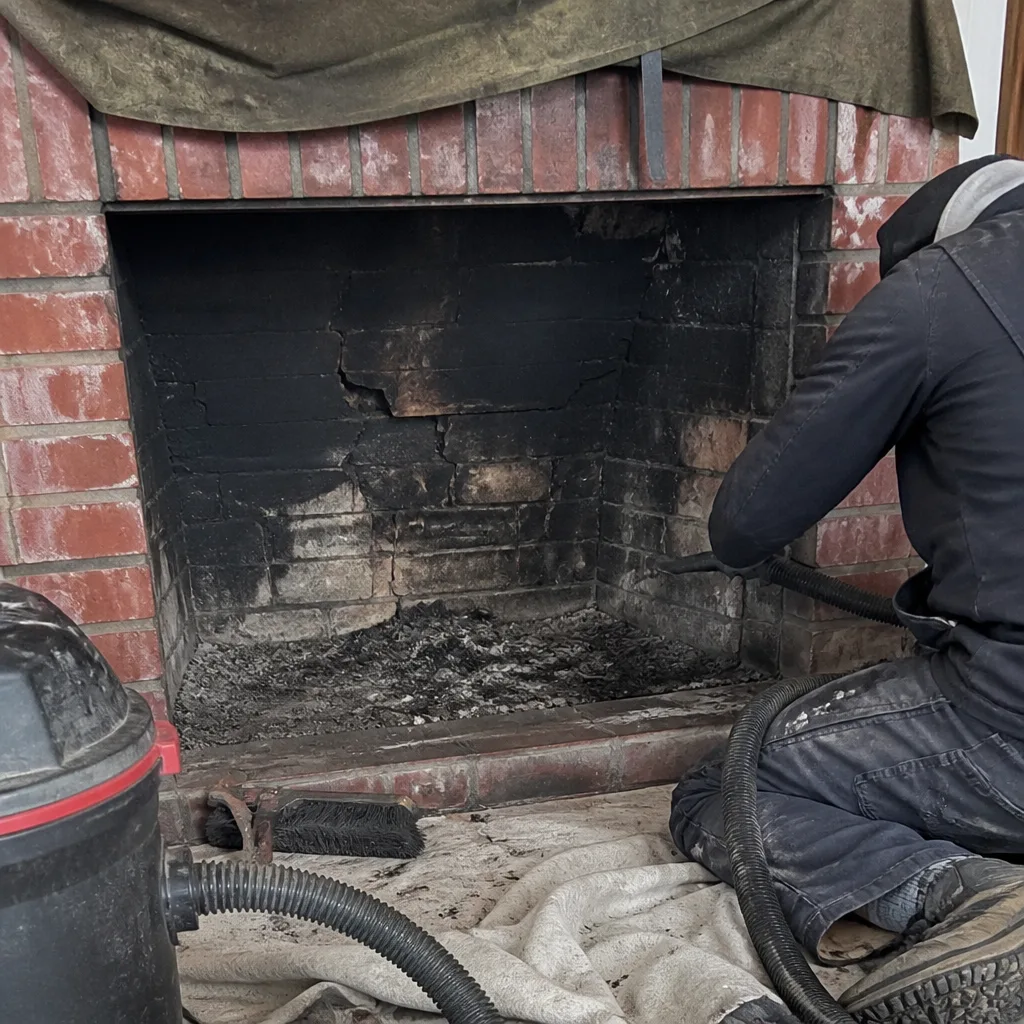
- Sweep if needed. The sweep clears soot and creosote from the firebox up through the flue, with drop cloths protecting the room.
- Written findings and honest recommendations. You should leave the visit knowing exactly what’s wrong, what’s not wrong, what can wait, and what the fix will cost. If the flue is structurally sound but the inner surface is damaged, HeatShield resurfacing can often restore it rather than a full reline, which is a meaningful cost difference. If the flue is compromised or undersized, a DuraFlex liner is the right answer. Sweep, inspection, and repair all come from the same specialist, start to finish.
An inspection is not an upsell. It’s how we determine what your flue actually needs. Anyone who treats it as a sales funnel is doing the trade a disservice. If you’re in Hillsboro and you don’t have a trusted sweep yet, the visit is the right starting point before any repair conversation.
How the Willamette Valley Climate Accelerates Certain Problems
Chimney problems aren’t universal. They cluster around local conditions, and Hillsboro’s conditions produce a specific pattern that’s worth understanding.
Wet-season moisture cycling
The long wet season is the single biggest accelerator of chimney damage here. Every fall, masonry that’s been dry since spring absorbs water. Every winter, that water freezes and expands. Every spring, the chimney dries out a little more damaged than it was. Over one or two winters, a chimney crown that was sound in October will show visible cracks by March. Over several, efflorescence on the chase becomes spalling brick.
Valley inversions and pressure
Cold air settles into the Tualatin Valley floor, and that changes the pressure dynamics inside a house for days at a time. Homes that ran fine on a clear October evening can smoke back into the room during an inversion. It doesn’t mean the chimney is failing; it means the chimney is at the edge of what it can draw, and a sweep or a cap correction may be all it needs to operate reliably through the winter.
Fuel choice
Firewood in the Willamette Valley is often seasoned less dry than firewood in drier climates unless it’s been covered or kiln-dried. Damp wood produces more creosote, faster. If your firewood has been sitting outside uncovered through a Hillsboro wet season, that’s part of why you’re seeing more buildup than a neighbor with drier fuel.
None of this means a Hillsboro chimney is doomed. It means the calendar works against you here in a specific way, and annual servicing is the correct countermeasure. Our technicians have up to experience with exactly this climate pattern, and the recurring diagnosis we see most is a chimney that let water in through the crown and then kept it inside through an entire wet season.
Common Mistakes to Avoid
- Treating every chimney smell as “just creosote.” A musty smell and a creosote smell are on opposite ends of the urgency scale. One is buildup; the other is water intrusion. They need different responses, and “just creosote” is how a moisture problem turns into a masonry problem.
- Burning through the winter and only calling in spring. In Hillsboro, the wet season is when damage accumulates fastest. Calling after the damage has already happened is more expensive than catching it in October, when the chimney is still dry and problems are easier to correct.
- Hiring a generalist for a chimney-specific problem. A handyman can sweep a flue, but a generalist can’t read the difference between a cleaning issue and a negative-pressure house issue, and often can’t do liner or resurfacing work if it’s warranted. Chimney-only focus matters here.
- Accepting a reline recommendation without seeing the camera footage. If the flue is structurally sound with a damaged inner surface, HeatShield resurfacing can often save the full reline cost. Ask to see what they’re seeing.
- Assuming a cap is a cap. A cheap cap that doesn’t fit properly creates draft problems that then look like other symptoms. Caps and top plates from professional lines like Famco, Olympia Chimney, or Gelco are spec’d to the chimney rather than bought off the shelf.
- Letting a fire burn through a smoky smell on a rainy day. That symptom is often the easiest moment to observe a draft problem that’s harder to catch in clear weather. Note it, and schedule the sweep while the symptom is live.
- Skipping the annual sweep because the fireplace was only used a few times. Soot and creosote accumulate based on the burn efficiency, not the number of fires. A chimney that ran hot a dozen times can need a sweep before a chimney that ran cool a hundred.
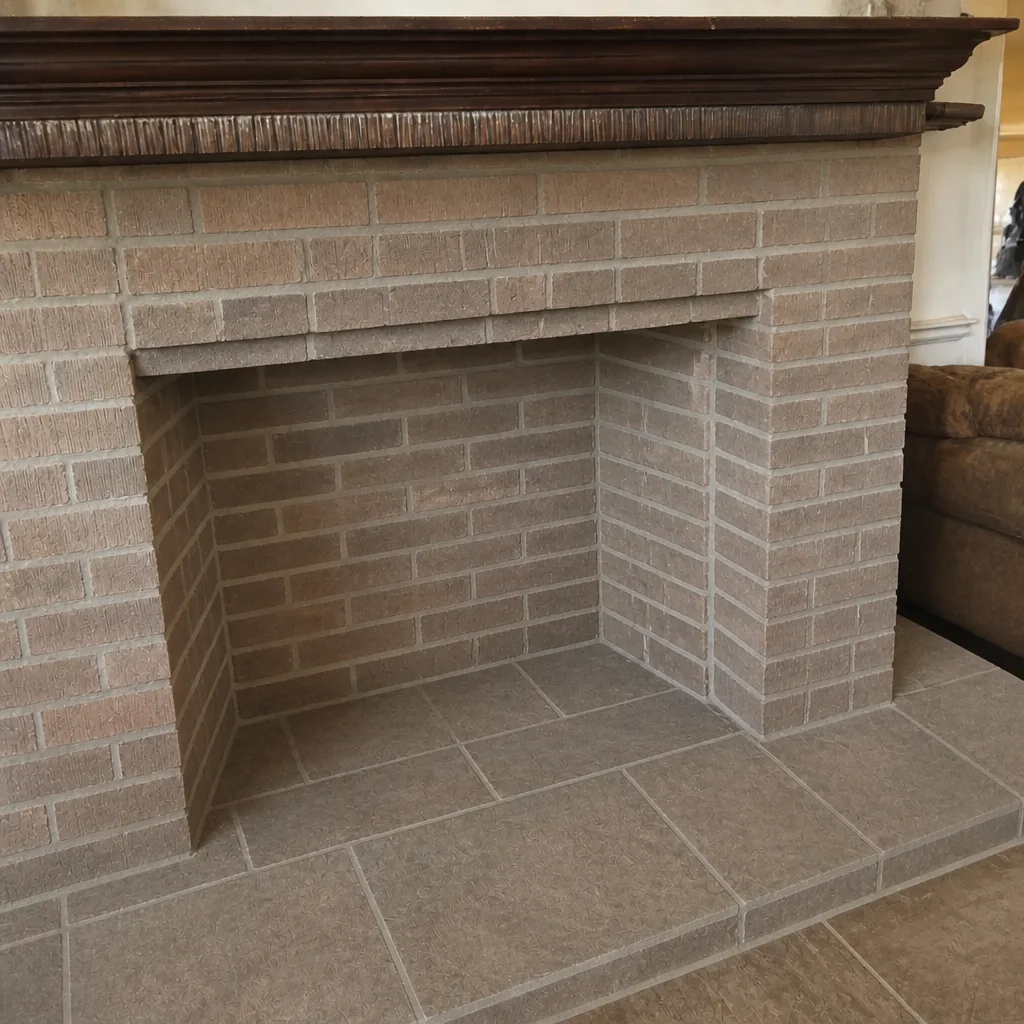
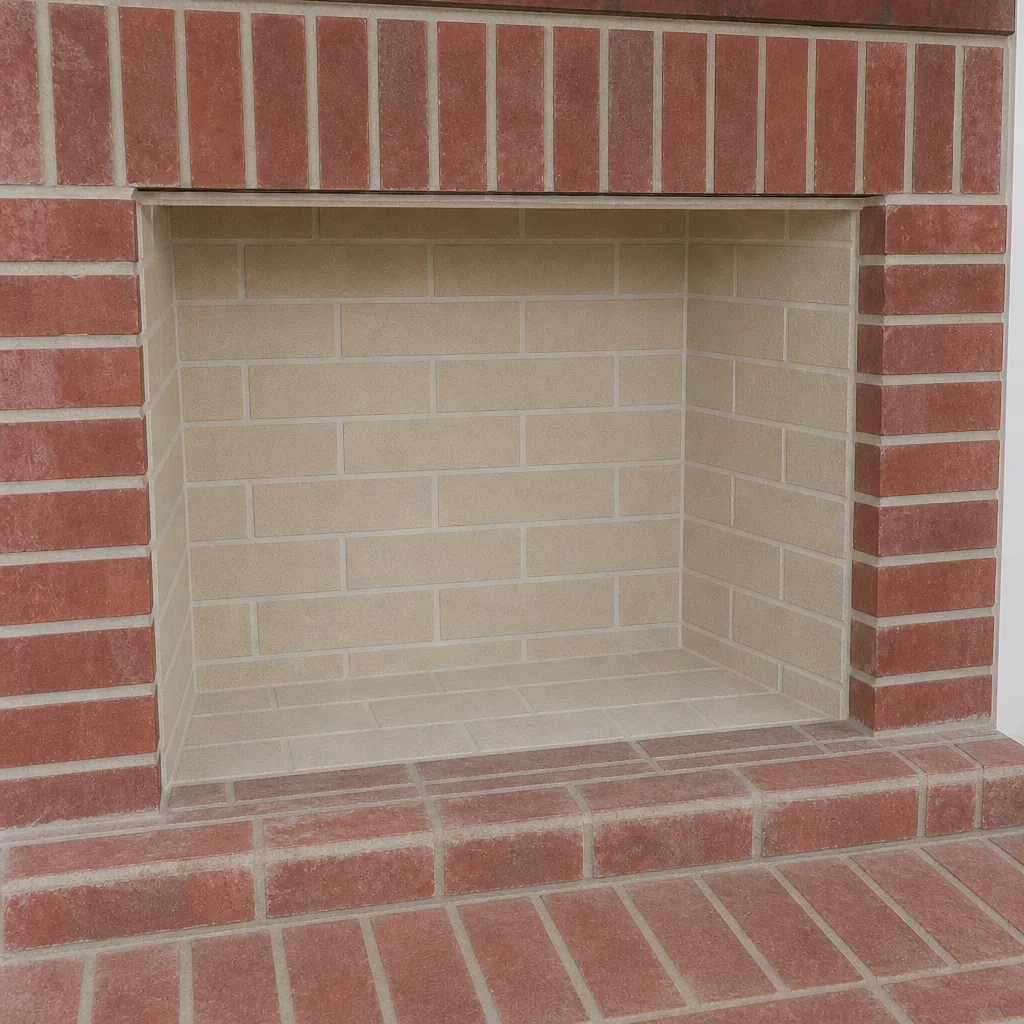
See the difference
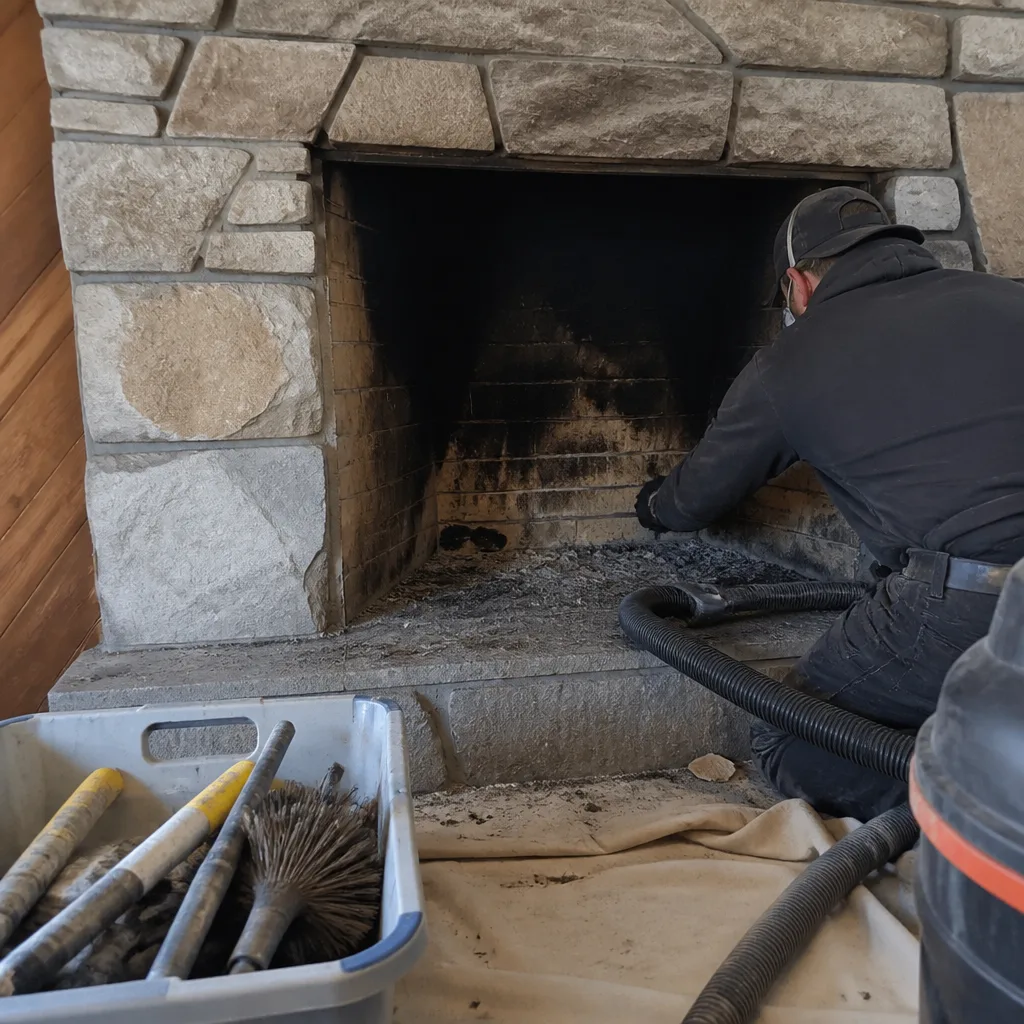 Before
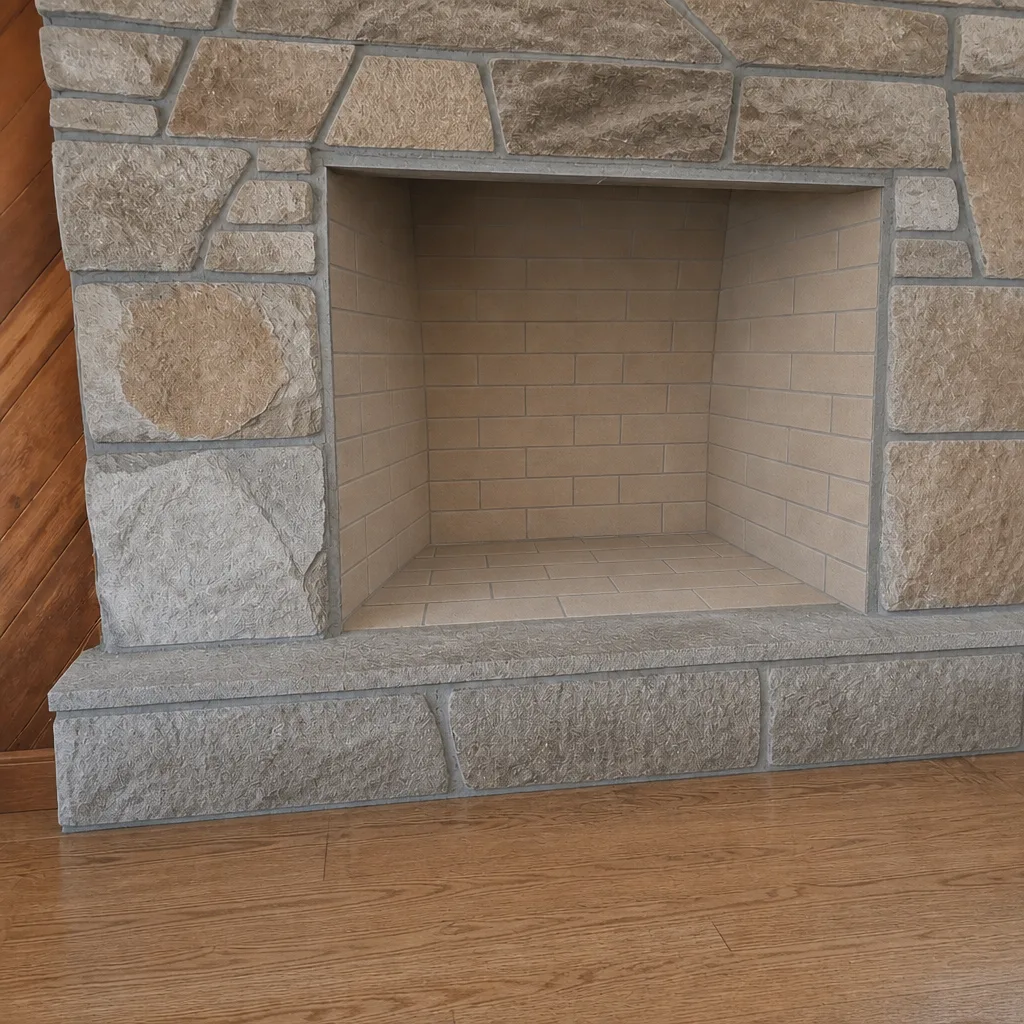 After
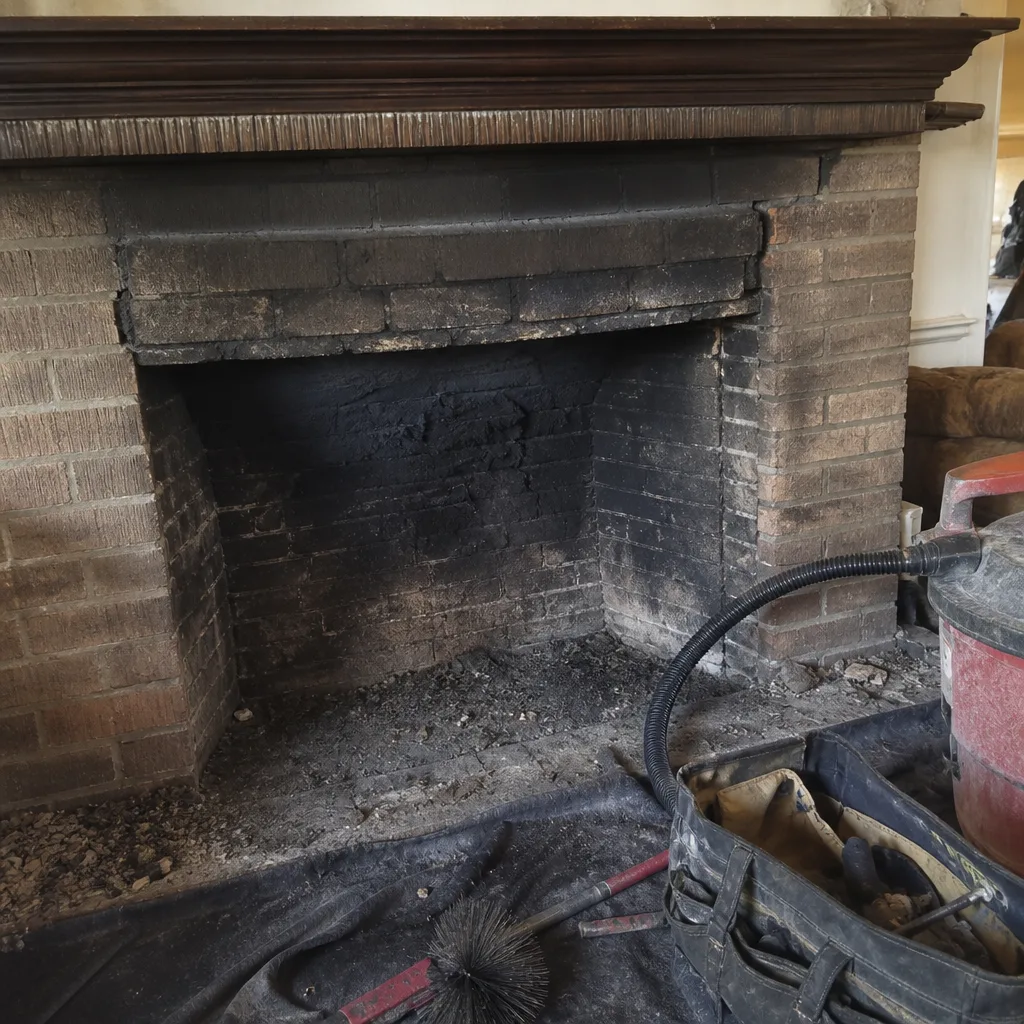 Before
 After
 Before
 After
When to Call a Professional
Call a chimney specialist if you’re seeing any stop-today sign from the triage list above, if your chimney hasn’t been swept in over a year, if you recently bought a home in Hillsboro with unknown chimney history, or if you’re seeing exterior warning signs like efflorescence on the chase, stained siding above the roofline, or crumbling mortar at the crown. Call if a smoky smell shows up specifically on rainy days. Call if you’ve had a chimney fire, even a small one you put out yourself, because a flue that survived a fire often has hidden interior damage. And call if a contractor has quoted you a reline without showing you camera footage of the flue, because a second opinion is free and sometimes saves thousands of dollars. Chimney Sweep Hillsboro offers free estimates in Hillsboro. Call (855) 473-8720.
Frequently Asked Questions
The most serious signs are smoke rolling back into the room when the fire is lit, a sulfur or burning-plastic smell, glazed or tar-like deposits inside the firebox, and any visible flame showing up outside the firebox. Each of these points to either combustion gases in places they don’t belong or fuel buildup at a stage where it can ignite. Stop using the fireplace and call for service. If you’re in Hillsboro and seeing any of these, call (855) 473-8720 and we’ll walk you through the triage. Call (855) 473-8720. We answer 24/7. Fast dispatch from 7am to 7pm, Sunday through Friday.
A smoky smell on rainy days is usually negative pressure pulling combustion gases back into the home, driven by cold, dense outside air and a house that’s tighter than the flue can compensate for. Rainy days in the Tualatin Valley make the pressure differential more pronounced, so a marginal chimney that seems fine in dry weather will show its weakness when the weather turns. That’s a scheduling prompt, not a mystery. The right answer is a sweep and inspection to identify whether the fix is cleaning, a cap correction, or something structural.
A resurfacing is the right answer when the flue is structurally sound but the inner surface has damage, and a full reline is the right answer when the flue is compromised or undersized for the appliance. The only honest way to know which one you need is camera footage of the inside of the flue. HeatShield resurfacing can save the cost of a full reline when the structure is intact, which is why we offer it as an alternative rather than defaulting to a replacement. Ask to see the video before you commit.
Efflorescence is white, chalky staining on brick or masonry caused by mineral salts pushed to the surface as moisture moves through the material. On a chimney, it means water is entering somewhere, often at the crown or the flashing, and moving through the masonry over time. It’s an early-to-mid stage warning sign; spalling brick (brick faces flaking or popping off) is the later stage of the same problem. Efflorescence itself is cosmetic but should be treated as a signal to investigate the source, since it rarely stops on its own without correction.
A chimney should be swept once a year, and more often if it’s used heavily through the winter. In Hillsboro’s climate, the wet season runs long enough that annual servicing in fall catches the chimney before the worst of the weather, rather than after water damage has had a full season to set in. If you’re burning damp firewood or the fireplace runs hard for months at a time, plan on a mid-winter check as well. Annual servicing is the countermeasure that makes the rest of this guide easier to skip.
Yes. A chimney fire, even a small one that seemed to go out on its own, can crack interior flue tiles, damage the mortar between firebrick, or warp a damper assembly. The visible damage from the room often looks minimal, which is why homeowners assume nothing happened. A camera inspection after any suspected chimney fire is the correct answer, and it’s a level-two inspection situation rather than a routine sweep. Don’t relight the fireplace until it’s been checked.
The Bottom Line
Chimney warning signs fail to get addressed because they look like minor annoyances rather than system failures. Smoky smell on a rainy day, chalky white stain on the brick, a small crumble at the crown: each one is a mechanical signal about what’s wrong and how far the damage has gone. Read them as diagnostics, not as noise. Glazed creosote, smoke-in-room, and a sulfur smell mean stop today. Efflorescence, stained siding, and crumbling crown mortar mean schedule within 30 days. And when you do call, insist on camera evidence before anyone quotes thousands of dollars of liner or masonry work on your chimney.
If you’re in Hillsboro and you’re not sure which category your symptoms fall into, call us. Chimney Sweep Hillsboro offers free estimates in Hillsboro. Call (855) 473-8720. We answer 24/7. Fast dispatch from 7am to 7pm, Sunday through Friday. Whether it’s a Chimney Sweep Hillsboro visit for a routine sweep or a repair conversation after a contractor quote, we’ll show you what we see and tell you honestly what can wait. Sweep, inspect, repair: handled by the same specialist, start to finish.
Written by the team at Chimney Sweep Hillsboro.