
Last updated November 16, 2026
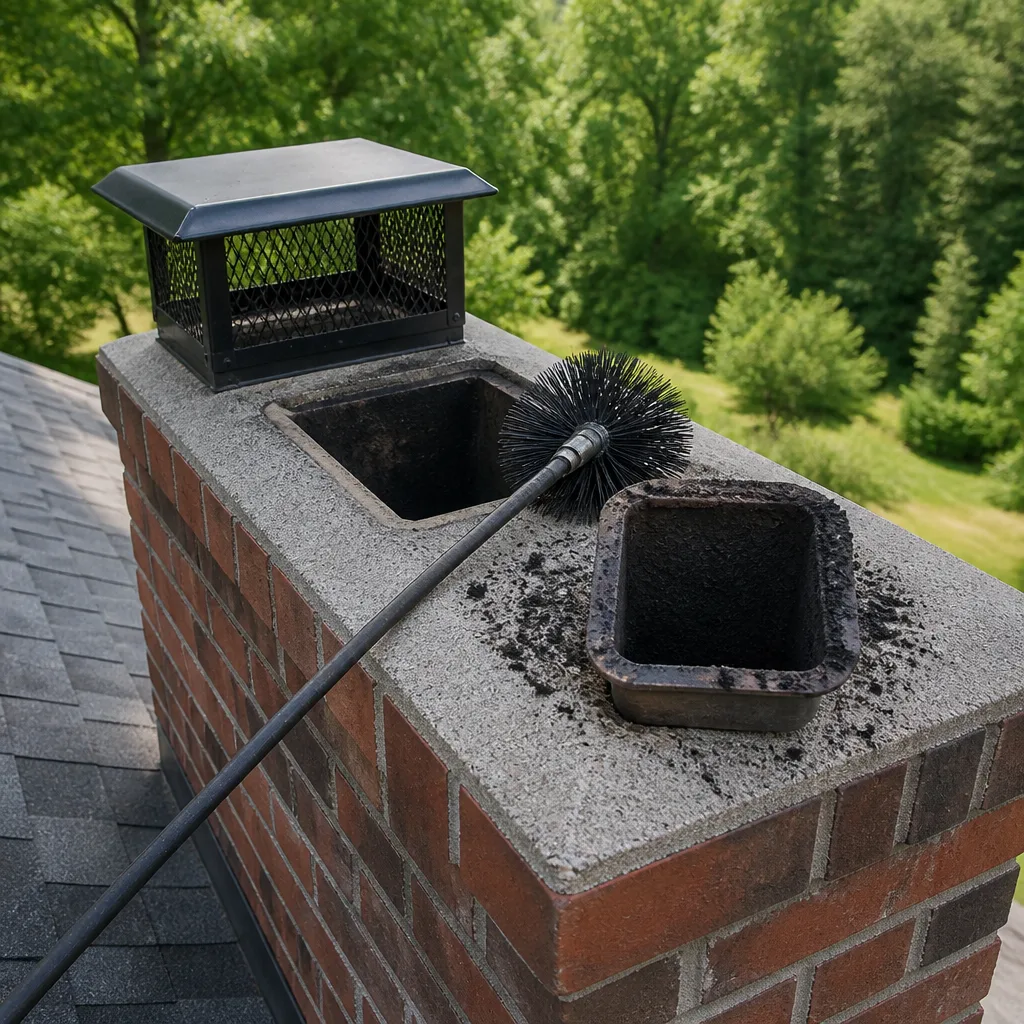 Sweep & inspection
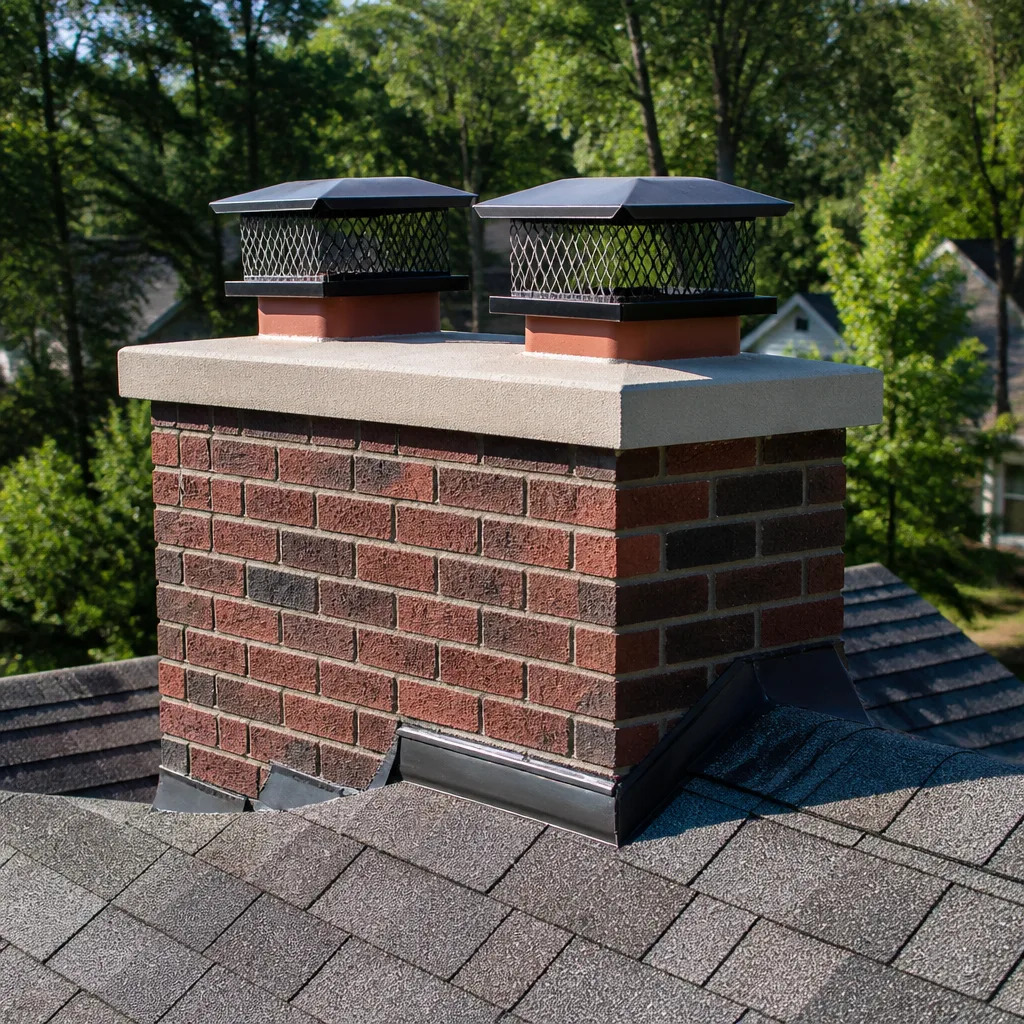 Caps & crowns
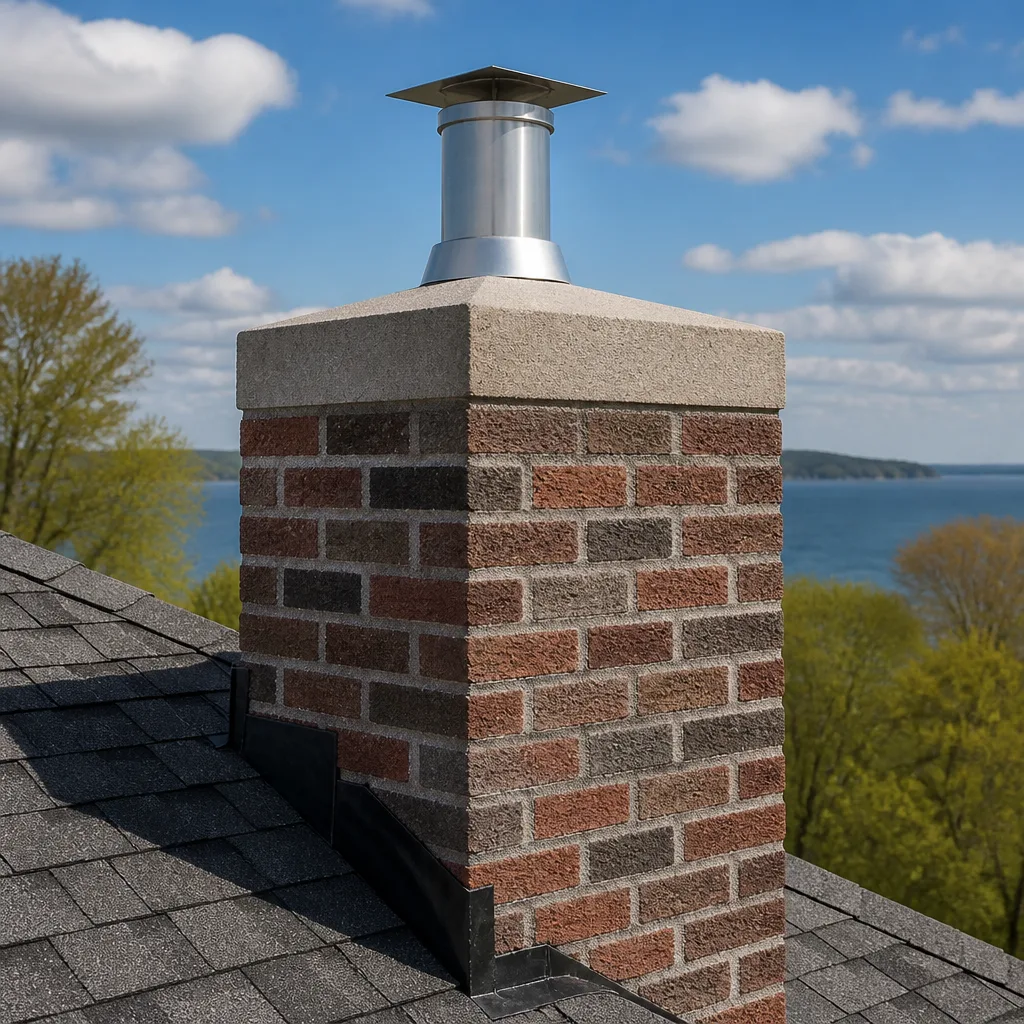 Flue relining
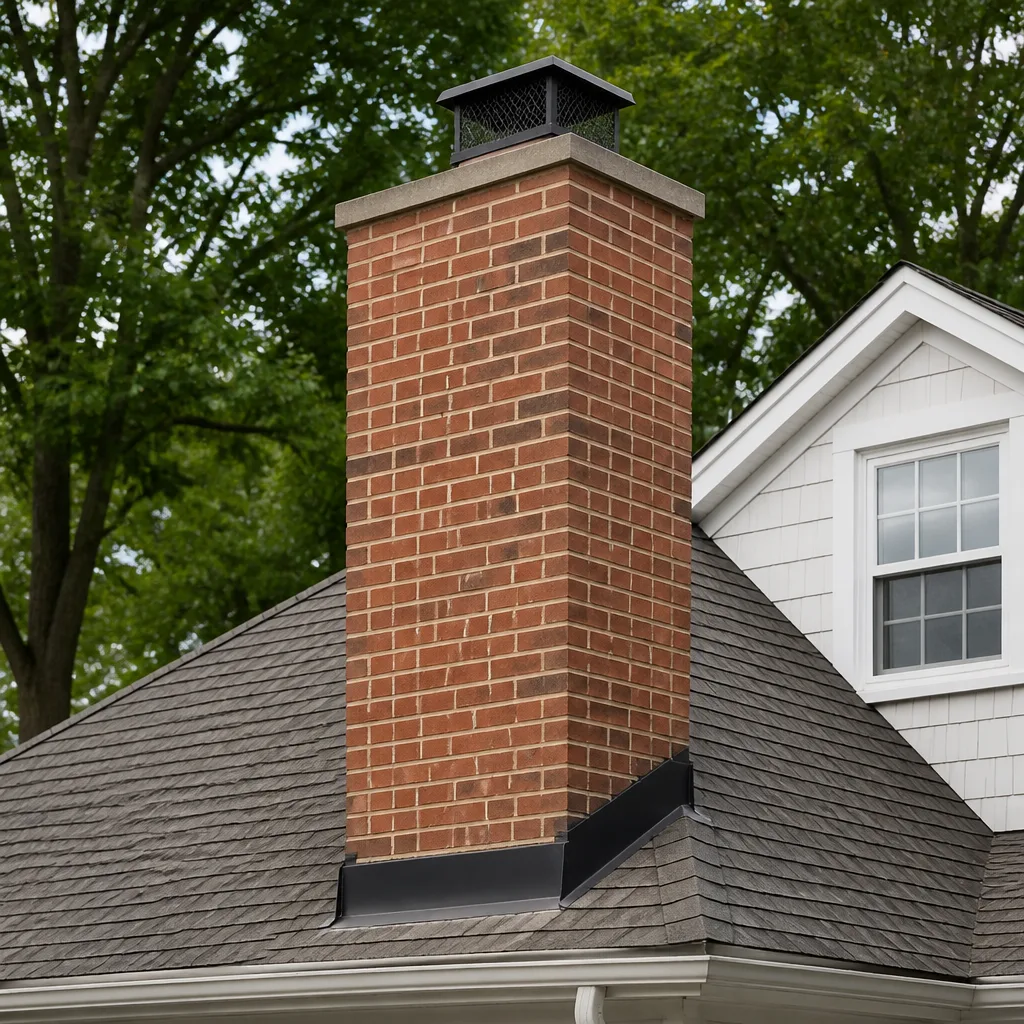 Masonry repair
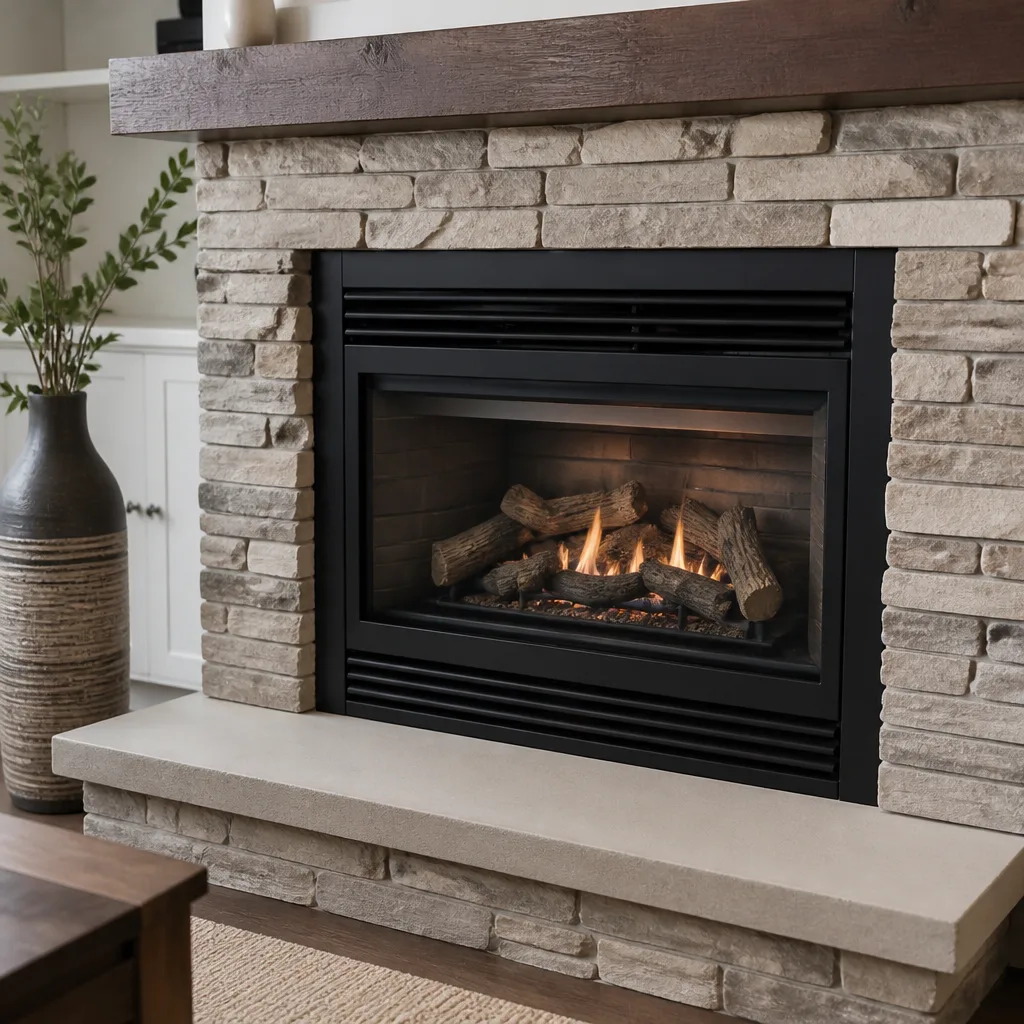 Gas fireplace service
Level 1 sweep and inspection to the NFPA 211 annual standard - flue, crown, cap, and flashing checked and photographed
Chimney sweep logs do not sweep chimneys. They loosen some creosote - which then falls where a brush and vacuum still have to collect it.
Seasonal Chimney Cleaning Care for Hillsboro: Year-Round Homeowner’s Guide
Most chimney advice you’ll find online was written for a place with four distinct seasons and a dry winter. Hillsboro doesn’t work that way. Our wet winters, our long damp springs, and our short intense burn season create a maintenance rhythm that runs opposite to the national playbook. Here’s the counterintuitive part: the most damaging period for a Hillsboro chimney isn’t winter at all. It’s spring, when a recently used flue stays cool and wet inside while the rain keeps coming outside. This guide lays out what to do each month, why the timing matters, and how to protect a masonry chimney through a Willamette Valley year.
Quick Answer
The best time to schedule chimney cleaning in Hillsboro is late August through September, before burn season starts and before the autumn rain sets in. Spring and summer matter just as much, though, for moisture control, cap and crown checks, and pest inspection. A properly timed yearly routine keeps creosote from building up over winter and catches water damage before it reaches the flue tiles.
Styles & brands we work with
- Sweep & inspection
- Caps & crowns
- Flue relining
- Masonry repair
- Gas fireplace service
Table of Contents
- Why Chimney Timing in Hillsboro Is Different
- Late Summer: The Pre-Season Window (August – September)
- Fall: Burn Season Begins
- Winter: Living With a Working Chimney
- Spring: The Most Important Season Most Homeowners Skip
- Summer: Birds, Pests, and Crown Sealant
- Month-by-Month Action Calendar for Hillsboro
- How a Wet Oregon Winter Affects Masonry Differently
Why Chimney Timing in Hillsboro Is Different
National chimney guides usually split the year into a “heating season” and a “cleaning before the heating season” routine. That works in places like the Midwest, where winter is cold and dry and summers are hot and humid. In Hillsboro, the moisture comes at the wrong end of the calendar for that advice to make sense.
The Willamette Valley gets its rain from roughly October through May. By the time most homeowners think about their chimney, in the middle of October, the wet season has already started. That means the flue that was clean and dry in July has spent a summer absorbing the humid air, and your first fire of the year is being burned on a chimney that hasn’t been assessed since the last burn season ended.
There’s a second local wrinkle: our winters are mild enough that freeze-thaw damage is rarer than in eastern Oregon or the mountain towns. That sounds like good news, and mostly it is. But it also means the real enemy here isn’t frost heave, it’s saturation. Masonry that stays wet for six or seven months of the year, without ever fully drying out, is the pattern that leads to spalling brick, cracked crowns, and flue tile deterioration. We see those problems in Hillsboro properties that would dry out just fine in Bend.
So the yearly routine gets restructured. Cleaning shifts to late summer. Moisture control and exterior inspection become spring priorities. Winter is about how you burn. Summer is about keeping pests and weather out while the chimney is idle. The rest of this guide walks through each of those windows.
Late Summer: The Pre-Season Window (August – September)
This is the single most valuable window on the Hillsboro chimney calendar. Weather is dry, temperatures are still warm, the burn season hasn’t started, and both you and your chimney professional have scheduling room. When you book a chimney sweep in August or September, three things happen while they still can.
- The flue gets swept before the first fire, not after. Creosote buildup from last winter is removed before the new burn season. You start the year with a clean flue and can measure buildup at the end of each season against a known baseline.
- The chimney dries out before the rain. Any moisture trapped in masonry during spring and summer gets a dry inspection. Cracks, crown issues, and cap damage are easier to spot on a dry chimney after a dry summer, and repairs have a chance to cure before they get soaked.
- You have lead time for repairs if needed. If an inspection turns up a damaged flue tile, a cracked crown, or a failing liner, there’s time to plan the fix in good weather rather than making an emergency call in November.
That last point matters more than most homeowners realize. Chimney repair work done in late summer is done on dry material with predictable curing. The same repair in December gets done in drizzle, when sealants and mortars can behave differently and the schedule is crowded with urgent calls. If a HeatShield resurfacing or a DuraFlex liner replacement is on your list, late summer is when to book it.
Fall: Burn Season Begins
Once the first genuinely cold evenings arrive, usually sometime in October in Hillsboro, the burn season has started whether or not you’ve done anything about it. The goal for fall is simple: don’t let the season start catch you mid-repair, and don’t start burning before basic checks are done.
By the time autumn rain settles in, your chimney should already be swept. If it isn’t, schedule it now and treat the first few fires as light and short until the sweep is done. Fires burn better and smoke less when the flue is clean and the cap is clear of summer debris.
- Open the damper and confirm it moves freely before your first fire. Dampers that sat closed through the wet months sometimes stick, and forcing them can damage the linkage.
- Check the cap from the ground. Leaves, twigs, and the occasional bird nest will block airflow and cause smoke to backdraft into the room. Clear the grate if it’s visible from below.
- Have your wood dry and stacked. Burning unseasoned wood produces more creosote and more smoke. Properly seasoned firewood is part of chimney care, not a firewood-shopping detail.
- Watch the first few fires. Smoke rolling back into the room, an unusual smell, or a fire that’s hard to draw all point to a problem worth a call rather than a guess.
Fall is also when the difference between a home with a recent inspection and a home without one shows up most clearly. If you bought the property with an unknown chimney history, this is the season to book a standalone inspection before you rely on it heavily.
Winter: Living With a Working Chimney
During the burn season, most chimney care is behavioral rather than mechanical. How you burn the fire determines how much creosote forms. How often you clean the firebox determines whether ash builds up into a problem. What you notice during the season determines whether spring inspection is routine or urgent.
Wood quality is the biggest lever most Hillsboro homeowners underestimate. Seasoned, dry wood burns hotter and cleaner. Damp wood burns cooler, produces more smoke, and leaves more creosote on the flue walls. Since our wet season runs right through the burn season, firewood stored outside without protection is going to be a problem. If your woodpile sits uncovered in the rain for weeks, you’re burning exactly the kind of wood that builds creosote fastest.
Watch for these signals during winter and take them seriously rather than talking yourself out of them:
- A strong, acrid smell when you open the firebox door, which can indicate creosote buildup in the flue.
- Smoke drifting back into the room when the fire is running normally.
- Dark staining on the chimney exterior, in the attic, or around the flue collar.
- Any noise from the chimney beyond the normal sound of a working fire.
None of these are sure signs of a serious problem on their own. All of them are reasons to get the chimney inspected before spring. A flue that was fine in October can quietly become a creosote problem by February, and our wet winters mean the exterior inspections that would normally catch it don’t happen mid-season.
Spring: The Most Important Season Most Homeowners Skip
The burn season ends and ninety percent of homeowners stop thinking about the chimney. That’s exactly backwards. Spring is when the most consequential chimney damage in Hillsboro takes root.
Here’s what happens. A flue that just finished a burn season is warm and full of humid air. The rain returns. The flue cools down, moisture condenses on the inside surfaces, and it stays there. That moisture works its way into mortar joints and flue tile cracks. By midsummer, if nobody has looked at the chimney, the damage has had months to develop in silence.
What spring chimney care actually involves:
- Moisture check at the top and bottom. An inspection looks for signs of water intrusion: damp masonry, staining, efflorescence (the white powdery salt deposits that show moisture moving through brick), and interior staining that would point back to the flue.
- Crown inspection. The crown is the concrete or mortar cap at the very top of the chimney. A crack in the crown lets water straight into the masonry below. Crown cracks are cheap to seal in spring and expensive to ignore into summer.
- Damper check and sealing. The damper is the door between your living space and the outside. An open or leaky damper in spring lets humid air and, in some setups, small pests straight into the flue. Check that it closes fully and seals.
- Cap inspection. Caps and covers fit over the top of the chimney to keep rain and animals out. Spring is when damage from winter weather shows. We source replacement caps and covers through professional supply lines like Gelco, Famco, and Copperfield, which means the fit and finish is designed for the chimney rather than adapted from something else.
If there’s a HeatShield resurfacing on the horizon, spring is also the season to have the flue assessed for suitability. HeatShield is designed for flues that are structurally sound but have surface damage. When the flue qualifies, resurfacing can save a full reline. When it doesn’t, you need a different answer, and a specialist should tell you which without hedging.
Summer: Birds, Pests, and Crown Sealant
Summer is the season when the chimney sits idle and collects problems quietly. Because it isn’t in use, most homeowners don’t look at it. That’s the mistake. A chimney in Hillsboro that goes unexamined from May to September can hide a lot by the time October rolls around.
The obvious summer issue is nesting. Birds, squirrels, and other small animals see an open or poorly capped flue as a shelter. If your cap is missing or damaged, the flue may have residents by midsummer. When the burn season starts, those nests become a blocked flue, a smoke backdraft problem, or worse. A chimney cap from a proper supply line is the simple solution, and it’s the one thing we most often find missing on homes with summer chimney problems.
The less obvious issue is crown sealant integrity. A crown that was fine in spring can crack over a summer of hot days and cool nights, and the crack will be small enough to miss from the ground. If you can safely view the crown from a ladder or a second-story window, look for visible cracks or missing sealant. Otherwise, have it checked during the late-summer sweep while the weather is dry and the repair window is open.
Summer is also the time to do a visual survey of the whole chimney from the ground: cap in place, no visible dishing or missing bricks, no staining on the side of the chimney. Any one of those findings is a reason to book an inspection before fall. None of them mean panic. They mean plan.
Month-by-Month Action Calendar for Hillsboro
Here’s a simple calendar you can keep. It’s built around our local precipitation pattern, which is the biggest driver of chimney health in this part of Oregon.
| Month | Main Task | Why It Matters Here |
|---|---|---|
| January | Monitor during burn season; watch for smoke backdraft or odor | Peak use; wet wood and long burns build creosote |
| February | Last heavy burn month; schedule spring inspection now | Booking in advance avoids the spring rush |
| March | Post-season inspection; moisture and flue check | First wet season after the burn; flue is at peak vulnerability |
| April | Crown and cap inspection; damper seal check | Rain finds every crack; sealing now is cheap |
| May | Cap repair; pest exclusion | Birds and animals start nesting as the chimney goes idle |
| June | Exterior visual check from the ground | Dry weather makes damage easier to see |
| July | Book your late-summer sweep | Scheduling ahead gets you the window you want |
| August | Chimney sweep; full inspection | Flue swept in dry weather; repairs can still happen before rain |
| September | Any repairs from inspection; verify damper and cap | Last dry month to finish work before the wet season |
| October | Prepare for burn season; firewood dry and stacked | Rain has returned; dry wood matters more than ever |
| November | First fires; monitor draft and smoke | Early signals of problems show up here |
| December | Heavier use; keep the firebox clean | Ash buildup and creosote peak in the coldest weeks |
The calendar isn’t rigid. Life happens, and if you miss the August window, September works just as well. If you miss both, book a sweep in October and plan to catch up in spring. What matters most is that the chimney is swept and inspected at least once a year, and that the timing lands more often in the dry months than in the wet ones.
How a Wet Oregon Winter Affects Masonry Differently
Most national chimney guides are written for a climate with dry summers and cold, dry winters. In those places, the failure mode is freeze-thaw: water gets into masonry, freezes, expands, and breaks the brick from inside. That’s real, and it’s serious, but it’s not what dominates in Hillsboro.
The dominant pattern here is saturation. Our masonry stays wet for six or seven months of the year, and it rarely gets a full dry-out between storms. That means the damage mechanism is different, and it changes what an annual inspection should check.
- Efflorescence appears before spalling. White powdery deposits on brick or mortar are the first visible sign that moisture is moving through the masonry. Catching them early means sealing before real damage starts.
- Mortar joints soften faster than in dry climates. Saturated mortar loses strength slowly and quietly. The chimney looks fine on the outside until the joint starts receding. An inspection that maps mortar condition is more useful here than a visual check alone.
- Crown cracks cause more damage over a wet winter than a dry one. The same crack that lets in a little moisture in eastern Oregon lets in months of it here. Crown condition is a higher priority than it is in most of the country.
- Interior flue tiles can crack from repeated moisture cycling. Warm flue air, cool wet exterior, condensing moisture inside the flue. HeatShield resurfacing is designed for exactly this scenario when the tiles are still structurally sound. If they’re not, DuraFlex liner replacement is the answer, and a specialist should tell you which without changing the subject.
- Dampers leak more when the outside is wet for months at a time. A damper that gets by in a dry climate lets humid air into the flue here on a repeated basis. Spring damper checks matter for that reason.
This is why our inspection scope in Hillsboro often runs deeper than what you’d get from a general service visit. It’s not that we invent extra steps. It’s that the wet season gives water more time to work, and the inspection has to account for that.
Common Mistakes to Avoid
- Booking the sweep in October. The flue is swept in the wettest part of the year, right at the beginning of burning. Late summer is a far better window and much easier to schedule.
- Skipping spring entirely. The chimney sat through a burn season and now sits through the rain. Ignoring it means any moisture damage that starts in spring finishes on its own before you notice.
- Leaving an uncapped flue through the summer. Birds nest, animals enter, and by fall the flue is blocked before you’ve burned a single fire. A cap solves it for good.
- Burning unseasoned firewood because the woodpile sat in the rain. Our wet months make covered, dry storage essential. Wet wood builds creosote fast.
- Assuming a dry climate freeze pattern applies. Hillsboro masonry deals with saturation, not freeze-thaw. That changes what an inspection should focus on, and a generalist might miss it.
- Treating a sweep as a sales pitch instead of a check. A chimney inspection should tell you what the flue actually needs. If it can wait, it should be told to wait.
- Putting off a HeatShield or liner decision because the quote felt large. Spring damage from a neglected crown or a failing flue doesn’t pause while you think about it. A real answer now is cheaper than an emergency later.
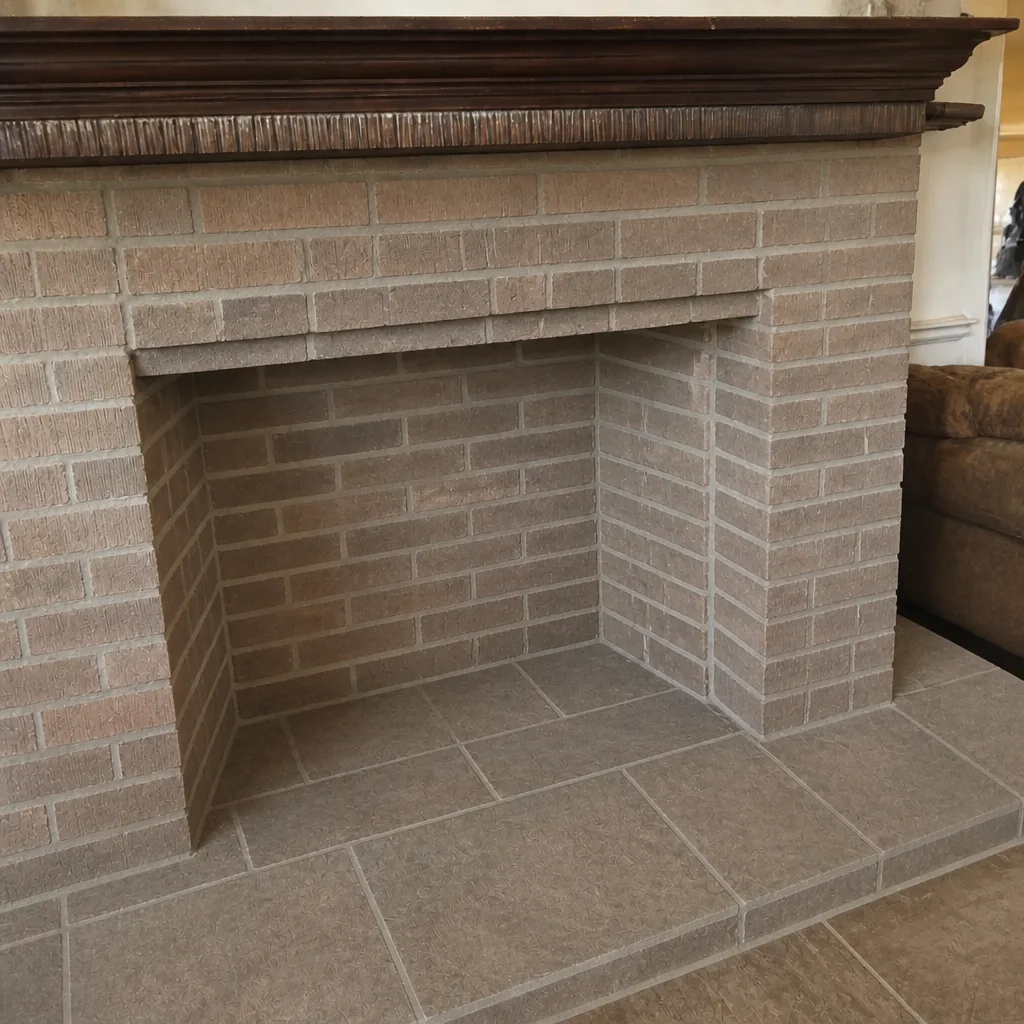
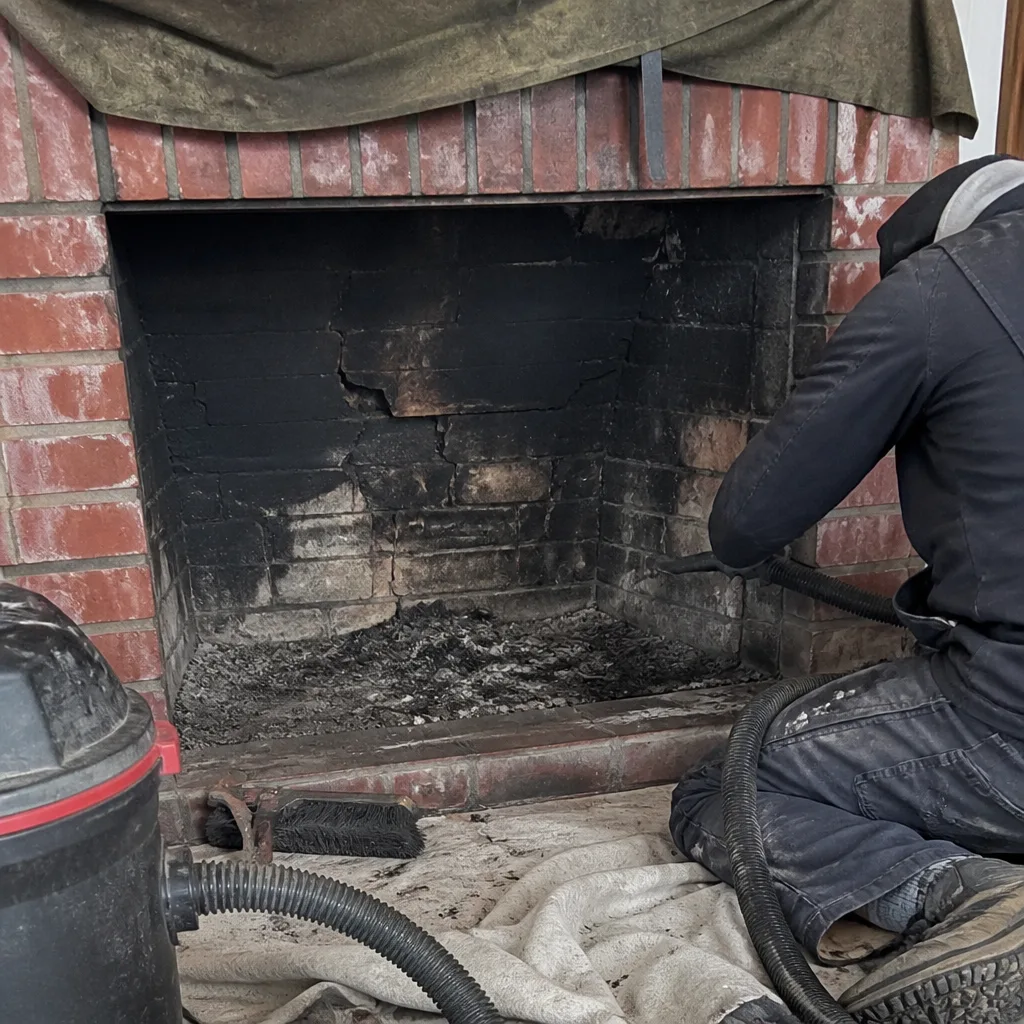
See the difference
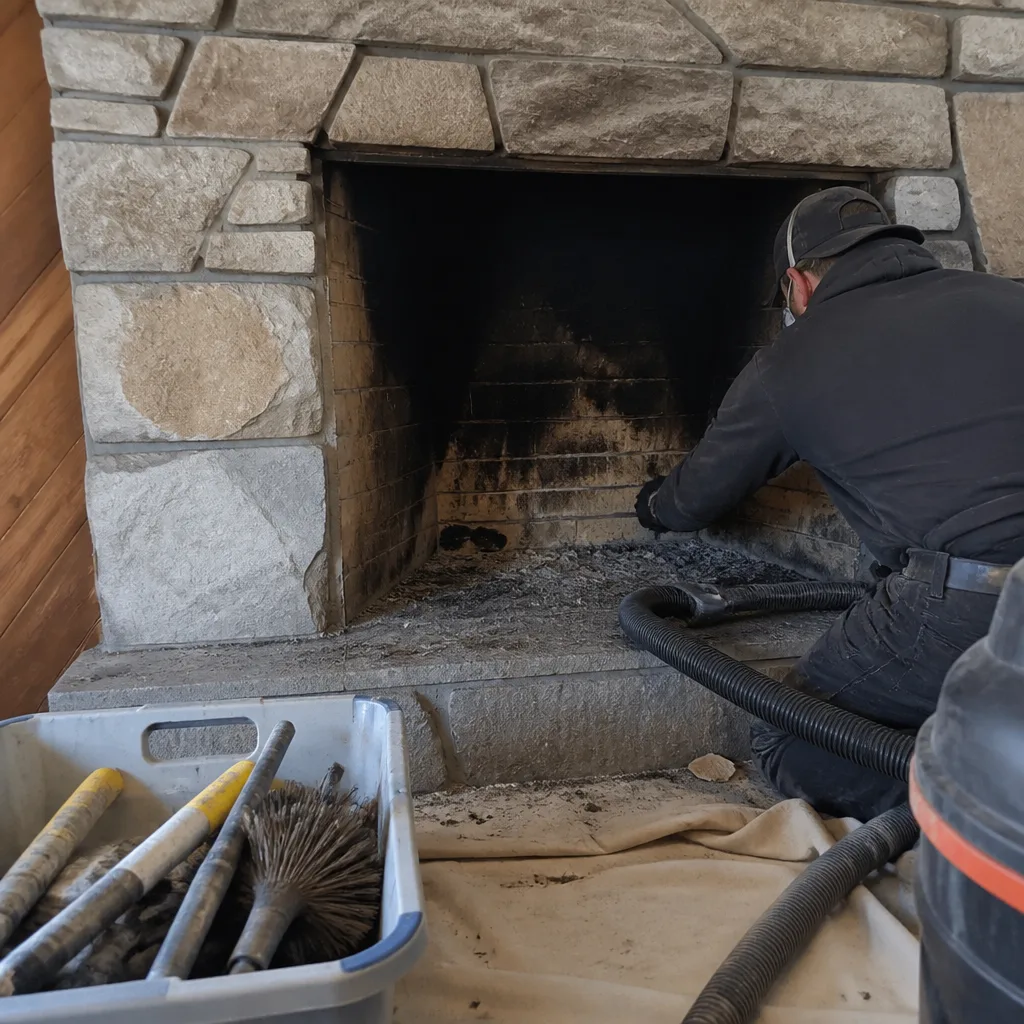 Before
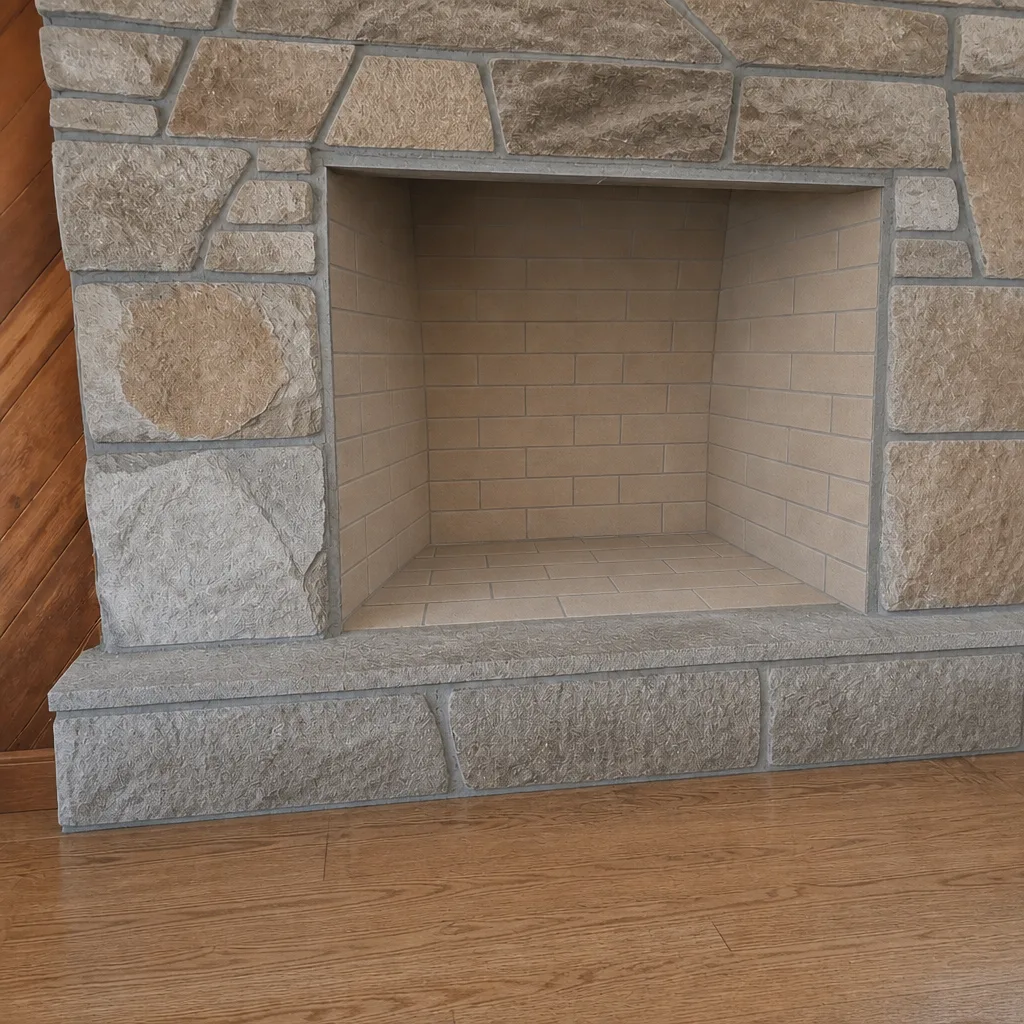 After
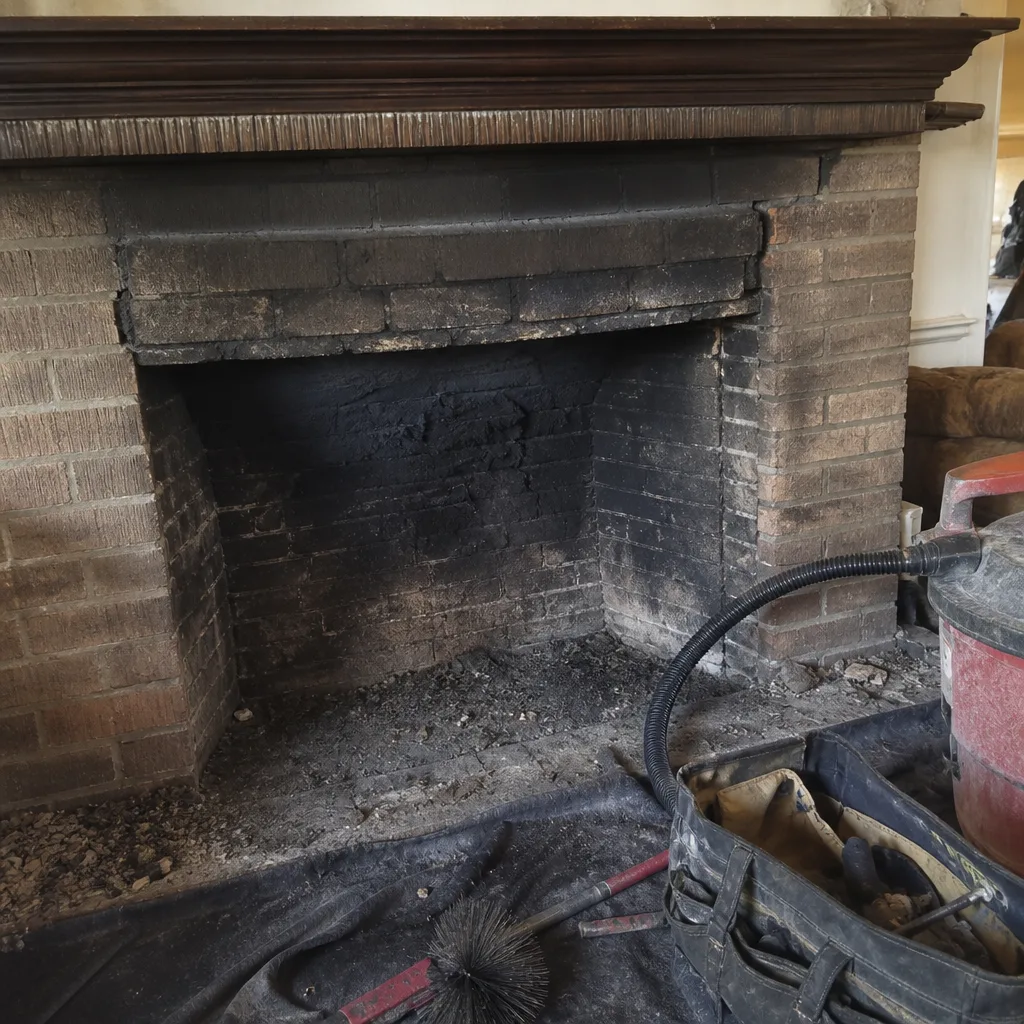 Before
 After
 Before
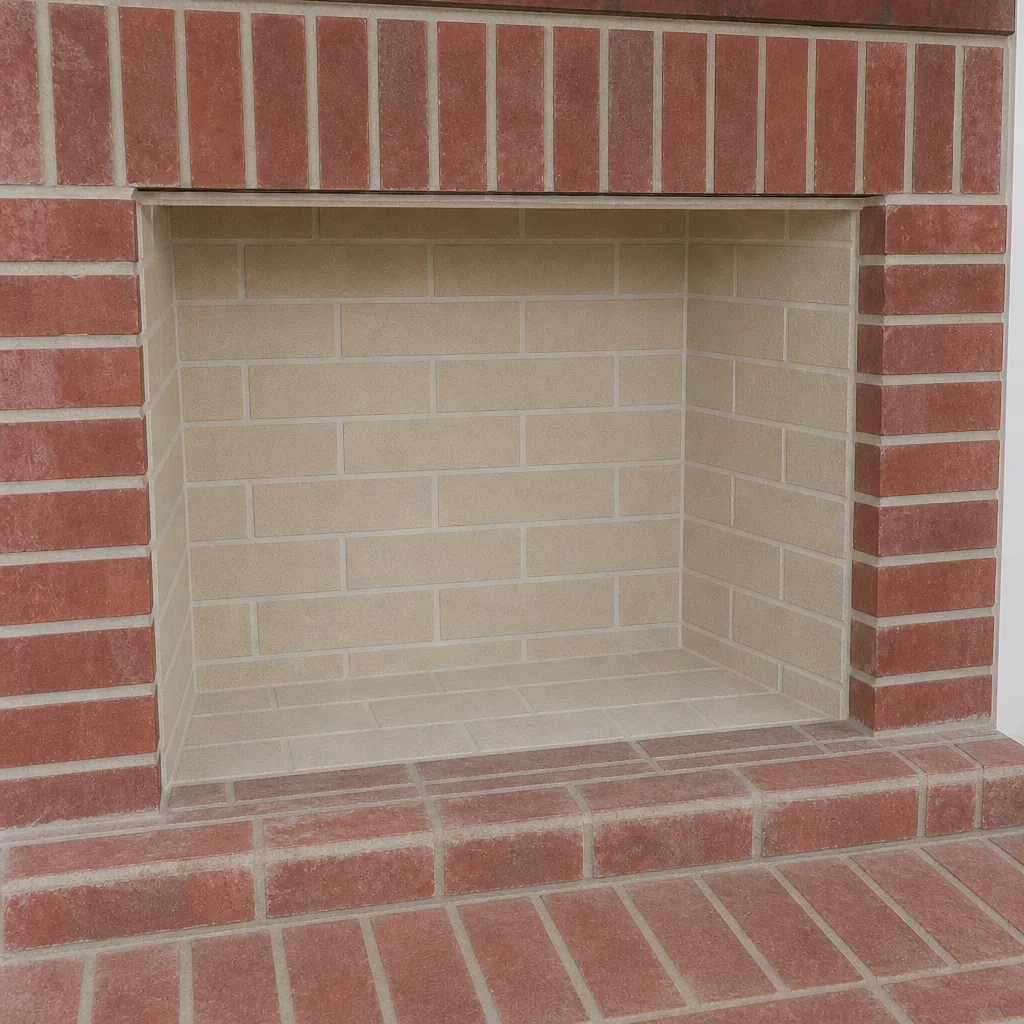 After
When to Call a Professional
Some chimney work genuinely isn’t a phone call. A light sweep is fine, a firebox ash cleanup is fine. But a chimney is a fireproofing system, and some of what happens inside it can’t be reasoned about from the living room. Call us if you see any of the following.
- Smoke backdrafts into the room when the fire is running with the damper open.
- A strong creosote smell when the firebox is closed.
- Visible cracks or damage to the chimney crown, cap, or exterior masonry.
- Water staining on the chimney breast inside the home.
- A home purchase with an unknown chimney history.
- It’s been more than a year since the last inspection or sweep.
We answer 24/7. Chimney Sweep Hillsboro offers free estimates in Hillsboro. Call (855) 473-8720 and we’ll talk through what you’re seeing and what it needs. Fast dispatch from 7am to 7pm, Sunday through Friday.
Frequently Asked Questions
Late August through September is the optimal window locally. The weather is dry, the burn season hasn’t started, and there’s scheduling room for both the sweep and any repairs an inspection turns up. If you miss that window, October is workable but less forgiving because rain has returned. Booking in July for an August date is the simplest way to land the ideal slot. Call us when you’re ready to lock it in.
Once a year for most wood-burning households, and once a year for gas fireplaces as well because gas systems can develop their own issues that only an inspection catches. Heavy burners, or anyone burning a lot of unseasoned wood through our wet months, may need it more often. A yearly inspection tells you what your specific flue actually needs. Call and we’ll help you find the right schedule.
Because the flue is at its most vulnerable right after the burn season. It’s warm and humid inside, and the rain comes back. Moisture condenses, works into mortar joints and flue tile cracks, and sits there for months. Spring is when moisture control, crown inspection, cap checks, and damper sealing actually protect a Hillsboro chimney from the wet season.
Not always. Some flues with surface damage are candidates for HeatShield resurfacing, which is designed exactly for structurally sound but damaged tile and can save the cost of a full reline. Other flues genuinely need a DuraFlex liner replacement because the structural condition won’t support resurfacing. A specialist should look at yours and tell you which applies, without hedging. Call us for an accurate answer.
Creosote builds up through one more burn season, which raises fire risk and makes the next sweep take longer. More importantly in our climate, the wet season gets a full year of moisture into masonry without a check. Crown cracks widen, mortar softens, and flue tiles that would have been candidates for HeatShield in year one can become full reline cases by year three. Skipping a year is not free. Call (855) 473-8720 and we’ll get you back on track.
It can, especially with exterior modifications like caps and covers whose appearance matters. Most cities require a permit for significant chimney structural work, so it’s worth asking your city’s building department before major repairs. We’ll work with you on the scope and finish so what goes on the outside fits the home and, where applicable, the neighborhood rules.
The Bottom Line
Chimney care in Hillsboro follows a rhythm that runs opposite to most of the country. The burn season is short, the wet season is long, and the most productive window for sweeping and inspection is late summer before the first fire. Spring is when moisture control matters most, and summer is when caps, crowns, and pest exclusion quietly protect the flue. Get the timing right and the chimney stays healthy with one yearly sweep and one spring inspection. Get it wrong and the damage shows up in the wet months, quietly, one joint at a time. If you’re not sure where you stand, call us and we’ll figure it out together. Call (855) 473-8720. We answer 24/7. Fast dispatch from 7am to 7pm, Sunday through Friday.
Written by the team at Chimney Sweep Hillsboro.