
Last updated November 16, 2026
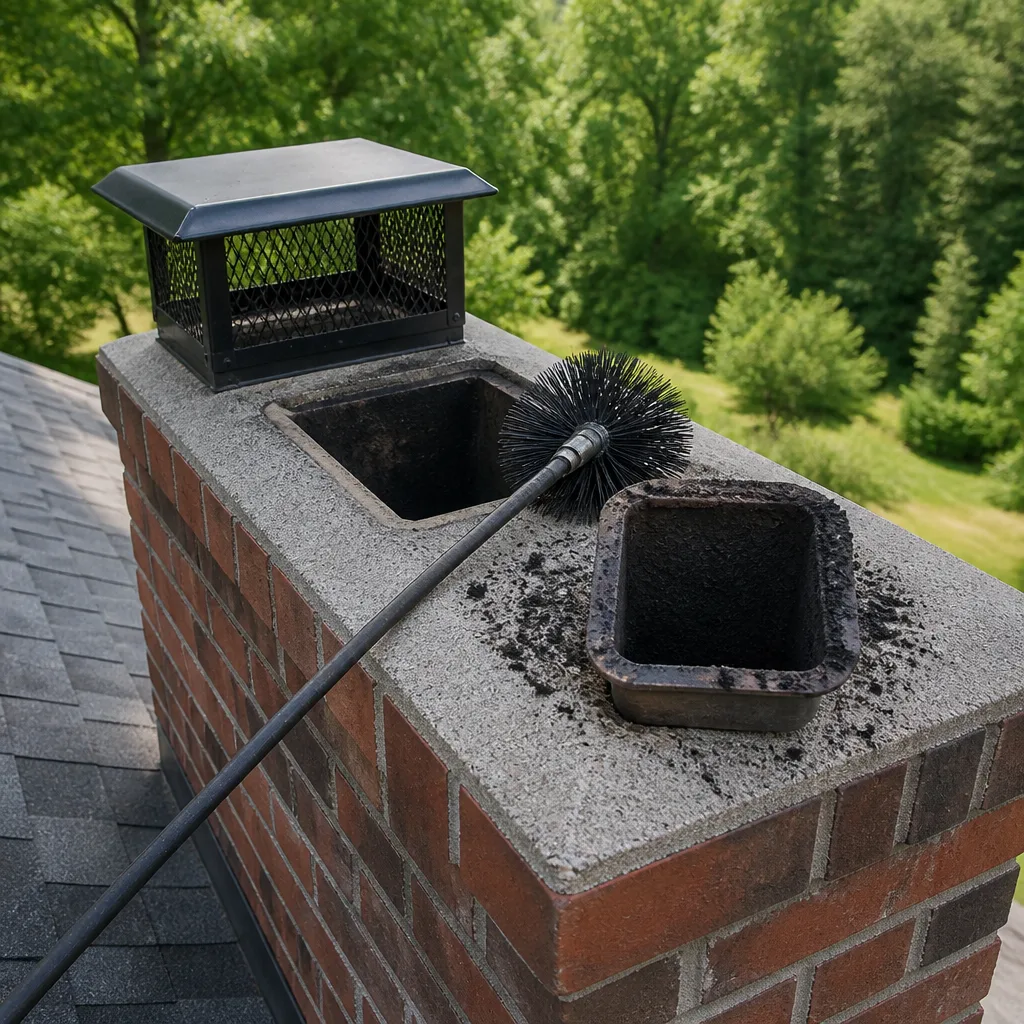 Sweep & inspection
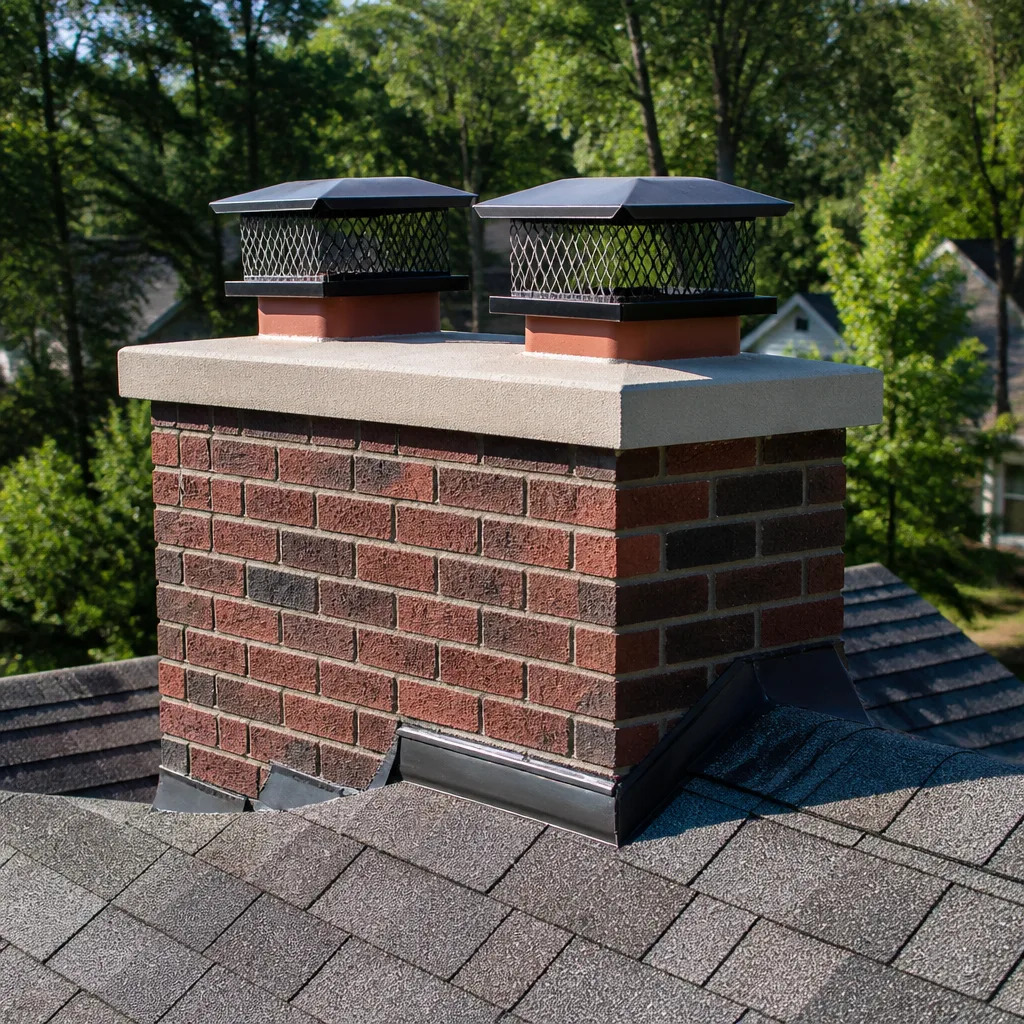 Caps & crowns
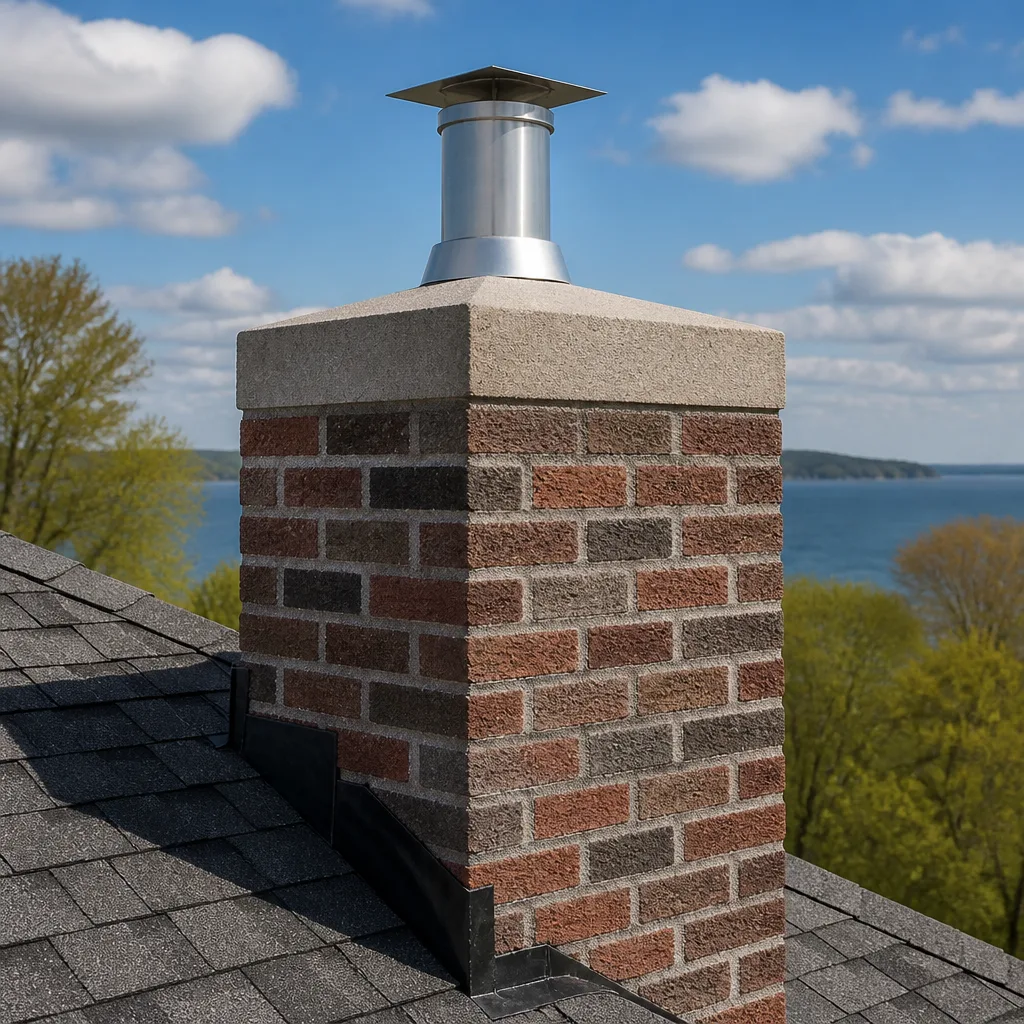 Flue relining
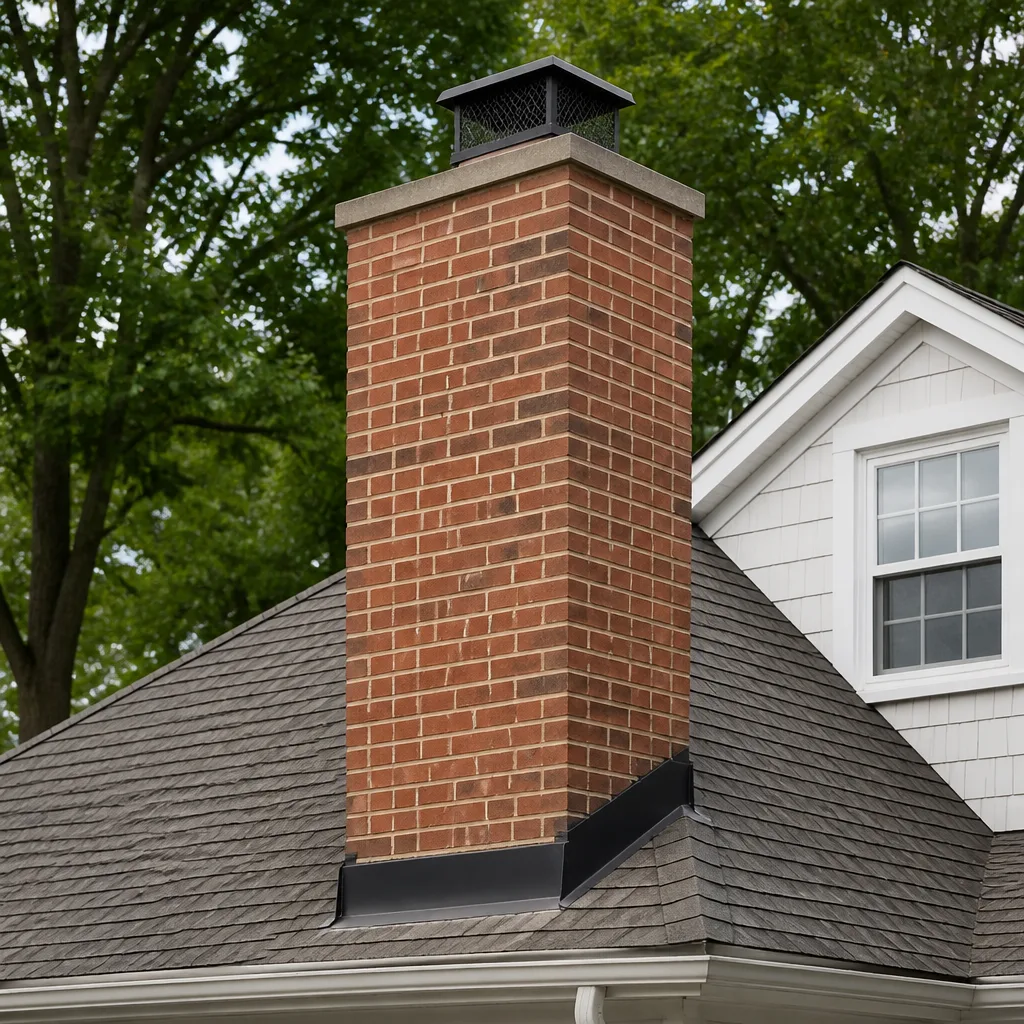 Masonry repair
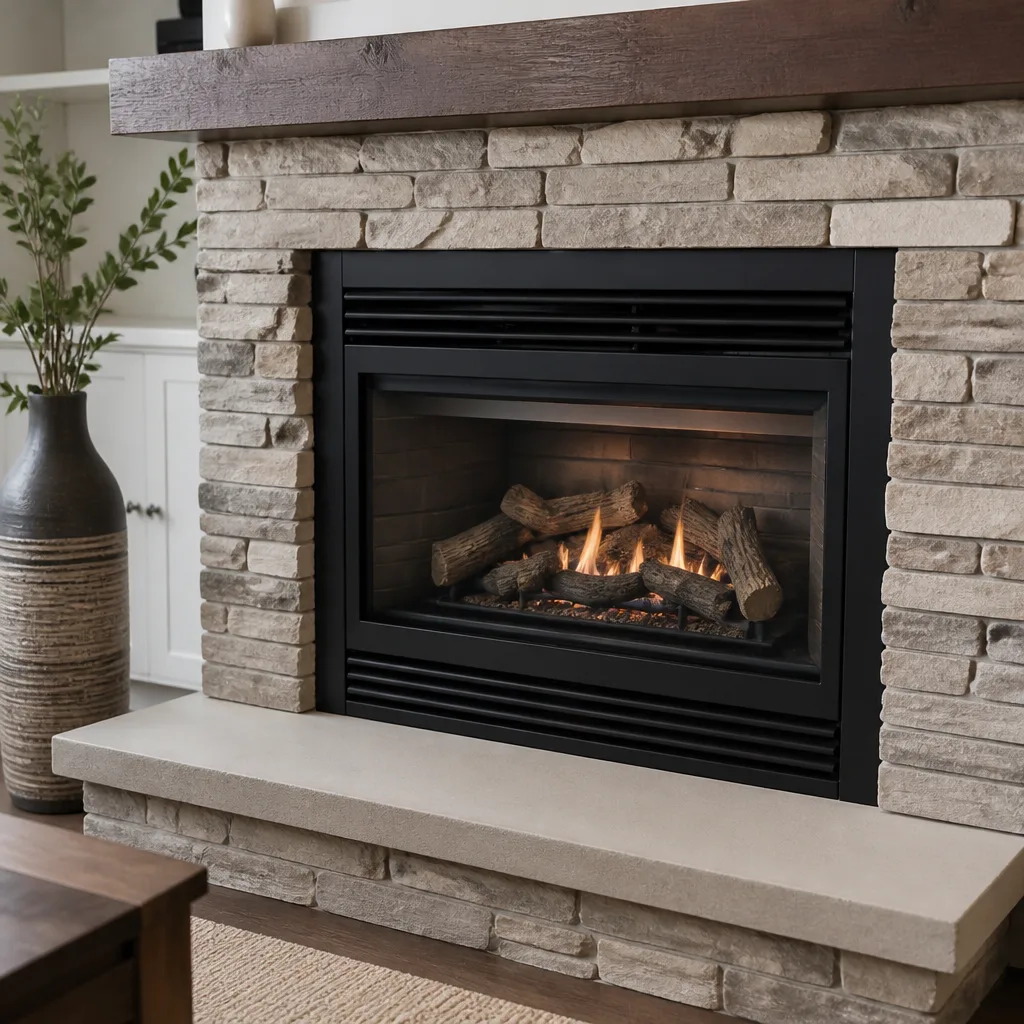 Gas fireplace service
Level 1 sweep and inspection to the NFPA 211 annual standard - flue, crown, cap, and flashing checked and photographed
Chimney sweep logs do not sweep chimneys. They loosen some creosote - which then falls where a brush and vacuum still have to collect it.
Chimney Sweep Maintenance Checklist for Hillsboro Homeowners
The most expensive chimney repairs we see in Hillsboro usually trace back to something small that was ignored for a couple of wet seasons: a cracked crown, a loose cap, a mortar joint that kept taking on water every November. Chimneys don’t fail all at once. They fail in a slow sequence of small openings that rain, moss, and freeze-thaw cycles exploit one after another. What follows is a checklist built around the parts that actually fail in this climate, organized by component rather than by month, so you can look at your own chimney with clear pass/fail criteria before you ever pick up the phone. You’ll learn what “good” looks like for each part, what you can check from the ground versus what needs a flashlight, and how to document problems so a sweep can triage them before arriving.
Quick Answer
A chimney maintenance checklist for Hillsboro should cover seven components in order of water exposure: crown, cap, flashing, liner, smoke shelf, damper, and firebox. Check the crown, cap, and flashing visually from the ground twice a year, verify the liner, smoke shelf, damper, and firebox with a flashlight during your annual inspection, and schedule a professional sweep whenever creosote buildup, visible damage, or a year of unknown history warrants it. In Hillsboro’s wet, mild-winter climate, water intrusion drives most failures, so the exterior inspections matter as much as the flue itself.
Styles & brands we work with
- Sweep & inspection
- Caps & crowns
- Flue relining
- Masonry repair
- Gas fireplace service
Table of Contents
- The Crown: Your Chimney’s First Line of Defense
- Cap and Flashing: Where Water Gets In
- The Liner: What’s Actually Inside
- Smoke Shelf and Damper: The Parts You Forgot
- The Firebox: Creosote, Cracks, and Heat Damage
- How to Document Findings With Photos
- Service Intervals Based on Real Usage
- Common Mistakes to Avoid
The Crown: Your Chimney’s First Line of Defense
The crown is the concrete or mortar cap at the very top of the chimney that slopes away from the flue. Its entire job is to shed water, and when it cracks or the slope flattens out, water runs down into the masonry instead of off it. In a climate like Hillsboro’s, where wet weather dominates from fall through spring, a crown that would survive decades in a dry climate might only last a handful of years before hairline cracks start opening up.
Here’s what good condition looks like:
- Crown: Solid, uncracked, with a visible slope away from the flue. No moss, no crumbled edges, no pooled water after rain.
- Crown-to-flue joint: Sealed all the way around with no gap where water can enter.
Moss intrusion is a Hillsboro-specific problem worth flagging. The damp, mild climate here supports moss growth on horizontal masonry surfaces, and once moss establishes on a crown, its root structure widens existing cracks and holds moisture against the concrete. A crown that looks “just a little green” is already failing. The fix is usually straightforward: reset or recrown the chimney so water sheds properly. This is one of the reasons we emphasize the crown first on any chimney repair call: catching it early keeps water out of the flue and off the interior of the house.
What You Can Check From the Ground
With binoculars, you can usually see whether the crown is intact, whether moss is creeping across it, and whether the edges have spalled. What you can’t see from the ground is the slope itself, which matters most. That’s a job for the inspection.
Cap and Flashing: Where Water Gets In
The cap sits above the flue opening and keeps rain, birds, and debris out. The flashing is the metal work at the base of the chimney, where it meets the roof, and it’s the single most common source of leaks that get misdiagnosed as roof problems. In Hillsboro, persistent rain puts flashing through a constant wet-dry cycle, and the corrosion that results shows up as rust streaks, lifting metal, or gaps where the flashing was sealed to the roof with caulk that has since failed.
What good condition looks like for each:
- Cap: Properly sized (sits over the flue and overhangs the crown edges), securely fastened, with a spark screen in good repair. No rust-through on metal caps, no cracks on concrete or clay caps.
- Flashing: Tight metal, sealed seams, no rust penetration, no lifting edges. Caulk alone is a temporary fix, not a pass.
It’s worth knowing that not every cap is created equal. We source caps and flashing components from professional chimney supply lines like Gelco and Copperfield because the retail versions sold at hardware stores often use thinner gauge metal and generic sizes that don’t fit properly. A cap that rattles or leaves a gap is worse than no cap at all, because it invites water and wildlife while giving the homeowner a false sense of protection.
What You Can Check From the Ground
You can inspect the cap shape and screen condition from ground level. Flashing needs a closer look, ideally from the roof or from inside the attic where you can see daylight or water staining. If a leak shows up as a ceiling stain, the flashing is the first place to look.
The Liner: What’s Actually Inside
The flue liner is the passage the smoke travels through. It’s also the part most homeowners never see, and the part most likely to be misrepresented by contractors who want to sell a full reline. In Hillsboro’s older housing stock, many flues still have clay tile liners that have cracked or spalled over decades of heat cycling. In newer homes, you may have a stainless liner from the start.
Here’s the useful distinction: a cracked tile doesn’t automatically mean a full reline is needed. If the tiles are structurally sound but the surface is damaged, HeatShield resurfacing can restore the flue from the inside without a complete tear-out, which is often a significant cost saving. If the tiles are broken out, offset, or missing, a DuraFlex flexible liner replacement is the right answer. We’ll tell you honestly which one your flue actually needs, based on what the camera shows.
What good condition looks like:
- Liner: Continuous, uncracked, with properly sealed joints. No gaps where smoke or carbon monoxide can escape into the masonry or attic.
- Liner-to-appliance connection: Sealed, with no draft gaps.
What You Can Check From Inside the Firebox
Shine a strong flashlight up the flue from the firebox. You’ll see the lower section of the liner, and you may spot cracked tiles, missing mortar joints, or heavy soot glaze. What you won’t see is the upper two-thirds, which is why a camera inspection matters. Our chimney sweep service includes a camera inspection because the visible bottom of the flue tells only part of the story.
Smoke Shelf and Damper: The Parts You Forgot
The smoke shelf is the ledge at the back of the firebox that redirects downdrafts back up the flue. The damper is the metal plate above the firebox that opens and closes the flue. Together they control how well your fireplace drafts. In Hillsboro, where wind comes off the Coast Range and shifts through the valley, smoke backdrafting is common in homes with poorly sealed or stuck dampers.
What good condition looks like:
- Smoke shelf: Clean, unobstructed, with no heavy creosote buildup or debris accumulation. A shelf packed with soot causes smoke to roll into the room instead of up the flue.
- Damper: Opens and closes smoothly, seats flush when closed, and isn’t warped or rusted shut. If you can’t move it by hand with modest pressure, it needs attention.
The smoke shelf is also where creosote tends to collect first, and in a rainy climate the moisture in the flue can make that creosote softer and more volatile. That’s one reason annual cleaning matters here. A functioning smoke shelf and damper are part of what makes your fireplace work the way it should, not just what makes it safe.
What You Can Check From Inside the Firebox
Open the damper and look up. You’ll see the smoke shelf if you tilt your flashlight toward the back wall. You can test the damper by hand. If it moves freely, that part passes. If it’s stuck, warped, or missing pieces, that’s a call.
The Firebox: Creosote, Cracks, and Heat Damage
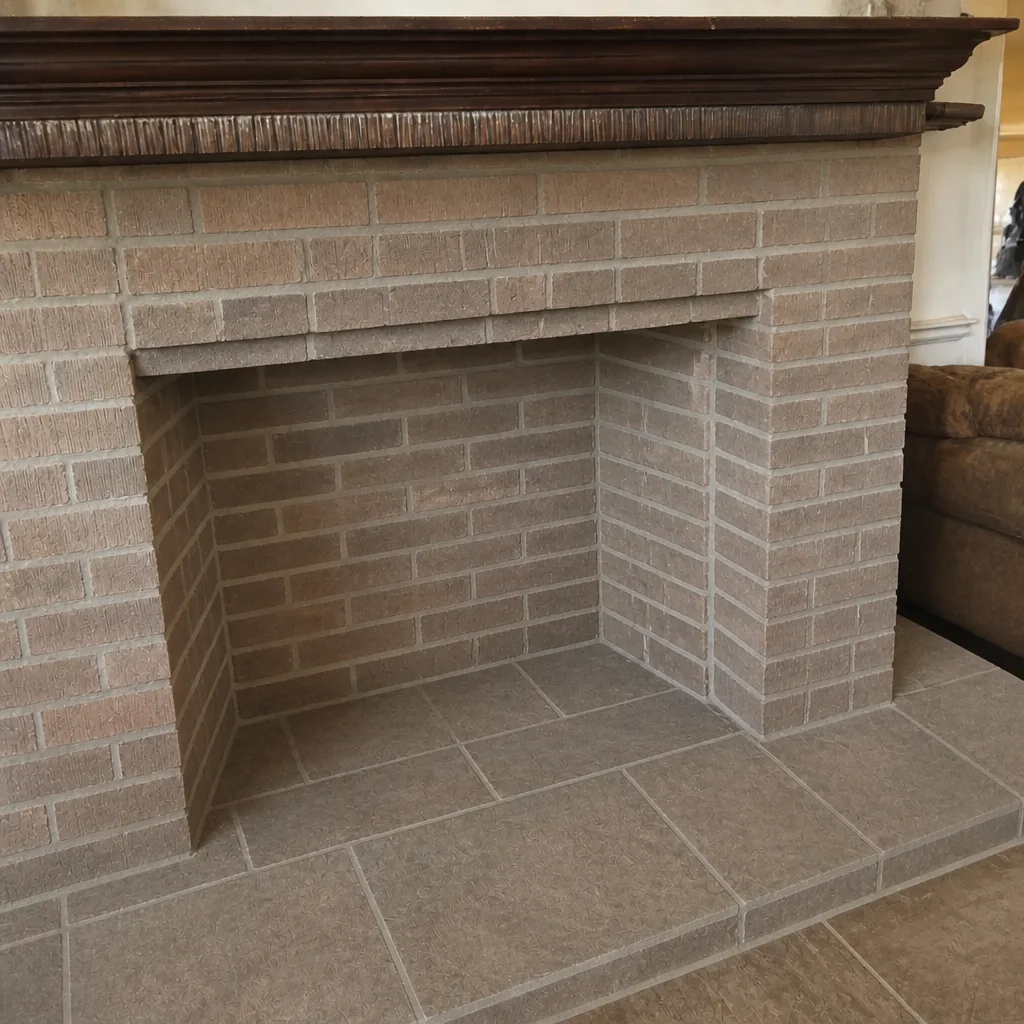
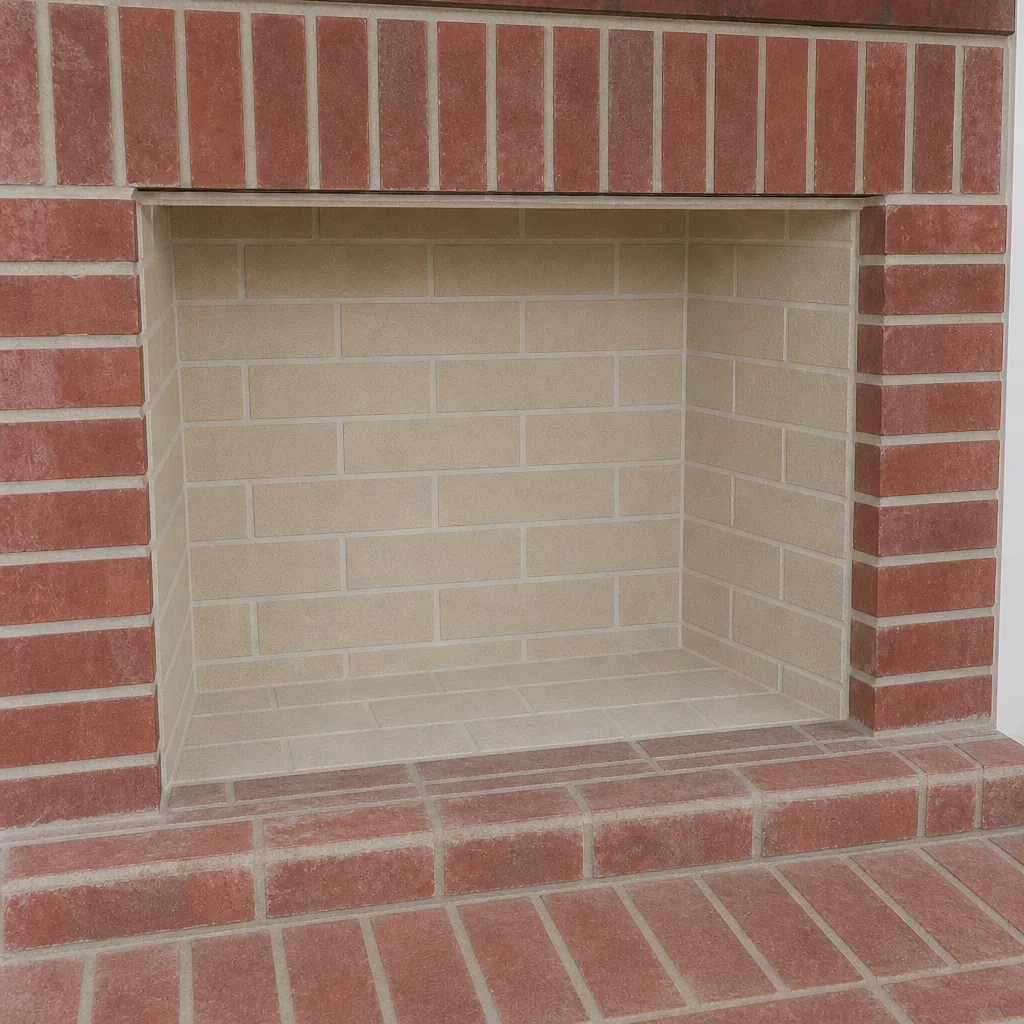
The firebox is the interior chamber where the fire burns, and it takes the most direct heat of any part of the system. Over time, firebrick cracks, mortar joints erode, and metal firebox panels warp. Each of these allows heat to reach the framing behind the firebox, which is a fire hazard, not just a cosmetic issue.
What good condition looks like:
- Firebrick: Intact, with tight mortar joints and no deep cracks. Fine surface crazing is normal; cracks wide enough to slide a coin into are not.
- Firebox walls: Solid, with no missing brick, no soft or crumbling mortar, and no warped metal panels on a prefab unit.
- Ash dump: If your chimney has one, the door should seat tightly and the pit should be clear.
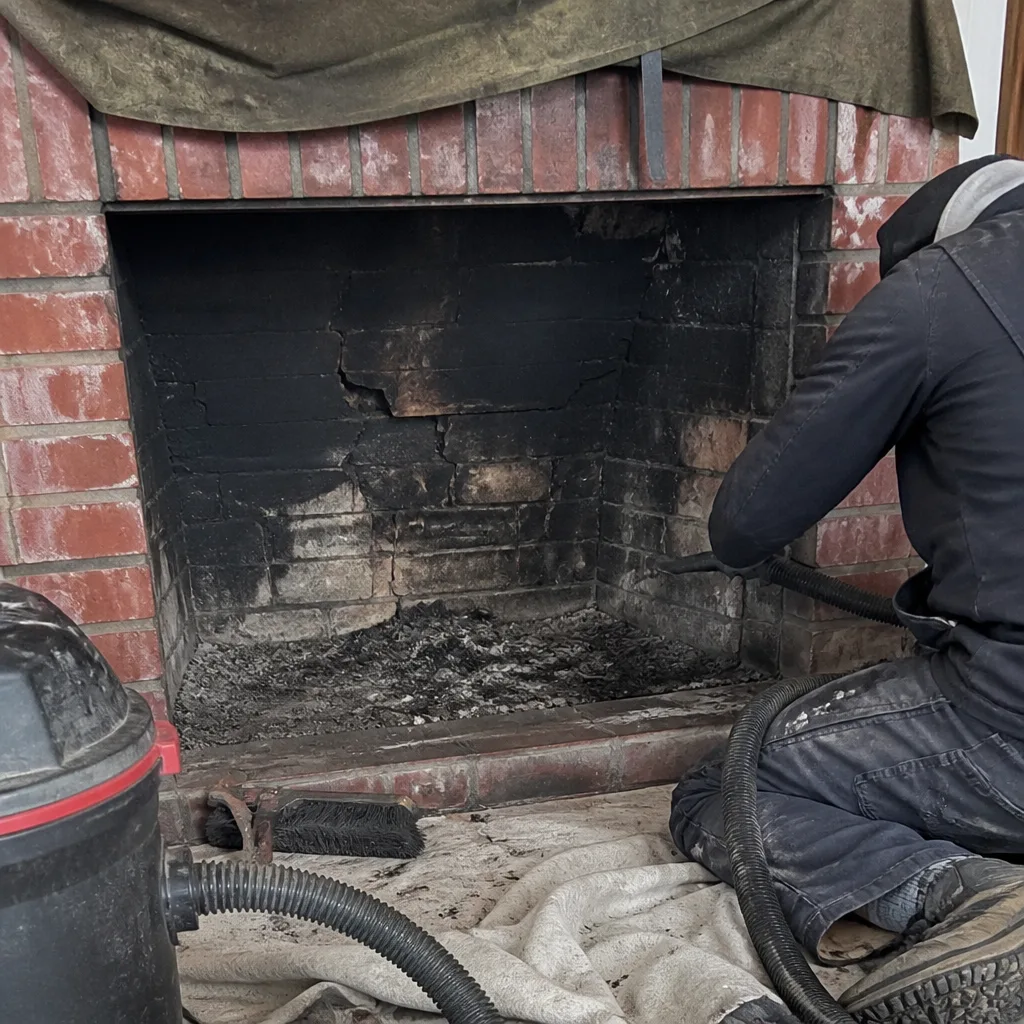
Creosote is the other concern. It builds up in layers on the firebox walls and the flue, and in Hillsboro’s damp conditions, it can stay sticky longer than it would in a drier climate. That’s why we treat a sweep as diagnostic, not just cleaning: the amount and type of creosote we find tells us how often your particular fireplace needs service.
What You Can Check From Inside the Firebox
This is the most homeowner-accessible part of the checklist. You can visually inspect the firebrick, the mortar joints, and the firebox walls with a flashlight. You can feel for soft mortar with a screwdriver handle. You can’t safely assess creosote depth or the condition of the upper flue without professional tools, so stop at what you can see and let a specialist handle the rest. Never attempt to clean or repair the firebox yourself: the materials and clearances involved are specified for a reason, and getting it wrong creates a real hazard.
How to Document Findings With Photos
Photos are the single most useful thing you can bring to a sweep appointment. A clear photo of the crown, the cap, the flashing, and the firebox lets us triage severity before we arrive, so the visit is planned around what actually needs attention instead of starting from scratch. It also protects you: if a contractor tells you thousands of dollars of work is needed, your photos give you a reference point for what was actually visible before any work started.
Here’s a simple documentation routine:
- Take wide shots from the ground of the full chimney, the cap, and the flashing on all visible sides. Include the roofline so the flashing context is clear.
- Take close shots from the firebox of the firebrick, mortar joints, damper, and smoke shelf. Use a flashlight at an angle to cast shadows that reveal cracks.
- Photograph any water staining on the ceiling, attic framing, or chimney chase, and note where it’s located.
- Label the photos by date and location (crown, cap, flashing, firebox) so we can compare them to what we see during inspection.
- Keep a simple log of when the chimney was last swept and any prior repairs, even if it’s “unknown” from a recent home purchase.
If you’ve recently bought a home in Hillsboro with an unknown chimney history, this log is worth starting now. It’s also worth knowing that our inspection service is a standalone offering, not a sales funnel. You can get an honest assessment of what your photos and chimney actually show before committing to any repair work.
Service Intervals Based on Real Usage
The “once a year” rule of thumb is a starting point, not a universal schedule. The right interval depends on how much you burn, what you burn, and how the chimney is built. A homeowner who lights a fire a few times a season and a homeowner who heats with wood all winter have very different service needs, and a checklist that ignores that difference isn’t doing much work for you.
Here’s how we think about intervals:
- Light use (a handful of fires per season): Annual inspection, sweep when creosote accumulates or at the recommended interval from your last sweep.
- Regular use (weekly fires through the heating season): Annual sweep and inspection, with a mid-season visual check of the firebox and cap.
- Heavy use (wood as a primary heat source): Sweep more often, sometimes more than once a heating season, plus a full inspection. Creosote builds fast with continuous burning.
- Gas fireplace: Annual inspection still applies, though the cleaning interval differs. Gas units still need their vents and components checked.
- Unknown history (new home purchase): Inspect before the first fire, regardless of what the seller said.
If you’re in the Hillsboro area and you’re not sure where your chimney falls on this list, an inspection settles it. If you want a broader picture of how Hillsboro chimneys typically age, our service overview walks through the local climate and housing factors that drive most of the calls we get.
Common Mistakes to Avoid
These are the recurring problems we see on service calls around Hillsboro, and each one is worth avoiding:
- Skipping the exterior because the interior looks fine. Most water damage starts at the crown or flashing, not inside the flue. A clean firebox tells you nothing about the top of the chimney.
- Assuming a cracked flue tile means a full reline. A structurally sound flue with surface damage may be a HeatShield resurfacing candidate, which is far less expensive than a full DuraFlex replacement. Get an honest assessment before committing.
- Burning unseasoned wood to save money. Green wood produces more creosote and more moisture in the flue, which accelerates the exact problems this checklist is designed to prevent. Seasoned firewood is a maintenance decision, not just a performance one.
- Caulking flashing and calling it fixed. Caulk fails within a season or two in Hillsboro’s wet climate. Flashing repairs need proper metal work.
- Ignoring the damper until smoke backs up. A stuck damper is a draft problem you’ll notice the first cold night, not the first inspection.
- Hiring a generalist for chimney work. Chimney systems have their own clearances, materials, and codes. A handyman who handles roofing and gutters is not the same as a specialist who works on chimneys every day.
- Not documenting anything. Without photos and a service log, you’re starting from zero every time, which makes it hard to compare estimates or spot changes over the years.
See the difference
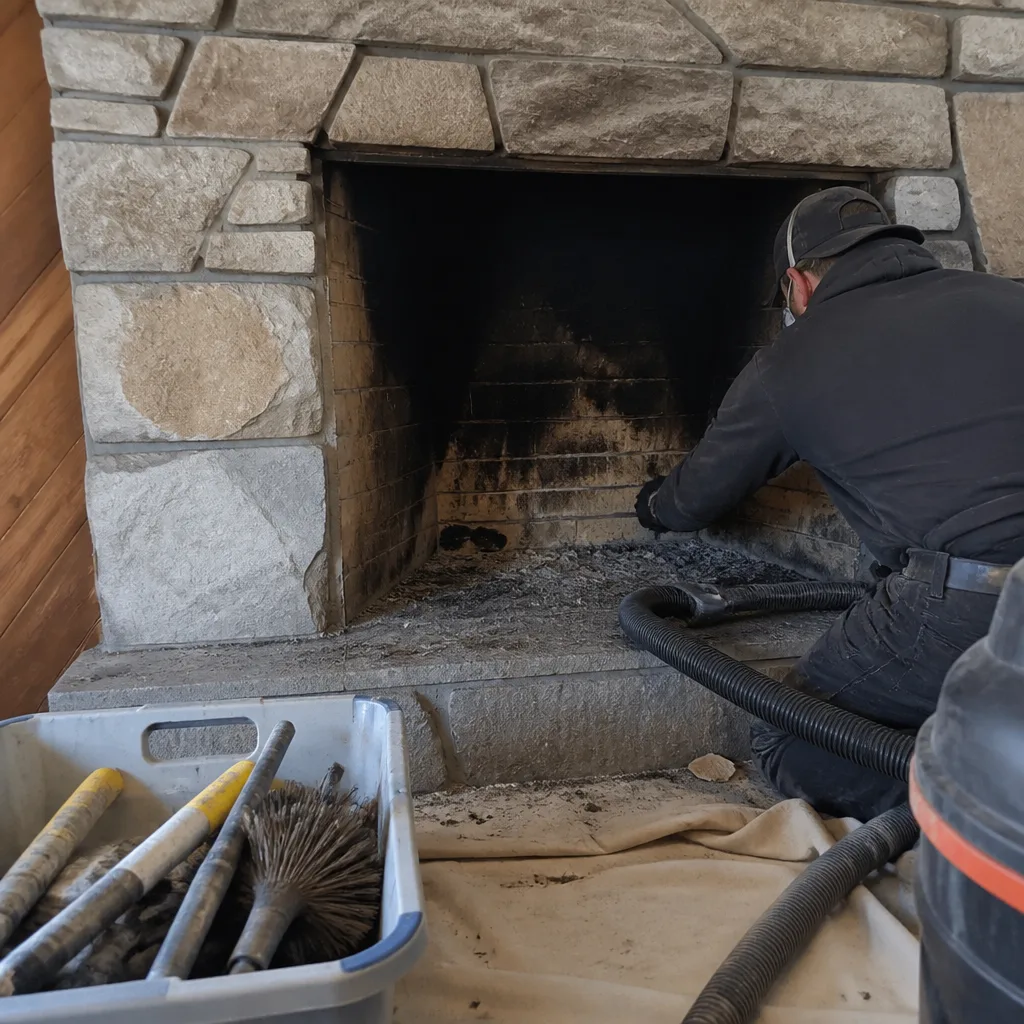 Before
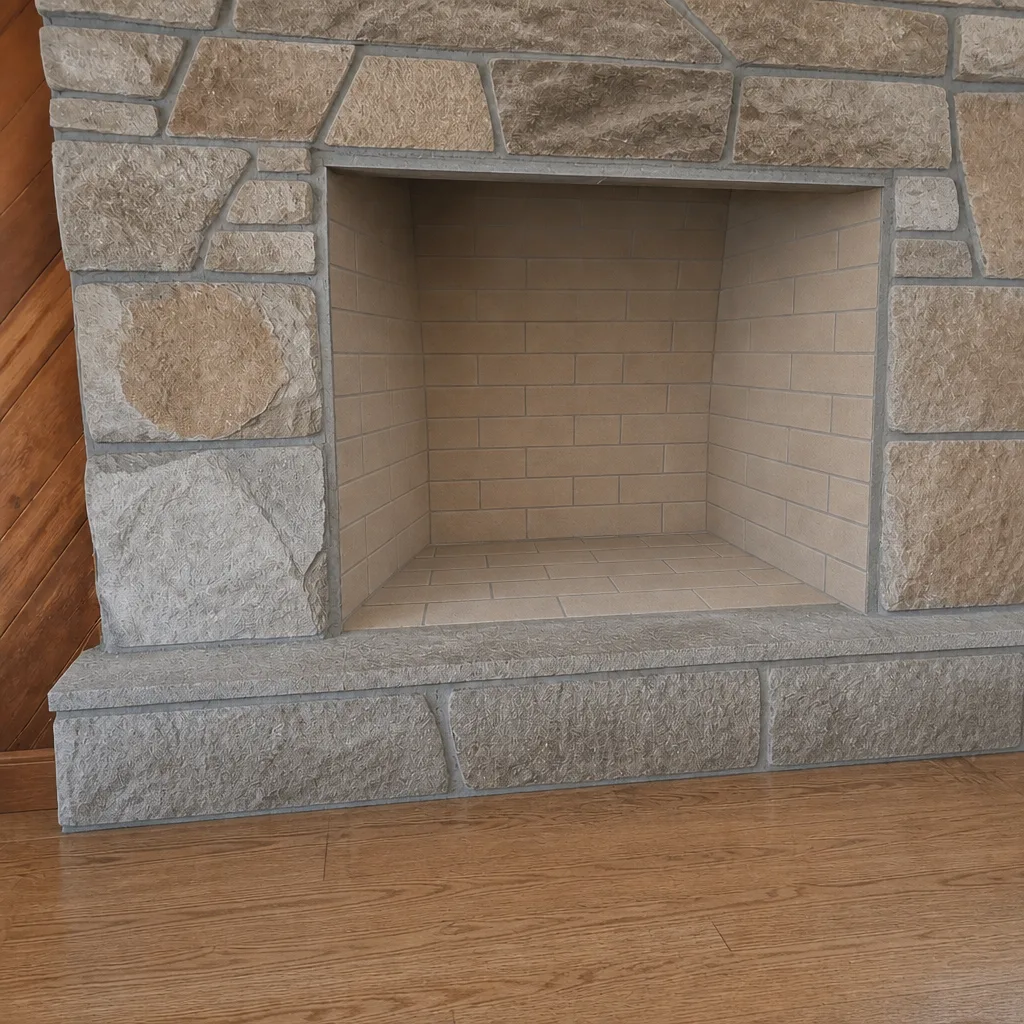 After
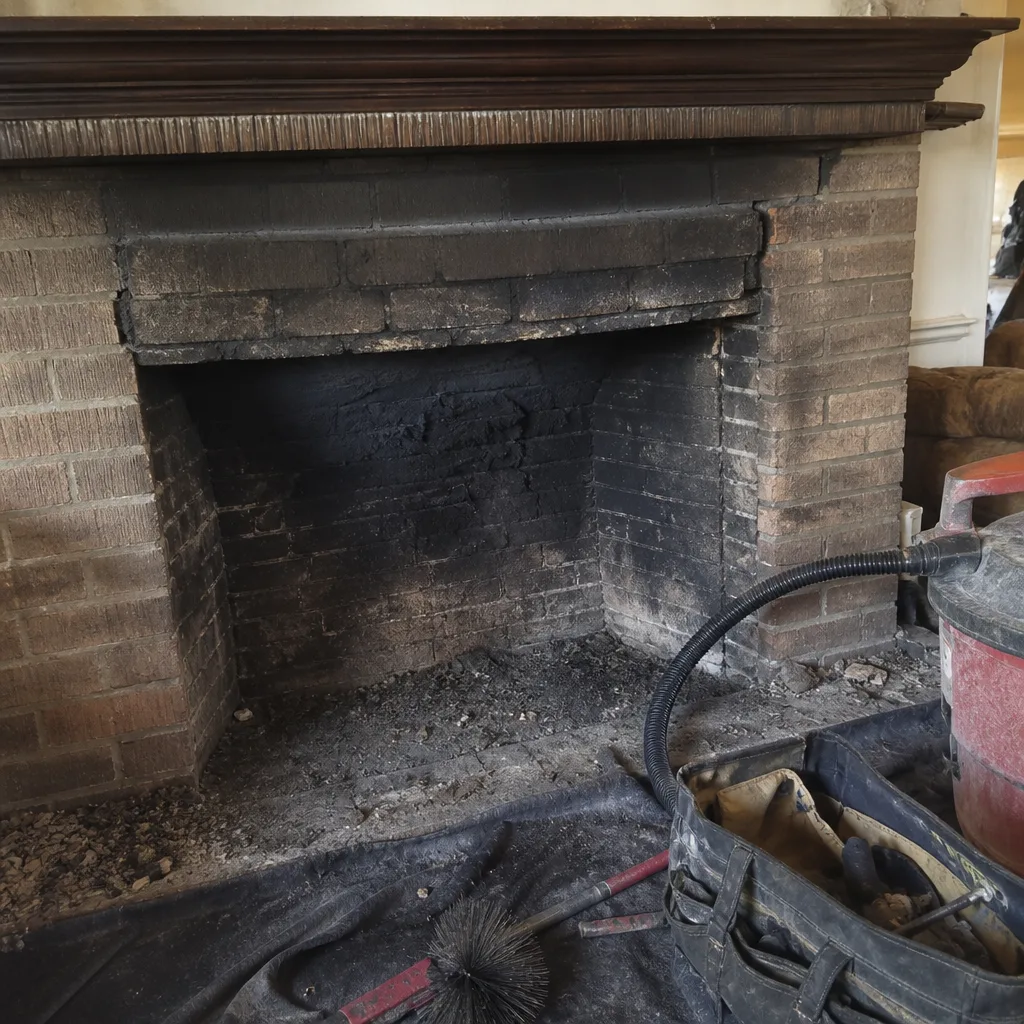 Before
 After
 Before
 After
When to Call a Professional
Some parts of this checklist are homeowner-friendly, and some need trained eyes, tools, and safe access. Call a professional when you see a cracked or moss-covered crown, rusted or lifting flashing, a warped damper, cracked firebrick with soft mortar, or any water staining on the ceiling or attic framing near the chimney. Call before your first fire of the season if the chimney’s history is unknown, and call immediately if you smell smoke in the room when the fireplace is running or if you notice the symptoms of carbon monoxide exposure (headache, dizziness, nausea in the home).
Our technicians have up to experience, and we handle sweep, inspection, and repair as one specialist service, start to finish. Chimney Sweep Hillsboro offers free estimates in Hillsboro. Call (855) 473-8720. We answer 24/7, with fast dispatch from 7am to 7pm, Sunday through Friday.
Frequently Asked Questions
At least once a year for most wood-burning fireplaces, and more often if you burn wood regularly as a heat source. Hillsboro’s wet climate keeps creosote softer and more prone to accumulation, so annual service is a reasonable default, with heavier use pushing the interval shorter. If you’re unsure, an inspection settles the question. Call (855) 473-8720 for an exact quote, and estimates are free.
Small problems compound: a cracked crown lets water into the masonry, a loose cap invites debris and wildlife, and creosote builds up inside the flue. Over time that can mean a flue that needs a full reline instead of a smaller repair. Skipping maintenance doesn’t cause a chimney fire by itself, but it removes the checks that catch the conditions leading to one. Call (855) 473-8720 for an honest assessment, and estimates are free.
Only if the existing liner is structurally compromised: broken out, offset, or missing tiles, or gaps that let smoke and carbon monoxide escape. If the tiles are intact but the surface is damaged, resurfacing may be the right answer instead. We tell homeowners honestly which one they need based on what the camera shows. Call (855) 473-8720 for an exact quote, and estimates are free.
Pricing is set per job by the written estimate after we’ve seen the chimney and its condition. That’s because a simple sweep and a sweep with repairs are very different jobs, and we’d rather quote from evidence than guess. A camera inspection with a photo report is part of the service. Call (855) 473-8720 for an exact quote, and estimates are free.
Yes, and we encourage it. You can inspect the crown, cap, firebox, and damper with binoculars and a flashlight, and photos of what you find help us triage severity before we arrive. What you can’t safely check is the upper flue, the liner beyond the firebox, or anything requiring roof access. Leave those to a specialist. Call (855) 473-8720 if you’d like to talk through what you’ve found.
It’s the climate and the housing stock. Persistent rain through fall and spring drives water intrusion at the crown and flashing, moss grows on horizontal masonry surfaces, and repeated freeze-thaw cycles in the valley damage mortar joints. Homes with older clay tile liners feel this most. None of it is unusual, but it means Hillsboro chimneys need to be checked on the same schedule as the wet weather, not treated like they’re in a dry climate.
The Bottom Line
A chimney maintenance checklist for Hillsboro shouldn’t be a generic template. It should start with the parts that fail here: the crown that lets rain in, the flashing that corrodes through the wet season, the liner that cracks from heat cycling, and the firebox that quietly loses its mortar joints. Check what you can see, photograph it, log it, and bring a specialist in when the photos show something you can’t safely assess. The point of all of this isn’t to sell you repairs; it’s to make sure you know what your chimney actually needs, and get it handled before a small fix turns into a big one. If a decision point is coming up, we’ll help you sort it out.
Chimney Sweep Hillsboro handles sweep, inspect, and repair as one specialist service, using professional-grade materials from DuraFlex, HeatShield, Gelco, Olympia Chimney, Famco, and Copperfield. Call (855) 473-8720 for a free estimate. We answer 24/7. Fast dispatch from 7am to 7pm, Sunday through Friday.
Written by the team at Chimney Sweep Hillsboro.