

 Gas fireplace service
 Sweep & inspection
 Caps & crowns
 Flue relining
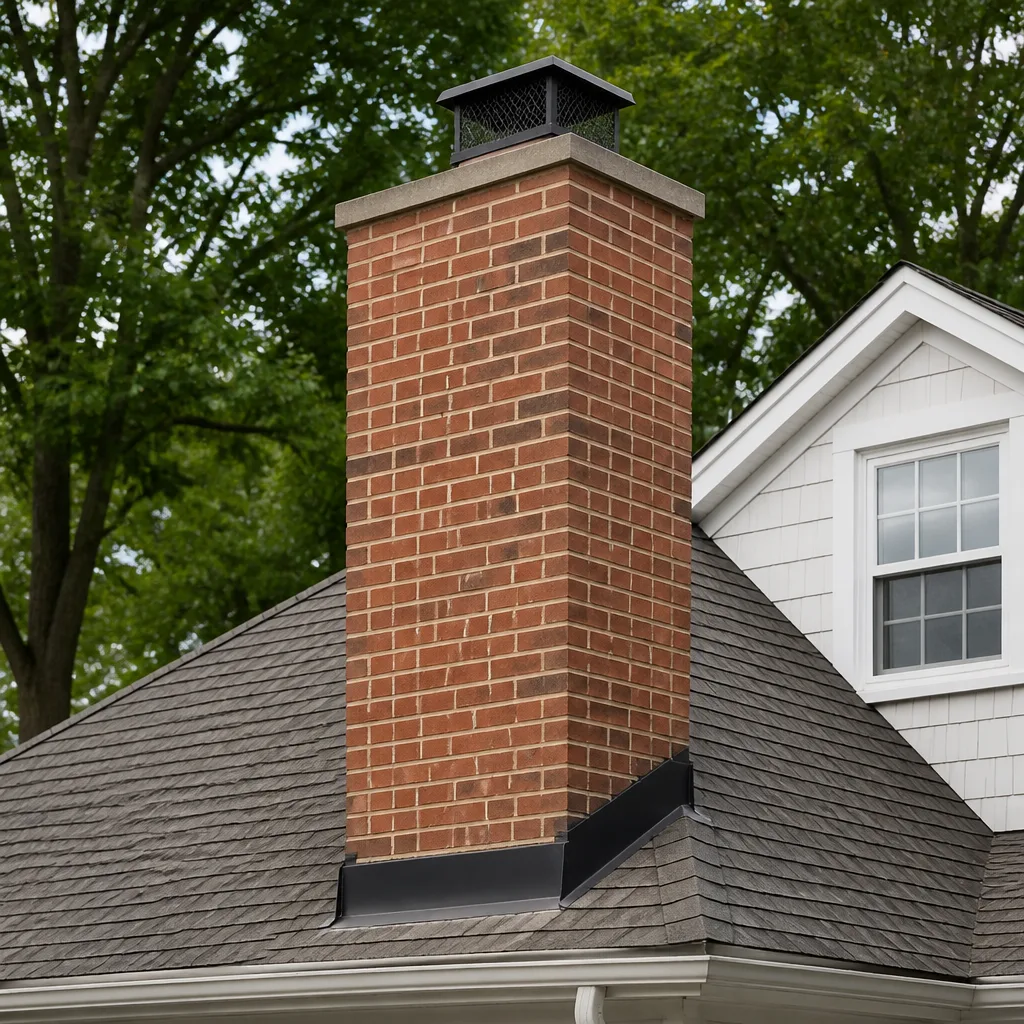 Masonry repair
Level 1 sweep and inspection to the NFPA 211 annual standard - flue, crown, cap, and flashing checked and photographed
Chimney sweep logs do not sweep chimneys. They loosen some creosote - which then falls where a brush and vacuum still have to collect it.
Why Hillsboro Homeowners Choose HeatShield Chimney Cleaning
Chimney Sweep Hillsboro provides independent HeatShield chimney cleaning, firebox repair and crown service in Hillsboro, OR. We’re not affiliated with or authorized by HeatShield; we’re an independent local specialist that works with HeatShield resurfacing materials and the professional supply lines behind them. What makes our HeatShield work different is the diagnosis that comes first: we correct the water source before anyone applies a refractory coating, because a resurfaced firebox over an active leak fails within a few seasons.
Hillsboro’s chimney stock is unusually split. Near the historic downtown core, early-1900s Victorians and Craftsman bungalows still have original masonry chimneys with clay tile liners, some unlined and many showing decades of moisture damage. Out toward South Hillsboro and Reed’s Crossing, the fireplaces are mostly factory-built metal systems and gas inserts with short vent runs. Those two chimneys need different tools, different inspection checklists and different repair materials. A sweep who only knows one kind of flue tends to misread the other. We handle both, and we carry the professional materials rather than what’s on the shelf at the hardware store.
Key Takeaways
- HeatShield is a repair system for fireboxes and crowns, not a cleaning product applied during a sweep.
- Resurfacing only works when the brick substrate below is still sound. We probe before we quote.
- Water intrusion at a cracked crown or a missing cap is the root cause behind most firebox damage in Hillsboro.
- Our technicians have up to experience working with chimney systems.
Why Trust Chimney Sweep Hillsboro for Your HeatShield Chimney Cleaning?
HeatShield materials reward applicators who’ve seen a lot of fireboxes. The refractory mixes have working windows, cure behavior and bonding requirements that don’t tolerate guesswork, and the difference between a resurfacing that lasts and one that lifts in two winters usually comes down to surface prep and moisture control rather than the product itself. Our technicians have up to experience with chimney systems, which means they’ve looked at enough failing fireboxes to recognize the difference between a joint that needs repointing and a brick face that’s already too soft to hold anything.
We source through professional-trade supply lines: HeatShield for resurfacing, crown and smoke chamber work, DuraFlex for liner systems, and Gelco, Famco, Olympia Chimney and Copperfield for caps, covers and components. Those channels exist for a reason. They give us specification-correct materials that fit the system we’re repairing, and they let us match the repair to what the flue actually is instead of forcing a generic product into a gap. When we work on HeatShield equipment, we use quality parts that fit it and we follow the application sequence the material calls for, because a coating applied over wet or unprepared masonry is a warranty problem waiting to happen. We’re an independent shop, not a HeatShield dealer, and we’ll say so plainly. What we can tell you is honest: whether the firebox takes a HeatShield-style resurfacing or needs a full rebuild, and which answer your chimney’s condition actually supports.
Styles & brands we work with
- Sweep & inspection
- Caps & crowns
- Flue relining
- Masonry repair
- Gas fireplace service
Common HeatShield Chimney Cleaning Problems We Fix in Hillsboro
Most of the HeatShield-relevant calls we get in Hillsboro trace back to water. The region’s cool, wet winters keep masonry damp for months, and a cracked crown or an uncapped flue gives that moisture a path straight into the firebox. Here’s what we actually find behind the symptoms.
- Firebox mortar joints washing out. Water entering at the crown or down an uncapped flue runs down the firebox walls and erodes the mortar joints a little more each season. What’s left are soft, recessed joints that no longer hold a fresh mortar repair. Once a joint reaches that stage, repointing alone won’t fix it, and a castable refractory system is what rebuilds the surface.
- Spalling and delaminating brick faces. This is the signal that separates resurfacing from tuckpointing. When brick faces flake and crumble as you scrape them, the brick has lost its outer shell and there’s nothing stable for mortar to bond to. A firebox that crumbles under a probe is the classic case for resurfacing. One that only has surface discoloration isn’t.
- Failed resurfacing where the leak was never fixed. If a HeatShield-style refractory coat was applied over masonry that was still taking on water, the new surface cracks and lifts within a few seasons. The firebox coat gets blamed, but the crown or cap was the actual problem. We check the water source first and correct it before any refractory work begins.
- Cracked or separated smoke chamber corbelling. Above the damper, the corbelled brick that funnels smoke into the flue often develops cracks and separated joints with age. Those gaps let heat and creosote reach the surrounding masonry, and they cause smoke backdraft into the room on windy days. Repair mortar for the smoke chamber is its own job, separate from firebox resurfacing.
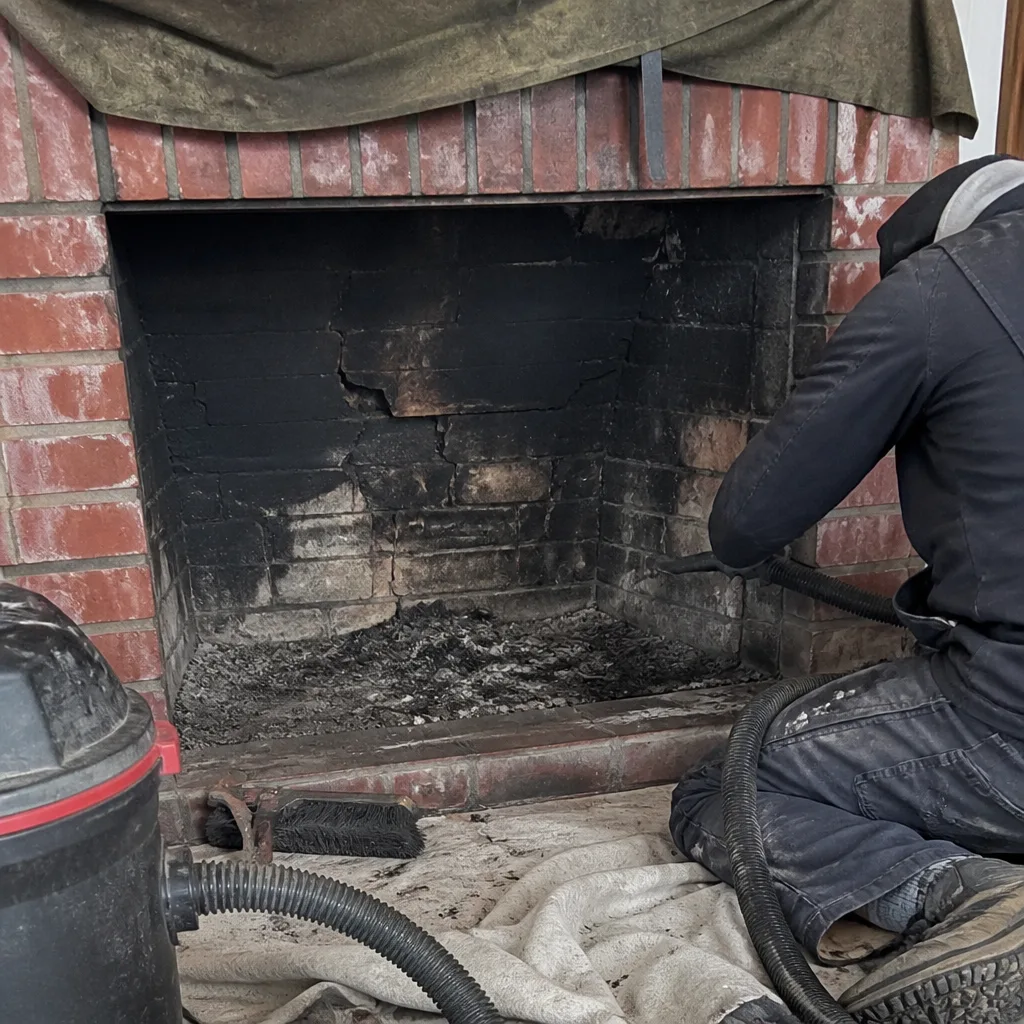
- Firebox damage that only shows up after a sweep. Creosote and soot can hide deteriorated joints and spalled faces for years. A homeowner who hasn’t had the chimney serviced in over a year often learns about a firebox problem only when the deposits come off. That’s exactly why we treat the inspection as its own service rather than a sales step on the way to a repair quote.
Wood choice matters here too. In the older neighborhoods off East Main Street, a lot of homeowners burn locally sourced fir and alder, which builds a stickier creosote faster than the hardwood fires common in other parts of the country. That makes annual sweeping non-negotiable even for occasional burners, and it’s one more reason deposits mask firebox damage longer than you’d expect.
HeatShield Parts & Our Repair-vs-Replace Approach
Firebox resurfacing systems use proprietary refractory materials applied by trained applicators. There’s no meaningful aftermarket substitute, and we won’t pretend otherwise. So the real decision isn’t which product to buy. It’s whether your firebox still has enough sound substrate for the material to bond to.
Our approach is to probe before we quote. We check whether the brick faces hold together under a probe, whether the joints are recessed because of erosion or just worn, and whether moisture is still entering the assembly. When the brick is sound and the leak is corrected, resurfacing is far less expensive than a firebox rebuild. When the substrate is gone through its depth, a rebuild or an insert is the truthful recommendation, and we’ll tell you that even though it’s the larger job. Selling a coating over a firebox that can’t hold it isn’t a repair; it’s a delay with a bill attached.
If you’ve been told your firebox needs work and you have no way to judge the call, ask for the photo report. Everything we recommend should be something you can see for yourself. Call (855) 473-8720 to start with an inspection.
Our HeatShield Service Process – Step by Step
- 1
Diagnosis. We start with a Level 2 inspection, which is what the scope requires whenever a firebox repair is on the table. We camera the flue, look at the crown and cap for the leak path, check the smoke chamber corbelling above the damper, and probe the firebox brick to judge substrate condition. You get photos and a written report.
- 2
Correct the water source. Before any refractory product goes on, the crown gets repaired or coated, the cap gets replaced or fitted, and other entry points get sealed. Skipping this step is the single most common reason a resurfacing job fails early.
- 3
Repair or install. With the substrate prepared and dry, we apply the firebox resurfacing material to rebuild the contour, use tuckpointing mixes where joints are the only problem, and address smoke chamber cracks with the appropriate mortar. We also handle crown repair and chimney waterproofing as part of the same scope so the firebox isn’t left exposed to the same moisture that damaged it.
- 4
Test. We check draft under load, confirm the firebox surface has cured correctly, and make sure smoke moves up the flue rather than out the front of the fireplace.
- 5
Documentation. You get the inspection photos, what was repaired, what material was used and what to watch for. That record matters if you ever sell the house or file a claim.
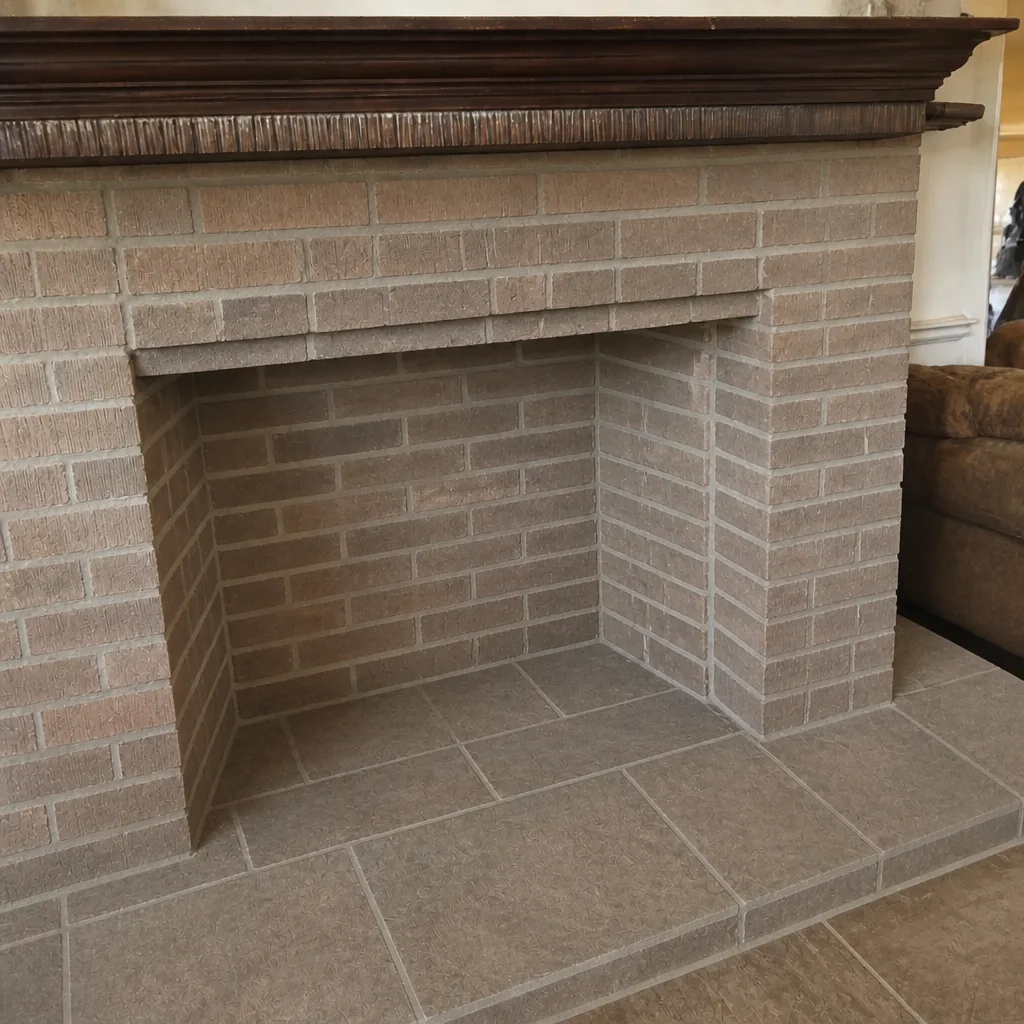
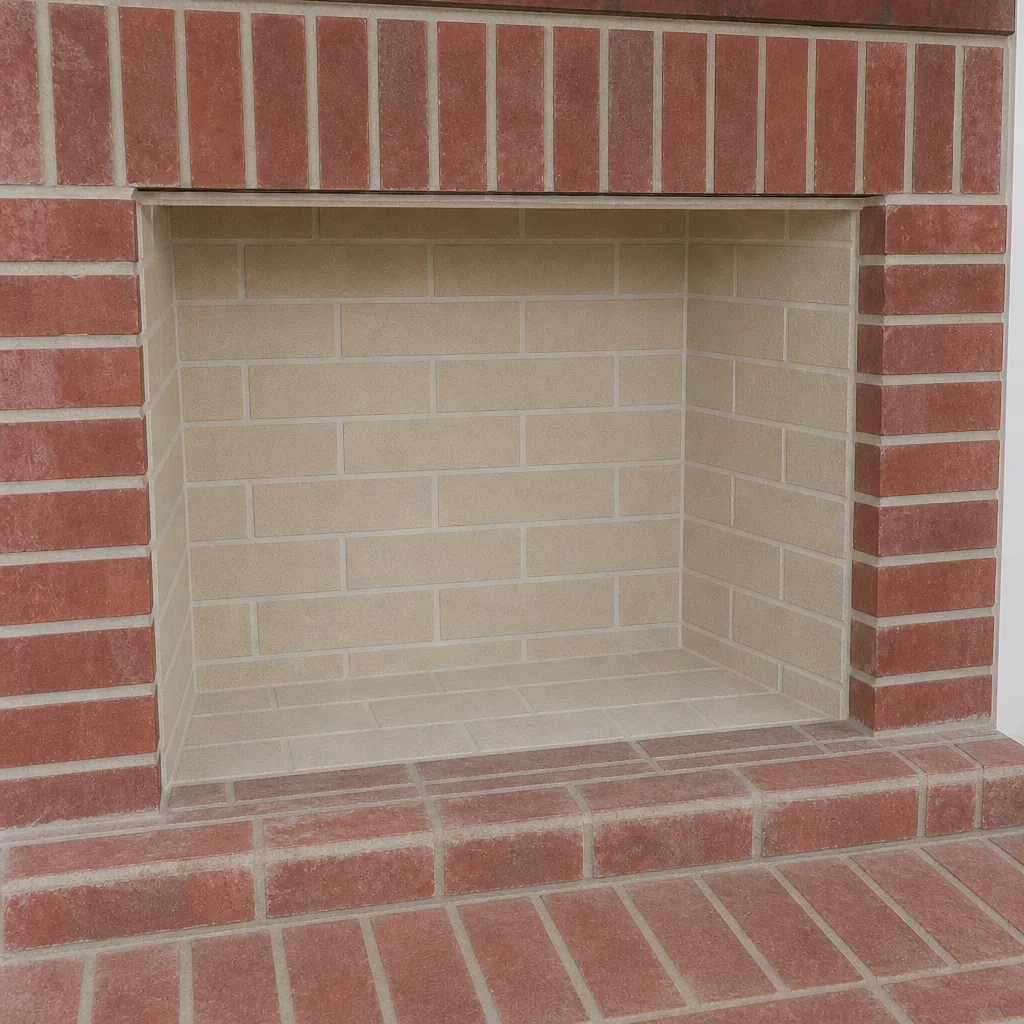
See the difference
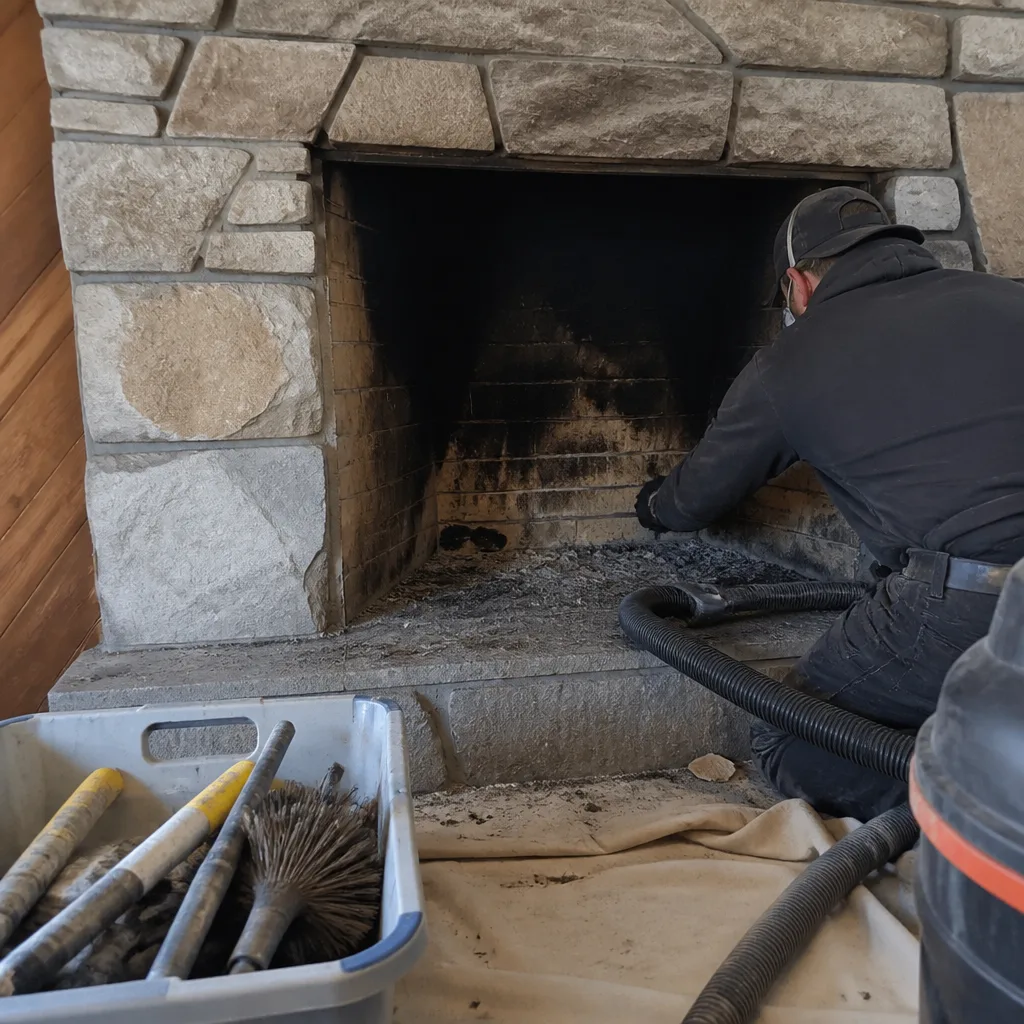 Before
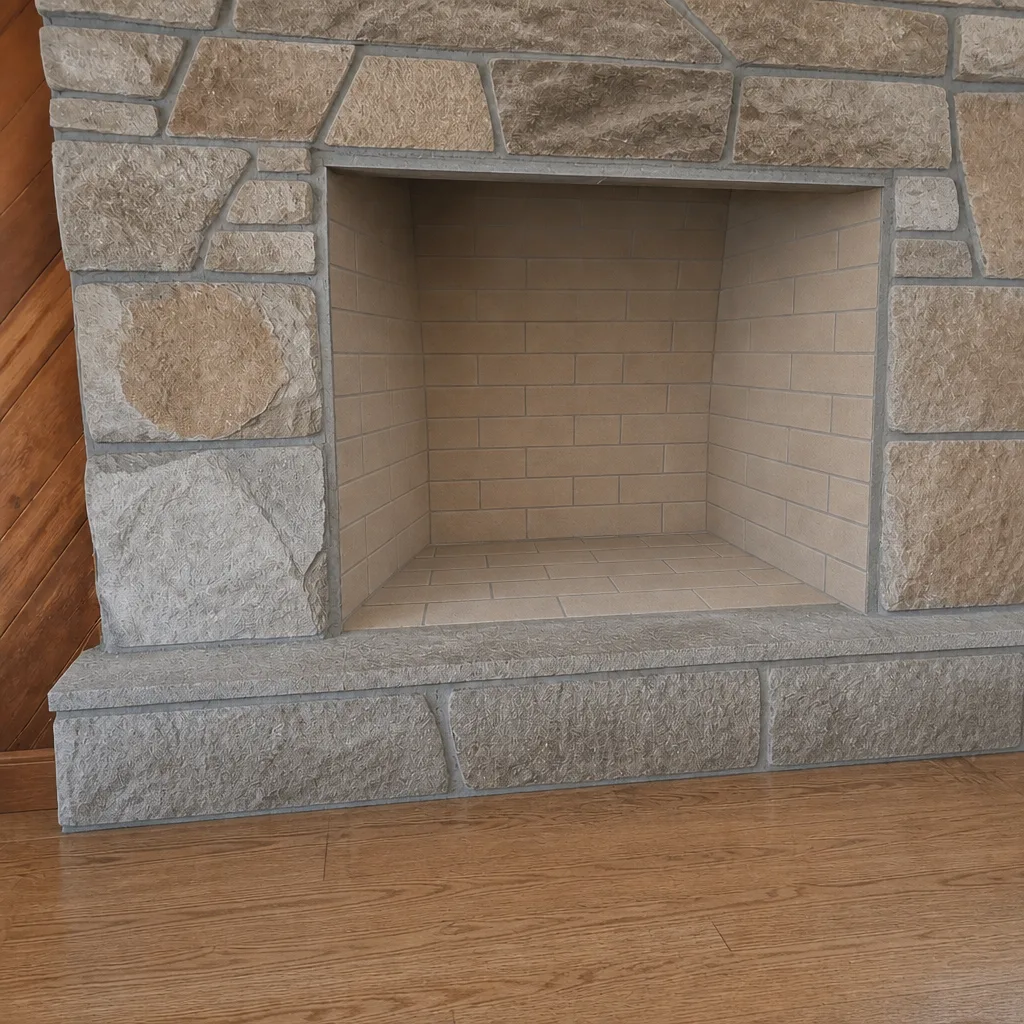 After
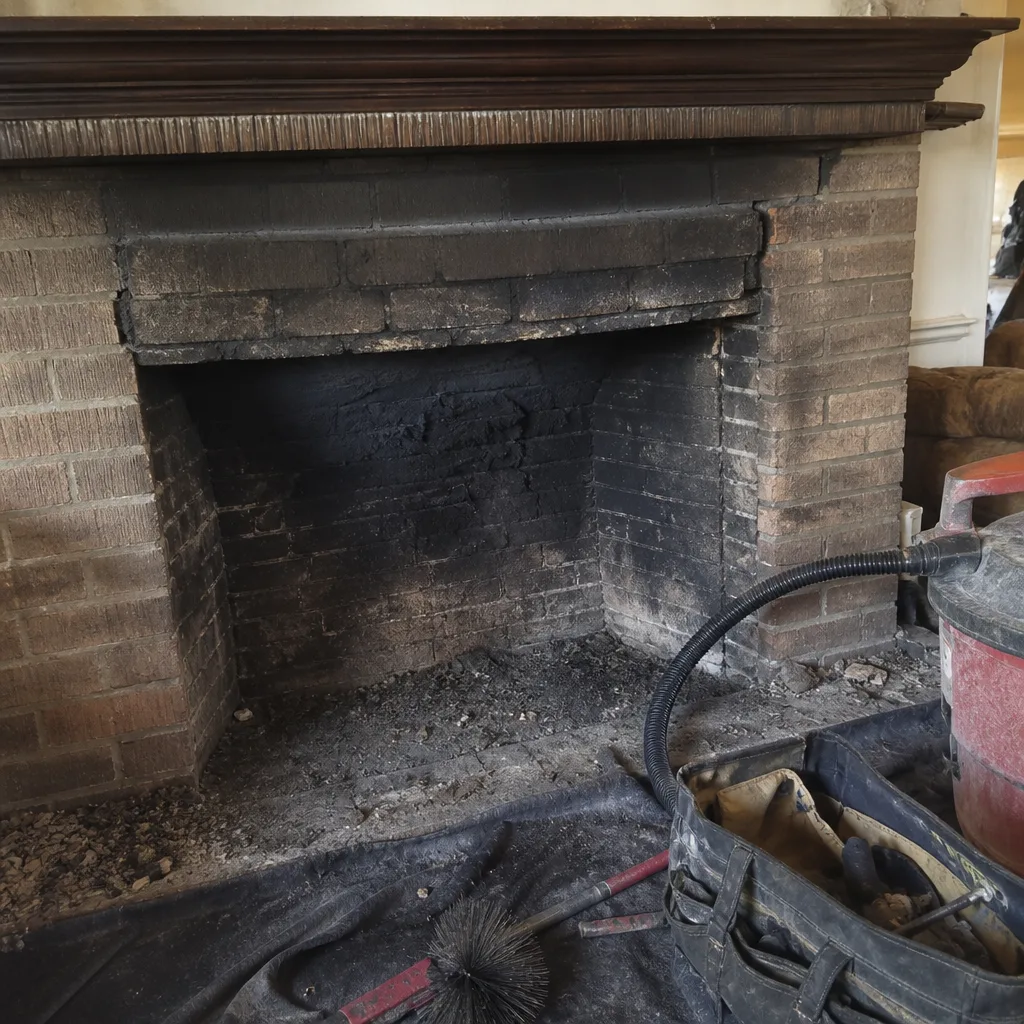 Before
 After
 Before
 After
HeatShield Products We Service & Install in Hillsboro
We work with the HeatShield line across the repairs it’s designed for. That includes the FireGuard firebox resurfacing system, which applies castable refractory mortar over a stainless-steel armature to rebuild a firebox that’s past the point where tuckpointing will hold. We handle CrownSeal for crown repair and coating, which is often the step that has to happen before a firebox job can succeed. We repair and apply the SmokeChamber and smoke dome mortars for corbelling cracks above the damper. And we use the mortar-joint and tuckpointing mixes for firebox walls where the joints, not the brick faces, are the failure.
What we won’t do is claim a firebox needs resurfacing when it doesn’t. Plenty of fireboxes in Hillsboro just need their water source fixed and their joints repointed.
We Also Service These Brands
HeatShield isn’t the only line we know. We install and replace DuraFlex flexible liner systems for both new installs and liner replacements, and we source caps, covers and components through Gelco and other professional chimney supply lines. That range matters because a firebox repair is often the smaller half of the job. If the flue itself is compromised, a resurfaced firebox on top of a bad liner just moves the problem up the chimney. We handle the whole system in-house, so there’s no handoff to a third party mid-repair.
FAQs – HeatShield Chimney Cleaning Service in Hillsboro
HeatShield is a repair system, not a coating like paint. It’s castable refractory mortar applied over a stainless-steel armature to rebuild a firebox surface that’s too far gone for tuckpointing, plus the crown, smoke chamber and mortar-joint materials that go with firebox repair. A coating sits on top of a surface. This rebuilds the surface.
The usual cause is that the underlying water leak was never fixed. A cracked crown, an uncapped flue or failed flashing lets moisture into the assembly, and the refractory coat cracks and lifts within a few seasons because it’s bonded to masonry that keeps moving and staying wet. The fix starts with finding and correcting that leak path before anything new goes on.
Yes, a firebox repair calls for a Level 2 inspection, which means a camera look at the flue plus a close check of the crown, cap, smoke chamber and firebox substrate. We can’t tell you honestly whether resurfacing will hold without seeing what’s behind and above the firebox. The inspection is a standalone service, so you can get that answer before committing to any repair.
No, and this matters across Hillsboro’s newer housing. Factory-built metal fireplaces and gas inserts in areas like South Hillsboro and Reed’s Crossing have a steel firebox and a short vent run, not a masonry firebox, so castable refractory resurfacing doesn’t apply to them. Those systems get cleaning, venting inspection and component service instead. We work on both kinds of chimney, which is why we ask what you have before quoting anything.
The probe decides it. If the brick faces still hold together and the joints are the only failure, tuckpointing is the honest repair. If the faces flake and crumble under a probe but there’s sound brick behind them, resurfacing is the right call. If the brick is soft through its depth, it’s rebuild or insert territory, and no coating changes that. We’ll show you the probe results and the photos so you can judge the recommendation yourself.
HeatShield work is priced per job by a written estimate, and the estimate is free. A standard sweep plus inspection is the smaller part of the cost; firebox resurfacing, crown repair and waterproofing are quoted separately once we know what the inspection found. Nothing gets recommended without camera evidence you can see, and we’ll say plainly when work can safely wait. Call (855) 473-8720 for an exact quote.
Service by an independent provider doesn’t automatically void a HeatShield warranty, but the application and cure steps have to be followed correctly, and repairs made over uncorrected moisture damage are the usual reason a claim gets denied. We follow the application sequence the material requires and document what we did, which is the best protection your coverage has. Ask us for the written record after the job.
An inspection and sweep is typically a single visit. Firebox resurfacing and crown work usually run longer because the substrate has to be prepared, the water source corrected and the material cured properly. Rushing the cure is how resurfacing fails, so we schedule the work around what the material needs rather than a fixed window.
Book Your HeatShield Service in Hillsboro, OR
If your firebox shows crumbling mortar, flaking brick or a damp patch near the damper, the next step is a proper look at what’s behind it. We’ll inspect at Level 2, correct the water source if there is one, and tell you honestly whether your firebox takes resurfacing or needs a rebuild. Call (855) 473-8720 for a free estimate. We answer 24/7. Fast dispatch from 7am to 7pm, Sunday through Friday.
Written by the team at Chimney Sweep Hillsboro.