
Last updated November 16, 2026
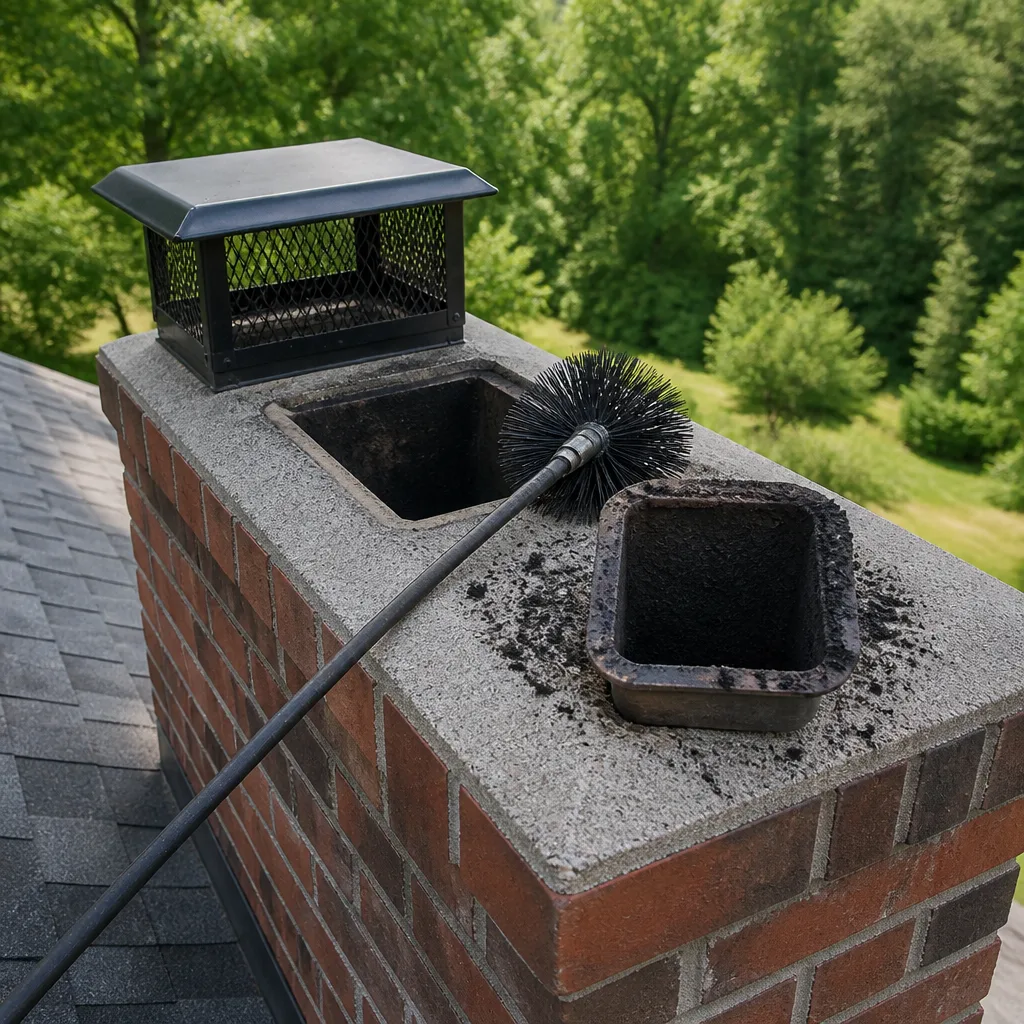 Sweep & inspection
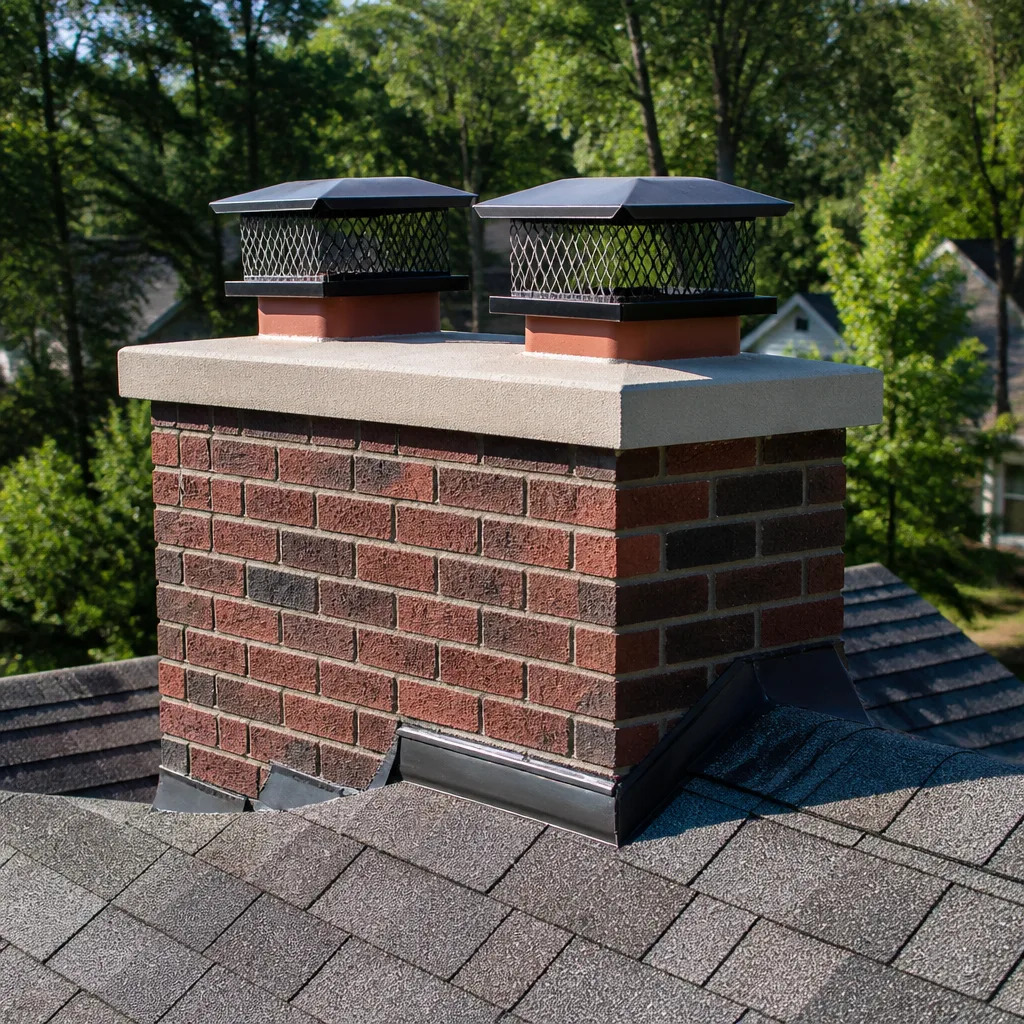 Caps & crowns
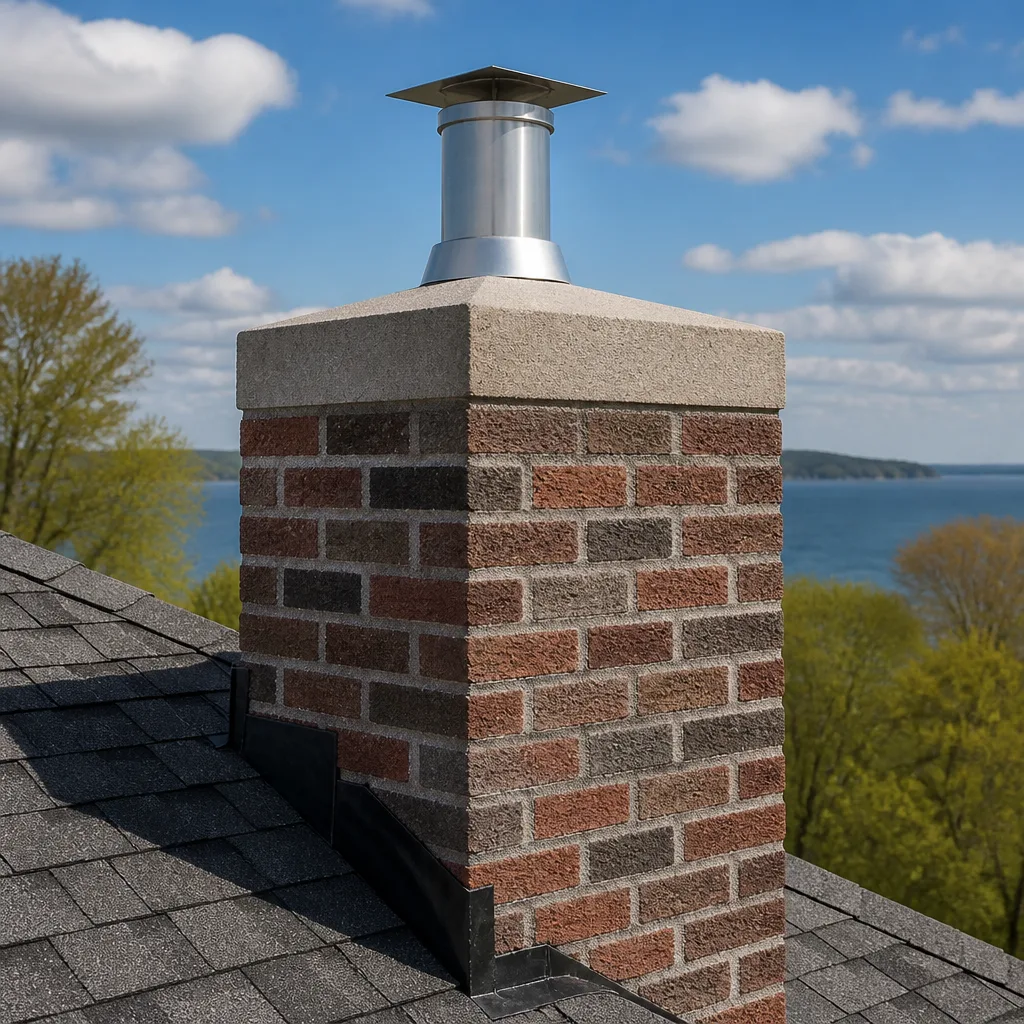 Flue relining
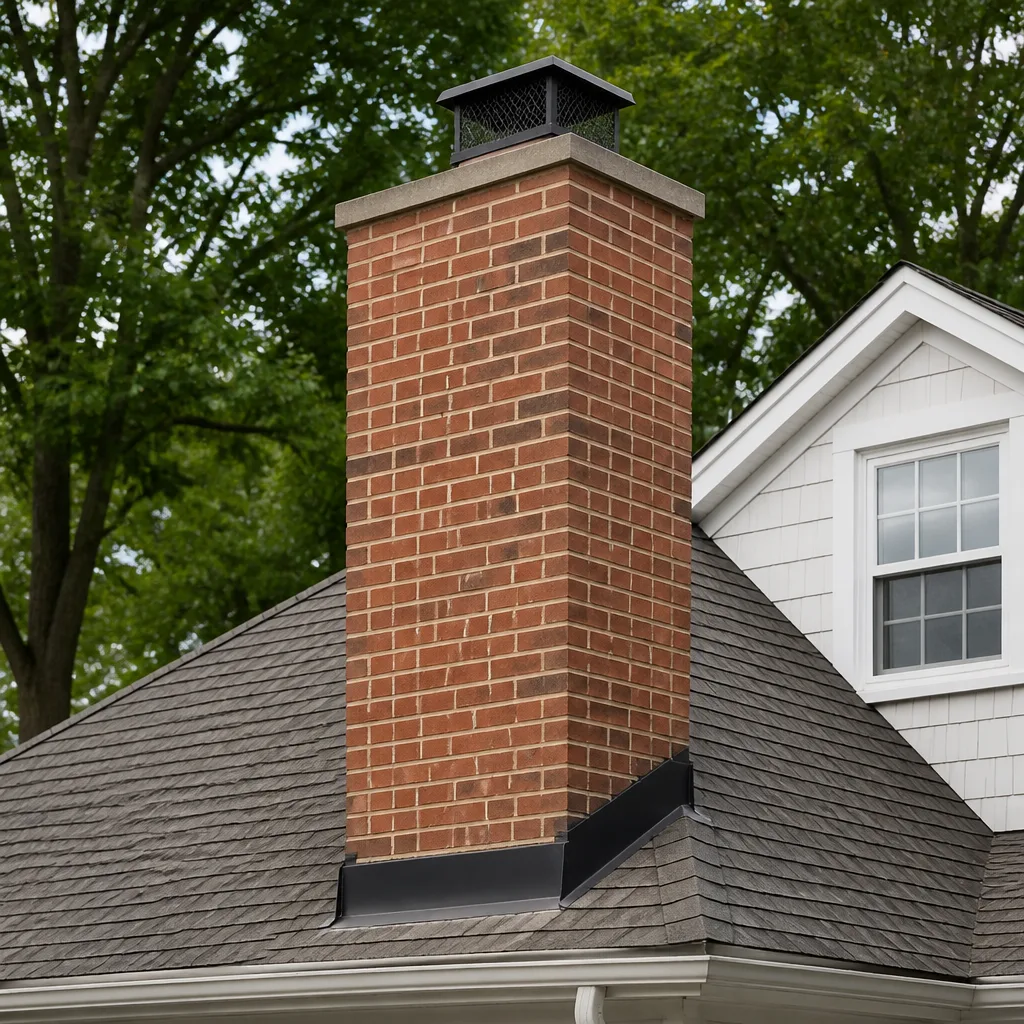 Masonry repair
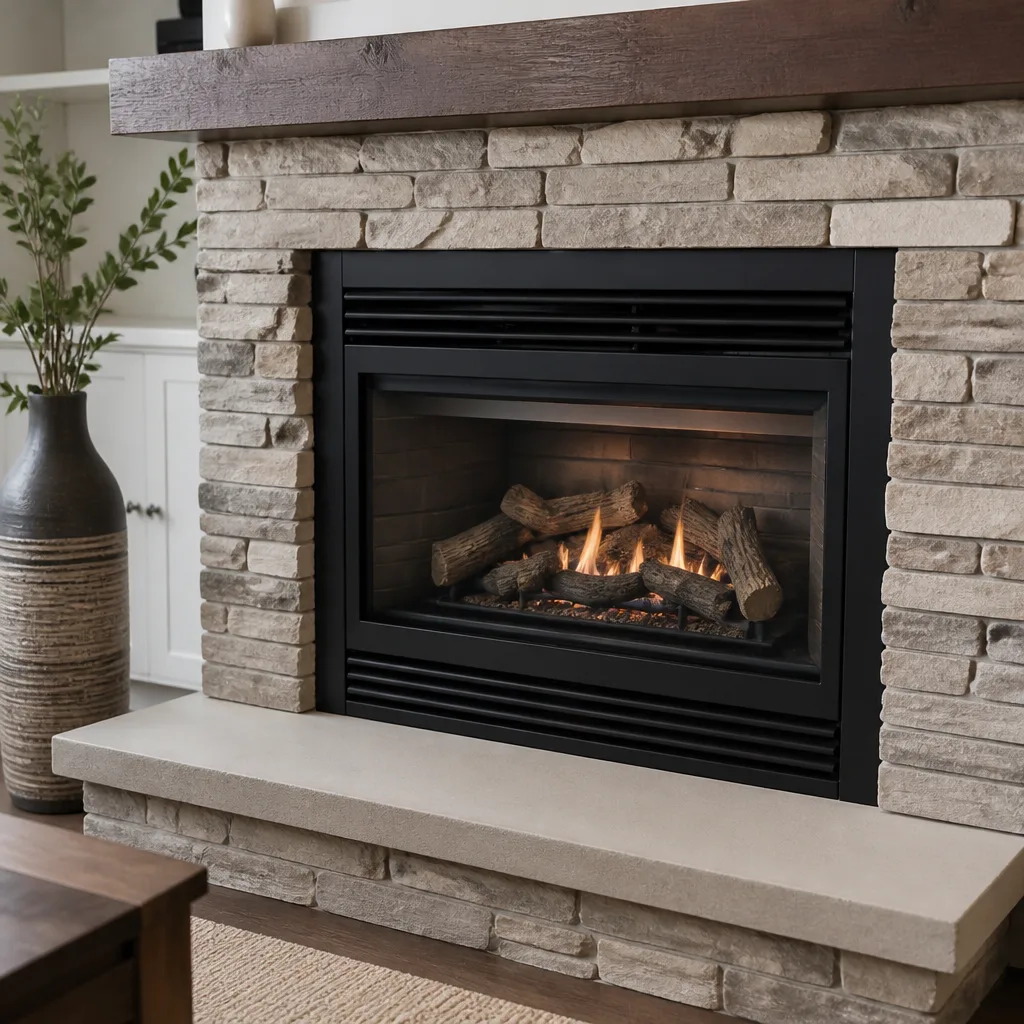 Gas fireplace service
Level 1 sweep and inspection to the NFPA 211 annual standard - flue, crown, cap, and flashing checked and photographed
Chimney sweep logs do not sweep chimneys. They loosen some creosote - which then falls where a brush and vacuum still have to collect it.
Chimney Cleaning Permits, Codes & Inspections in Hillsboro, OR: What You Need to Know
Most chimney cleaning in Hillsboro doesn’t require a permit. The repair work that so often follows an inspection might. That gap between “sweep it and move on” and “pull a permit before you touch that flue” is where homeowners get into trouble, because a Washington County insurance adjuster reviewing a fire claim will ask for documentation, and an unpermitted liner replacement is exactly the kind of paperwork gap that turns a covered loss into a denied one. In this guide we walk through which chimney work the City of Hillsboro and Washington County actually require permits for, which Oregon code sections govern chimney and fireplace systems, how NFPA 211 fits in even when it isn’t codified locally, and how to verify a contractor pulled the right permit before they start.
Quick Answer
Routine chimney sweeping and Level 1 inspections in Hillsboro, Oregon generally do not require a permit. Liner replacement, wood or gas insert installation, and structural masonry repairs usually do, because they fall under the Oregon Residential Specialty Code (adopted under ORS 455) and are reviewed by Washington County. NFPA 211 is the technical standard inspectors and sweeps reference for clearance, inspection levels, and flue condition, even where local code doesn’t name it directly. If someone replaces your liner without a permit, you may have no recourse if your insurer questions a later fire claim.
Styles & brands we work with
- Sweep & inspection
- Caps & crowns
- Flue relining
- Masonry repair
- Gas fireplace service
Table of Contents
- Does chimney cleaning need a permit in Hillsboro?
- Which chimney repairs require a permit in Washington County?
- The Oregon code sections that govern your chimney
- How NFPA 211 works when it isn’t codified locally
- What a Level 2 inspection is legally required for
- How to verify a contractor pulled the right permit
- What happens to your insurance if the permit was skipped
- Common mistakes to avoid
Does chimney cleaning need a permit in Hillsboro?
No. A standard chimney sweep in Hillsboro does not require a building permit. The sweep removes creosote, soot, and obstruction from the flue, and the work is maintenance rather than construction. Nobody from the city inspects a swept flue, and no permit record is created.
The same generally holds for a Level 1 inspection, which is the annual visual check of the accessible portions of the chimney, firebox, and flue. A Level 1 inspection is a condition report, not a modification. No permit is issued for looking at something.
Where homeowners get confused is the moment a sweep finds a problem. That’s the point where the work shifts from maintenance into repair, and repair work in Hillsboro and the surrounding Washington County communities often does require a permit. Two very different activities get lumped together under the phrase “chimney work,” and only one of them involves the building department.
Here’s a simple way to think about the line:
- Maintenance (no permit): sweeping, Level 1 inspection, cap replacement, minor firebox cleanup.
- Repair (permit likely): liner replacement, insert installation, flue relining, masonry rebuild, crown reconstruction.
- Modification (permit required): changing the fuel type, adding a new appliance, altering the chimney’s structure or height.
We carry the professional materials – not what’s on the shelf at the hardware store – and that includes components from Copperfield and Famco for caps and terminations, which sometimes means the only thing a chimney actually needed was a correctly fitted cap. But if the flue itself needs work, that’s a permit conversation, and sweeping the flue first doesn’t change that. You can read more about what routine service looks like on our chimney sweep page.
Which chimney repairs require a permit in Washington County?
In Washington County, most structural or system-level chimney repair work is treated as construction and falls under the permit process for the City of Hillsboro and the surrounding jurisdictions. The short list of work that typically requires a permit includes:
- Liner replacement. Replacing a damaged clay tile liner with a stainless flexible liner, or relining a flue that has lost its integrity, is a system change. It changes the flue’s listing and its clearances, and it needs a permit.
- Insert installation. Installing a wood-burning or gas insert into an existing fireplace usually requires a permit because the installation must be checked against the appliance’s listed clearances and venting requirements.
- Structural masonry repair. Rebuilding a chimney stack, replacing a crown, repointing that goes beyond cosmetic, or repairing a firebox with refractory material all touch the structural envelope of the chimney.
- Chimney height or termination changes. Raising a chimney to meet clearance requirements, or moving a termination point, changes how the system drafts and how it relates to the roof.
- Fuel type changes. Converting a wood-burning fireplace to gas, or the reverse, is a modification that needs review.
What usually does not require a permit: a routine sweep, a Level 1 inspection, a cap replacement where the existing flue and termination stay put, and a damper adjustment. Those are maintenance items.
One nuance matters here. Some chimney repairs can be done without a full reline. HeatShield resurfacing, for example, restores damaged but structurally sound flue tiles by applying a resurfacing compound to the interior. In some cases it’s a legitimate alternative to a full reline. Whether it’s permitted as repair or as a system change depends on the jurisdiction, which is exactly why we pull the permit we’re required to pull rather than guessing. HeatShield resurfacing can save you the cost of a full reline – we’ll tell you honestly which one you actually need.
The Oregon code sections that govern your chimney
Oregon adopts its building codes at the state level through ORS Chapter 455, and local jurisdictions like Hillsboro administer them. The residential rules sit in the Oregon Residential Specialty Code (ORSC), and Chapter 10 of the ORSC is where you’ll find the provisions that govern fireplaces, chimneys, vents, and their clearances.
You don’t need to memorize the code. What matters is understanding what it’s doing and why a permit exists in the first place. The ORSC and the sections following it set three things:
- Clearances. The distance between a chimney and combustible materials – framing, roof decking, insulation – is specified because a chimney gets hot and a house is made of things that burn. Clearances are not suggestions; they are the difference between a system that vents safely and one that heats the surrounding structure.
- Termination and height requirements. How high a chimney must extend above the roof, and how far from roof features it must terminate, affects draft and sparks. A chimney that’s too short can fail to draft properly; one too close to a ridge or a dormer can cause draft problems or safety issues.
- Listing and testing. Appliances, liners, and venting components must be installed per their manufacturer’s listing. The manufacturer’s instructions and the code reinforce each other. Neither is optional.
ORS 455 gives the state the authority to adopt these codes and gives local building departments the authority to issue and inspect permits under them. That’s the machinery behind the permit. When a contractor pulls a chimney permit in Hillsboro, the plan reviewer and the inspector are checking the proposed work against ORSC Chapter 10 and the listing of the components being installed.
Our approach is straightforward: sweep, inspect, repair – handled by the same specialist, start to finish, and the specialist knows what ORSC Chapter 10 requires. Our technicians have up to experience working inside these systems.
How NFPA 211 works when it isn’t codified locally
NFPA 211 is the Standard for Chimneys, Fireplaces, Vents, and Solid Fuel-Burning Appliances. It’s a national consensus standard, not a local ordinance, and the City of Hillsboro doesn’t hand you a copy with your permit. That doesn’t mean it doesn’t apply to you.
Here’s how NFPA 211 actually functions in practice. Oregon’s adopted codes and the manufacturer’s listings for the components going into your chimney reference standards like it. When a DuraFlex liner is installed in a flue, the installation instructions reference the standard for clearance, sizing, and connection. The code and the manufacturer tell you how to install it correctly; NFPA 211 defines what correct means in the trade.
More practically, NFPA 211 is the standard your chimney sweep and inspector reference when they write their report. It defines:
- The three levels of inspection and when each is appropriate.
- Acceptable flue condition and what counts as a defect worth flagging.
- Clearances to combustibles, both interior and exterior.
- Requirements for connecting appliances to flues.
- What to do when a flue is damaged but the chimney is otherwise sound.
So when a sweep tells you your flue has a 2-inch clearance issue, that assessment is grounded in NFPA 211 even if the words “NFPA 211” never appear on the report. That’s normal. The standard is the shared vocabulary of the trade, and it’s what insurance adjusters and building inspectors assume a competent chimney professional was working from.
This is also why a genuine inspection matters more than a sales pitch. A chimney inspection isn’t an upsell. It’s how we determine what your flue actually needs.
What a Level 2 inspection is legally required for
A Level 2 inspection is a more thorough look than the annual sweep-and-check. It includes everything a Level 1 covers, plus examination of accessible attic, crawlspace, and roof-level portions of the chimney, and – where warranted – a camera inspection of the flue interior. Under NFPA 211, a Level 2 inspection is required in specific circumstances, and those circumstances are where the legal stakes get real.
The three situations where a Level 2 inspection is required:
- Real estate transactions. When a property changes hands, the new owner is buying a chimney with unknown history. A Level 2 inspection is the standard for establishing condition before closing, and it’s often a condition of a mortgage or an insurance policy. If you’re buying a Hillsboro home, this is not optional.
- After a chimney fire. Even a small chimney fire can crack tiles, warp a liner, or damage connections that aren’t visible from the firebox. NFPA 211 requires a Level 2 inspection after any chimney fire before the chimney is put back into service.
- After a building modification. A new roof, a remodeled fireplace surround, a changed appliance, a new liner – anything that changes how the chimney relates to the structure triggers a Level 2. The change may have altered clearances or the venting path, and the inspection confirms the system still functions as a system.
There’s a fourth situation that’s not a legal requirement but is common sense: any time the chimney’s history is unknown. A home you just purchased, an appliance you haven’t used in years, a flue that hasn’t been swept in a decade – those all warrant a Level 2 even if nothing triggers a legal obligation.
A camera inspection with a photo report is a core part of what we do on a Level 2. You see what we see, which matters because the honest answer to “do I need a new liner?” depends entirely on what the camera finds.
How to verify a contractor pulled the right permit
The permit process in Hillsboro is public. You can check it. Here’s the sequence, in order:
- Ask before work begins. Before any repair work starts, ask the contractor: “Are you pulling a permit for this?” Get a yes or no, and then verify it. “We’ll handle it” is not an answer.
- Confirm the permit number. A legitimate permit has a number. Ask for it in writing – email or text is fine. If the contractor can’t produce a permit number before work starts, that’s the answer.
- Check the permit with the jurisdiction. Washington County and the City of Hillsboro both make permit records available to the public. You can call the building department with the permit number and confirm the scope of work on the permit matches the work being done.
- Confirm the inspector signs off. A permit isn’t finished until it’s inspected and closed. Ask who is doing the inspection and when. If the contractor says an inspection isn’t needed, ask why not.
- Keep the paperwork. Store the permit number, the inspection result, and the invoice together. If you ever file an insurance claim, that file is what you hand your adjuster.
What recourse you have if the contractor didn’t pull the permit depends on the contractor and the state. Oregon’s Construction Contractors Board handles complaints against licensed contractors, and an unpermitted structural repair is a legitimate complaint. But the resolution can require re-doing the work with an inspection, and that gets expensive fast. The best recourse is prevention: verify before the work begins.
One more point. On repair jobs, our approach is to give you the honest assessment even if it’s not the answer you expected. The work has to match what the inspection found. Our chimney repair service starts with the camera and the permit conversation, not with a hard sell.
What happens to your insurance if the permit was skipped
Homeowner’s insurance policies generally cover fire losses. But they also include conditions and exclusions, and one of the most common conditions is that the homeowner maintains the property in a code-compliant condition and discloses known hazards. An unpermitted chimney repair can become a problem in two ways.
First, if an insurer investigates a fire and finds the chimney was relined without a permit, they may argue the work didn’t meet code and the loss was the result of an excluded condition – non-compliant construction. Second, many policies explicitly exclude damage from construction that wasn’t properly permitted or inspected. The specific language varies by carrier and by policy, but the general shape is consistent across the industry.
What this means in practice is simple. If you have a chimney repair done in Hillsboro, and six months later the work is part of a fire claim, your insurer’s first move will be to ask for the permit and the inspection record. If they don’t exist, that’s the bad ending.
The permit isn’t a bureaucratic nuisance. It’s the paper trail that connects the work on your chimney to a code inspection that confirms it was done correctly. That paper trail protects you, not the contractor.
Hillsboro-specific notes on inspection levels and timing
Hillsboro sits in the Tualatin Valley, where the burning season runs roughly from fall through spring and the climate puts a lot of cool, wet days on a chimney that mostly stays cold. That pattern matters for two reasons. First, wood that hasn’t been properly seasoned or stored releases more creosote than dry wood, and creosote is what chimney fires burn. Second, a chimney that sees intermittent use with long gaps tends to collect more glaze than one that burns consistently all winter.
In those conditions, the annual sweep and Level 1 inspection are the baseline, and any doubt about flue condition should push you to a Level 2 with camera inspection. Neighborhoods across Hillsboro – the older housing stock near downtown, the subdivisions toward the west side, the newer construction along the Highway 26 corridor – have different chimney profiles. Older homes tend to have masonry chimneys that have had multiple renovations over the decades. Newer homes tend to have factory-built systems with liners that need inspection for specific failure points. Our team at Hillsboro handles both categories, and the inspection scope changes based on what kind of chimney we’re looking at.
A common question we hear during a sweep: “Do I really need a permit for this?” The honest answer is sometimes no. A new cap, a damper adjustment, a sweep – none of that needs a permit. A liner replacement or an insert install does. Knowing which side of the line your work falls on is one of the reasons we do the inspection first and the permit conversation second. If you’re ready to start there, call (855) 473-8720. We answer 24/7. Fast dispatch from 7am to 7pm, Sunday through Friday.
Common Mistakes to Avoid
- Assuming the sweep is also pulling the permit. A sweep isn’t a permit. If the technician sweeping your chimney also quotes a liner replacement, ask directly: “Will this work require a permit, and are you pulling it?” Get the answer in writing.
- Trusting a verbal “we’ll handle it.” The permit process leaves a paper trail. Any contractor who can’t show you a permit number before the repair begins hasn’t pulled one, regardless of what they claim.
- Skipping the Level 2 after buying a home. In Hillsboro, houses turn over, and the chimney’s history is whatever the last owner knew or didn’t. A Level 2 inspection before you close is the cheapest way to know what you’re buying.
- Not keeping the permit and inspection record. If a fire claim ever comes up, your adjuster wants the paper trail. Store the permit number, inspection sign-off, and invoice together in your home file.
- Treating HeatShield or a partial repair as if it doesn’t need review. HeatShield resurfacing is a legitimate option for structurally sound flues, but it still changes the flue system, and the permit question depends on your jurisdiction. Skipping that conversation is how a repair ends up undocumented.
- Assuming NFPA 211 doesn’t apply because it isn’t local law. It applies through the codes and the manufacturer’s listings, and an inspector or adjuster will assume the work was done to that standard. If it wasn’t, the paperwork will show it.
- Waiting until after the work to ask about permits. Once the liner is in, verifying the permit after the fact is far harder than verifying before the work starts. Ask first.
See the difference
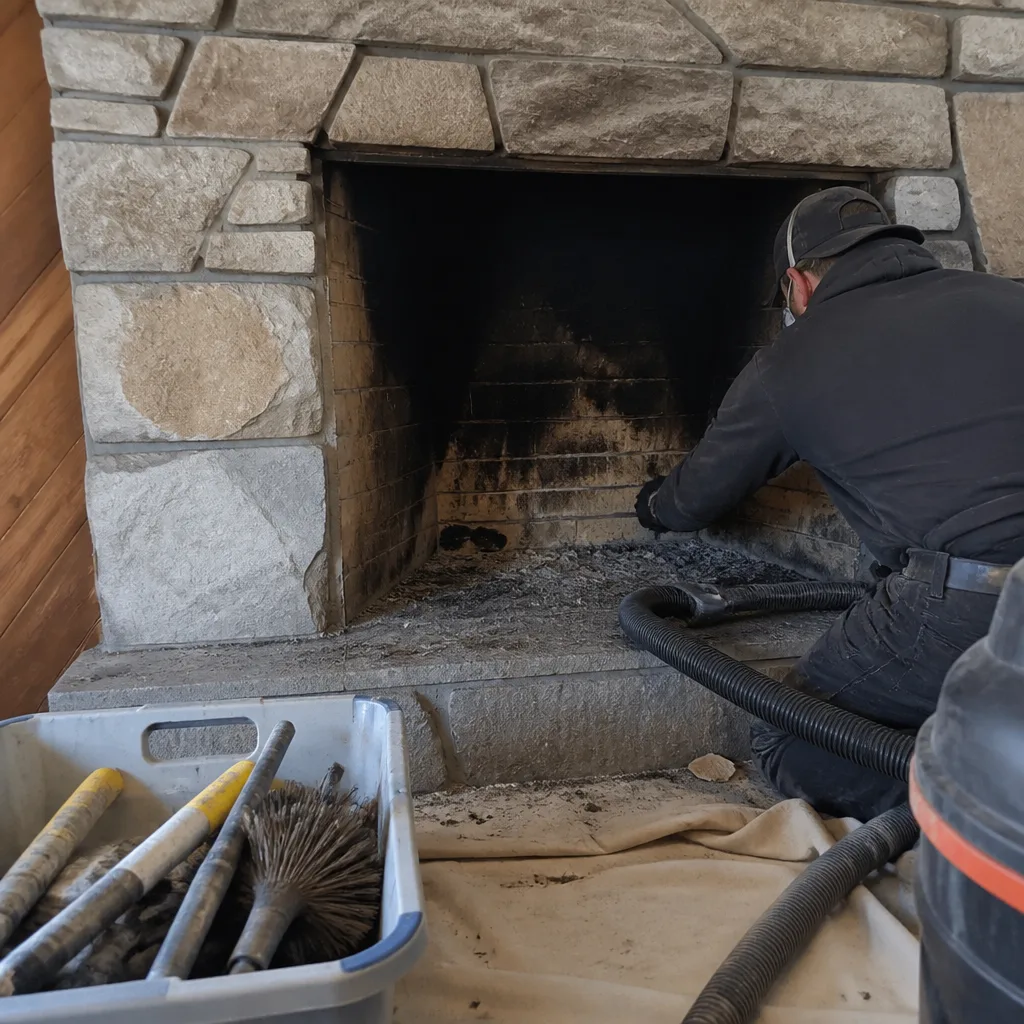 Before
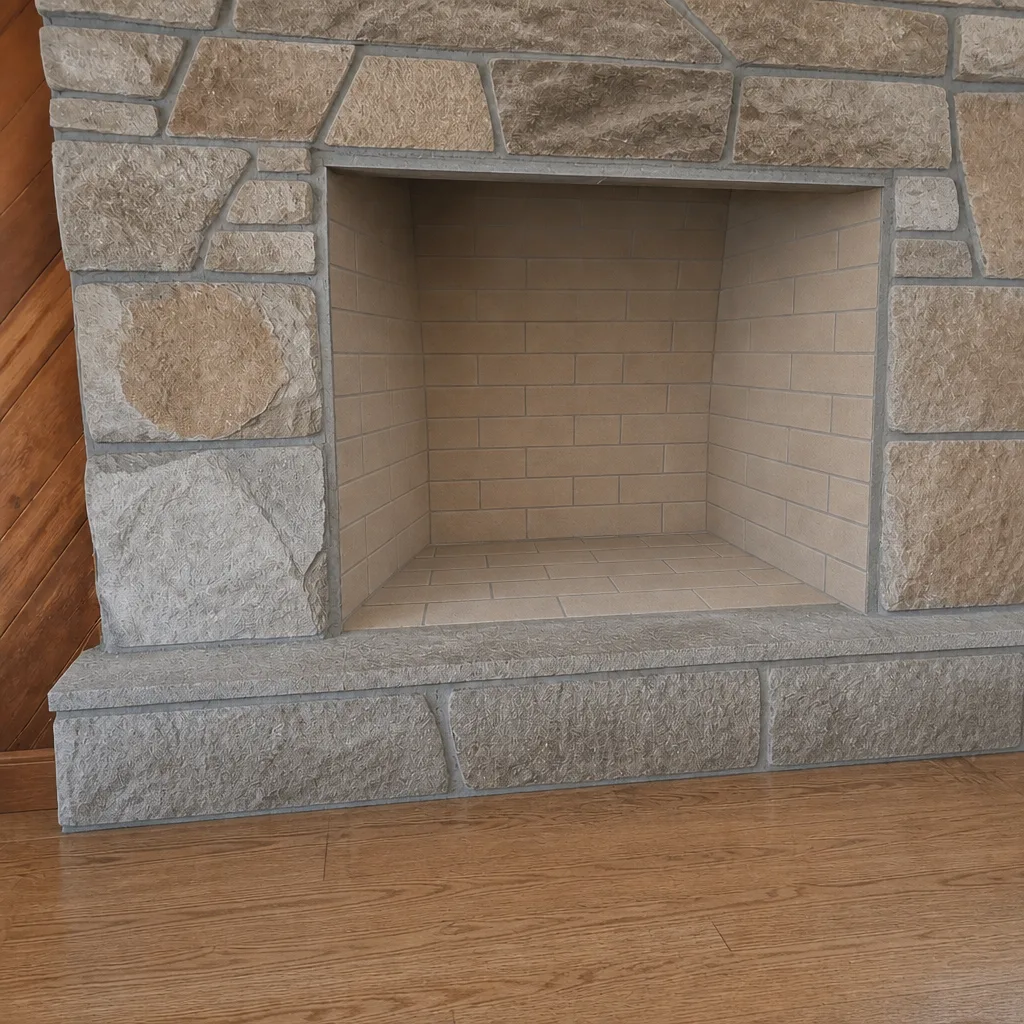 After
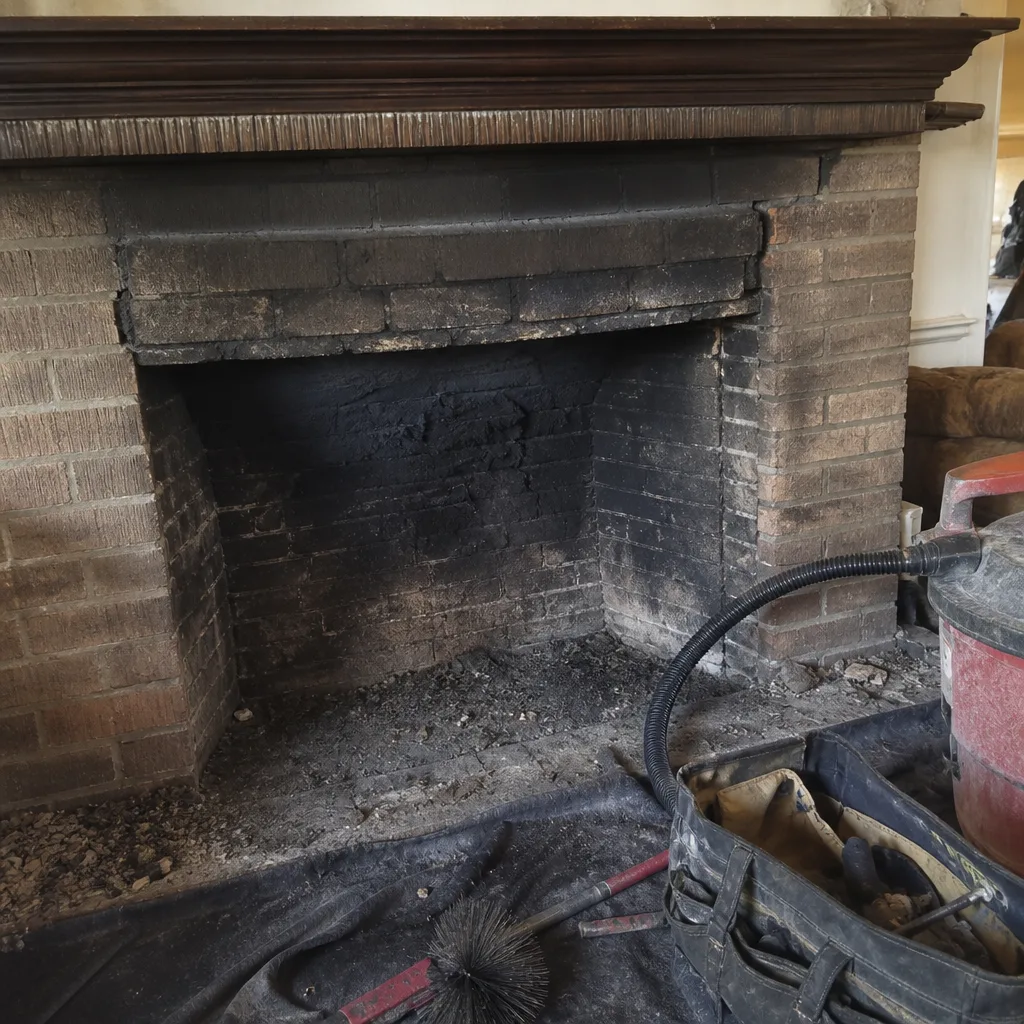 Before
 After
 Before
 After
When to Call a Professional
Some chimney work is genuinely routine. A sweep, a cap, a Level 1 inspection – those are normal maintenance, and you can schedule them on a regular schedule. But there are specific situations where you need a specialist, not a generalist, and where the permit question has to be part of the conversation. If you’ve just bought a home with a chimney of unknown history, call. If your chimney has had a fire – even a small one you think went out – call. If you’re noticing smoke backdraft, odor, or visible damage to the firebox or flue, call. If a contractor has quoted you a liner replacement or an insert and hasn’t mentioned a permit, call. Chimney Sweep Hillsboro offers free estimates in Hillsboro – call (855) 473-8720. All three services, sweep and inspection and repair, are handled in-house, so the same specialist who inspects your flue also knows what the repair has to match and what the permit covers.
Frequently Asked Questions
No. A routine chimney sweep in Hillsboro does not require a building permit, and neither does a Level 1 inspection. The permit question arises when the work shifts from maintenance into repair – liner replacement, insert installation, or structural masonry work. If you’re unsure which category your work falls into, call (855) 473-8720 for an exact quote – estimates are free.
Liner replacement, insert installation, structural masonry repair, chimney height changes, and fuel type changes typically require a permit in Washington County because they fall under ORSC Chapter 10 and involve a change to the system. Sweeping, a Level 1 inspection, and a cap replacement generally do not. When we quote a repair, we tell you whether a permit is part of the scope, and we pull the permit we’re required to pull.
NFPA 211 is the national standard for chimneys, fireplaces, vents, and solid fuel appliances, and it’s the standard inspectors and sweeps reference even when local code doesn’t name it directly. It defines inspection levels, clearances, acceptable flue condition, and installation requirements. Oregon’s adopted codes and manufacturer listings point back to it, so the standard applies to your chimney whether or not anyone hands you a copy.
A Level 2 inspection is required after a chimney fire, during a real estate transaction, and after any building modification that affects the chimney system. The standard comes from NFPA 211, and it’s also the practical answer when a chimney’s history is unknown. Call (855) 473-8720 for an exact quote – estimates are free.
Not reliably. Most homeowner’s policies include conditions around code-compliant construction and require disclosure of known work, and an unpermitted chimney repair can become a problem if a fire claim is ever reviewed. The permit and inspection record is what connects the repair to a code inspector’s sign-off. Without it, the coverage question is open. Call (855) 473-8720 for an exact quote – estimates are free.
Ask the contractor for the permit number in writing before work starts, then confirm it with Washington County or the City of Hillsboro building department. Check that the scope on the permit matches the work being done, and ask who is doing the inspection and when. Keep the permit number, inspection sign-off, and invoice together in your home file. Call (855) 473-8720 for an exact quote – estimates are free.
The Bottom Line
Cleaning a chimney doesn’t require a permit in Hillsboro. Repairing one often does. The line between the two runs through ORSC Chapter 10, ORS 455, and NFPA 211, and the paperwork that comes out the other side of that line is what protects you on an insurance claim. Routine sweeping and Level 1 inspections are maintenance. Liner replacement, insert installation, structural masonry repair, and fuel changes are permitted work. A Level 2 inspection is required after a chimney fire, during a real estate transaction, and after a building modification. Verify the permit before work begins, keep the paperwork, and get the camera evidence in writing. Call (855) 473-8720 for a free estimate. We answer 24/7. Fast dispatch 7am-7pm, Sunday through Friday, closed Saturday.
Chimney Sweep Hillsboro handles sweeping, inspection, and repair in-house, and we work with DuraFlex liner systems, HeatShield resurfacing, and components from Gelco, Olympia Chimney, Famco, and Copperfield. Whether the answer for your flue is a sweep, a resurface, or a full reline, the inspection tells us the truth and the permit keeps it on the record. For more on our full service line, start at Chimney Sweep Hillsboro.
Written by the team at Chimney Sweep Hillsboro.